Hard Flaccid Syndrome Recovery Stories: Man with HFS Sees Improvement

Hard Flaccid Syndrome Recovery Stories

A man came into the office one time with a rigid penis, even without an erection. He wants to know what causes this and how to get rid of it. To formally address him, let’s call him John (not his real name to protect his identity). He was experiencing Hard Flaccid Syndrome, a rare condition that affects the muscles in the penis or scrotum, appearing flaccid (floppy or limp) despite being abnormally firm to the touch. In this condition, the flaccid penis feels unusually firm, resulting in what is described as a hard flaccid penis or a semi-rigid penis, which is distinct from the normal soft and compressible flaccid state. The hard flaccid penis is not fully erect, but it is not in a typical flaccid state either, making it difficult to diagnose and understand.

Many men feel stigma or embarrassment when seeking medical help for conditions involving the erect penis, which can delay diagnosis and treatment. He was searching for Hard Flaccid Syndrome Recovery Stories, but he didn’t find much, as there is limited information in the medical literature, and hard flaccid syndrome is considered one of several rare male sexual disorders.

Here’s what happened

John had always been confident in his sexual abilities. But one day, noticed something was off. His penis was flaccid, but it felt abnormally firm to the touch. He also had trouble getting an erection and maintaining it. There’s a sense of sponginess and rubbery in his penis. The feeling was confusing, and did not know what was happening. This uncertainty began to take a toll on his mental health, causing anxiety and emotional distress, which is common for those experiencing hard flaccid syndrome.

While he was finding answers online, he stumbled upon the blog How Do You Get Rid Of Hard Flaccid Syndrome?  published by Doctor Adam Gvili. Upon reading, this gave him hope that there is treatment or that there is help, just like this blog about hard flaccid syndrome recovery stories. Hard flaccid syndrome (HFS) is a complex condition, and effective management often requires the expertise and knowledge of sexual medicine practitioners who understand both the physical and psychological aspects of the syndrome.

Here are the Symptoms 

John decided to visit Adam, a doctor of Physical Therapy who also treats hard flaccid syndrome symptoms. Dr. Adam took the time to assess what he was feeling down there. Immediately after their conversation and initial assessment, he takes note of the following hard flaccid symptoms of John:

  • Difficulty achieving and sometimes maintaining an erection
  • The softness of the penis even when erect
  • A time of losing sensation in the penis
  • Pain and discomfort in the penis and pelvic area
  • Spasms/cramps in the muscles of the penis and pelvic area
  • Ejaculation problems
  • Difficulties or changes in sexual intercourse

These symptoms can significantly affect HFS patients, leading to emotional distress, mental health challenges, decreased libido, and impacts on social or relationship life.

Because of the following reasons, Dr. Gvili explained to John that he might be experiencing a rare condition known as hard flaccid syndrome.

Possible Causes of Hard Flaccid Syndrome

Dr. Gvili went on to explain that the exact cause of the hard flaccid syndrome is not well understood, but it is thought to be related to nerve or muscle damage. Some of the possible causes he said are:

  1. Spinal cord injuries: Damage to the spinal cord can result in hard flaccid syndrome, as it can disrupt the normal functioning of the nerves that control the muscles of the penis and scrotum.
  2. Nerve damage: Nerve damage caused by diabetes or other diseases can also lead to hard flaccid syndrome.
  3. Medications: Certain medications, such as those used to treat hypertension and depression, may cause hard flaccid syndrome as a side effect.
  4. Idiopathic: In some cases, the cause of hard flaccid syndrome may be idiopathic, meaning, you can’t identify the underlying cause.
  5. Other possible causes include muscle or nerve damage due to surgery, radiation therapy, or trauma to the area, specifically penile trauma and physical trauma.

Hard flaccid syndrome proposed mechanisms include involvement of the pudendal nerve and pathological activation of pelvic reflex pathways, which may contribute to the development of symptoms.

Upon mentioning the above example, he told John that it is important to take note that hard flaccid is a rare condition. So, asking for a professional is a great move for him.

The Helping Hand
hard flaccid syndrome recovery

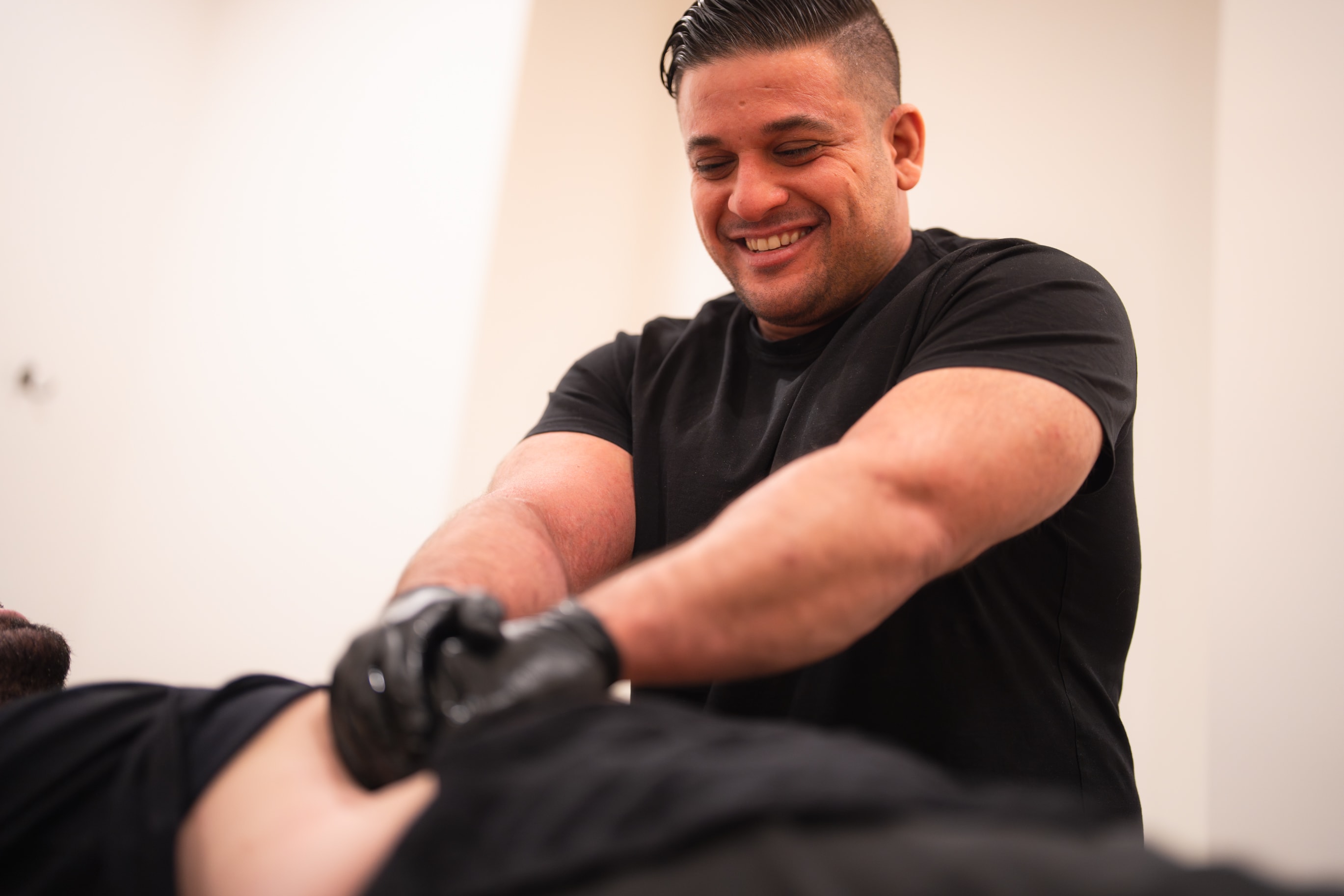
It was a relief for him to finally have an explanation for his symptoms, but John was also concerned about what this meant for his future. Dr. Gvili reassured him that while hard flaccid syndrome is a rare condition, it can be treated with the help of a physiotherapist.

Dr. Gvili explained that physiotherapy has numerous benefits for the hard flaccid syndrome. First, it can help improve muscle strength and flexibility. Second, it reduces pain in the penis and pelvis area. Lastly, it improves the overall quality of life. As part of a comprehensive approach, Dr. Gvili recommended incorporating breathing exercises and pelvic physiotherapy to address pelvic floor tension and promote relaxation.

Dr. Adam also created a treatment plan that involves exercises to strengthen the muscles of the penis and scrotum, as well as stretches to improve flexibility. Dr. Gvili also used manual therapy techniques for John to help improve muscle function and reduce pain. During recovery, moderation with sexual activity and sexual stimulation was advised to avoid aggravating symptoms and support healing.

John was optimistic about his treatment plan and was grateful for Dr. Gvili’s help. He knew that it would take time and dedication, but he was willing to do whatever it took to regain control of his life. With the help of Dr. Gvili, John was able to improve his symptoms and regain his confidence. Successful treatment often involves a combination of these approaches, tailored to each patient’s needs.

Ready to take the first step toward relief from Hard Flaccid Syndrome? Schedule a consultation with Dr. Adam Gvili today.

Related Blog: Hard Flaccid Doctor** Around New York**

The Role of the Pelvic Floor

The pelvic floor is a group of muscles that plays a vital role in supporting the pelvic organs and regulating sexual function in men. When it comes to hard flaccid syndrome, the health and function of the pelvic floor muscles are especially important. In many cases of HFS, these muscles become overactive or tense, leading to increased muscle tension and reduced blood flow to the penis. This can significantly impair sexual function, contribute to erectile dysfunction, and even trigger chronic pelvic pain syndrome.

Pelvic floor dysfunction is a key factor in the development and persistence of hard flaccid syndrome symptoms. Overactive pelvic floor muscles can cause a range of issues, from altered penile sensation and penile pain to difficulties with sexual arousal and maintaining an erection. This muscle tension can also lead to chronic pelvic pain and emotional distress, which may further worsen symptoms.

Fortunately, pelvic floor physical therapy offers effective treatment strategies for men with HFS. A skilled physical therapist can assess for pelvic floor dysfunction and guide patients through targeted pelvic floor relaxation exercises, such as deep breathing and progressive muscle relaxation. These techniques help reduce muscle spasm, improve blood flow, and restore normal function to the pelvic floor and penis. By focusing on relaxation and gentle stretching, men can experience relief from chronic pain and a gradual return to healthy erectile function.

Other treatment options:

In addition to physical therapy, a comprehensive approach to managing hard flaccid syndrome may include pain management, medications for erectile dysfunction, and stress reduction techniques. Addressing chronic stress is crucial, as it can activate the sympathetic nervous system and trigger emotional distress, both of which can worsen HFS symptoms. In some cases, low-intensity shockwave therapy (LiSWT) may be recommended to further improve blood flow and reduce inflammation in the pelvic region.

Because hard flaccid syndrome is a rare male sexual disorder, a thorough physical examination and diagnostic workup—such as a penile Doppler ultrasound—are essential to rule out other conditions like Peyronie’s disease, chronic prostatitis, or neuropathic pain. A careful differential diagnosis ensures that the right treatment plan is put in place.

By understanding the role of the pelvic floor and addressing any underlying dysfunction, men with hard flaccid syndrome can take meaningful steps toward recovery. With the right combination of pelvic floor therapy, pain management, and stress reduction, it is possible to cure hard flaccid syndrome, restore normal erectile function, and regain confidence in sexual health.

Injury Prevention In Sports: Physiotherapy Is The Key

Injury Prevention In Sports Physiotherapy Is The Key

Physiotherapy is one of the most effective tools for injury prevention in sports because it strengthens key muscle groups, improves mobility, corrects movement patterns, and identifies risks before an injury happens. Research has shown that physiotherapy interventions are effective in reducing the incidence and severity of sports injuries.

Whether you’re a competitive athlete or an active adult, working with a physiotherapist can significantly reduce your risk of sprains, strains, overuse injuries, and joint pain by helping you maintain proper focus during warm-ups and training, which is essential for injury prevention.

Now let’s break down exactly how physiotherapy prevents injuries, boosts performance, and supports long-term athletic health.

The Growing Need for Injury Prevention in Sports

Athletes today move faster, train harder, and push their bodies more than ever. And while sports participation keeps us healthy, it also increases the likelihood of:

  • Overuse injuries
  • Sprains and strains
  • Muscle imbalances
  • Joint pain
  • Reduced mobility
  • Poor recovery patterns

In severe cases, sports injuries can even lead to deaths, underscoring the critical importance of effective prevention strategies.

Injury prevention isn’t about avoiding sports — it’s about playing smarter, understanding your body, and preparing your muscles and joints to handle real-game stress. Injury prevention strategies must address different types of injuries, from overuse to acute trauma, to ensure comprehensive protection for athletes.

This is where physiotherapy becomes a game-changing tool.


Why Physiotherapy Is Essential for Injury Prevention

Physiotherapy doesn’t only treat injuries — it prevents them before they happen. Modern physiotherapy blends biomechanics, sports science, and individualized training strategies to safeguard the athlete’s body.

1. Corrects Muscle Imbalances

Sports often create dominant and underused muscle groups. For example:

  • Runners often have tight hip flexors and weak glutes
  • Tennis players may overload their dominant shoulder
  • Soccer players commonly show hamstring–quad imbalances

These imbalances put joints at risk.

A physiotherapist identifies and corrects these issues early, decreasing strain on muscles, ligaments, and tendons. Evaluation by a physiotherapist is crucial for identifying muscle imbalances.

Research supports the effectiveness of physiotherapy interventions in correcting these imbalances and reducing injury risk.

2. Improves Joint Stability

Joint instability is one of the biggest predictors of injury. Physiotherapy strengthens stabilizing muscles around:

  • Shoulders
  • Knees
  • Hips
  • Ankles
  • Spine

This reduces risks of sprains, ACL tears, rotator cuff injuries, and more.


3. Enhances Flexibility and Mobility

Restricted mobility forces athletes into compensatory movement patterns, which eventually lead to:

Physiotherapists use different types of stretching, such as dynamic and static stretch techniques, to improve flexibility.

Your physiotherapist uses stretching, mobility drills, soft-tissue techniques, and joint mobilization to restore natural range of motion. Various methods, including sleep, nutrition, hydration, and interventions like foam rolling, are also employed to enhance mobility and prevent injuries.

4. Improves Proprioception and Coordination

Proprioception is your body’s internal GPS — it tells you where your limbs are during movement.
Poor proprioception = higher risk of injury.

Physiotherapy uses:

  • Balance training
  • Movement retraining
  • Neuromuscular re-education

These help your body react faster and avoid dangerous or unstable positions.


5. Teaches Proper Technique and Body Mechanics

A surprising number of injuries occur not during competition but during:

  • Warm-ups
  • Cool-downs
  • Incorrect form during training
  • Repetition under fatigue

Physiotherapy enhances:

  • Lifting mechanics
  • Running form
  • Jumping and landing technique
  • Sport-specific movements

Incorporating proper warm-up and cool-down practices is essential for injury prevention and overall athlete safety.

Better technique → safer body → better performance.

How Physiotherapy Helps Existing Sports Injuries

Even past injuries can increase future risk.

A physiotherapist helps you:

1.Restore strength

2. Improve joint mobility

3. Reduce pain and inflammation

4. Correct compensations

5. Rebuild trust in movement

6. Prevent re-injury

Rest is also a crucial part of the recovery process, allowing your body time to heal and preventing further fatigue or injury.

Treatment may involve:

  • Corrective exercises
  • Manual therapy
  • Stretching and mobility work
  • Strength and stability training
  • Functional movement assessments
  • Sport-specific conditioning

Over time, your body learns to move without fear and without pain.

Physiotherapists also work with athletes to develop injury prevention programs tailored to their specific needs, helping to keep them healthy and performing at their best.

Common Injuries Physiotherapy Helps Prevent

  • Knee injuries (meniscus tears, ACL strains)
  • Ankle sprains
  • Shoulder overuse injuries
  • Low-back pain
  • Hip flexor strains
  • Hamstring pulls
  • Plantar fasciitis
  • Elbow injuries (tennis elbow, golfer’s elbow)

These injuries result from factors such as poor technique, overuse, or inadequate recovery, and understanding these causes is essential for effective prevention.

By addressing biomechanics and movement patterns, physiotherapy reduces risk across all sports. Implementing proper safety measures and programs is crucial to prevent these types of injuries.

The Role of Physiotherapy in Athletic Performance Optimisation

Physiotherapy is not only about prevention — it improves performance by enhancing:

  • Efficiency of movement
  • Power output
  • Stability
  • Speed and agility
  • Flexibility
  • Recovery

Structured injury prevention programs, such as the FIFA 11+ warmup program and Recognize to Recover program, are integral to athlete development.

This makes physiotherapy a foundational part of training programs for professional athletes worldwide. Team collaboration is essential in implementing physiotherapy strategies effectively, ensuring optimal results for both individual athletes and the team as a whole.

Nutrition and Hydration: The Unsung Heroes of Injury Prevention

Why Nutrition Matters for Injury Prevention

Proper nutrition is often ignored when discussing injury prevention programs, but it is essential for reducing injuries and keeping the body healthy. Whether you’re an athlete, active adult, or student, the nutrients you consume directly affect your ability to perform, recover, and resist injuries.

A balanced diet supporting injury prevention includes:

  • Lean proteins for muscle repair
  • Complex carbohydrates for sustained energy
  • Healthy fats for joint and brain health
  • Vitamins and minerals for tissue healing and immune support

This combination fuels muscle growth, stabilizes joints, and prepares your body to handle stress from training and daily activity.


The Importance of Hydration for Injury Prevention

Hydration is equally critical. Even mild dehydration can cause:

  • Muscle cramps
  • Fatigue
  • Poor coordination
  • Dizziness
  • Increased risk of sports-related injuries

Athletes and active individuals should monitor water intake before, during, and after activity to maintain optimal performance and safety.


How Nutrition and Hydration Fit Into Injury Prevention Programs

Sports medicine experts and health professionals are integrating nutrition and hydration education into modern injury prevention programs. Teaching athletes about fueling and fluid intake helps:

  • Reduce injury severity
  • Speed up recovery
  • Improve daily performance
  • Strengthen long-term wellness

This approach supports schools, teams, families, and communities in promoting healthier habits.


Additional Lifestyle Factors That Influence Injury Risk

Nutrition and hydration don’t work alone—other factors also increase or reduce risk, including:

  • Sleep quality
  • Stress levels
  • Alcohol use
  • Medications
  • Exposure to violence
  • Overall physical conditioning

Addressing these areas helps make injury prevention programs comprehensive and effective.


Community and Family Support in Injury Prevention

Families, schools, and coaches play a huge role in shaping healthy habits. When they provide support, education, and resources, it empowers young athletes and adults to make safe choices.

Parents can help children build lifelong healthy habits, while coaches can reinforce nutritional and hydration strategies during training.


The Bottom Line

Without proper hydration and nutrition, athletes face higher injury risks. With them, the body is protected, energized, and able to recover faster. Making nutrition and hydration central to injury prevention improves safety, performance, and overall well-being.


Mental Preparation and Focus: The Overlooked Factor in Staying Injury-Free

Why Mental Readiness Is Crucial for Injury Prevention

Mental preparation is one of the most overlooked yet essential factors in staying injury-free. While physical conditioning and protective equipment are foundational, mental readiness significantly lowers the likelihood of injury during sports.

Research shows that mental skills such as:

  • Concentration
  • Visualization
  • Goal-setting
  • Mindfulness

improve reflexes, reaction time, and decision-making — all of which protect athletes from injuries.


How Mental Focus Reduces Injury Risk

When athletes maintain mental clarity and focus, they are better able to:

  • Maintain proper technique
  • React quickly to sudden changes
  • Avoid dangerous situations
  • Stay controlled even when fatigued

Coaches and practitioners increasingly integrate cognitive skills into injury prevention programs through:

  • Positive self-talk
  • Stress management
  • Scenario-based mental rehearsal
  • Sport psychology techniques

Equipment + Mental Focus: A Complete Safety Approach

Protective equipment such as helmets, pads, and mouthguards reduce injury risk, but they are not enough. If an athlete is distracted or mentally unprepared, the best equipment cannot fully protect them.

This is why modern injury prevention programs include both:

  • Physical protection
  • Mental readiness training

Mental Preparation Beyond Sports: A Public Health Perspective

Mental readiness also plays a role in preventing accidents off the field. For example, motor vehicle crashes—one of the leading causes of injury and death—are often linked to lack of focus, distraction, or fatigue.

When combined with safety practices such as:

  • Wearing seatbelts
  • Following traffic laws
  • Maintaining alertness

mental focus helps prevent injuries and save lives.


Pairing Mental Focus with Physical Preparation

Injury prevention programs should always include:

  • Warm-ups
  • Full range-of-motion exercises
  • Strength training
  • Flexibility routines
  • Movement-pattern coaching

When these physical components are paired with mental readiness, athletes perform better and face fewer injuries.


Role of Communities, Schools, and Coaches

Coaches, physical education programs, and community leaders help athletes — especially children — develop habits that prevent injuries. When they teach mental skills alongside physical training, young athletes become more resilient and safer overall.

Parents and caregivers can reinforce these habits at home by encouraging:

  • Good sleep
  • Healthy routines
  • Focused training environments

Recognizing and Managing Risk Factors

Injury prevention programs should also address risk factors like:

  • Alcohol use
  • Poor sleep
  • Previous injuries
  • Underlying medical conditions
  • Stress and emotional challenges

Providing guidance and support in these areas helps reduce risk and improve overall function.


Continuous Improvement Through Education and Research

Health professionals must work together to continually evaluate and refine injury prevention programs. With appropriate research, funding, and community support, these programs can meet the needs of athletes of all ages and backgrounds.


The Takeaway

The most effective injury prevention is holistic—addressing the body, mind, and environment.
When mental preparation is combined with physical training, protective equipment, and strong community support, athletes stay safer, recover faster, and perform at their best.

Finding the Right Physiotherapist for Injury Prevention in Sports

A sports physiotherapist should offer:

-Comprehensive functional assessments

-Personalised strength and mobility programs

-Realistic recovery timelines

-Sport-specific training modifications

-Education on warm-up, cool-down, posture, and form

Many of these recommendations are supported by research published in peer-reviewed journals, which provide evidence for effective physiotherapy interventions.

At Pelvis NYC, Dr Adam Gvili, Doctor of Physical Therapy, provides individualised programs tailored to each athlete’s body and goals to reduce injury risk and improve performance.

Ongoing research and training in injury prevention rely on dedicated funding to ensure continued advancements in the field.

Takeaway: Injury Prevention in Sports Starts with Smart, Informed Movement

Physiotherapy isn’t a last resort — it’s the secret weapon athletes use to:

  • Stay on the field
  • Train harder
  • Perform better
  • Recover faster
  • Reduce injuries long-term

Community engagement plays a crucial role in promoting injury prevention and supporting effective health initiatives.

Students, along with athletes and adults, benefit greatly from injury prevention education and physiotherapy.

If you’re serious about your health and performance, physiotherapy should be part of your routine.

FAQs

What is the best way to prevent sports injuries?

Strength training, proper warm-ups, flexibility work, and physiotherapy are the most effective ways to reduce injury risk. Additionally, ensuring that sports equipment and facilities meet current safety standards is crucial for preventing injuries.

How does physiotherapy prevent injuries?

It improves strength, mobility, technique, balance, and joint stability — all essential for keeping the body safe under stress.

By addressing these areas, physiotherapy helps athletes continue to participate in their sport safely and confidently.

Do athletes need physiotherapy even if they’re not injured?

Yes. Preventative physiotherapy reduces future injuries and optimizes performance.

How often should athletes see a physiotherapist?

Most athletes benefit from a check-in every 4–8 weeks or more frequently during intense training.

Can physiotherapy help old injuries?

Absolutely — PT restores movement, reduces pain, and prevents re-injury.