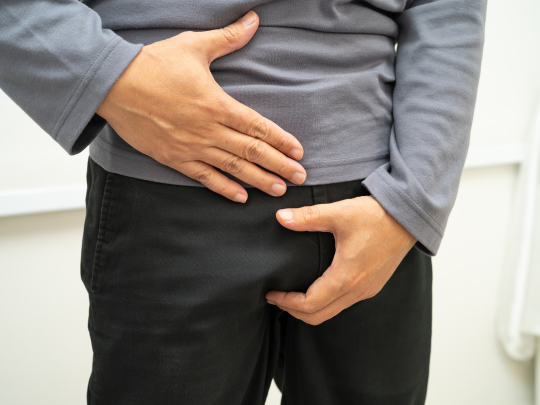
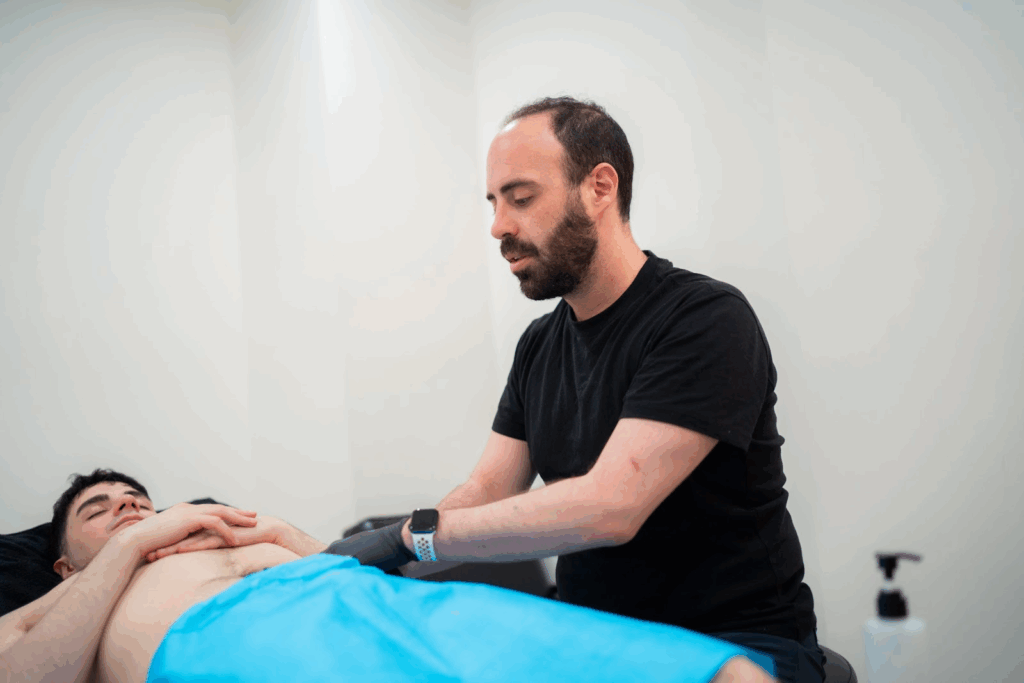
Hernia Treatment Intervention With Physical Therapy

Hernia Treatment Intervention With Physical Therapy

Introduction to Hernias

Hernias are a common health concern that occur when an organ or fatty tissue pushes through a weak spot in the abdominal wall or other muscle layers. This weakness can develop for a variety of reasons, including congenital defects present at birth, the natural aging process, obesity, or repetitive strain from heavy lifting or chronic coughing. When a hernia develops, it can cause discomfort, pain, and, if left untreated, may lead to more serious complications. The primary goal of hernia treatment is to repair the hernia defect and restore the integrity of the abdominal wall, preventing further issues. There are several approaches to hernia repair, ranging from traditional open surgery to advanced minimally invasive hernia repair techniques. Laparoscopic surgery, a form of minimally invasive hernia repair, uses small incisions and specialized instruments to repair the hernia, often resulting in less pain and a quicker recovery compared to open surgery. Minimally invasive hernia procedures are increasingly popular for their effectiveness and patient-friendly recovery times.

Specialized hernia care teams, such as those found in comprehensive programs, are dedicated to providing expert evaluation and treatment for all types of hernias. Whether through open surgery, laparoscopic surgery, or other minimally invasive techniques, the focus remains on safely repairing the hernia and supporting the patient’s return to normal activity.


Types of Hernias

There are several types of hernias, each with unique features and treatment considerations. The most common type is the inguinal hernia, which occurs in the groin area and is especially prevalent in men. Umbilical hernias develop near the belly button, often appearing as a bulge at the navel. Ventral hernias form in the abdominal wall, while incisional hernias can arise at the site of a previous surgical incision, where the tissue may be weaker.

Other types include femoral hernias, which occur lower in the groin and are more common in women, hiatal hernias, where part of the stomach pushes into the chest cavity through the diaphragm, and sports hernias, which involve soft tissue injuries in the lower abdomen or groin.

Each type of hernia requires a tailored approach to hernia repair. Minimally invasive surgery, such as laparoscopic hernia repair, is often preferred for many hernia types due to its benefits: smaller incisions, less postoperative pain, and a faster recovery compared to traditional open surgery. The Americas Hernia Society emphasizes the importance of comprehensive hernia care, which includes careful evaluation, surgical repair when needed, and thorough postoperative management to minimize complications and support optimal healing.

By understanding the different types of hernias and the available treatment options, patients and their care teams can make informed decisions that lead to the best possible outcomes.

What Is the Best Hernia Treatment Without Surgery?

For some men, hernia treatment without surgery is possible through physical therapy. By strengthening the abdominal wall, improving pressure control, and correcting movement patterns, physical therapy can reduce hernia symptoms, improve daily function, and help prevent the condition from worsening.

This case study shows how a personalized hernia treatment plan helped one man regain confidence and comfort without immediate surgery.


Case Overview: When Hernia Symptoms Disrupt Daily Life

Name changed to protect privacy.

“Jack,” an adult male, began experiencing ongoing abdominal pressure and discomfort that worsened with lifting, exercise, and prolonged standing. While the symptoms weren’t always severe, they were persistent enough to interfere with work, fitness, and everyday activities.

At first, Jack tried to manage the problem on his own—like many men do.

Early Attempts at Hernia Treatment

  • Over-the-counter pain medication
  • Reduced physical activity
  • Avoiding movements that triggered symptoms

Despite these efforts, the discomfort continued, signaling that a more targeted hernia treatment approach was needed.


Why Hernia Treatment Is Often Delayed

Hernias are frequently underestimated because symptoms can be subtle. Many men experience:

  • A dull ache or heaviness
  • Discomfort that improves with rest
  • Pain only during exertion

Because there may be no visible bulge early on, men often assume the issue is a muscle strain rather than a hernia.

According to the National Institute of Diabetes and Digestive and Kidney Diseases (NIDDK), untreated hernias can gradually worsen as abdominal wall weakness progresses—making early hernia treatment especially important. Most hernias eventually require surgical repair to prevent complications and recurrence. Delaying hernia repair can lead to serious issues such as bowel obstruction, which may require more extensive surgery.

Exploring Non-Surgical Treatment Options

A friend suggested Jack explore physical therapy as part of his hernia treatment, even though he was skeptical. Like many people, he believed physical therapy was only for joint injuries or post-surgical recovery.

Still wanting answers, Jack scheduled an appointment at Pelvis NYC, a clinic known for specialized hernia treatment and pelvic health care.


Initial Evaluation: A Targeted Hernia Assessment

Jack’s evaluation was performed by Dr. Adam Gvili, PT, DPT, a Doctor of Physical Therapy with advanced training in abdominal wall dysfunction and conservative hernia treatment. A thorough physical exam is a key part of diagnosing hernias, especially when imaging is inconclusive.

What the Hernia Evaluation Included

  • Detailed symptom and activity history
  • Abdominal wall and core strength testing
  • Movement and load assessment
  • Breathing and pressure management evaluation

Rather than focusing only on pain, the assessment centered on how Jack’s body handled internal pressure, a key factor in effective hernia treatment.


Diagnosis: Abdominal Wall and Inguinal Hernia

Based on the findings, Dr. Gvili identified an abdominal wall hernia, caused by tissue protruding through a weakened area of muscle and connective tissue. A hernia is often identified by bulging tissue, such as intestine or fat, that pushes through the abdominal wall. If the diagnosis is unclear, an abdominal ultrasound may be used to visualize the hernia and assess the hernia sac.

Common Signs That Hernia Treatment Is Needed

  • Pressure or heaviness in the abdomen
  • Pain during lifting, coughing, or exertion
  • Symptoms that worsen throughout the day
  • Relief when lying down

Jack’s symptoms aligned clearly with this diagnosis.


Does Hernia Treatment Always Require Surgery?

No. While surgery is sometimes necessary, hernia treatment does not always start with surgery. However, most hernias will eventually require surgical repair to prevent complications.

Hernia repair can be performed using open surgery, laparoscopic surgery, or robotic surgery. Non-surgical management options include lifestyle changes, medications, and supportive devices like trusses.

The Cleveland Clinic notes that conservative hernia treatment may be appropriate when:

  • Symptoms are mild to moderate
  • The hernia is reducible
  • There are no signs of strangulation

In such cases, physical therapy can be an effective first-line hernia treatment strategy.

Hernia Treatment Through Physical Therapy

A Personalized Hernia Treatment Plan

Dr. Gvili designed a custom hernia treatment program tailored to Jack’s body, activity level, and goals.

Key Components of Physical Therapy–Based Hernia Treatment

  • Targeted abdominal and core strengthening
  • Breathing techniques to control intra-abdominal pressure
  • Manual therapy to improve tissue mobility
  • Movement retraining for daily tasks and exercise
  • Education on safe lifting and posture

This approach focused on supporting the weakened area while restoring functional strength—a cornerstone of successful hernia treatment.


How Physical Therapy Supports Effective Hernia Treatment

Physical therapy does not close the hernia opening itself, but it plays a vital role in symptom control and prevention.

Benefits of Physical Therapy for Hernia Treatment

  • Improved abdominal wall support
  • Reduced strain on the hernia site
  • Better pressure management during movement
  • Lower risk of symptom progression
  • Increased confidence in physical activity

For Jack, this meant returning to daily life without constant fear of aggravating his hernia.


Results: Hernia Treatment Outcomes Without Surgery

After several weeks of consistent physical therapy:

  • Jack experienced significant symptom reduction
  • Daily activities became more comfortable
  • He regained confidence in movement and exercise
  • He learned long-term strategies to protect his abdominal wall

Dr. Gvili also provided lifestyle guidance to support ongoing hernia treatment success, including activity modification and core maintenance strategies.


When Hernia Treatment Requires Immediate Medical Care

While conservative hernia treatment is effective for many men, urgent medical evaluation is required if symptoms include:

  • Sudden or severe pain
  • Nausea or vomiting
  • Fever
  • A hernia that becomes hard, tender, or discolored

These symptoms may indicate a medical emergency or surgical emergency. Incarceration occurs when a hernia gets stuck and cannot be reduced, which can lead to increased pain and complications. If the blood supply to the incarcerated tissue is cut off, this is called strangulation—a serious complication that requires emergency surgery. Strangulation can result in tissue death and may necessitate a bowel resection to remove the affected portion of the intestine.

Professionals Involved in Hernia Treatment

Depending on severity, hernia treatment may involve:

  • Primary care physicians
  • General surgeons
  • Gastroenterologists
  • Pelvic health physical therapists

A coordinated approach ensures safe and effective care.


Pelvis NYC: Specialized Hernia Treatment With Physical Therapy

At Pelvis NYC, we provide evidence-based hernia treatment focused on helping men manage symptoms, stay active, and avoid unnecessary surgery when possible.

Why Patients Choose Pelvis NYC for Hernia Treatment

  • Advanced expertise in abdominal wall and pelvic health
  • One-on-one personalized care
  • Proven, conservative hernia treatment strategies
  • Focus on long-term outcomes and prevention

👉 Book a FREE 15-minute teleconsultation to learn whether physical therapy is the right hernia treatment option for you.


FAQs: Hernia Treatment

Can hernia treatment work without surgery?

Yes. For some men, conservative hernia treatment with physical therapy can reduce symptoms and improve function.

Is physical therapy safe for hernia treatment?

Yes, when guided by a trained specialist experienced in hernia treatment.

When is surgery the best hernia treatment?

Surgery is recommended if the hernia is worsening, causing severe symptoms, or becomes strangulated.

What type of specialist should I see for hernia treatment?

A pelvic health physical therapist is ideal for non-surgical hernia treatment; surgeons are involved when surgery is necessary.

Can hernia treatment prevent the condition from worsening?

Yes. Strengthening, pressure management, and education can slow progression and reduce symptoms.


Final Takeaway

Hernia treatment doesn’t always begin—or end—with surgery. As this case study shows, physical therapy can be a powerful, conservative hernia treatment option that restores function, reduces discomfort, and helps men stay active.

If hernia symptoms are affecting your life, early, expert-guided hernia treatment matters.
Lower Abdominal Pain In Men Left Side: True Story Of Alleviating Pain

Lower Abdominal Pain In Men Left Side: True Story Of Alleviating Pain

There was a man who suffered from persistent pain in his lower left abdomen. He would experience pain on a regular basis, which became a constant source of discomfort and anxiety for him, as he couldn’t seem to find relief on his own. This feeling led him to seek help online; fortunately, he was directed to Pelvis NYC.

Soon enough, he realized he didn’t have to go through it alone. With the help of the right professionals like Dr. Adam Gvili and treatment options like physical therapy, he could get back to feeling his best in no time. So he decided to book an appointment on Pelvis NYC’s website.

The First Session for Lower Abdominal Pain In Men Left Side

Dr. Gvili, as always, makes his patients comfortable first, especially in the first meeting. His approach makes everyone open up easily about what they are going through. Just like James (not his real name), he felt comfortable talking to Dr. Adam about his symptoms because of this technique.

James was experiencing lower abdominal pain left side when he scheduled an appointment on our website. For him, talking to Dr. Adam Gvili is just a smooth ride. The questions asked were simple, yet he knew that Dr. Gvili was knowledgeable enough to include those questions. Dr. Gvili also inquired about any other symptoms James might be experiencing to ensure a thorough assessment.

After the initial consultation, Dr. Adam explained the possible causes of James’s left-side lower abdominal pain—gastrointestinal and urinary issues. Gastrointestinal and urinary issues can cause left-side abdominal pain due to the location of the organs in the lower left abdomen. As part of the assessment, Dr. Gvili specifically asked about James’s bowel movement patterns, since changes in bowel movement can be important in diagnosing gastrointestinal conditions.

Causes of lower abdominal pain

Gastrointestinal issues

Gastrointestinal issues like gas, indigestion, and constipation are one factor that causes left-side abdominal pain for James. The large intestine and large intestines, especially the colon, are common sites of pain in the left lower quadrant or lower left quadrant. The small intestine can also be involved, particularly in digestive disorders such as celiac disease or Crohn’s disease. Digestive disorders, including irritable bowel syndrome (a chronic gastrointestinal disorder), can cause crampy pain, dull ache, or sharp pain in this area.

Inflammatory bowel disease and inflammatory bowel IBD, which includes Crohn’s disease and ulcerative colitis, can also affect the large intestine, causing pain and inflammation. Ulcerative colitis specifically affects the large intestine and can lead to persistent discomfort. These conditions may cause pain by affecting the digestive tract, with the immune system sometimes playing a role in autoimmune causes. The type of pain—whether crampy pain, dull ache, or sharp pain—can help differentiate the underlying cause. Each of these may associates with different digestive or inflammatory conditions, causing pain in the left lower quadrant.

Urinary Tract Infection

Another factor is a urinary problem—urinary tract infection (UTI). A urinary tract infection is a common cause of lower left abdominal pain, as it can affect any part of the urinary tract, including the bladder and ureters. James had a UTI, so it does contribute to his abdominal pain. Since the left ureter carries urine from the left kidney to the bladder, any blockages or infections in this area can cause pain on the left side of the abdomen.

Kidney infection is another possible urinary cause, often presenting with symptoms such as lower back pain, fever, and pain during urination, and can also lead to pain in the lower left quadrant. Kidney stone and kidney stones are additional causes of sharp pain in the lower left abdomen, sometimes radiating to the groin area, and are often accompanied by intense pain, nausea, or blood in the urine. These urinary tract conditions can cause significant discomfort and may require early treatment and pain management.

Hernias

Hernias can also cause pain in the lower left abdomen. A hernia occurs when an organ or tissue pushes through a weak spot in the abdominal wall or abdominal muscles, sometimes resulting in a visible bulge and pain in the groin area. An inguinal hernia is a specific type that can cause pain in this region. Rarely, internal bleeding can be a cause of severe pain in the lower left quadrant.

In women, causes such as ectopic pregnancy, issues with the fallopian tube, or problems with the left ovary can also result in pain in this area.

It is important to differentiate abdominal pain from chest pain, as chest pain may indicate a cardiac issue. Some conditions can cause intense pain or sudden pain, which may require immediate medical attention, emergency medical care, or contacting a doctor immediately. Early treatment and appropriate medical care are essential for managing these conditions and preventing complications. Pain management should be guided by a healthcare professional.

Note: Left-side abdominal pain can have many different causes. It’s important to consult your physician first before going to a physical therapist.

Left Abdominal Pain Diagnosis

Diagnosing left abdominal pain, especially in the lower abdominal region, requires a careful and thorough approach. When you visit a healthcare provider with complaints of lower abdominal or left abdominal pain, the first step is often a detailed conversation about your symptoms. Your provider will ask about the onset, duration, and intensity of your pain, as well as any associated symptoms you may be experiencing, such as vomiting, abdominal pain, diarrhea, gas, or bloating.

A comprehensive medical history helps your healthcare provider understand potential risk factors and previous health issues that could be contributing to your discomfort. During the physical examination, the provider will gently press on different areas of your abdomen to check for tenderness, swelling, or other signs that might point to the underlying cause of your pain.

Associated symptoms play a crucial role in the diagnostic process. For example, suppose your lower abdominal pain is accompanied by vomiting, changes in bowel movements, or persistent bloating. In that case, these clues can help narrow down the list of possible conditions affecting your digestive tract or urinary system. Your healthcare provider may also ask about recent injuries, changes in diet, or any chronic gastrointestinal disorders you may have.

Ultimately, the goal of this diagnostic process is to identify the underlying cause of your left abdominal pain to develop the most effective treatment plan. Early and accurate diagnosis is key to managing symptoms, preventing serious complications, and ensuring you get back to feeling your best. If you’re experiencing persistent or severe pain, don’t hesitate to seek medical attention and discuss your symptoms openly with your healthcare provider.

The Treatment for Lower Abdominal Pain In Men Left Side

After talking to James about his symptoms and causes, Dr. Gvili began to explain how physical therapy can help relieve his symptoms and get him back to feeling his best.

He explained that through a personalized approach, physiotherapy can provide relief from lower abdominal pain caused by his gastrointestinal and urinary problems. Dr. Gvili would work with James to create a customized treatment plan that would include specialized massage techniques and stretching exercises.

This massage can help relieve tension and pain in the muscles of the abdomen. While stretching exercises can help improve the flexibility and mobility of the affected area. This will also help strengthen the abdominal muscles, which play a key role in supporting internal organs and can help to prevent future episodes of pain.

This approach and technique are a safe and effective treatment option for abdominal pain caused by his issues. Dr. Adam would work with James and provide one-on-one attention, tailoring his treatment plan to James’ unique needs and goals.

Healing Period

Over the course of his treatment, James worked closely with Dr. Gvili, performing a variety of exercises and stretches. These are designed to alleviate his pain and improve his overall health. With each session, James felt a little bit better. Soon, he was able to resume his normal activities without experiencing any pain or discomfort.

He was very thankful to Pelvis NYC, especially to Dr. Adam Gvili. He was able to help him alleviate his lower left-side abdominal pain. So if you are like James and you still don’t know what causes your symptoms, visit Pelvis NYC now. Let our physical therapist help you. Book now!

Related blog: Experts for Lower Abdominal Pain

Have you had a vasectomy and then, after weeks, you’re now experiencing lower abdominal pain? You might be interested in reading our blog about Why Men Experience Lower Abdominal Pain After Vasectomy.

Lower Left Abdominal Pain in Men: Experts to Consult

Lower Left Abdominal Pain in Men: Experts to Consult

What Causes Lower Left Abdominal Pain in Men?

Lower left abdominal pain in men is most commonly caused by digestive issues like constipation or diverticulitis, urinary problems such as kidney stones or UTIs, or musculoskeletal strain. The lower left quadrant of the abdominal cavity contains several organs, making diagnosis complex. However, persistent, worsening, or severe pain can signal a serious medical condition and should always be evaluated by a healthcare professional.

Understanding what’s normal, what’s not, and who to see can help you take action early—and avoid complications. Pain on the left hand side (left side) of the abdomen can be due to issues with any of these organs. Some causes of abdominal pain are serious and some aren’t, making it hard to tell from the way you feel.

Why Lower Left Abdominal Pain Happens in Men

Pain in the lower left abdomen (also called the left lower quadrant) is challenging to diagnose because multiple organ systems overlap in this area. The abdominal cavity houses several organs, including parts of the digestive tract, large intestines, and abdominal muscles. For men ages 18–49, this pain often intersects with lifestyle factors like exercise, work-related lifting, diet, and stress.

Organs and structures in the lower left abdomen include: the descending colon, small and large intestines, sigmoid colon, left ureter, left kidney (lower pole), abdominal wall, abdominal muscles, and, in rare cases, referred pain from the testicles or spine.

The abdominal cavity contains the majority of the body’s vital organs closely, making any problem with these organs potentially serious.

Organs Located in the Lower Left Abdomen

  • Descending and sigmoid colon (part of the large intestines and digestive tract)
  • Small and large intestines (key components of the digestive tract)
  • Descending colon (where gas can accumulate and cause discomfort)
  • Abdominal muscles (including areas where hernias may develop)
  • Left ureter and kidney
  • Abdominal wall muscles
  • Nearby reproductive and pelvic structures

Because these systems work closely together, symptoms can overlap—making it easy to dismiss pain that deserves attention.

Common Causes of Lower Left Abdominal Pain in Men

1. Gastrointestinal Causes (Most Common)

Digestive conditions are the leading cause of lower left abdominal pain in men. Men may experience pain as a dull ache or crampy pain, which can be associated with various gastrointestinal issues. This discomfort can range from mild to severe and may be linked to inflammation, infection, or muscular strain in the abdomen.

Constipation & Gas

  • Causes dull, crampy, or pressure-like pain, often described as a dull ache or crampy pain when gas accumulates in the descending colon
  • Often linked to low fiber intake, dehydration, or sedentary habits
  • Pain may improve after bowel movement

Diverticulosis & Diverticulitis

  • Small pouches (diverticula) form in the colon wall due to weaknesses in the intestinal walls.
  • People can develop diverticulitis when these pouches become inflamed or infected.
  • Diverticulitis is more common in older individuals as the number of diverticula increases with age.
  • Risk factors for diverticulitis include age, low-fiber diet, lack of exercise, dehydration, certain medications, and underlying health conditions.
  • It is important to diagnose diverticulitis using imaging tests such as CT scans or colonoscopies to confirm the cause of lower left abdominal pain in men.
  • Symptoms include:
  • Sharp or persistent left-sided pain
  • Fever
  • Diarrhea
  • Constipation
  • Bloating
  • Changes in bowel habits

Diverticulitis requires immediate medical attention if accompanied by sharp pain and fever.

According to the Cleveland Clinic, diverticulitis is one of the most common causes of left lower quadrant pain in adults.

IBS vs. IBD (IBS, Crohn’s, Ulcerative Colitis)

ConditionKey Features
IBSPain with bowel changes, stress-related, no inflammation
Ulcerative colitisBloody stools, cramping, fatigue, crampy pain due to inflammation from immune system dysfunction
Crohn’s diseaseDeep inflammation, weight loss, severe crampy pain, immune system involvement

Note: IBD (including Crohn’s disease and ulcerative colitis) is related to immune system dysfunction and often causes crampy pain. When diagnosing these conditions, it is important to consider other signs in addition to symptoms for accurate identification and management.

Persistent digestive pain should never be self-diagnosed.

2. Urinary Causes

Urinary conditions often cause pain that radiates or comes in waves. Urinary tract infections and acute urinary retention are common causes of lower left abdominal pain in men. Kidney stones can cause pain in the lower left abdomen as they pass from the kidney through the ureter; symptoms may include sharp pain, blood in the urine, and pain that radiates to the groin area. Acute urinary retention can cause significant discomfort in the lower abdomen and is more common in men than in women. Kidney infection symptoms include flank pain, fever, and frequent or painful urination.

Kidney Stones

  • Sudden, sharp pain in the lower left abdomen that may radiate to the groin area as kidney stones pass from the kidney through the ureter
  • Blood in urine
  • Symptoms of kidney stones may include sharp pain in the lower left abdomen and blood in the urine
  • Nausea or vomiting

Urinary Tract Infections (UTIs)

  • Burning with urination
  • Pelvic or lower abdominal pain
  • Cloudy or bloody urine
  • Urinary tract infection is a common cause of lower abdominal pain in men and may present with urinary symptoms such as burning, urgency, and blood in the urine.
  • Acute urinary retention can cause significant discomfort in the lower abdomen and is more common in men than in women.

While UTIs are less common in men, they are more likely to indicate an underlying issue and require prompt treatment.

3. Reproductive & Pelvic Causes in Men

Testicular Torsion (Emergency)

  • Sudden, severe pain
  • Can radiate into lower abdomen
  • Requires immediate surgery

Prostatitis

  • Deep pelvic or lower abdominal discomfort
  • Pain with sitting or urination
  • Can be chronic and underdiagnosed

Inguinal Hernia

  • Pain worsens with lifting, coughing, or exercise; lifting heavy objects or coughing can trigger discomfort or sharp pain from an inguinal hernia
  • Inguinal hernias occur when tissue pushes through weak spots in the abdominal muscles
  • May feel like a pulling or burning sensation
  • Common in physically active men

4. Musculoskeletal Causes (Often Overlooked)

Not all abdominal pain comes from organs.

Abdominal Wall & Core Muscle Strain

  • Pain increases with movement or exercise
  • Often mistaken for internal pain
  • Common in:
    • Weightlifters
    • Runners
    • Manual laborers

This is where physical therapy plays a critical role.


Less Common but Serious Causes

  • Bowel obstruction
  • Ruptured spleen
  • Kidney infection
  • Pneumonia (referred pain)
  • Cardiac-related pain (must be ruled out; chest pain should be differentiated from abdominal pain, as chest pain may indicate a heart attack)

Red flag symptoms include:

  • High fever
  • Persistent vomiting
  • Blood in stool or urine
  • Severe or worsening pain
  • Inability to pass gas or stool (symptoms of bowel obstruction include severe pain, inability to pass gas or stool, and vomiting)

Seek emergency care immediately if these occur.

Complications of Lower Left Abdominal Pain in Men

Lower left abdominal pain in men should never be ignored, as it can lead to serious complications if left untreated or misdiagnosed. While some causes of lower left abdominal pain are mild and resolve on their own, others can quickly escalate and threaten your health if not addressed promptly.

Conditions like inflammatory bowel disease (IBD) and irritable bowel syndrome (IBS) can cause severe pain, changes in bowel movement patterns, and a range of associated symptoms. Without proper management, IBD can result in complications such as bowel obstruction, fistulas, or even malnutrition due to poor absorption of nutrients. IBS, while not life-threatening, can significantly disrupt daily life and lead to chronic discomfort and changes in bowel habits.

Urinary tract infections

Urinary tract infections (UTIs) and kidney stones are other potential culprits behind left abdominal pain. If a kidney stone becomes lodged in the left kidney, it can cause intense pain, groin pain, and sometimes vomiting abdominal pain. Left untreated, kidney stones can lead to kidney damage or infection, both of which require urgent medical attention.

Inguinal hernias

Inguinal hernias are another risk, especially for men who frequently lift heavy objects. If a hernia becomes strangulated, it can cut off blood supply to part of the intestine, leading to tissue death—a life-threatening emergency. Similarly, testicular torsion can cause sudden, severe pain in the lower left abdomen and requires immediate medical attention to prevent permanent damage to the testicle.

Digestive disorders such as diverticulitis or ulcerative colitis can also result in serious complications. If diverticulitis is not treated, it can lead to bowel perforation, abscesses, or peritonitis, all of which are medical emergencies. According to the Cleveland Clinic, symptoms like severe pain, vomiting, or abdominal tenderness should prompt you to seek medical attention immediately.

Other complications can arise from abdominal wall strains or chronic digestive issues, leading to persistent pain, weight loss, and changes in bowel habits. Men with a history of abdominal surgery or underlying medical conditions should be especially vigilant, as they may be at higher risk for complications.

To prevent these outcomes, it’s crucial to consult a healthcare provider if you experience persistent or worsening lower left abdominal pain, especially if it’s accompanied by other symptoms such as fever, chills, difficulty urinating, or blood in your stool or urine. Your provider will take a thorough medical history, perform a physical examination, and may order imaging tests to accurately diagnose the underlying cause.

Early and accurate diagnosis is key to effective treatment and preventing complications. Don’t wait for the pain to become severe or for other symptoms to develop—timely medical care can make all the difference in your recovery and long-term health.

How Doctors Diagnose Lower Left Abdominal Pain

A proper diagnosis often involves:

  1. Detailed medical history
  2. Physical exam
  3. Imaging (CT scan, ultrasound, X-ray) — Imaging tests such as CT scans or colonoscopy are often used to diagnose diverticulitis.
  4. Lab work (blood, urine)
  5. Colonoscopy or endoscopy (if needed)

Early evaluation prevents unnecessary suffering and complications.

If your abdominal pain is severe or getting worse, or if it persists with other symptoms like fever or swelling, consult a doctor immediately.

Treatment Options: What Actually Helps?

Treatment depends entirely on the cause, but may include:

Medical Treatments

  • Antibiotics (UTIs, diverticulitis)
  • Anti-inflammatory medications
  • Surgical intervention (hernia, torsion)

Pain Management Approaches

  • Heat therapy
  • Gentle movement
  • Targeted exercise
  • Stress reduction

Physical Therapy: A Missing Piece for Many Men

Physical therapy is often overlooked—yet extremely effective for:

  • Chronic abdominal pain
  • Pelvic floor dysfunction
  • Hernias (pre/post surgery)
  • Core muscle injuries

A trained physical therapist can:

  • Identify muscular vs. internal pain
  • Restore proper core mechanics
  • Reduce nerve sensitivity
  • Prevent recurrence

Experts to Consult for Lower Left Abdominal Pain

Depending on symptoms, consider seeing:

  • General Practitioner (GP)
  • Gastroenterologist
  • Urologist
  • Surgeon
  • Pelvic Health Physical Therapist

A multidisciplinary approach often delivers the best results.


Pelvis NYC: Specialized Care for Left Abdominal Pain in Men

lower left abdominal pain in men

At Pelvis NYC, we specialize in treating male pelvic and abdominal pain that doesn’t resolve with medication alone.

Why Patients Choose Pelvis NYC

  • Advanced training in male pelvic health
  • Evidence-based physical therapy
  • Individualized treatment plans
  • Experience treating chronic and unexplained abdominal pain

👉 Book a FREE 15-minute teleconsultation to see if physical therapy is right for you.

Related read: Lower Abdominal Pain In Men Left Side: True Story Of Alleviating Pain


FAQs: Lower Left Abdominal Pain in Men

What is the most common cause of lower left abdominal pain in men?

Left sided abdominal pain on the left side is most often due to digestive issues such as constipation, gas, or diverticulitis.

When should I worry about left lower abdominal pain?

Seek urgent care if pain is severe, sudden, persistent, or accompanied by fever, vomiting, or blood in stool or urine. See a doctor immediately if you experience any of these symptoms to prevent complications.

Can exercise cause lower left abdominal pain?

Yes. Core muscle strain, hernias, or pelvic floor dysfunction are common exercise-related causes.

Is lower left abdominal pain always serious?

No—but persistent or worsening pain should never be ignored.

Can physical therapy help with abdominal pain?

Yes. Physical therapy is highly effective for musculoskeletal and pelvic-related abdominal pain in men.


Final Takeaway

Lower left abdominal pain in men isn’t something to “push through.” While many causes are benign, others require prompt attention—and some respond best to specialized care like physical therapy.

If pain is lingering, recurring, or limiting your life, get answers early and work with professionals who understand male abdominal and pelvic health.