 Skip to content
Introduction
A sudden urge to poop—known as fecal urgency—is when you feel an immediate need to have a bowel movement and struggle to hold it. Fecal incontinence, also called bowel incontinence, refers to the loss of control over bowel movements. For many men, this happens occasionally due to diet, stress, or digestive changes. However, frequent urgency may signal pelvic floor dysfunction, digestive disorders, or bowel control problems.
Bowel incontinence is a symptom of an underlying problem or medical condition. While bowel movements are a normal part of health, fecal incontinence is not a normal part of aging, even though it becomes more common as people get older. The good news: with proper evaluation and targeted therapy, especially pelvic floor physical therapy, most men regain control and improve quality of life.
What Does a Sudden Urge to Poop Mean?
A sudden urge occurs when the rectum fills quickly, or the pelvic floor muscles fail to coordinate with the bladder and bowel. The lower bowel, which includes the rectum and colon, is the anatomical area involved in this process. Normally:
- The rectum senses stool
- Pelvic floor muscles tighten to hold it
- The brain signals the right time to go
Disruption in this system—caused by digestive irritation, muscle weakness, or nerve dysfunction—can lead to urgent, unpredictable bowel movements. A sudden, urgent need to poop is often caused by a strong gastrocolic reflex, food intolerances, stress, infections, or conditions like IBS and IBD.
A strong gastrocolic reflex—the natural signal for the colon to empty after eating, often triggered by fatty or spicy meals—can also cause urgency. For men ages 21–48, urgency often stems from lifestyle factors, pelvic floor issues, or digestive health.
Tracking trigger foods can help identify dietary intolerances that cause bowel urgency.
Common Causes of Sudden Bowel Urgency in Men
1. Digestive System Irritation
Certain foods can increase intestinal motility:
- Spicy foods
- High-fat meals
- Artificial sweeteners
- Alcohol
- Caffeine
Tip: Keep a food diary to identify triggers and reduce bowel urgency.
2. Irritable Bowel Syndrome (IBS)
IBS affects gut-brain signaling and can cause:
- Sudden urge to poop
- Abdominal cramping
- Bloating
- Diarrhea or constipation
- Urgency after meals
IBS is one of the most common bowel problems affecting adults.
Fact: IBS affects 10–15% of adults worldwide (American College of Gastroenterology).
3. Pelvic Floor Dysfunction
The pelvic floor muscles support the rectum and control bowel movements. Dysfunction can cause:
- Difficulty holding stool
- Sudden urgency
- Incomplete bowel movements
- Fecal leakage
Muscle damage or problems with the nerves and muscles that control the pelvic floor can contribute to dysfunction and lead to fecal incontinence.
Causes: Muscle weakness, poor coordination, tension from heavy lifting, prolonged sitting, previous injuries, or damage to the nerves and muscles involved in bowel control.
4. Gastrointestinal Infections
Temporary infections may trigger:
- Urgency
- Diarrhea
- Stomach cramps
- Nausea
Most resolve quickly, but persistent symptoms require medical evaluation.
5. Food Intolerances
Common triggers:
- Lactose
- Gluten
- High FODMAP foods
- Artificial sweeteners
Intolerances often cause rapid bowel movements shortly after eating.
6. Stress and the Gut-Brain Connection
Stress increases intestinal contractions, alters gut microbiota, and heightens digestive sensitivity, leading to urgency during:
- Work deadlines
- Public speaking
- Exercise or sports
When to See a Doctor?
Seek evaluation if you notice:
- Frequent urgency or fecal leakage
- Blood in stool
- Chronic diarrhea
- Unexplained weight loss
- Severe abdominal pain
Symptoms of fecal incontinence include leaking stool when you aren’t using the toilet and passing stool before you can reach the toilet in time.
Early assessment helps rule out IBD, infections, or structural issues, and guides the most effective treatment plan.
Diagnosis and Treatment of Sudden Bowel Urgency
Sudden bowel urgency—often called urge incontinence—is a hallmark symptom of bowel incontinence, where the need to pass stool comes on quickly and can be difficult to control. This can be triggered by a range of underlying issues, including inflammatory bowel disease, irritable bowel syndrome, and nerve damage affecting bowel function.
Diagnosing sudden bowel urgency starts with a thorough physical exam and a detailed medical history to identify patterns and potential causes. Your healthcare provider may recommend specialized tests, such as anal manometry to assess the strength and coordination of the anal sphincter muscles, or endoscopy to check for inflammation or structural problems in the digestive system.
Treatment options are tailored to the underlying cause and the severity of symptoms. Dietary changes—like increasing fiber or avoiding trigger foods—can help regulate stool consistency and improve bowel control. Bowel training, which involves establishing regular bathroom routines and practicing techniques to delay bowel movements, is often effective. Medications may be prescribed to control diarrhea or enhance bowel function, especially in cases linked to IBS or IBD. For persistent symptoms, advanced therapies such as sacral nerve stimulation or other forms of nerve stimulation can help restore nerve signaling and improve continence.
By working closely with your healthcare provider, you can develop a personalized plan to manage symptoms, regain control, and improve your quality of life.
Complications and Related Conditions
Bowel incontinence can affect both physical health and emotional well-being. When stool leakage happens often, it can cause skin irritation around the anus and increase the risk of infections, including urinary tract infections. Many people also experience embarrassment, anxiety, or social withdrawal, which can impact daily life and relationships.
Passive Incontinence
Some men experience passive incontinence, which means stool leakage occurs without warning or awareness. This can be especially difficult because there may be no clear signal that a bowel movement is about to happen.
Early diagnosis is important. When fecal incontinence is identified early, it can often be managed effectively with:
- Lifestyle changes
- Bowel training
- Medical treatment
Conditions That Increase Risk
Several health issues can increase the risk of bowel incontinence, including:
- Chronic constipation
- Severe intestinal inflammation
- Muscle or nerve damage
Certain neurological conditions can also interfere with bowel control, such as:
- Multiple sclerosis
- Spinal cord injury
- Damage from radiation therapy
These conditions can weaken the muscles or nerves that control bowel movements.
Prevention and Management of Bowel Problems
Improving bowel health can help prevent or reduce incontinence. Common strategies include:
Dietary adjustments
- Increase fiber intake
- Drink enough water
- Avoid foods that cause loose stools or diarrhea
Bowel training
- Establish a regular time each day for bowel movements
- Avoid delaying the urge to go
- Use proper bathroom posture to reduce strain
Lifestyle habits
- Manage stress
- Stay physically active
- Treat constipation early
According to the National Institute of Diabetes and Digestive and Kidney Diseases (NIDDK), keeping a food diary can help identify triggers that worsen symptoms.
Strengthening the Pelvic Floor
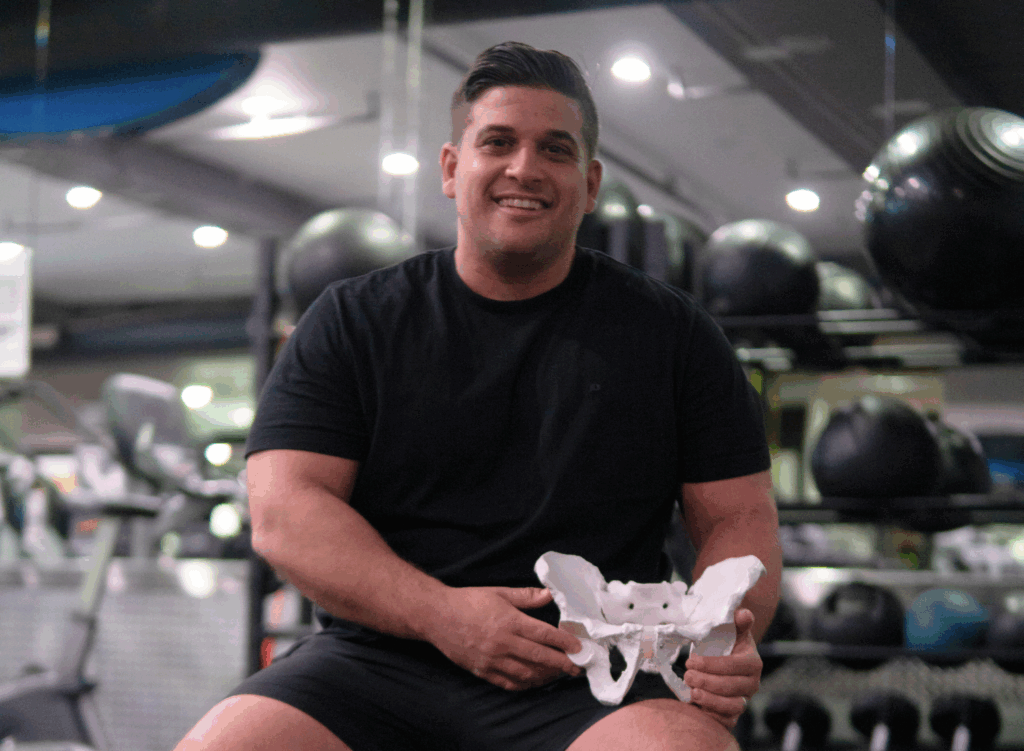
Pelvic floor exercises can help strengthen the muscles that control bowel movements. Stronger muscles improve bowel control and reduce leakage.
In some cases, doctors may recommend treatments such as:
- Sacral nerve stimulation
- Other nerve stimulation therapies
These treatments help regulate the nerves that control the bowel.
Emotional Support Matters
Living with bowel incontinence can feel isolating, but support is available. Talking with a healthcare provider or joining a support group can help people feel less alone and learn effective ways to manage symptoms.
With the right approach—combining diet, lifestyle changes, medical care, and pelvic floor therapy—many people can improve bowel control and regain confidence in their daily lives.
Working closely with a healthcare provider ensures a personalized treatment plan that supports long-term digestive health and overall well-being.
How the Pelvic Floor Controls Bowel Movements
The pelvic floor muscles act as a valve system:
- Support the rectum and bladder
- Maintain continence
- Coordinate relaxation during bowel movements
The nervous system plays a crucial role in coordinating the pelvic floor muscles and maintaining continence by controlling muscle contractions and sensory awareness in the rectal and anal region.
Dysfunction can lead to:
- Reduced rectal control
- Poor muscle coordination
- Increased urgency
Key insight: Strengthening and retraining these muscles is central to restoring bowel control.
Physical Therapy for Sudden Bowel Urgency
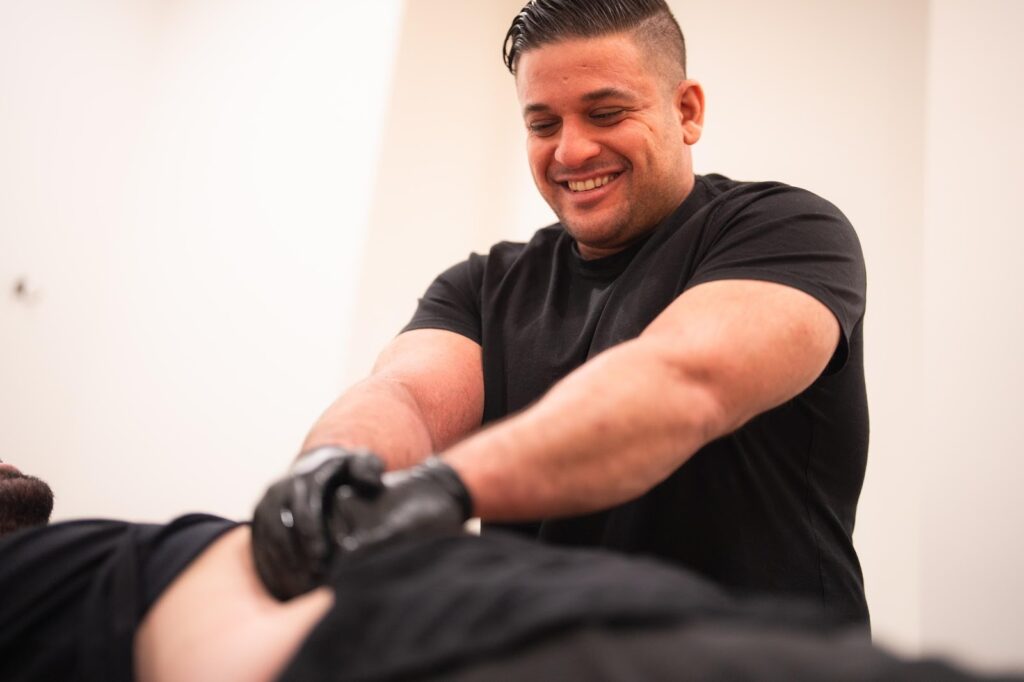
Pelvic floor physical therapy helps retrain muscles, improve coordination, and restore bowel control.
Pelvic Floor Muscle Training
- Strengthens rectal support muscles
- Improves the ability to delay bowel movements
- Can significantly improve fecal incontinence by strengthening the muscles responsible for bowel control
- Reduces urgency episodes
Tip: Supervised exercises show higher success than unsupervised training.
Biofeedback Therapy
- Uses sensors to teach muscle control
- Guides contraction and relaxation timing
- Improves coordination with breathing and core muscles
Evidence: Clinical Gastroenterology and Hepatology shows biofeedback significantly improves fecal urgency.
Breathing & Core Coordination
Restores synergy between:
- Diaphragm
- Abdominal muscles
- Pelvic floor
Benefit: Reduces strain and improves bowel control.
Bowel Habit Training
- Optimal bathroom posture
- Scheduled bowel routines
- Relaxation techniques during bowel movements
Goal: Reduce pelvic floor pressure and improve continence.
Nerve Stimulation Therapy
For persistent cases:
- Sacral nerve stimulation: A device implanted near the sacral nerves to improve bowel control
- Peripheral nerve stimulation: Electrodes stimulate anal sphincter nerves
Use: Usually after other therapies fail. Improves fecal incontinence and urgency.
Lifestyle Strategies to Reduce Urgency
- Identify Food Triggers – caffeine, dairy, spicy foods, artificial sweeteners
- Improve Gut Health – fiber-rich, probiotic diet
- Stay Hydrated – prevents hard stools
- Manage Stress – meditation, yoga, exercise, deep breathing
If lifestyle changes and pelvic floor therapy are not enough, doctors may recommend medical treatments to help manage bowel urgency or fecal incontinence.
Medications
Medications can help regulate bowel movements.
These may include:
- Anti-diarrheal medications to slow bowel movements
- Laxatives or stool softeners to treat constipation
Severe constipation can sometimes lead to impacted stool, where a large, hard stool becomes stuck in the rectum. In these cases, doctors may use enemas or rectal irrigation to remove the blockage.
Treating Underlying Digestive Conditions
If bowel urgency is caused by digestive conditions such as irritable bowel syndrome (IBS) or inflammatory bowel disease (IBD), treating the underlying condition can improve symptoms.
Some people may also develop rectal prolapse, where part of the rectum slips outside the anus. This condition may require specialized treatment.
Pelvic Floor Therapy and Biofeedback
Advanced pelvic floor therapy and biofeedback training are common treatments for fecal incontinence.
These therapies help patients:
- Strengthen the pelvic floor muscles
- Improve coordination between muscles and nerves
- Gain better control over bowel movements
Many patients experience significant improvement with guided therapy.
Electrical Nerve Stimulation
In some cases, doctors may recommend nerve stimulation therapy.
This treatment uses mild electrical signals to stimulate the nerves that control bowel function. It may help improve muscle control and reduce leakage.
Anal Plugs
Anal plugs are small devices placed in the anus to prevent stool leakage.
They expand slightly after insertion and help create a seal. Some people use them temporarily while working on other treatments.
Absorbent Pads
Some people use absorbent pads or incontinence products to manage occasional leakage.
These products can provide protection and confidence while undergoing treatment.
Surgery (Last Resort)
Surgery is usually considered only when other treatments have not worked.
One procedure is sphincteroplasty, which repairs damaged anal sphincter muscles by reconnecting the muscle edges.
Surgery may also be recommended for conditions such as rectal prolapse.
How Doctors Diagnose Fecal Incontinence
To understand the cause of bowel control problems, doctors may perform several tests.
These can include:
- Anal manometry – measures the strength of the anal sphincter muscles
- MRI scans – checks for structural problems
- Anal electromyography (EMG) – evaluates nerve and muscle function
These tests help doctors choose the most effective treatment.
Why Men Often Overlook Pelvic Floor Health
Many assume pelvic floor therapy is only for women. Men benefit equally, especially for:
- Bowel urgency
- Fecal incontinence
- Chronic constipation
- Pelvic pain
- Urinary incontinence
Proper therapy improves digestive control, core strength, and athletic performance.
How Pelvis NYC Helps
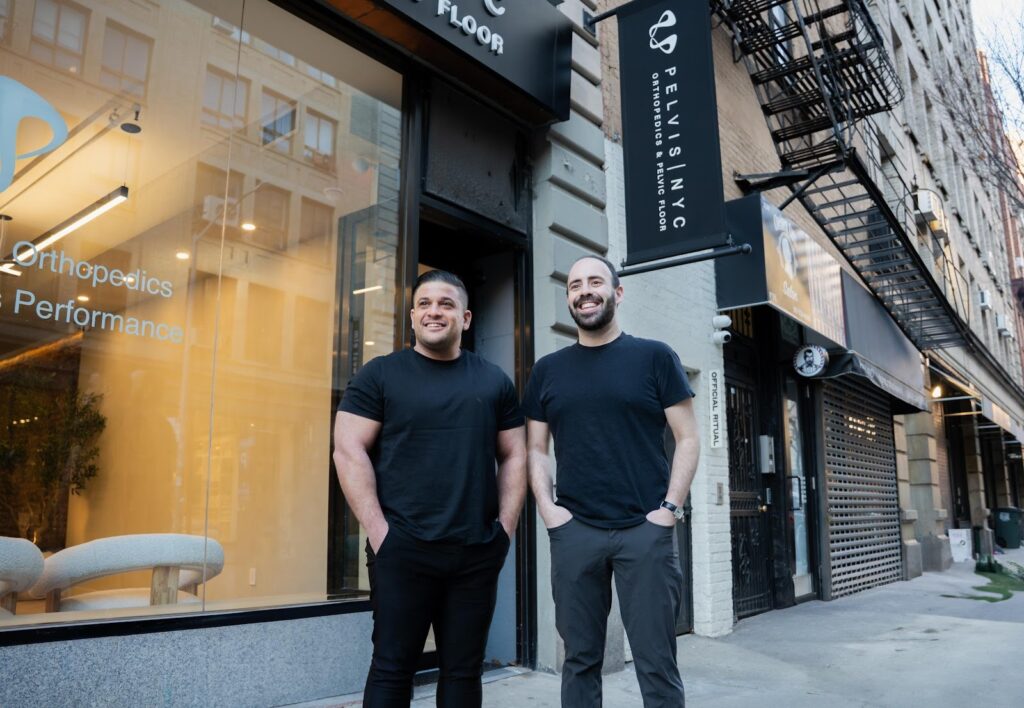
Pelvis NYC specializes in male pelvic floor physical therapy:
- Comprehensive pelvic floor evaluation
- Biofeedback therapy
- Core and breathing coordination
- Lifestyle and dietary guidance
👉 If you experience sudden bowel urgency or loss of control, schedule a consultation with Pelvis NYC to regain confidence and control.
Frequently Asked Questions
Q1: Why do I suddenly feel like I need to poop immediately?
A: Sudden bowel urgency occurs when rectal signaling or pelvic floor coordination is disrupted. It may indicate fecal incontinence or pelvic floor dysfunction. An unexpected and urgent need to use the bathroom can also be caused by an overactive bladder, urinary tract infections (UTIs), or irritation from certain foods. Overactive bladder (OAB) occurs when bladder muscles contract involuntarily, creating a sudden urge to urinate. Certain medications, including diuretics, can increase urine production and contribute to urinary urgency. Nerve damage from conditions like diabetes or stroke can interrupt signals between the brain and bladder.
Q2: Can stress trigger sudden bowel urgency?
A: Yes. Stress affects gut-brain signaling, increasing intestinal contractions and urgency.
Q3: Is sudden bowel urgency normal?
A: Occasional urgency is common due to diet or stress, but frequent episodes may signal digestive or pelvic floor issues.
Q4: Can pelvic floor therapy help?
A: Yes. Pelvic floor therapy strengthens and retrains muscles that control bowel movements, reducing urgency and improving continence.
Q5: When should I see a doctor?
A: Seek medical evaluation for persistent urgency, blood in stool, chronic diarrhea, unexplained weight loss, or severe abdominal pain. During diagnostic procedures like endoscopy, patients may feel uncomfortable, but sedation can be offered to help you relax. Fecal incontinence is diagnosed through clinical assessments, symptom evaluation, and tests such as anal manometry, MRI, or anal electromyography to identify nerve or structural issues.
Key Takeaway
A sudden urge to poop is often treatable. Causes include:
- Digestive irritation
- IBS
- Pelvic floor dysfunction
- Stress
- Food sensitivities
Pelvic floor therapy is a highly effective, non-invasive solution for restoring bowel control and improving quality of life.
Experts estimate 1 in 12 adults experiences fecal incontinence, highlighting the importance of early evaluation.