Therapy for Urinary Incontinence: Know How Pelvic Floor Therapy Works
Therapy for Urinary Incontinence: Know How Pelvic Floor Therapy Works
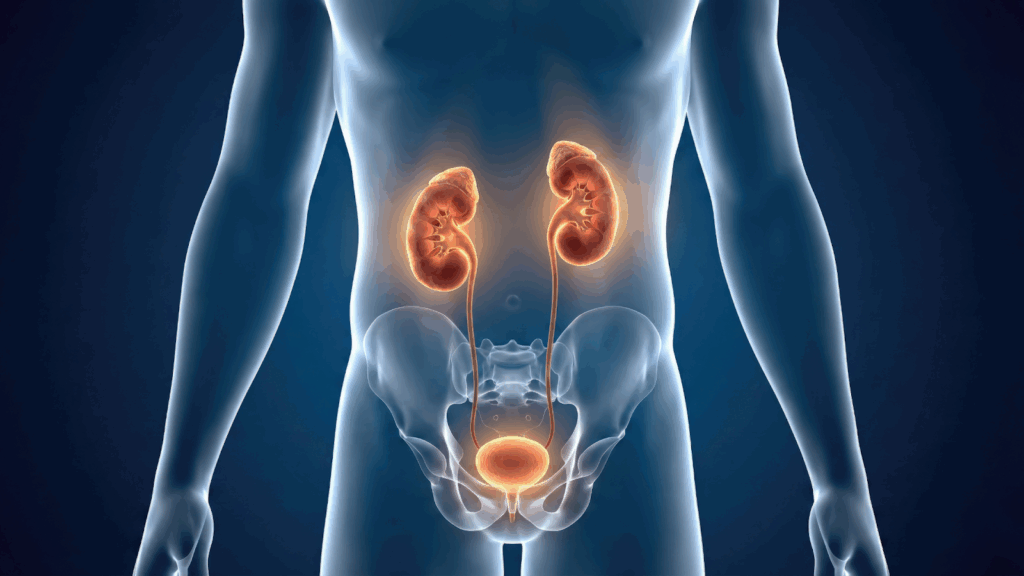
What Is the Best Therapy for Urinary Incontinence?

The most effective therapy for urinary incontinence depends on the type of leakage, but pelvic floor physical therapy and bladder training are considered first-line treatments for most cases. Less invasive treatments are typically tried before considering invasive treatments such as surgery or advanced diagnostic procedures. Research consistently shows that pelvic floor muscle training significantly improves bladder control in both men and women. 

Behavioral therapies are often non-invasive and lack side effects. Surgery and minimally invasive procedures are typically reserved for moderate to severe cases when conservative therapy isn’t enough. Examples of behavioral therapies and lifestyle changes include fluid management, quitting smoking, and reducing caffeine or alcohol to help manage urinary incontinence symptoms.

Now let’s break down what actually works — and how to know what’s right for you.


What Is Urinary Incontinence?

Urinary incontinence is the involuntary leakage of urine. It affects an estimated 25–45% of women and up to 16% of men under age 60, according to research published in European Urology. It’s common — but it’s not “normal” and it’s very treatable.

Bladder control problems can range from occasional leakage during exercise to sudden, intense urges that are difficult to control.

There are different types, and treatment depends on which one you have.


Types of Urinary Incontinence

Understanding the type of leakage is critical because treatment for urinary incontinence is not one-size-fits-all.

1. Stress Urinary Incontinence (SUI)

Stress urinary incontinence happens when urine leaks during pressure activities like:

  • Coughing
  • Sneezing
  • Running
  • Jumping
  • Lifting

It’s often linked to weakened pelvic floor muscles. Kegel exercises are especially effective for stress incontinence but may also help with urge incontinence.

Common in:

  • Postpartum women
  • Women after multiple pregnancies
  • Men after prostate surgery

Medical interventions to treat stress incontinence include minimally invasive procedures such as injections of bulking agents. Urethral bulking injections involve injecting a gel-like substance around the urethra to help it stay closed and reduce leaks.

2. Urge Incontinence (Overactive Bladder)

Urge incontinence is associated with an overactive bladder, where you feel a sudden, strong urge to urinate that’s hard to delay. The clinical term for this condition is overactive bladder syndrome.

Symptoms include:

  • Frequent urination
  • Waking at night to urinate
  • Sudden leakage before reaching the bathroom

This is often related to nervous system signaling and bladder sensitivity. Medications for urge incontinence, such as Mirabegron and Oxybutynin, work by relaxing the bladder muscle to reduce urgency and frequency. Another class of medications, anticholinergics, also help relax the bladder muscle and are commonly used in the treatment of urinary incontinence.

3. Mixed Incontinence

A combination of stress urinary incontinence and urge incontinence. Bladder training and vaginal estrogen therapy are effective treatment options for urge and mixed incontinence, helping to alleviate symptoms such as urgency and frequency.

Why Physical Therapy Is Often the First Treatment

Major medical organizations, including the American Urological Association and the American College of Obstetricians and Gynecologists, recommend conservative therapy first. Consulting a physical therapist or pelvic floor physical therapist can help guide therapy for urinary incontinence and ensure pelvic floor muscle exercises are performed correctly.

Pelvic floor physical therapy works because urinary control depends on:

When these systems are optimized, leakage often improves significantly — without surgery.

How Pelvic Floor Muscle Training Helps

Pelvic floor muscle training (PFMT) strengthens and retrains the muscles that support the bladder and urethra.

But here’s what many people don’t realize:

It’s not just about doing Kegels.

Effective therapy includes:

  • Proper muscle identification
  • Coordination training
  • Relaxation training (for urge symptoms)
  • Functional integration (during exercise, coughing, lifting)
  • Pelvic floor muscle exercises such as Kegel exercises

Kegel exercises involve repeated muscle contractions to strengthen the muscles that control urination. You don’t need special equipment for Kegel exercises, but biofeedback can help ensure they are done correctly.

A 2018 Cochrane Review found that women with stress urinary incontinence were 8 times more likely to report cure or improvement after supervised pelvic floor muscle training compared to no treatment.

That’s powerful evidence.

What Happens in Pelvic Floor Physical Therapy?

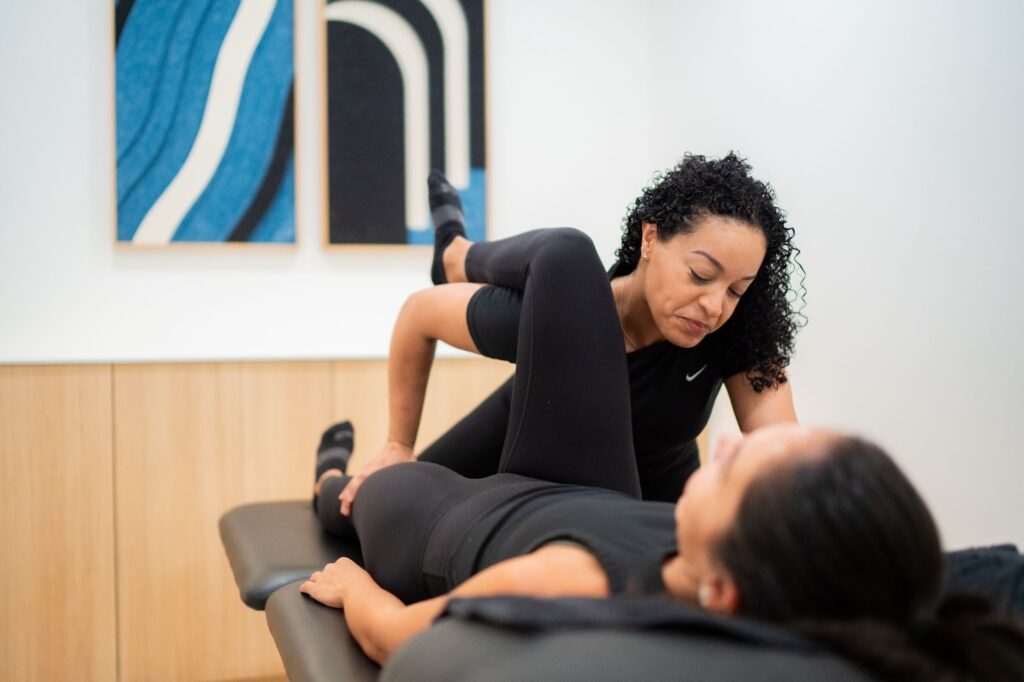
During your first visit, a pelvic floor therapist will:

  • Review your symptoms and history
  • Assess posture, breathing, and core control
  • Evaluate pelvic floor muscle strength and coordination
  • Create a customized treatment plan

Treatment may include:

  • Biofeedback
  • Manual therapy
  • Bladder training
  • Core strengthening
  • Behavioral strategies

For men and women aged 21–48, this is often enough to restore control without invasive intervention.


Bladder Training: Rewiring the Urge

Bladder training is especially effective for overactive bladder and urge incontinence.

It involves:

  1. Timed voiding
  2. Gradual delay techniques
  3. Urge suppression strategies
  4. Nervous system calming exercises

Bladder training helps individuals gradually increase the time between bathroom visits to improve bladder control. A key part of this therapy is to delay urination, which allows the bladder to hold more urine over time. By practicing these techniques, bladder training can help manage urinary incontinence by gradually increasing the time between bathroom trips.

The goal is to teach the bladder to tolerate filling again.

Many patients see improvement within 6–8 weeks.

Alternative Treatment Options for Urinary Incontinence

While conventional therapies like pelvic floor muscle training and bladder retraining are highly effective for most people, some individuals look for additional or alternative ways to manage urinary incontinence. Whether you’re dealing with stress incontinence, overactive bladder, or urge incontinence, exploring a range of treatment options can help you find the best approach for your lifestyle and needs.

Lifestyle modifications are often the first step. Maintaining a healthy weight, quitting smoking, and managing chronic cough can reduce pressure on the bladder and pelvic floor, helping to prevent urine leakage. For some, adjusting fluid intake—such as limiting caffeine, alcohol, and carbonated drinks—can minimize bladder irritation and reduce symptoms of overactive bladder.

Dietary changes may also play a role. Some people find that avoiding spicy foods, artificial sweeteners, or acidic fruits helps control urge incontinence and bladder sensitivity. Keeping a bladder diary can help identify personal triggers and patterns.

Herbal remedies and supplements like pumpkin seed extract, corn silk, and magnesium have been explored for bladder health, though scientific evidence is still emerging. Always consult a healthcare professional before starting any supplement, as interactions and side effects are possible.

Acupuncture and other mind-body therapies, such as yoga and meditation, have shown promise in small studies for improving bladder control and reducing urgency incontinence. These approaches may help by calming the nervous system and supporting pelvic floor relaxation.

Electrical stimulation devices for home use are available in some regions, offering gentle stimulation to the pelvic floor muscles to improve strength and coordination. These are less invasive than surgical procedures but should be used under the guidance of a health care professional.

While alternative treatments can complement standard care, it’s important to discuss any new therapy with your provider to ensure it’s safe and appropriate for your specific type of urinary incontinence. Combining these options with evidence-based therapies can help you regain confidence and improve your bladder health.

When Conservative Therapy Isn’t Enough

While physical therapy is highly effective, some cases require additional treatment options. If conservative therapy is not effective, other treatments such as medications or surgical options may be considered to treat incontinence. In certain cases where other treatments have failed, a healthcare provider may suggest surgery to address urinary incontinence or related bladder issues.

Minimally Invasive Procedures

For stress urinary incontinence in women, a sling surgery may be recommended. This procedure supports the urethra to prevent leakage during pressure. Sling surgery is a common surgical procedure used to treat stress incontinence in women, and surgical procedures for urinary incontinence may involve synthetic mesh slings to support the urethra. Sling surgery is considered an invasive treatment option.

For men with severe post-prostatectomy incontinence, an artificial urinary sphincter may be considered.

These procedures are typically reserved for:

  • Severe cases
  • Failed conservative therapy
  • Significant quality-of-life impairment

Overflow incontinence may require different interventions, such as catheterization or surgery to remove blockages or widen the urethra.

They are not first-line treatments for most people in their 20s, 30s, or 40s.

Comparing Treatment Options

TreatmentBest ForInvasivenessFirst-Line?
Pelvic Floor Muscle TrainingStress & MixedNon-invasiveYes
Bladder TrainingUrge IncontinenceNon-invasiveYes
MedicationOveractive BladderModerateSometimes
Sling SurgerySevere Stress UISurgicalNo
Artificial Urinary SphincterSevere Male UISurgicalNo

Urinary Incontinence in Women vs Men

Urinary Incontinence in Women

More common due to:

  • Pregnancy
  • Vaginal delivery
  • Hormonal changes (Topical estrogen is used for postmenopausal women to strengthen urethral and vaginal tissues.)
  • Connective tissue differences

Vaginal estrogen therapy may improve bladder and vaginal tissue health in postmenopausal women, helping to reduce urinary incontinence symptoms.

A pessary is a soft, plastic device inserted into the vagina to help support the bladder and reduce leaks in women with stress incontinence.

Stress urinary incontinence is especially prevalent postpartum.

Urinary Incontinence in Men

More common after:

  • Prostate surgery
  • Nerve injury
  • Aging-related changes

An enlarged prostate can obstruct urine flow, leading to symptoms such as dribbling, urgency, and overflow incontinence.

Men often benefit greatly from pelvic floor muscle training but are less likely to seek early care.

Common Myths About Bladder Control Problems

Myth #1: It’s just aging.
No. While risk increases with age, leakage is treatable.

Myth #2: Kegels fix everything.
Incorrect technique can worsen symptoms.

Myth #3: Surgery is inevitable.
Most people improve with therapy alone.


Case Example

A 34-year-old postpartum patient with stress urinary incontinence saw complete resolution after 10 weeks of supervised pelvic floor muscle training and bladder retraining.

A 42-year-old male with urge incontinence improved frequency from 15 times daily to 7 through bladder training and nervous system regulation.

These are not rare outcomes — they’re typical when therapy is done correctly.


When Should You Seek Treatment for Urinary Incontinence?

You should seek care if:

  • Leakage happens more than once a week
  • You avoid exercise due to fear of leaking
  • You feel sudden, uncontrollable urges
  • Leakage affects intimacy or confidence

Leaking urine can occur for a variety of reasons, including functional incontinence. Functional incontinence happens when a person is unable to reach the bathroom in time due to physical or cognitive limitations.

Early therapy improves outcomes significantly.

Why Choose Pelvis NYC for Therapy for Urinary Incontinence?

At Pelvis NYC, we specialize in evidence-based pelvic floor physical therapy for bladder control problems in both men and women.

Our approach includes:

  • Comprehensive initial evaluation
  • Individualized pelvic floor muscle training
  • Bladder training programs
  • Trauma-informed, respectful care
  • Non-invasive treatment-first philosophy

We work collaboratively to reduce leakage, improve confidence, and restore normal daily function.

👉 Schedule a consultation with Pelvis NYC today to start your personalized treatment plan.


Frequently Asked Questions

What is the best therapy for urinary incontinence?

Pelvic floor physical therapy and bladder training are first-line treatments for most types.

Can pelvic floor muscle training cure stress urinary incontinence?

Many patients experience full resolution or significant improvement with supervised training.

What is the difference between stress and urge incontinence?

Stress incontinence occurs with pressure; urge incontinence involves sudden, strong urges.

When is sling surgery recommended?

Typically, for moderate to severe stress urinary incontinence that doesn’t improve with therapy.

Can men benefit from pelvic floor therapy?

Yes. Especially after prostate surgery or with overactive bladder symptoms.


Final Takeaway

Therapy for urinary incontinence should start conservatively, focus on pelvic floor muscle training and bladder retraining, and escalate only when necessary. Most men and women between 21–48 can significantly improve — often without medication or surgery.

Bladder control problems are common. They are not embarrassing. And they are treatable.

Do They Finger You During Pelvic Floor Therapy?

Do They Finger You During Pelvic Floor Therapy?

The Short Answer

Sometimes, pelvic floor therapy includes an internal pelvic floor exam using a gloved finger, but only when clinically appropriate and only with your informed consent. This internal exam is different from a gynecological exam—it focuses on assessing muscle function rather than reproductive organs, and does not involve instruments like speculums. It is never mandatory, never sexual, and there are always alternatives if you’re uncomfortable. Pelvic floor therapy sessions are conducted in a private treatment room to ensure confidentiality and comfort. Many patients receive effective pelvic floor therapy without any internal work at all.

Now, let’s break down why the question ‘do they finger you during pelvic floor therapy’ comes up, what actually happens, and what you can expect during your first visit.

Why People Ask: “Do They Finger You During Pelvic Floor Therapy?”

This is one of the most common — and least clearly explained — questions people search for before starting pelvic floor therapy.

Most patients aren’t worried about pain; they’re worried about:

  • Embarrassment
  • Loss of control
  • Not knowing what will happen
  • Whether internal touch is required

The lack of clear, plain-language explanations online leads to anxiety. This article aims to address that.


What Is Pelvic Floor Therapy?

Pelvic floor therapy (also called pelvic floor physical therapy or floor therapy) is a specialized form of physical therapy that treats muscle tension, weakness, coordination issues, and pain in the pelvic region.

It’s commonly used for:

  • Pelvic pain
  • Pain with sex
  • Urinary or bowel symptoms
  • Difficulty with bowel movements
  • Erectile dysfunction
  • Postpartum or post-surgical recovery
  • Chronic muscle tension

Pelvic floor therapy addresses a full range of pelvic floor disorders and pelvic floor issues, providing comprehensive care for various pelvic health concerns.

Like orthopedic physical therapy, pelvic floor therapy focuses on muscles, nerves, and connective tissue — just in a more private area of the body.

What Is an Internal Pelvic Floor Exam?

An internal pelvic floor exam (also referred to as an internal exam or pelvic exam) is a clinical assessment in which a licensed pelvic floor physical therapist may insert one gloved, lubricated finger into the vaginal canal or rectum to gently evaluate the internal pelvic floor muscles.

This allows the therapist to assess:

  • Muscle tension or spasm
  • Strength and endurance
  • Coordination (can the muscle relax when asked?)
  • Trigger points contributing to pain

During the assessment, the therapist may gently introduce a finger at the vaginal opening to evaluate muscle tone and function. This internal exam is often performed during the initial consultation and is important for developing an accurate, individualized treatment plan.

It is manual therapy, similar in purpose to how a shoulder or hip might be examined externally.


Is Internal Pelvic Floor Therapy the Same as “Being Fingered”?

No — and this distinction matters.

Internal pelvic floor work is:

  • Medical
  • Structured
  • Goal-oriented
  • Slow and communicative

It is different from a gynecological exam, as it focuses on assessing muscle function rather than reproductive organs, and is designed to be gentle and patient-centered.

It is not sexual, not rushed, and not performed without explanation. Therapists describe what they’re doing, why they’re doing it, and check in continuously.

If the language online feels confusing, it’s because clinical care has been poorly explained — not because something inappropriate is happening.


When Is Internal Work Clinically Helpful?

Internal pelvic floor muscle assessment may be helpful when symptoms suggest:

  • Deep muscle tension
  • Pain not reproduced with external palpation
  • Difficulty relaxing the pelvic floor
  • Persistent symptoms despite other treatments
  • Muscle spasms
  • Overactive bladder

Examples include:

  • Chronic pelvic pain
  • Vaginismus or pain with penetration
  • Certain cases of erectile dysfunction
  • Pain that worsens with sitting or stress

Therapists may perform internal exams to evaluate issues such as muscle spasms and an overactive bladder, allowing them to tailor treatment to your specific needs.

That said, internal work is a tool — not a requirement.

When Internal Therapy Is Not Necessary

Many patients improve without any internal treatment at all.

External approaches may include:

  • External palpation of hips, abdomen, glutes, and thighs
  • Breathing and nervous system regulation
  • Postural and movement retraining
  • Manual therapy to the surrounding tissues
  • Treatment of related orthopedic issues

Therapists may also use other techniques to assess and treat pelvic floor issues, ensuring a comprehensive and individualized approach.

A skilled therapist builds a plan around your comfort level and goals.

What Happens During the First Visit?

Your first appointment almost always focuses on conversation and assessment — not treatment.

  • The initial evaluation may include a physical exam to assess pelvic floor strength, tension, and coordination.

During the initial visit, the therapist will review your medical history and ask about your health and behaviors that may impact your condition.

The comfort of patients is a priority, and therapists will work at a pace that feels comfortable for each individual.

The initial evaluation typically includes:

  • Medical history and symptoms
  • Discussion of goals and concerns
  • Explanation of pelvic floor anatomy
  • External movement and posture assessment

Internal work is never sprung on you. If it’s suggested, it’s discussed first — and often deferred to a later session.


Orthopedic Issues and Pelvic Floor Therapy

Orthopedic issues and pelvic floor health are closely connected—often more than people realize. Your pelvic floor muscles don’t work alone. They are part of a larger system that includes your hips, lower back, abdominal wall, and pelvis. When problems occur in any of these areas, they can affect how your pelvic floor functions.

Conditions such as hip pain, lower back pain, tailbone pain, or pelvic organ prolapse can place extra strain on the pelvic floor. Over time, this can lead to weakness, tension, or poor coordination of these muscles.

Looking at the Whole Body

A pelvic floor physical therapist always looks at the body as a whole. During your initial evaluation, your therapist will assess:

  • Posture and pelvic alignment
  • How you move during daily activities
  • Strength, flexibility, and muscle tone in the hips, glutes, thighs, and abdominal wall

Orthopedic issues in one area can create or worsen pelvic floor dysfunction elsewhere, which is why a full-body assessment is so important.

Personalized Treatment Approach

Treatment is tailored to your specific needs. Depending on your symptoms, your therapist may use:

  • Manual therapy, such as massage, joint mobilization, or soft tissue work to reduce tension and improve mobility
  • Targeted exercises to strengthen the pelvic floor, improve posture, and support better movement patterns
  • Education on proper body mechanics and habits that protect your pelvic health

These strategies work together to reduce pain, restore function, and prevent symptoms from returning.

When More Specialized Care Is Needed

In some cases—such as ongoing tailbone pain or pelvic organ prolapse—a more in-depth treatment plan may be recommended. This can include an internal pelvic floor exam to check for muscle weakness, tightness, or trigger points that can’t be identified externally.

If internal therapy is suggested, your therapist will explain the purpose, discuss all options, and ensure you feel comfortable and informed throughout the process.

Do You Have to say yes to “Do they finger you during pelvic floor therapy?”

No. Always no.

You have the right to:

  • Decline internal therapy
  • Ask for alternatives
  • Stop at any point
  • Ask questions before and during treatment

Informed consent is a core requirement of pelvic floor physical therapy and professional licensing standards.

A therapist who pressures you is not practicing appropriately.


What Does Internal Manual Therapy Feel Like?

Most patients describe it as:

  • Mild pressure
  • Stretching
  • Awareness of muscles they didn’t know existed

It should not be painful. Discomfort is a signal to pause, adjust, or stop.

Therapists work within your tolerance, just like any other form of physical therapy.


How Muscle Tension Plays a Role

A common misconception is that pelvic floor problems are always about weakness.

In reality, muscle tension is often the bigger issue.

Tight pelvic floor muscles can:

  • Mimic weakness
  • Cause pain
  • Disrupt bladder, bowel, or sexual function

During a pelvic floor assessment, therapists evaluate the pelvic muscles, which are crucial for supporting pelvic organs, controlling urination and bowel movements, and contributing to sexual function and pelvic stability. Pelvic floor therapists perform assessments to evaluate muscle strength, tone, and coordination.

Internal assessment can help identify tension patterns that aren’t visible externally — but again, it’s only one option.

How This Compares to Other Physical Therapy

Think of it this way:

Area TreatedTypical PT Approach
ShoulderManual therapy + exercises
HipExternal palpation + movement
Pelvic floorExternal and/or internal assessment

The pelvic floor isn’t “special” because it’s sexual — it’s just anatomically internal.


Addressing Common Fears

“Is it awkward?”
At first, maybe. Therapists are trained to make it professional and calm.

“Is it embarrassing?”
Many patients feel that way initially — and almost all say it fades quickly.

“What if I have trauma?”
You should always disclose this. Trauma-informed care prioritizes safety and control.


Frequently Asked Questions (Schema-Ready)

Do they finger you during pelvic floor therapy?
Sometimes, but only if clinically appropriate and only with your consent.

Is an internal pelvic floor exam required?
No. Many patients improve without internal treatment.

What happens at the first pelvic floor therapy session?
Mostly conversation, education, and external assessment.

Can I refuse internal pelvic floor therapy?
Yes. You can decline at any time without affecting your care.

Is internal pelvic floor therapy painful?
It should not be. Discomfort should always be addressed immediately.


Final Takeaway

Pelvic floor therapy is medical care — not something to fear or feel embarrassed about. Internal pelvic floor exams are one optional tool among many, used thoughtfully, respectfully, and only with your consent. The best outcomes happen when patients feel informed, empowered, and in control of their care.

Ready to Talk to a Pelvic Floor Specialist You Can Trust?

If you’re considering pelvic floor therapy but still have questions or concerns, you’re not alone — and you don’t have to figure this out by yourself.

Pelvis NYC is a specialized pelvic floor physical therapy clinic serving men and women with a compassionate, evidence-based, and consent-first approach. Their therapists take time to explain every step, respect your boundaries, and tailor treatment to your comfort level — whether that includes internal therapy or not.

Why Patients Choose Pelvis NYC:

  • Dr. Samantha Vargas, a licensed pelvic floor physical therapist with advanced training
  • Trauma-informed, patient-led care
  • Clear explanations and fully informed consent
  • Non-invasive optionsare always discussed first
  • Experience treating pelvic pain, muscle tension, and sexual health concerns

📅 In-person and personalized care

👉 Schedule a consultation with Pelvis NYC to get answers, clarity, and a plan that feels right for you.

(Internal pelvic floor therapy is never required — your care is always collaborative.)