The truth is, that what you eat can either promote or hinder healthy bowel movements. And as we all know, irregularity and discomfort can be a real pain in the you-know-what. But don’t worry, there are ways physical therapy can help in promoting diet on your bowel health! Through specific exercises and techniques and a dietary plan, we can work together to improve bowel health and get you feeling your best.
In this post, we’ll dive into the link between diet and bowel health, as well as some actionable steps you can take to manage bowel issues. Plus, I’ll share how physical therapy can play a role in supporting your overall bowel health.
Let’s get started!
The Importance of Diet on Bowel Health
Being a physical therapist allows me to see patients who struggle with bowel problems like constipation, diarrhea, and fecal incontinence. Eating a healthy, balanced diet can help regulate bowel movements, promote healthy gut bacteria, and reduce the risk of bowel problems. Foods that are high in fiber, like fruits, vegetables, and whole grains, can help promote healthy bowel movements.
However, not everyone can tolerate high-fiber diets, and some may have other dietary restrictions. This is where physical therapy comes in.
Importance of a balanced diet on bowel health
The Role of Physical Therapy in Bowel Health
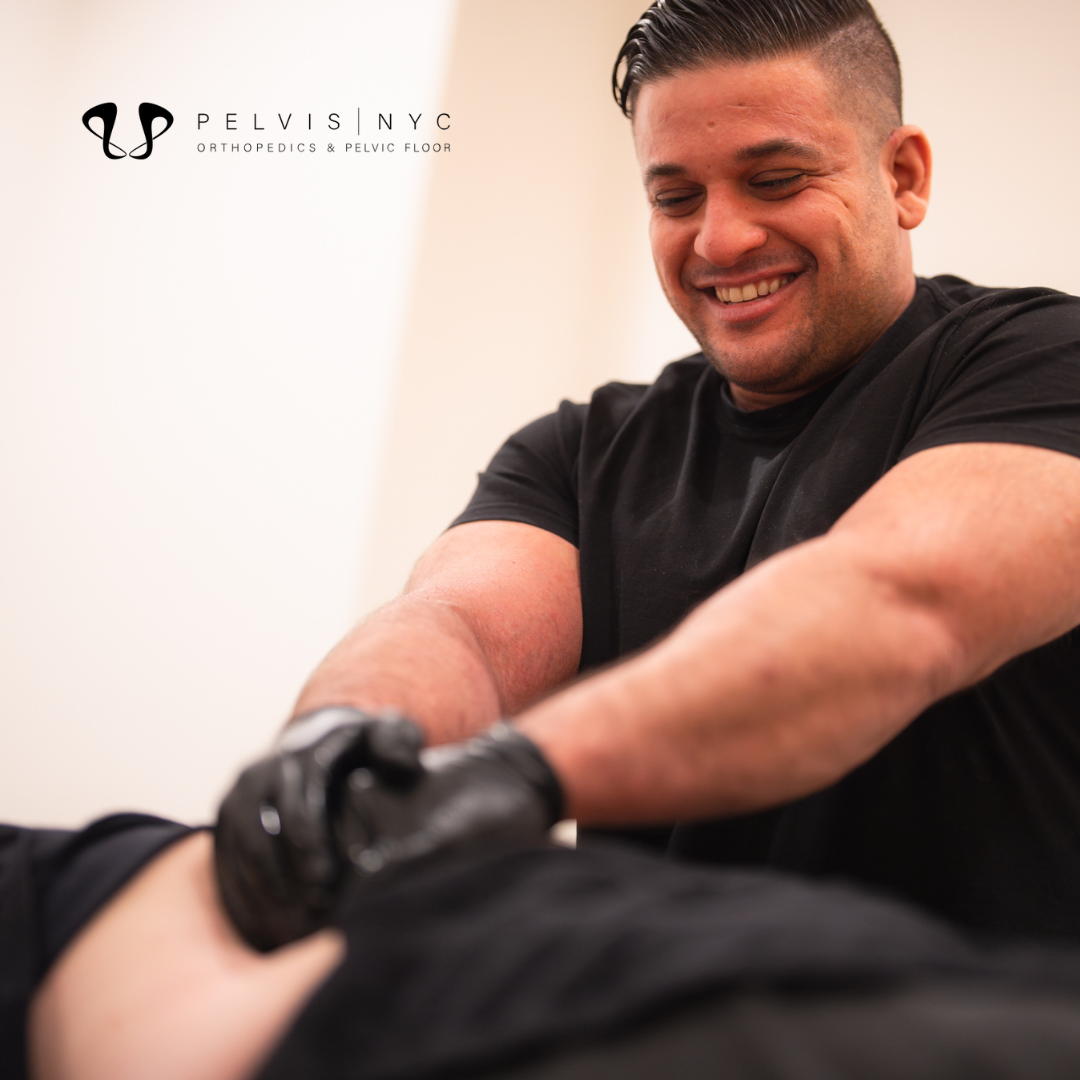
Physical therapy can play a significant role in improving bowel health. A physical therapist like me can work with patients with bowel problems through various techniques, including pelvic floor muscle exercises, biofeedback, and abdominal massage. These techniques help to improve muscle strength and coordination, reduce pain and discomfort, and promote better bowel movements. I can also teach patients pelvic floor exercises, which can help improve muscle tone and reduce the risk of fecal incontinence.
Pelvic Floor Muscle Exercises
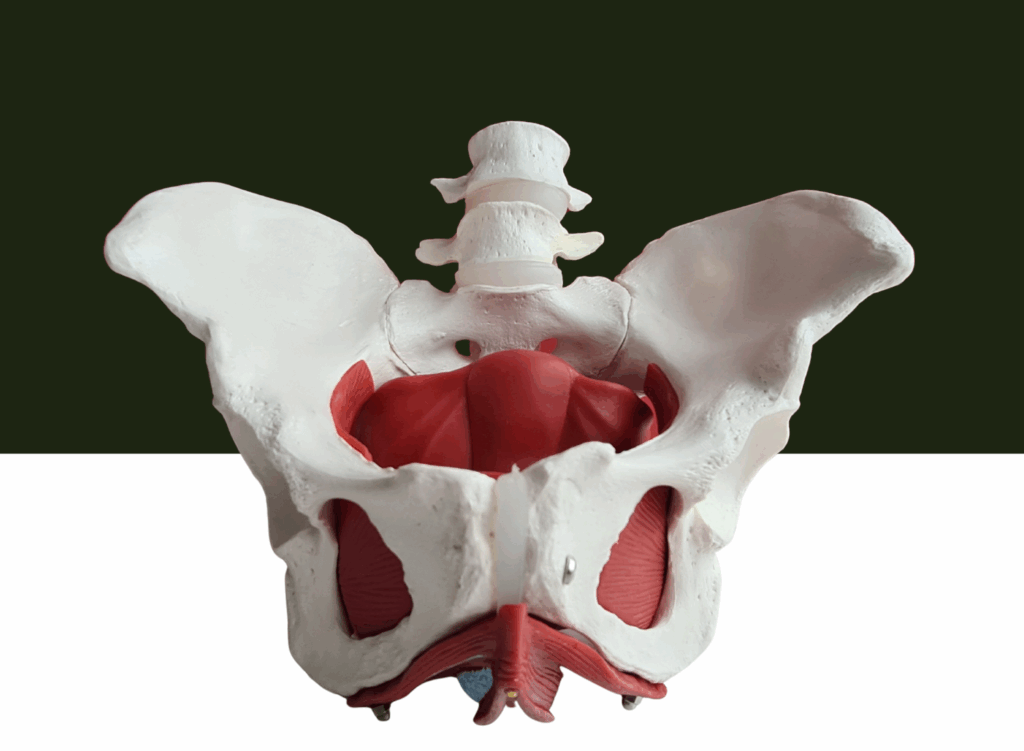
Pelvic floor muscle exercises, also known as Kegel exercises, are a highly effective way to help strengthen the muscles that control bowel movements. The exercises involve contracting and relaxing the pelvic floor muscles, which can help improve muscle tone and reduce the risk of bowel incontinence.
Pelvic floor exercises
Biofeedback
Biofeedback is another useful technique that I use. This help patients become more aware of their body’s responses to certain stimuli. In the case of bowel problems, biofeedback can help patients become more aware of their bowel movements and learn how to better control them.
Abdominal Massage
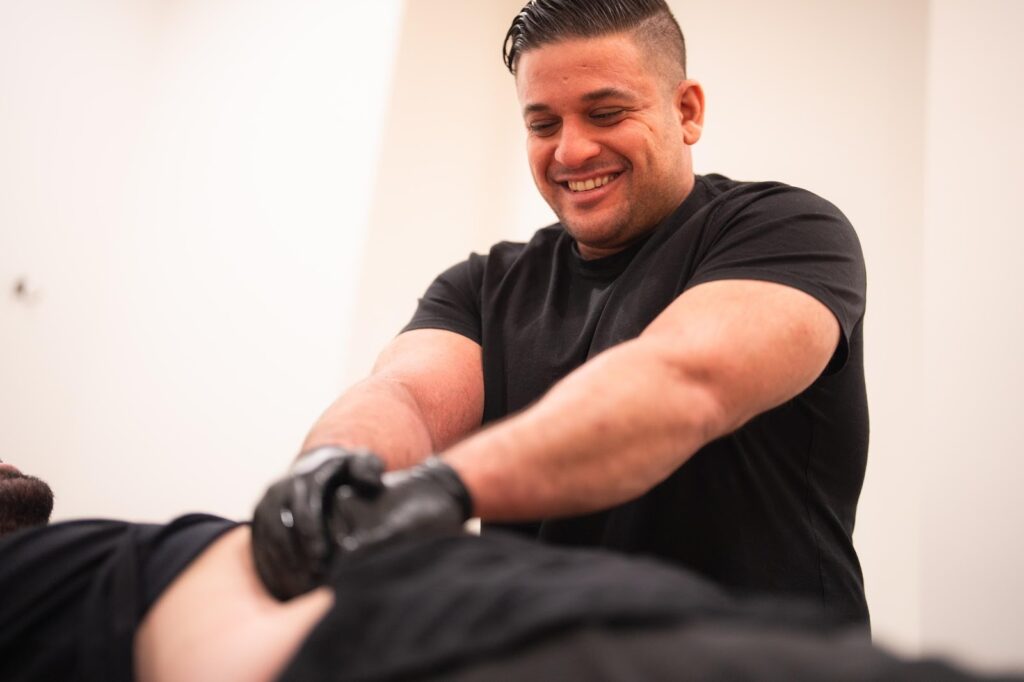
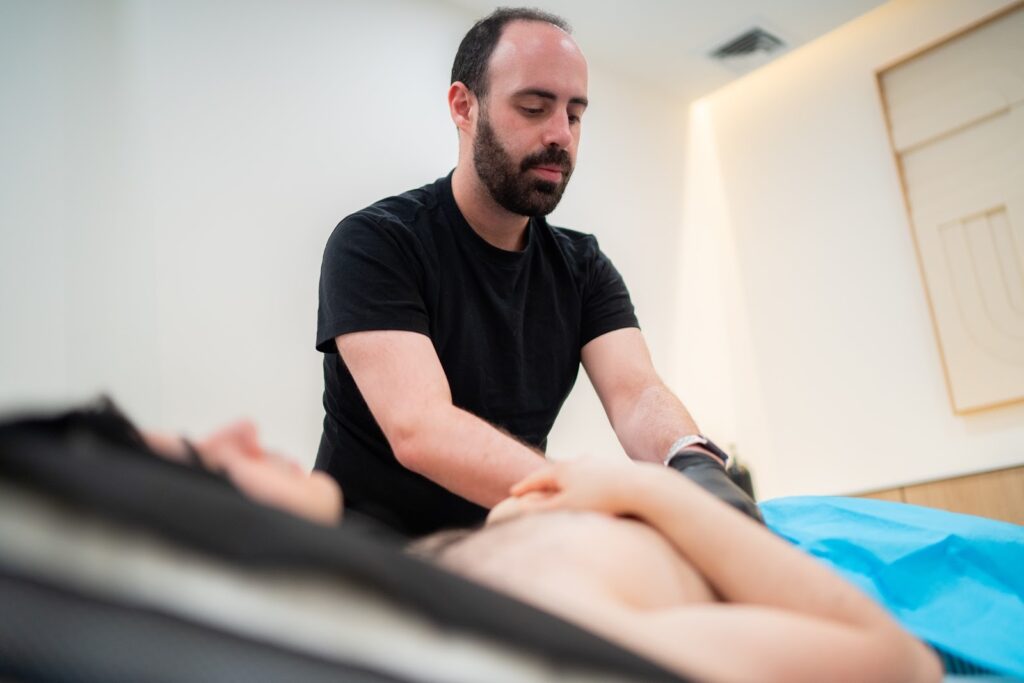
Abdominal massage is a technique used by physical therapists to help stimulate the digestive system and promote healthy bowel movements. This technique involves massaging the abdomen in a specific pattern to help stimulate the muscles of the digestive tract. The massage may also help to relieve constipation, gas, and bloating.
Conclusion:
It’s essential to consume a well-balanced diet like high in fiber, fruits, and vegetables to promote healthy bowel movements. As for physical therapy, I can work with you to stimulate your bowel and teach you pelvic floor exercises that can help improve your bowel function. Together, we can create a personalized plan that fits your unique needs and goals. By committing to these lifestyle changes and working with me, you can improve your bowel health and enhance your overall quality of life. Don’t hesitate to reach out at www.pelvis.nyc for guidance and support!
A sudden urge to poop—known as fecal urgency—is when you feel an immediate need to have a bowel movement and struggle to hold it. Fecal incontinence, also called bowel incontinence, refers to the loss of control over bowel movements. For many men, this happens occasionally due to diet, stress, or digestive changes. However, frequent urgency may signal pelvic floor dysfunction, digestive disorders, or bowel control problems.
Bowel incontinence is a symptom of an underlying problem or medical condition. While bowel movements are a normal part of health, fecal incontinence is not a normal part of aging, even though it becomes more common as people get older. The good news: with proper evaluation and targeted therapy, especially pelvic floor physical therapy, most men regain control and improve quality of life.
What Does a Sudden Urge to Poop Mean?
A sudden urge occurs when the rectum fills quickly, or the pelvic floor muscles fail to coordinate with the bladder and bowel. The lower bowel, which includes the rectum and colon, is the anatomical area involved in this process. Normally:
The rectum senses stool
Pelvic floor muscles tighten to hold it
The brain signals the right time to go
Disruption in this system—caused by digestive irritation, muscle weakness, or nerve dysfunction—can lead to urgent, unpredictable bowel movements. A sudden, urgent need to poop is often caused by a strong gastrocolic reflex, food intolerances, stress, infections, or conditions like IBS and IBD.
A strong gastrocolic reflex—the natural signal for the colon to empty after eating, often triggered by fatty or spicy meals—can also cause urgency. For men ages 21–48, urgency often stems from lifestyle factors, pelvic floor issues, or digestive health.
Tracking trigger foods can help identify dietary intolerances that cause bowel urgency.
Common Causes of Sudden Bowel Urgency in Men
1. Digestive System Irritation
Certain foods can increase intestinal motility:
Spicy foods
High-fat meals
Artificial sweeteners
Alcohol
Caffeine
Tip: Keep a food diary to identify triggers and reduce bowel urgency.
2. Irritable Bowel Syndrome (IBS)
IBS affects gut-brain signaling and can cause:
Sudden urge to poop
Abdominal cramping
Bloating
Diarrhea or constipation
Urgency after meals
IBS is one of the most common bowel problems affecting adults.
Fact: IBS affects 10–15% of adults worldwide (American College of Gastroenterology).
3. Pelvic Floor Dysfunction
The pelvic floor muscles support the rectum and control bowel movements. Dysfunction can cause:
Difficulty holding stool
Sudden urgency
Incomplete bowel movements
Fecal leakage
Muscle damage or problems with the nerves and muscles that control the pelvic floor can contribute to dysfunction and lead to fecal incontinence.
Causes: Muscle weakness, poor coordination, tension from heavy lifting, prolonged sitting, previous injuries, or damage to the nerves and muscles involved in bowel control.
4. Gastrointestinal Infections
Temporary infections may trigger:
Urgency
Diarrhea
Stomach cramps
Nausea
Most resolve quickly, but persistent symptoms require medical evaluation.
5. Food Intolerances
Common triggers:
Lactose
Gluten
High FODMAP foods
Artificial sweeteners
Intolerances often cause rapid bowel movements shortly after eating.
6. Stress and the Gut-Brain Connection
Stress increases intestinal contractions, alters gut microbiota, and heightens digestive sensitivity, leading to urgency during:
Work deadlines
Public speaking
Exercise or sports
When to See a Doctor?
Seek evaluation if you notice:
Frequent urgency or fecal leakage
Blood in stool
Chronic diarrhea
Unexplained weight loss
Severe abdominal pain
Symptoms of fecal incontinence include leaking stool when you aren’t using the toilet and passing stool before you can reach the toilet in time.
Early assessment helps rule out IBD, infections, or structural issues, and guides the most effective treatment plan.
Diagnosis and Treatment of Sudden Bowel Urgency
Sudden bowel urgency—often called urge incontinence—is a hallmark symptom of bowel incontinence, where the need to pass stool comes on quickly and can be difficult to control. This can be triggered by a range of underlying issues, including inflammatory bowel disease, irritable bowel syndrome, and nerve damage affecting bowel function.
Diagnosing sudden bowel urgency starts with a thorough physical exam and a detailed medical history to identify patterns and potential causes. Your healthcare provider may recommend specialized tests, such as anal manometry to assess the strength and coordination of the anal sphincter muscles, or endoscopy to check for inflammation or structural problems in the digestive system.
Treatment options are tailored to the underlying cause and the severity of symptoms. Dietary changes—like increasing fiber or avoiding trigger foods—can help regulate stool consistency and improve bowel control. Bowel training, which involves establishing regular bathroom routines and practicing techniques to delay bowel movements, is often effective. Medications may be prescribed to control diarrhea or enhance bowel function, especially in cases linked to IBS or IBD. For persistent symptoms, advanced therapies such as sacral nerve stimulation or other forms of nerve stimulation can help restore nerve signaling and improve continence.
By working closely with your healthcare provider, you can develop a personalized plan to manage symptoms, regain control, and improve your quality of life.
Complications and Related Conditions
Bowel incontinence can affect both physical health and emotional well-being. When stool leakage happens often, it can cause skin irritation around the anus and increase the risk of infections, including urinary tract infections. Many people also experience embarrassment, anxiety, or social withdrawal, which can impact daily life and relationships.
Passive Incontinence
Some men experience passive incontinence, which means stool leakage occurs without warning or awareness. This can be especially difficult because there may be no clear signal that a bowel movement is about to happen.
Early diagnosis is important. When fecal incontinence is identified early, it can often be managed effectively with:
Lifestyle changes
Bowel training
Medical treatment
Conditions That Increase Risk
Several health issues can increase the risk of bowel incontinence, including:
Chronic constipation
Severe intestinal inflammation
Muscle or nerve damage
Certain neurological conditions can also interfere with bowel control, such as:
Multiple sclerosis
Spinal cord injury
Damage from radiation therapy
These conditions can weaken the muscles or nerves that control bowel movements.
Improving bowel health can help prevent or reduce incontinence. Common strategies include:
Dietary adjustments
Increase fiber intake
Drink enough water
Avoid foods that cause loose stools or diarrhea
Bowel training
Establish a regular time each day for bowel movements
Avoid delaying the urge to go
Use proper bathroom posture to reduce strain
Lifestyle habits
Manage stress
Stay physically active
Treat constipation early
According to the National Institute of Diabetes and Digestive and Kidney Diseases (NIDDK), keeping a food diary can help identify triggers that worsen symptoms.
Strengthening the Pelvic Floor
Pelvic floor exercises can help strengthen the muscles that control bowel movements. Stronger muscles improve bowel control and reduce leakage.
In some cases, doctors may recommend treatments such as:
Sacral nerve stimulation
Other nerve stimulation therapies
These treatments help regulate the nerves that control the bowel.
Emotional Support Matters
Living with bowel incontinence can feel isolating, but support is available. Talking with a healthcare provider or joining a support group can help people feel less alone and learn effective ways to manage symptoms.
With the right approach—combining diet, lifestyle changes, medical care, and pelvic floor therapy—many people can improve bowel control and regain confidence in their daily lives.
Working closely with a healthcare provider ensures a personalized treatment plan that supports long-term digestive health and overall well-being.
How the Pelvic Floor Controls Bowel Movements
The pelvic floor muscles act as a valve system:
Support the rectum and bladder
Maintain continence
Coordinate relaxation during bowel movements
The nervous system plays a crucial role in coordinating the pelvic floor muscles and maintaining continence by controlling muscle contractions and sensory awareness in the rectal and anal region.
Dysfunction can lead to:
Reduced rectal control
Poor muscle coordination
Increased urgency
Key insight: Strengthening and retraining these muscles is central to restoring bowel control.
Manage Stress – meditation, yoga, exercise, deep breathing
If lifestyle changes and pelvic floor therapy are not enough, doctors may recommend medical treatments to help manage bowel urgency or fecal incontinence.
Medications
Medications can help regulate bowel movements.
These may include:
Anti-diarrheal medications to slow bowel movements
Laxatives or stool softeners to treat constipation
Severe constipation can sometimes lead to impacted stool, where a large, hard stool becomes stuck in the rectum. In these cases, doctors may use enemas or rectal irrigation to remove the blockage.
Treating Underlying Digestive Conditions
If bowel urgency is caused by digestive conditions such asirritable bowel syndrome (IBS) or inflammatory bowel disease (IBD), treating the underlying condition can improve symptoms.
Some people may also develop rectal prolapse, where part of the rectum slips outside the anus. This condition may require specialized treatment.
Pelvic Floor Therapy and Biofeedback
Advanced pelvic floor therapy and biofeedback training are common treatments for fecal incontinence.
These therapies help patients:
Strengthen the pelvic floor muscles
Improve coordination between muscles and nerves
Gain better control over bowel movements
Many patients experience significant improvement with guided therapy.
Electrical Nerve Stimulation
In some cases, doctors may recommend nerve stimulation therapy.
This treatment uses mild electrical signals to stimulate the nerves that control bowel function. It may help improve muscle control and reduce leakage.
Anal Plugs
Anal plugs are small devices placed in the anus to prevent stool leakage.
They expand slightly after insertion and help create a seal. Some people use them temporarily while working on other treatments.
Absorbent Pads
Some people use absorbent pads or incontinence products to manage occasional leakage.
These products can provide protection and confidence while undergoing treatment.
Surgery (Last Resort)
Surgery is usually considered only when other treatments have not worked.
One procedure is sphincteroplasty, which repairs damaged anal sphincter muscles by reconnecting the muscle edges.
Surgery may also be recommended for conditions such as rectal prolapse.
How Doctors Diagnose Fecal Incontinence
To understand the cause of bowel control problems, doctors may perform several tests.
These can include:
Anal manometry – measures the strength of the anal sphincter muscles
MRI scans – checks for structural problems
Anal electromyography (EMG) – evaluates nerve and muscle function
These tests help doctors choose the most effective treatment.
Why Men Often Overlook Pelvic Floor Health
Many assume pelvic floor therapy is only for women. Men benefit equally, especially for:
👉 If you experience sudden bowel urgency or loss of control, schedule a consultation with Pelvis NYC to regain confidence and control.
Frequently Asked Questions
Q1: Why do I suddenly feel like I need to poop immediately?
A: Sudden bowel urgency occurs when rectal signaling or pelvic floor coordination is disrupted. It may indicate fecal incontinence or pelvic floor dysfunction. An unexpected and urgent need to use the bathroom can also be caused by an overactive bladder, urinary tract infections (UTIs), or irritation from certain foods. Overactive bladder (OAB) occurs when bladder muscles contract involuntarily, creating a sudden urge to urinate. Certain medications, including diuretics, can increase urine production and contribute to urinary urgency. Nerve damage from conditions like diabetes or stroke can interrupt signals between the brain and bladder.
A: Occasional urgency is common due to diet or stress, but frequent episodes may signal digestive or pelvic floor issues.
Q4: Can pelvic floor therapy help?
A: Yes. Pelvic floor therapy strengthens and retrains muscles that control bowel movements, reducing urgency and improving continence.
Q5: When should I see a doctor?
A: Seek medical evaluation for persistent urgency, blood in stool, chronic diarrhea, unexplained weight loss, or severe abdominal pain. During diagnostic procedures like endoscopy, patients may feel uncomfortable, but sedation can be offered to help you relax. Fecal incontinence is diagnosed through clinical assessments, symptom evaluation, and tests such as anal manometry, MRI, or anal electromyography to identify nerve or structural issues.
Key Takeaway
A sudden urge to poop is often treatable. Causes include:
Digestive irritation
IBS
Pelvic floor dysfunction
Stress
Food sensitivities
Pelvic floor therapy is a highly effective, non-invasive solution for restoring bowel control and improving quality of life.
Experts estimate 1 in 12 adults experiences fecal incontinence, highlighting the importance of early evaluation.
Most urinary issues—like leakage, urgency, or incomplete emptying—can be significantly improved with a combination of pelvic floor physical therapy, bladder training, lifestyle changes, and medical guidance when needed. Maintaining a healthy weight through regular exercise and healthy eating can help reduce the risk of urinary issues. The key is identifying the root cause (muscle weakness, nerve dysfunction, hormonal shifts, or prostate issues) and following a personalized treatment plan. It is important to consult a healthcare provider to develop a management strategy tailored to your needs and to address any underlying health problems.
For many adults aged 21–48, conservative care such as pelvic floor therapy is the first and most effective step.
Urinary problems are more common than most people realize—and they don’t only affect older adults. In my clinical practice as a pelvic health physical therapist, I regularly treat men and women in their 20s, 30s, and 40s dealing with:
Sudden urgency
Leakage during workouts
Postpartum bladder control changes
Frequent nighttime urination
Difficulty fully emptying the bladder
Bladder control problems that may cause some people to leak urine or limit their activities in fear of not making it to a bathroom in time
According to the National Association for Continence, over 25 million Americans experience some form of urinary incontinence. The Centers for Disease Control and Prevention reports that urinary incontinence affects nearly 1 in 3 women at some point in their lives. Bladder control problems can significantly impact daily life, especially if you avoid activities because you are worried about not reaching the bathroom in time.
The good news? Most urinary dysfunction is treatable—and often reversible—with the right approach.
What Are Urinary Issues?
Urinary issues refer to dysfunction involving the bladder, urethra, nerves, or pelvic floor muscles that interfere with normal urination.
Waking up more than once each night to pass urine (nocturia)
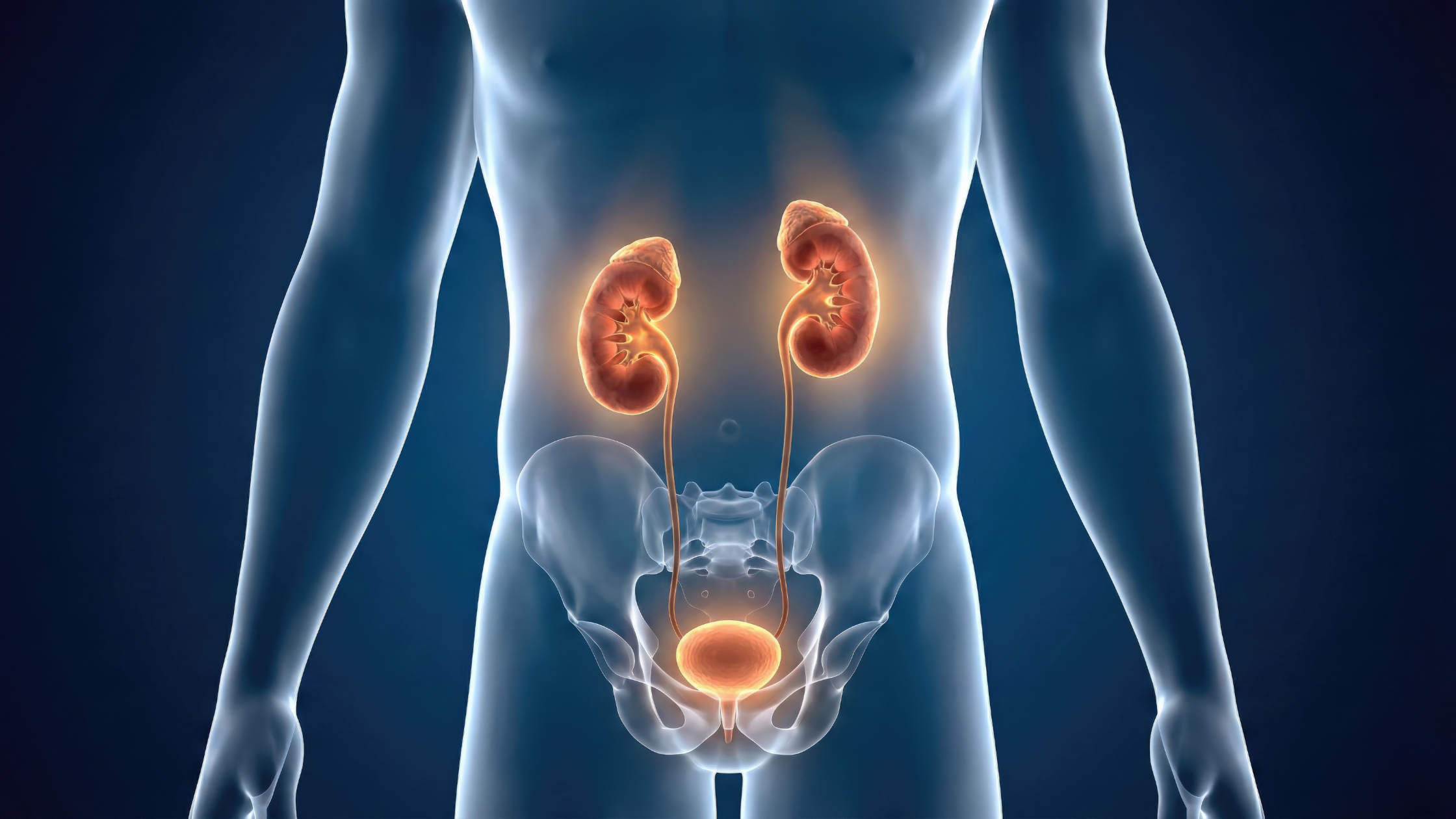
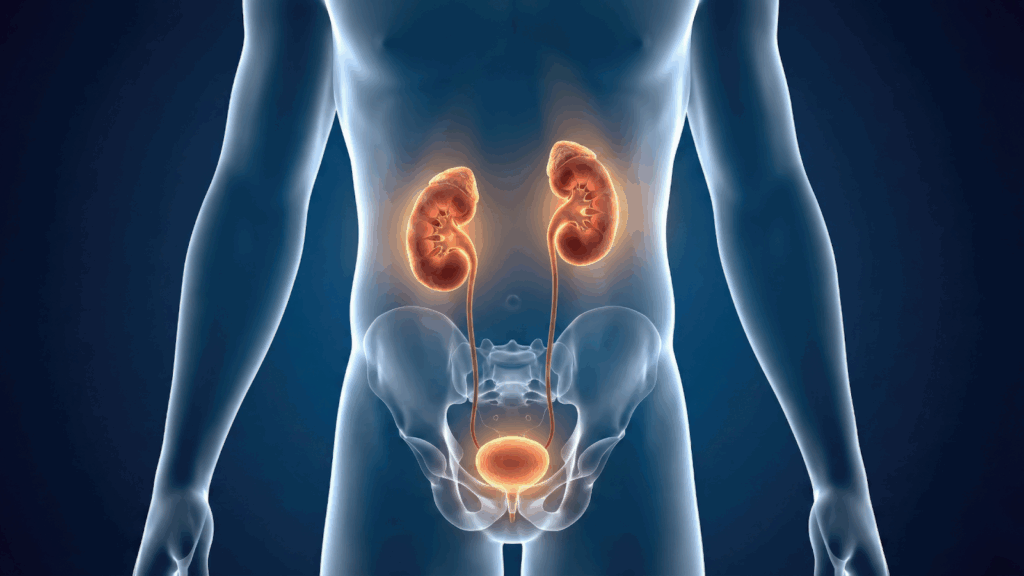
The urinary system includes the kidneys, bladder, ureters, and urethra. These organs work together to carry urine out of the body.
The bladder itself is a muscular organ about the size of a grapefruit when full. It relies heavily on coordination between:
The detrusor muscle (bladder muscle)
The urethral sphincter
The pelvic floor muscles
The nervous system
Nerves and muscles, including the sphincter muscles, coordinate through nerve signals to control bladder function. Proper communication between these components is essential for normal urination, and disruptions can lead to urinary issues.
A bladder diary and pad test are useful tools for tracking symptoms and diagnosing urinary issues.
When this system falls out of sync, symptoms begin.
Types of Urinary Incontinence (And Why It Matters)
Not all bladder leaks are the same. Bladder control problems and bladder control issues can affect anyone, but they are more common in certain groups and at certain times in life, such as during pregnancy, after childbirth, menopause, or with prostate problems in men. Understanding the type helps determine the correct treatment.
1. Stress Incontinence
Leakage triggered by coughing, laughing, jumping, or lifting. Common in postpartum women and athletes.
Cause: Stress incontinence occurs when weakened pelvic floor muscles, often due to childbirth or aging, make it hard for the bladder to hold urine. The primary symptom is leaking urine before you can make it to the bathroom or during activities like sneezing, coughing, laughing, or exercising.
2. Urge Incontinence
Sudden, overwhelming need to urinate, often described as a strong urge or intense urge, followed by leakage. This is characteristic of urge incontinence, where the sudden, intense urge to urinate is difficult to control and may result in involuntary urine leakage.
Often linked to overactive bladder (OAB).
Cause: Involuntary bladder contractions.
Dietary bladder irritants can also increase urinary frequency and urgency.
3. Overflow Incontinence
Dribbling caused by incomplete bladder emptying.
Cause: Obstruction (e.g., enlarged prostate) or nerve dysfunction. Overflow incontinence can be associated with urinary retention, which is the inability to completely empty the bladder. Urinary retention is commonly caused by physical blockages or nerve damage.
4. Functional Incontinence
Physical or mobility barriers prevent timely bathroom access.
Why Are Urinary Issues Happening at 21–48 Years Old?
Many younger adults are surprised when bladder symptoms appear. Common triggers include:
Drinking caffeine or alcohol late in the day
High fluid intake before bed
Stress or anxiety
Certain medications
Underlying health issues can also contribute to urinary symptoms. A sudden increase in urination that can’t be explained, especially at night, may indicate a bladder problem or diabetes.
For Women
Pregnancy and childbirth
Hormonal shifts
High-impact exercise
Chronic constipation
Pelvic floor exercises during and after pregnancy can help prevent urinary incontinence by strengthening the pelvic muscles.
For Men
Prostate inflammation
Prostate inflammation, or prostatitis, can lead to urinary issues such as pain, urgency, and frequent urination. Benign prostatic hyperplasia (BPH) is another common, non-cancerous enlargement of the prostate gland that can cause urinary difficulties, such as trouble starting urination or incomplete bladder emptying, especially as men age.
Chronic straining
Post-surgical changes
Pelvic floor tension
For Both
Stress and anxiety
Caffeine overload
Sedentary lifestyle
Heavy lifting without core coordination. Certain physical activities, such as high-impact exercise, can also trigger stress incontinence by increasing pressure on the bladder.
Research published in the Journal of Women’s Health Physical Therapy shows pelvic floor muscle training improves stress incontinence symptoms by up to 70% in appropriately selected patients.
How Pelvic Floor Physical Therapy Helps Urinary Incontinence
Pelvic floor therapy is often the most underutilized yet highly effective treatment for urinary dysfunction.
As a Doctor of Physical Therapy specializing in pelvic health, I assess:
Muscle strength
Coordination
Endurance
Relaxation ability
Breathing mechanics
Core and hip function
Bladder muscles and the coordination of nerves and muscles that control bladder function
Keeping a bladder diary is also recommended to track urination patterns, symptoms, and progress, which can help identify urinary issues and guide treatment.
A pad test may also be used during assessment to objectively measure urine leakage, involving a specially treated pad that changes color upon urine leakage.
A 2018 systematic review published in Cochrane Database of Systematic Reviews found pelvic floor muscle training significantly improves or cures stress urinary incontinence compared to no treatment.
Why This Matters
Many people try random Kegels they found online. But doing them incorrectly—or when muscles are actually tight—can worsen symptoms.
Professional guidance ensures:
Correct diagnosis
Proper muscle activation
Customized progression
If you’re in New York City, you can schedule an evaluation at Pelvis NYC for personalized care from pelvic health specialists.
Bladder Training: How to Retrain Urgency
If you feel like you’re constantly running to the bathroom, bladder training can help.
Step-by-Step Approach
Track urination patterns for 3 days.
Set scheduled voiding intervals.
Gradually increase time between bathroom trips.
Use urge-suppression breathing techniques.
Many patients improve urgency within 4–6 weeks.
Hydration & Diet: What Actually Helps?
Drinking habits, such as alcohol and caffeine intake, can significantly affect bladder health. Consuming alcohol and caffeine can cause the body to produce more urine, which may irritate the bladder and increase urination frequency. Hydration is important for bladder health—too little fluid can irritate the bladder, while too much can increase frequency. Dietary adjustments for managing urinary issues include limiting bladder irritants like caffeine, alcohol, and spicy foods. Cutting down on alcohol and caffeine can help manage urinary health.
Bladder irritants are often overlooked contributors.
Reduce or Eliminate:
Caffeine
Alcohol
Artificial sweeteners
Carbonated drinks
Highly acidic foods
Improve With:
6–8 glasses of water spaced evenly
Increased fiber (25–30g daily)
Anti-inflammatory foods
Constipation increases pelvic floor pressure and can worsen incontinence.
Exhale during lifting to reduce pressure on the pelvic floor.
3. Strengthen Your Hips and Core
Pelvic stability improves bladder control.
4. Manage Stress
Chronic tension affects pelvic floor relaxation.
Medical Treatment Options (When Needed)
If conservative therapy isn’t enough:
Anticholinergic medications
Beta-3 agonists
Neuromodulation therapy
Botox injections
Surgery: Surgical treatment for stress incontinence may involve a sling procedure to reduce pressure on the bladder.
Physical therapy is often recommended before surgical intervention.
Real Case Example
A 34-year-old fitness instructor came to our clinic with stress incontinence during jump training. She assumed it was “normal after childbirth.”
After 8 sessions of pelvic floor therapy focused on coordination (not just strength), she returned to full workouts without leakage.
Bladder dysfunction is common—but not normal.
Frequently Asked Questions (FAQ)
What is the fastest way to stop urinary leakage?
The fastest improvement typically comes from guided pelvic floor physical therapy combined with bladder habit changes.
Can urinary incontinence go away on its own?
Mild cases sometimes improve, but most benefit from structured treatment.
How long does pelvic floor therapy take?
Most patients notice improvement within 4–8 weeks.
Are Kegels enough to fix bladder leaks?
Not always. Incorrect technique or underlying tension can worsen symptoms.
When should I see a specialist?
If symptoms last more than 2–4 weeks, interfere with exercise, sleep, or daily life, seek evaluation.
Take Control of Your Bladder Health
Urinary issues can feel isolating—but they are highly treatable. Whether you’re dealing with leaks during workouts, postpartum changes, or sudden urgency at work, help is available.
At Pelvis NYC, we specialize in evidence-based pelvic floor physical therapy for men and women.
Urinary incontinence is the involuntary leakage of urine caused by changes in bladder control, pelvic floor muscle function, or nervous system signaling. It is more common in women than in men, particularly due to reproductive health events such as pregnancy, childbirth, and menopause. While it is common, it is not a normal part of aging—and most cases are highly treatable with the right care.
Despite affecting more than 25 million adults in the United States, more than 4 in 10 women aged 65 and older experience urinary incontinence. The risk increases with age, especially after 50. Urinary incontinence affects twice as many women as men, often due to reproductive health events unique to women. Chronic urinary incontinence is a persistent form of the disorder. Although it can occur at any age, it is more common in women over 50. Many people delay treatment due to embarrassment or the belief that nothing will help.
Introduction to Urinary Incontience
Urinary incontinence, or loss of bladder control, is a widespread condition that affects people of all ages and backgrounds. It occurs when the bladder muscles and pelvic floor muscles are unable to work together effectively, leading to involuntary urine leakage.
There are several types of urinary incontinence, each with distinct causes and symptoms, including stress incontinence, urge incontinence (overactive bladder), mixed incontinence, and overflow incontinence. While it can be distressing, understanding the underlying issues—such as weak pelvic floor muscles or changes in bladder control—can help guide effective treatment.
This article explores the different types of urinary incontinence, what causes them, how they are diagnosed, and the most effective ways to manage and improve bladder control.
How Urinary Incontinence Affects Daily Life
Urinary incontinence impacts far more than bladder function. The primary symptom is urine leakage before reaching the bathroom or during activities such as sneezing, coughing, laughing, or exercising.
Many people experience changes in:
Exercise and physical activity
Sleep quality
Work and social confidence
Sexual health and intimacy
Even mild leakage can create ongoing stress, which may further worsen bladder symptoms through increased pelvic floor muscle tension.
Functional incontinence can occur when physical limitations or disabilities prevent timely access to a restroom, leading to urine leakage.
Common Symptoms of Urinary Incontinence
Symptoms vary depending on the underlying cause and may include:
Urine leakage with movement, coughing, or exercise
Sudden urinary urgency followed by leakage
Frequent urination or nighttime urination
Difficulty holding urine
Dribbling or incomplete bladder emptying
Keeping a bladder diary may help identify patterns in urination and can be used as part of bladder training to improve bladder control. Identifying symptom patterns helps guide effective treatment.
Types of Urinary Incontinence
Urinary incontinence is not a single condition. There are four main types: stress, urge, functional, and overflow incontinence. The two most common types affecting women are stress incontinence and urge incontinence, also known as overactive bladder.
Understanding the type is essential for choosing the right treatment approach. Many women experience a combination of stress and urge incontinence, referred to as mixed incontinence.
Stress Incontinence
Leakage occurs when pressure is placed on the bladder, such as during coughing, sneezing, or exercise.
Urge Incontinence (Overactive Bladder)
Urge incontinence is characterized by urinary urgency—a sudden, intense need to urinate—followed by involuntary leakage. This condition is often linked to bladder or pelvic floor muscle overactivity. Anticholinergic medications are commonly prescribed to treat overactive bladder and urge incontinence.
Mixed Urinary Incontinence
Many women experience both stress and urge symptoms, a condition known as mixed urinary incontinence. Treatment must address both muscle coordination and bladder signaling.
Overflow Urinary Incontinence
Leakage caused by incomplete bladder emptying is often related to pelvic floor tension, nerve issues, or prostate problems.
Causes and Risk Factors
Urinary incontinence can develop for many reasons, often involving a combination of physical, medical, and lifestyle factors. Weakness or dysfunction of the pelvic floor muscles is a leading cause, especially after pregnancy, vaginal birth, or pelvic surgery. Hormonal changes during menopause can also weaken the support structures of the urinary tract.
Certain medical conditions—such as benign prostatic hyperplasia (enlarged prostate), multiple sclerosis, diabetes, and chronic urinary retention—can disrupt nerve signaling between the bladder and brain. Prostate surgery in men and pelvic organ prolapse in women are additional risk factors.
Other contributors include chronic constipation, obesity, frequent heavy lifting, and persistent coughing, all of which place extra pressure on the bladder and pelvic organs. While aging is associated with changes in bladder muscle function and elasticity, urinary incontinence is not inevitable.
Lifestyle habits, including high intake of bladder irritants such as caffeine and alcohol, can worsen symptoms. A family history of urinary incontinence or connective tissue disorders may also increase susceptibility. Understanding these risk factors is essential for creating a personalized treatment plan.
Pelvic Floor
The pelvic floor is a group of muscles that support the bladder, bowel, and reproductive organs.
Pelvic floor muscles may be weakened by pregnancy, childbirth, aging, hormonal changes during menopause, and certain neurological conditions. These muscles play a critical role in maintaining bladder control. Pelvic floor muscle training—such as Kegel exercises—is important for preventing urinary incontinence and supporting pelvic organ health.
Healthy pelvic floor muscles must:
Contract when needed
Relax fully
Coordinate with breathing and movement
When this balance is disrupted, bladder control suffers.
Female Urinary System
The female urinary system is especially vulnerable due to:
Pregnancy-related muscle strain
Hormonal changes during menopause
Changes in pelvic organ support
Pregnancy increases pressure on the bladder and pelvic floor muscles, while childbirth—particularly vaginal delivery—can weaken muscles and damage nerves that control bladder function. Hormonal shifts during menopause can weaken the urethra and bladder neck, increasing the risk of urinary incontinence.
Although these factors raise risk, targeted therapy can restore function.
Treatment Options That Actually Work
Urinary incontinence is a common condition that can significantly impact quality of life, but it is highly treatable. Treatment options depend on the type and severity of symptoms and may include behavioral therapies, medications, nerve stimulation, and surgery.
Pelvic Floor Exercises
Pelvic floor exercises are a cornerstone of treatment—but only when performed correctly.
A pelvic floor therapist can help:
Determine whether muscles are weak or overactive
Teach proper muscle coordination
Prevent worsening symptoms
Generic exercises without professional assessment often fail.
Kegel Exercises
Kegel exercises can strengthen pelvic floor muscles, but they are not appropriate for everyone. If the muscles are already tight or overactive, Kegels may worsen urgency and leakage. Professional guidance ensures the correct approach.
Reducing bladder irritants such as caffeine and alcohol
Practicing proper breathing and posture
Prevention focuses on function—not just strength.
Advanced Therapies for Persistent Symptoms
When conservative treatments are not effective, advanced options may be considered. Surgical treatments include sling procedures, bladder suspension, and artificial urinary sphincters. The artificial urinary sphincter is primarily used for men with severe urinary incontinence.
Another minimally invasive option is urethral bulking agents, which are injected around the urethra to improve closure and prevent leakage. These therapies are typically reserved for persistent cases.
Nerve Stimulation
Nerve stimulation therapies help regulate bladder signaling and reduce urinary urgency. They are especially helpful for overactive bladder and mixed incontinence.
Percutaneous Tibial Nerve Stimulation (PTNS)
PTNS is a minimally invasive therapy that:
Modulates bladder nerve pathways
Reduces urgency and frequency
Improves bladder control
It is supported by clinical research and is often combined with pelvic floor therapy.
Why Pelvic Floor Physical Therapy Is First-Line Care
What causes urinary incontience? Urinary incontinence can result from pelvic floor dysfunction, bladder issues, nerve signaling problems, hormonal changes, or prostate conditions. The urethral sphincter plays a critical role in maintaining continence by keeping the urethra closed during increases in abdominal pressure.
Is urinary incontinence normal with age? It is common, but not normal or inevitable. Treatment is often highly effective.
Do Kegels help urinary incontinence? Sometimes. If pelvic floor muscles are tight, relaxation may be needed before strengthening.
Can pelvic floor physical therapy cure incontinence? Many people experience significant improvement or complete resolution with proper therapy.
When should I seek help? If symptoms affect daily life, sleep, or confidence, seek care early.
How is urinary incontience diagnosed? Diagnosis involves a thorough medical history, physical examination, and tests such as urinalysis and bladder diaries.
Where can I find reliable patient resources? The American Urological Association and the National Association for Continence provide trustworthy patient resources.
Are digestive and kidney diseases related to urinary incontinence? Yes. Digestive and kidney diseases can be associated with urinary incontinence. Organizations such as the National Institute of Diabetes and Digestive and Kidney Diseases focus on these conditions and their management.
Conclusion
Urinary incontinence is a common and treatable condition that can significantly affect daily life, but it does not need to be endured in silence. With accurate diagnosis and a personalized treatment plan—including pelvic floor therapy, lifestyle modifications, and advanced therapies—most people can regain bladder control and reduce or eliminate leakage.
Early intervention is key. If you or a loved one is experiencing symptoms, effective solutions are available to help treat urinary incontinence and restore confidence.
Urinary problems refer to symptoms that affect how often, how easily, or how comfortably you urinate. They can include urgency, leakage, pain, difficulty emptying the bladder, or frequent trips to the bathroom—and they affect people of all ages and genders.
While common, urinary issues are not something you have to “live with.” Most are treatable once the underlying cause is identified. In fact, most people with urinary problems can find significant relief with proper treatment.
Urinary symptoms rarely have just one cause. They often result from a combination of bladder, pelvic floor, prostate, nervous system, and lifestyle factors.
Certain medications and medicines, such as diuretics and decongestants, can contribute to urinary problems by increasing the need to urinate or affecting bladder health. Some medicines can disrupt the normal process of storing and passing urine or increase the amount of urine you produce. It is important to consult a doctor before discontinuing any medication that may affect urination, as professional guidance is essential in managing these conditions.
According to the National Institute of Diabetes and Digestive and Kidney Diseases (NIDDK), over 25 million adults in the U.S. experience urinary incontinence, yet many never seek care.
Urinary Problems Symptoms
Urinary problems can range from mild inconvenience to life-disrupting conditions. Some develop gradually, while others appear suddenly.
Common signs include:
Needing to urinate often
Difficulty starting or finishing urination
Leakage or loss of bladder control
Pain or burning with urination
Feeling like the bladder never fully empties
Blood in urine
Strong urge to urinate
Urge to urinate
Blood in the urine can be a sign of a serious illness such as kidney or bladder stones, an infection, or bladder or kidney cancer.
Some people may have difficulty passing urine or may feel a strong urge to pass urine suddenly.
Symptoms can also include pain during urination (dysuria), waking frequently at night (nocturia), and lower abdominal pain.
These symptoms can point to issues in the urinary tract, bladder muscles, pelvic floor, or prostate.
Urinary Tract Infections
Urinary tract infections (UTIs) are one of the most common causes of urinary problems, especially in women.
The best thing to do for a urinary tract infection is to see a healthcare provider.
Typical UTI symptoms include:
Painful urination
Frequent urination with small amounts
Urgency
Cloudy or strong-smelling urine
Signs of urinary tract infections also include burning sensation, frequency, urgency, and blood in the urine. You need antibiotics to treat a UTI, and healthcare providers commonly prescribe antibiotics for this purpose. It’s very important to follow the directions for taking antibiotics and to take the full course, even if symptoms go away. Most people feel better within a few days after starting antibiotics. Minor urinary tract infections can sometimes get better on their own, but most need antibiotics to go away. Medication options for urinary issues include antibiotics for UTIs and medications to relax the bladder or prostate muscles. If you get UTIs often, a healthcare provider may give you low-dose antibiotics for a short time to prevent the infection from coming back. Cranberry extract supplements may decrease your chances of getting a UTI.
While antibiotics treat the infection, recurrent UTIs and frequent or chronic bladder infections may be linked to pelvic floor dysfunction or incomplete bladder emptying—issues that pelvic floor physical therapy can address. Recurrent or chronic bladder infections may also indicate an underlying bladder issue.
Frequent Urination
Frequent urination means urinating more often than usual, including waking up at night (nocturia).
Possible causes:
Overactive bladder
Pelvic floor muscle tension
UTIs
Prostate enlargement
Excess caffeine or fluid intake
Certain medications, such as diuretics and decongestants
It’s not always a bladder problem—sometimes the pelvic floor is too tight to allow normal storage and release.
Painful Urination
Painful urination (dysuria) may feel like burning, pressure, or sharp pain.
Common causes include:
UTIs
Bladder inflammation
Pelvic floor muscle spasm
Nerve irritation
If tests repeatedly come back “normal,” pelvic floor dysfunction is often overlooked—but highly treatable.
Urinary Incontinence
Urinary incontinence is the involuntary leakage of urine. It affects millions of people but is not a normal part of aging.
There are several types, including stress and urge incontinence.
Stress Incontinence
Stress incontinence occurs when pressure is placed on the bladder.
Triggers include:
Coughing or sneezing
Laughing
Exercise
Lifting
It’s often linked to pelvic floor muscle weakness or poor coordination, especially after pregnancy or surgery.
Urge Incontinence
Urge incontinence involves a sudden, intense need to urinate followed by leakage.
It’s commonly associated with:
Overactive bladder
Pelvic floor muscle tension
Nervous system sensitivity
Contrary to popular belief, strengthening alone is not always the solution—learning to relax the pelvic floor is often key.
Bladder Control
Healthy bladder control depends on proper communication between:
The bladder
Pelvic floor muscles
Nervous system
The detrusor muscles contract to allow urine to be released through the toilet during the process of emptying the bladder.
When muscles are too tight or poorly coordinated, bladder signals become exaggerated, leading to urgency and leakage.
Difficulty Emptying
Difficulty emptying the bladder may feel like:
A weak urine stream
Stopping and starting
Feeling “not done” after urinating
This is often related to:
Pelvic floor muscle tension
Poor relaxation during voiding
Prostate issues in men
Obstruction (such as bladder stones, ureteral obstruction, or an enlarged prostate)
Overflow incontinence occurs when the bladder cannot empty completely due to a blockage or obstruction.
Acute urinary retention is characterized by an inability to urinate, sometimes accompanied by fever or severe pain.
Incomplete emptying can increase UTI risk and bladder irritation.
Prostate Problems
In men, prostate gland problems are a common contributor to urinary issues.
Surgery or radiation for prostate cancer may lead to nerve damage, bladder spasms, or stress incontinence.
Enlarged Prostate
An enlarged prostate (BPH) can cause:
Weak urine stream
Hesitancy
Dribbling
Frequent urination
However, research shows pelvic floor muscle dysfunction often coexists with BPH, meaning symptoms may persist even after medication unless muscle tension is addressed.
Risk Factors for Urinary Issues
Urinary issues, such as urinary incontinence and urinary tract infections, can affect anyone, but certain factors increase your risk. Age is a significant factor—older adults are more likely to experience problems like weak urine stream, frequent urination, and difficulty emptying the bladder. Gender also plays a role: women are more prone to stress incontinence due to changes in pelvic muscles, especially after childbirth or menopause.
Other important risk factors include obesity and chronic conditions like diabetes, which can impact the urinary tract and bladder function. A history of digestive and kidney diseases can also make urinary symptoms more likely. For men, an enlarged prostate—known as benign prostatic hyperplasia (BPH)—is a common cause of urinary difficulties, including trouble starting urination and incomplete bladder emptying.
By understanding these risk factors, you can take proactive steps to protect your urinary system and reduce the likelihood of developing incontinence or other urinary problems.
Diagnosis and Treatment Options
Getting to the root of urinary symptoms starts with a thorough medical history and physical examination. Your healthcare provider may ask about your symptoms, lifestyle, and any history of digestive or kidney diseases. Diagnostic tests, such as urinalysis or urine culture, help identify infections or other underlying issues in the urinary tract.
Treatment options depend on the specific cause. For urinary tract infections, antibiotics are usually prescribed to clear the infection. Stress incontinence often responds well to lifestyle changes, including pelvic floor exercises and weight management. In cases of enlarged prostate or urinary tract blockage, surgery may be recommended to restore normal urine flow. Managing chronic conditions like diabetes is also crucial for reducing urinary symptoms and preventing complications.
Consulting a healthcare professional ensures you receive the right diagnosis and treatment. Trusted organizations like the National Institute of Diabetes and Digestive and Kidney Diseases and the American College of Physicians offer up-to-date guidelines and resources to help you make informed decisions about your urinary health.
Preventing Urinary Problems
Prevention is key to maintaining a healthy urinary system. Simple lifestyle changes can make a big difference—stay well-hydrated, limit alcohol and caffeine, and practice good hygiene to reduce your risk of urinary tract infections. Regular physical activity and a balanced diet support overall health and help prevent issues like obesity and diabetes, which are linked to urinary problems.
Listening to your body is important: don’t delay urination when you feel the urge, and avoid holding urine for long periods. For men, maintaining a healthy weight and getting regular check-ups can help prevent prostate problems. Medical education and awareness are powerful tools—organizations like the Mayo Foundation provide reliable information on urinary health and prevention strategies.
By adopting these habits and staying informed, you can lower your risk of urinary tract infections, incontinence, and other urinary issues, supporting your health for years to come.
How Pelvic Floor Physical Therapy Helps Urinary Problems
Pelvic floor physical therapy is one of the most effective, evidence-based treatments for urinary dysfunction.
A pelvic floor therapist can help:
Improve bladder control
Reduce urgency and frequency
Address leakage
Retrain pelvic floor muscle coordination
Reduce muscle tension that interferes with urination
You experience pain, leakage, or difficulty emptying
Symptoms interfere with daily life or sleep
Early care prevents long-term complications.
Why Choose Pelvis NYC?
Pelvis NYC specializes exclusively in pelvic floor physical therapy. Their clinicians have advanced training in treating complex urinary problems across all genders.
What causes urinary problems? Urinary problems can result from bladder dysfunction, pelvic floor muscle issues, UTIs, prostate problems, nerve irritation, or lifestyle factors.
Are urinary problems normal with age? They’re common, but not normal or inevitable—and they’re often treatable.
Can pelvic floor physical therapy help urinary symptoms? Yes. It’s one of the most effective treatments for incontinence, urgency, and difficulty emptying.
Do Kegels help all urinary problems? Not always. Tight pelvic floor muscles may need relaxation before strengthening.
When should I see a specialist? If symptoms are persistent, painful, or affecting quality of life, seek care early.
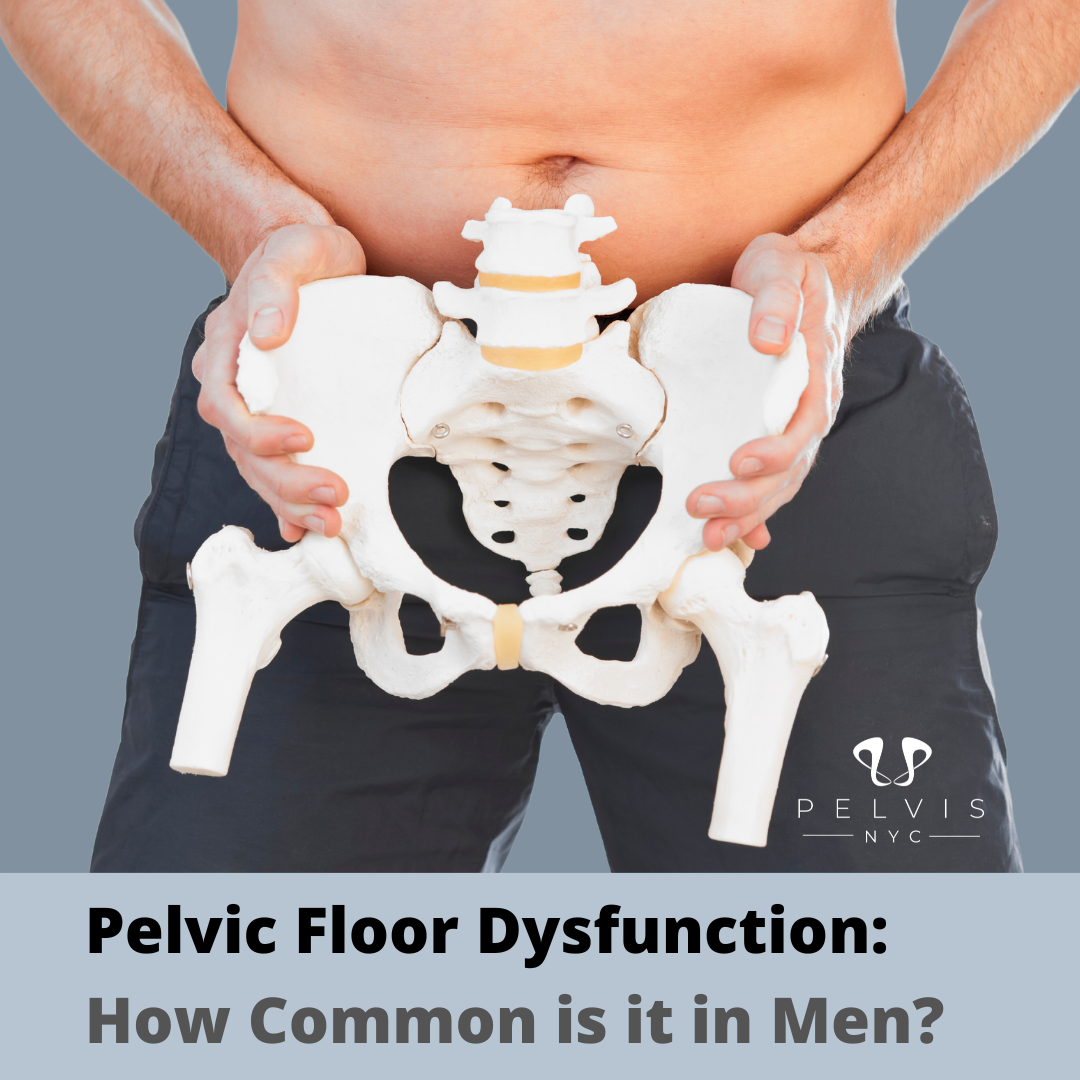
Pelvic floor dysfunction is a condition that I often see in men. It’s a condition that is not talked about, but it’s more common than you might think. This can cause a range of unpleasant symptoms, but the good news is that with the right treatment, many men can experience significant relief.
In this blog, we’ll explore pelvic floor dysfunction, the symptoms to look out for, and the most effective treatment options available.
What is Pelvic Floor Muscle Dysfunction?
If you have been experiencing urinary incontinence, chronic pelvic pain, or sexual dysfunction, you might be dealing with a common issue called pelvic floor dysfunction. Pelvic floor problems can affect the muscles, ligaments, and connective tissue in your pelvic area, leading to a range of symptoms that can impact your daily life.
Healthcare professionals diagnose pelvic floor dysfunction by assessing patients’ health history, and symptoms, and conducting physical examinations to evaluate muscle function.
Symptoms of Pelvic Floor Dysfunction
The symptoms of pelvic floor dysfunction can vary widely, but some of the most common include:
Urinary Incontinence: The involuntary leakage of urine, often occurring during activities like coughing, sneezing, or physical exertion, and sometimes as a result of an inability to control the urge to urinate.
Chronic Pelvic Pain: Persistent or recurrent pain in the pelvic region lasting six months or more, which can be associated with various conditions affecting the reproductive, urinary, or digestive systems.
Pain During Sexual Intercourse: Also known as dyspareunia, this refers to persistent or recurring pain experienced during or after sexual intercourse, which can result from physical or psychological factors.
Erectile Dysfunction: The inability to achieve or maintain an erection sufficient for satisfactory sexual performance, often due to physical, psychological, or lifestyle factors.
Painful Bowel Movements: Discomfort or pain experienced during the passage of stool, which can be caused by conditions like hemorrhoids, anal fissures, or pelvic floor dysfunction.
Constipation: A condition characterized by infrequent or difficult bowel movements, often accompanied by a feeling of incomplete evacuation, and can be caused by diet, dehydration, or underlying health issues.
Fecal Incontinence: The inability to control bowel movements, leading to involuntary leakage of stool, which can result from weakened pelvic floor muscles, nerve damage, or gastrointestinal disorders.
The anal sphincter plays a critical role in the process of defecation, and its proper functioning is essential for effective stool evacuation. Issues with the anal sphincter can lead to conditions like fecal incontinence.
Pelvic Floor Physical Therapy Treatment Options
If you’re finding yourself dealing with symptoms of pelvic floor issues, don’t worry. These symptoms can be tough to handle, but there are ways to manage them. As a physical therapist, I have helped many men overcome the discomfort and inconvenience that comes with this issue.
At Pelvis NYC, we take a personalized approach to treatment, recognizing that each patient’s situation is unique. We also offer a variety of effective treatment options to help you regain control and confidence. Here are some of the ways we can help:
Pelvic floor muscle strengthening exercises: Pelvic floor exercises use to help you improve the strength and endurance of your pelvic floor muscles. Furthermore, it can help improve bladder and bowel control, reduce pelvic pain, and enhance sexual function.
Pelvic floor physical therapy: This specialized form of therapy can improve muscle contraction and rectal sensation, aiding in the management of conditions like rectocele and anismus.
Biofeedback therapy: This technique uses specialized sensors to help you visualize and understand your body’s responses to certain exercises, making it easier to train your pelvic floor muscles effectively.
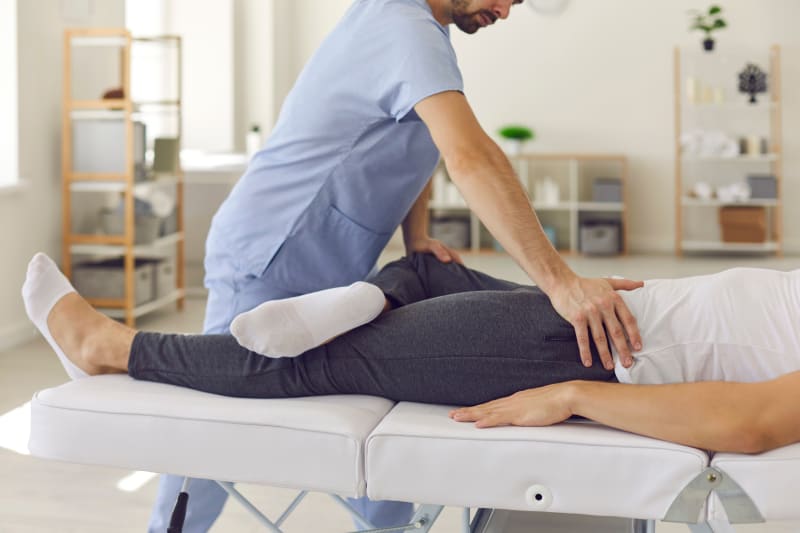
Manual therapy techniques: We use gentle manual techniques to help release tension and tightness in the pelvic floor muscles and then, reduce pain and promote healing.
Electrical stimulation: This therapy uses low-voltage electrical currents. This stimulates the pelvic floor muscles, helping them to contract and relax more effectively.
Relaxation techniques: Stress and tension can exacerbate symptoms of pelvic floor dysfunction. We offer relaxation techniques such as deep breathing and mindfulness to help you reduce stress and improve your overall well-being.
Conclusion:
If you’re experiencing symptoms of pelvic floor dysfunction, know that there are effective treatment options available. Strong pelvic muscles are essential for maintaining pelvic health and preventing conditions like pelvic organ prolapse and incontinence. Understanding pelvic floor disorders is crucial, as they can significantly impact quality of life. Don’t suffer alone – reach out to a qualified physical therapist today to get the help you need to feel your best.
If you have more questions, feel free to visit www.pelvis.nyc and get a FREE 15-minute teleconsultation. Our team is here to help you find relief and get back to doing the things you love.
 Skip to content