Skip to content
I’m Dr. Adam Gvili, a physical therapist who works with pelvic pain that many people feel too embarrassed to bring up. If you’re dealing with anal or pelvic nerve pain, this guide explains what may be going on, how it’s diagnosed, and what treatment can look like, from conservative care to surgery. It is a treatable problem, and the right explanation is often the first thing that helps.
Key takeaways
- Burning, stabbing, or electric-shock pain around the anus is sometimes caused by irritation or entrapment of the pudendal nerve, a condition called pudendal neuralgia.
- Other conditions can look similar, so an accurate evaluation matters.
- Pelvic floor physical therapy is usually the first step in care, and many people improve with a consistent, individualized plan.
- Some symptoms need urgent medical attention (see the red flags below).
What Is Anal Nerve Pain?

Most nerve-related pain in and around the anus involves the pudendal nerve. This nerve carries sensation from the anus, perineum, and genitals, and it supplies some of the pelvic floor muscles. When it is irritated or compressed, people describe burning, stabbing, or electric-shock-like pain, along with pressure, numbness, or a raw feeling. Many people see several providers over months before getting a clear explanation.
Common Symptoms of Anal Nerve Pain
- Burning pelvic floor pain that builds as the day goes on
- Perineal pain when sitting, especially on hard surfaces
- Shooting, electric pain that travels toward the rectum or genitals
- A feeling of pressure or fullness in the rectum with no obvious cause
- Discomfort during or after bowel movements that lingers for hours
- Pain that eases when standing or lying down but returns with sitting
Other Causes of Anal Pain to Rule Out
Not all anal pain is nerve pain. Before assuming pudendal neuralgia, a provider will want to consider:
- Hemorrhoids or anal fissures, which often cause pain with bowel movements or bleeding
- Perianal abscess or infection, which usually brings swelling, warmth, or fever
- Proctalgia fugax, sudden, severe rectal pain that comes and goes within minutes
- Coccydynia (tailbone pain), often worse when moving from sitting to standing
- Levator ani syndrome, a chronic ache from tension in the pelvic floor muscles that may overlap with nerve symptoms
- Prostatitis or chronic pelvic pain syndrome in men
Other conditions such as piriformis syndrome or, rarely, neurological disease like multiple sclerosis and less common pain disorders such as complex regional pain syndrome can also play a role when the picture doesn’t fit.
Red Flags: Get Urgent Medical Care
Don’t wait for a therapy appointment if you have:
- Rectal bleeding, or blood in your stool
- Fever, chills, or a swollen, hot, or draining area near the anus
- Sudden numbness in the groin or inner thighs
- New loss of bowel or bladder control, or trouble urinating
- Unexplained weight loss along with pelvic pain
- Severe pain that comes on suddenly
What Causes Pudendal Neuralgia?
The pudendal nerve travels a narrow, winding path through the pelvis. It passes between ligaments and muscles and through a tight fascial tunnel (Alcock’s canal), so there are several places where it can be compressed or irritated. The pudendal nerve controls movement and sensation in the pelvic area, including normal urethral and anal sphincter function. Common causes of pudendal neuralgia and risk factors for pudendal nerve entrapment can include:
- Injury: childbirth, pelvic or groin surgery, or trauma
- Prolonged sitting: sustained pressure on the pelvic area, particularly on hard seats, or other activities that keep putting pressure on the nerve
- Cycling: repetitive pressure from a saddle
- Chronic constipation and straining: repeated strain on the pelvic floor and nearby nerves
- Muscle tension: overactive or guarded pelvic floor muscles, or tight or scarred surrounding tissue, can compress the nerve
- Pelvic floor dysfunction: which can overlap with levator ani syndrome
These are among the most common causes of pudendal neuralgia, though infections, tumors, or swollen tissues can also contribute, and sometimes the exact cause is unclear. Pudendal neuralgia affects about 1% of the general population, and about two-thirds of diagnosed patients are female. Neuropathic pain also tends to respond poorly to standard over-the-counter painkillers, which is one reason people feel stuck.
Pudendal Neuralgia in Men
In men, pain often shows up in the scrotum, penis, or rectal area. It is commonly described as burning or aching that worsens with sitting or cycling. Because it is sometimes mistaken for prostatitis, a careful pelvic pain evaluation matters. Tight pelvic floor muscles and prior groin or hernia surgery are frequent contributing factors, and some men also experience sexual dysfunction.
Pudendal Neuralgia in Women
In women, symptoms commonly begin after vaginal delivery, pelvic surgery, or a period of chronic muscle tension. Burning pain in the vulva, perineum, or rectal area is typical, and it often worsens through the day and settles overnight. Postpartum pelvic floor dysfunction is one of the most common contributors I see, and pelvic organ prolapse or prior prolapse repair can contribute as well.
How Pudendal Neuralgia Is Diagnosed
No single test confirms pudendal neuralgia, and diagnosing pudendal neuralgia relies on a detailed history, a thorough physical examination, and selected diagnostic testing rather than any one confirmatory study; clinicians often use the Nantes criteria:
- Pain in the area supplied by the pudendal nerve (from the anus to the genitals)
- Pain that is worse with sitting
- Pain that does not wake you at night
- No objective sensory loss on examination
- Pain relief after a diagnostic pudendal nerve block
For an accurate diagnosis, pudendal neuralgia diagnosed in practice depends on clinical findings plus tests that exclude other causes and, at times, confirm nerve involvement.
Imaging, such as MRI or magnetic resonance neurography, is mainly used to rule out other causes and sometimes to help localize compression. Diagnostic testing may also include nerve studies and, in some settings, quantitative warm-sensory threshold testing to assess pudendal nerve function. Nerve conduction testing can be normal even when symptoms are real. A pelvic floor physical therapist can also assess muscle tone, mobility, and nerve tension as part of the workup, and the physical examination may include pelvic and perineal palpation with assessment near the sacrospinous ligament when symptoms suggest entrapment.
Treatment for Anal Nerve Pain: Where We Usually Start
How pudendal neuralgia is treated depends on the cause, your symptom pattern, and how you respond, so pudendal neuralgia treated successfully usually requires an individualized treatment plan built around several treatment options. Most providers begin with conservative treatments:
- Pelvic floor physical therapy
- Changes to sitting and activity habits
- Pressure-relieving cushions and, if possible, a standing workstation
- Nerve-calming medications, and muscle relaxants when pelvic floor spasm is a major driver
- Targeted nerve blocks, where an image-guided injection may include a local anesthetic so pudendal nerve pain can improve temporarily while also helping confirm the diagnosis
About 20% to 30% of patients improve with conservative measures alone. Pudendal nerve blocks have an average success rate of about 80% for symptom relief and diagnostic support.
I want to be direct with my patients: pelvic floor physical therapy is generally considered a first-line approach because it addresses the muscular and mechanical factors that often contribute to nerve irritation. Injections can quiet symptoms while those longer-term factors are worked on.
How I Approach Pelvic Floor Physical Therapy
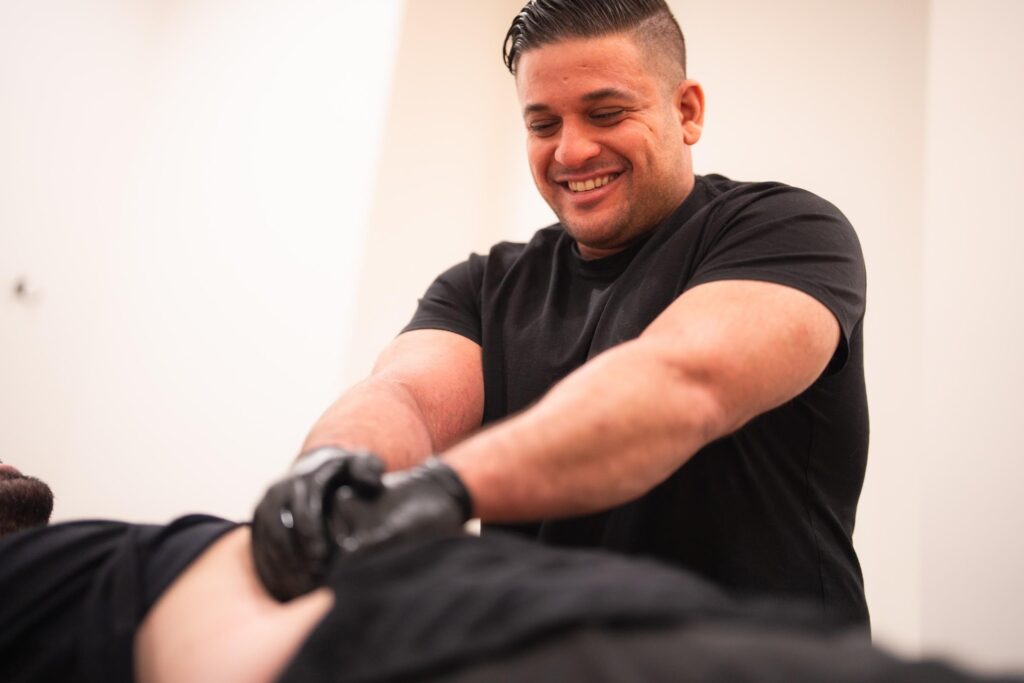
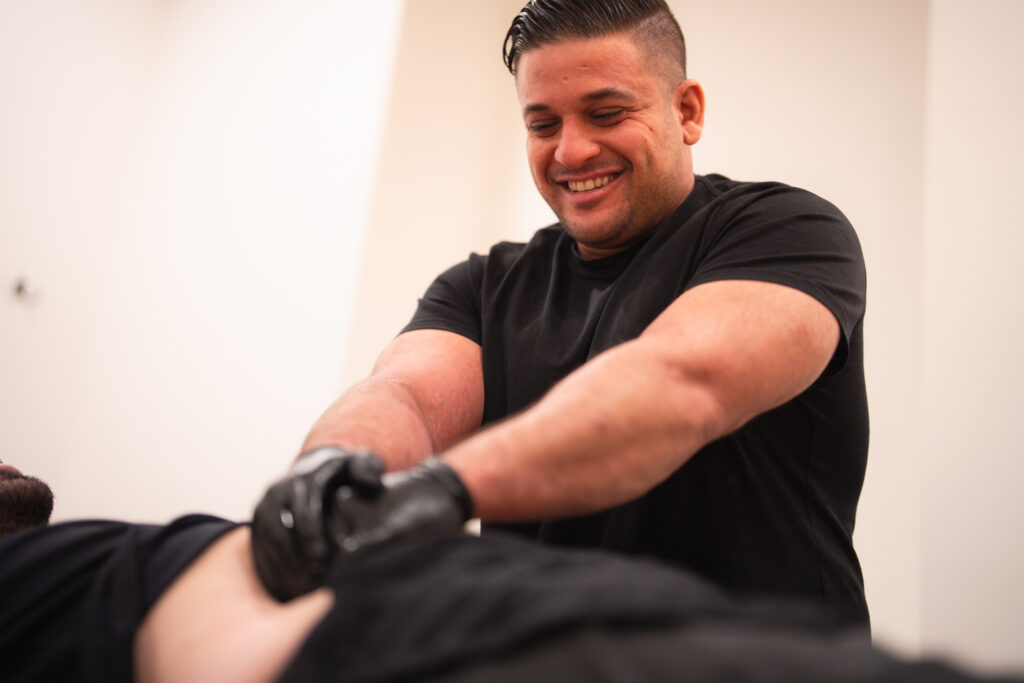
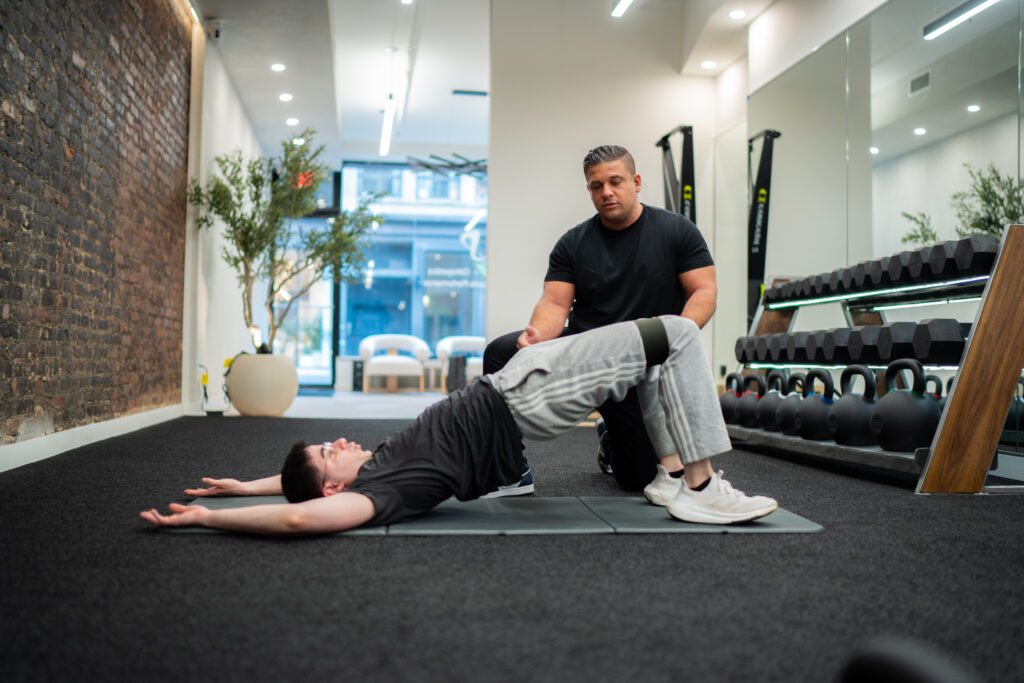
Every patient starts with a detailed history and hands-on assessment of posture, pelvic alignment, and pelvic floor muscle tone. I may also examine nearby structures, such as the obturator internus muscle, if they reproduce symptoms or show spasm. Treatment may include:
- Manual therapy to release tight pelvic floor muscles and connective tissue
- Nerve gliding exercises to reduce tension along the nerve’s pathway
- Pelvic floor relaxation training, since overactive muscles often drive this pain
- Postural correction to reduce pressure during daily activities
- Biofeedback to help you learn to release pelvic floor tension
- Education on sitting habits and activity changes that protect irritated tissue
Most patients improve when therapy consistently targets muscular overactivity, pressure management, and nerve irritation.
The goal is to reduce mechanical irritation and muscle tension around the nerve. Treatment is never one-size-fits-all, and I adjust the plan based on how your body responds week to week.
When Surgery Is Considered
For severe cases that don’t respond to conservative care, minimally invasive therapies or surgical interventions may be considered. In refractory cases, radiofrequency ablation may be used before or alongside surgery.
This procedure aims to address nerve entrapment, pudendal nerve compression, or pudendal canal syndrome by freeing the nerve from surrounding tissue, often near the sacrospinous and sacrotuberous ligaments, and pudendal nerve decompression or decompression surgery is intended to relieve pressure on irritated nerve fibers. Most surgeons recommend a full course of pelvic floor physical therapy first. Dorsal root ganglion stimulation is an investigational treatment. Reported results vary across studies and depend heavily on patient selection, but surgical decompression has reported success rates of about 60% to 80%, so it’s worth talking through realistic expectations with a surgeon experienced in this procedure. Physical therapy often continues to play a role in recovery afterward.
What Recovery Looks Like
Nerve tissue heals slowly, so consistency matters more than intensity, and recovery can take longer when symptoms involve pudendal neuropathy or prior pudendal nerve damage. Many people notice gradual improvement over weeks to months of regular treatment, though timelines vary. I track progress through symptom changes, sitting tolerance, and functional goals. The aim is not just less pain but getting you back to sitting, working, and living with less constant discomfort.
When to Get Evaluated
Don’t wait until the pain becomes unbearable. Persistent pelvic pain, bowel symptoms, or worsening burning, shooting, or pressure sensations deserve an evaluation. If you have any of the red flags listed above, seek medical care promptly.
For question or inquiry, you may book a FREE 15-minute teleconsultation with us.
Frequently Asked Questions
Does pudendal neuralgia go away?
For many patients, yes. With consistent treatment addressing the underlying muscular and nerve tension, symptoms often improve significantly over time, but outcomes vary, and not all chronic pain resolves with the same approach.
Can the pudendal nerve heal itself?
Nerves can heal, but recovery usually requires reducing the compression or irritation causing the problem. This is exactly what physical therapy targets.
Can pudendal neuralgia be cured?
Many patients reach a point of full or near-full symptom resolution. Outcomes depend on the cause, duration of symptoms, and consistency of treatment. In more severe or persistent cases, surgery is sometimes considered after conservative care fails.
What doctor treats pudendal neuralgia?
Care often involves a team, including a pelvic floor physical therapist, a pain management specialist, and sometimes a urologist or gynecologist. Because symptoms of pudendal neuralgia may include pelvic, genital, or low-back pain along with urinary, bowel, and sexual difficulties, as well as burning, tingling, numbness, and pain with sitting, diagnosis may also involve imaging, nerve blocks, or other testing, and an accurate diagnosis may require specialist evaluation because symptoms can overlap with other chronic pelvic pain conditions before it is confirmed with confidence.
How long does treatment usually take?
Timelines vary by patient, but many people notice meaningful improvement within six to twelve weeks of consistent pelvic floor physical therapy.
Do I need a referral to start pelvic floor physical therapy?
This depends on your location and insurance plan. Our clinic can help you understand what is required before your first visit.
If you are dealing with anal nerve pain and want a clear plan forward, I encourage you to schedule an evaluation at our clinic. Understanding the cause is the first step toward lasting relief.
Dr. Adam Gvili is a Doctor of Physical Therapy specializing in pelvic floor physical therapy and nerve-related pelvic pain conditions.