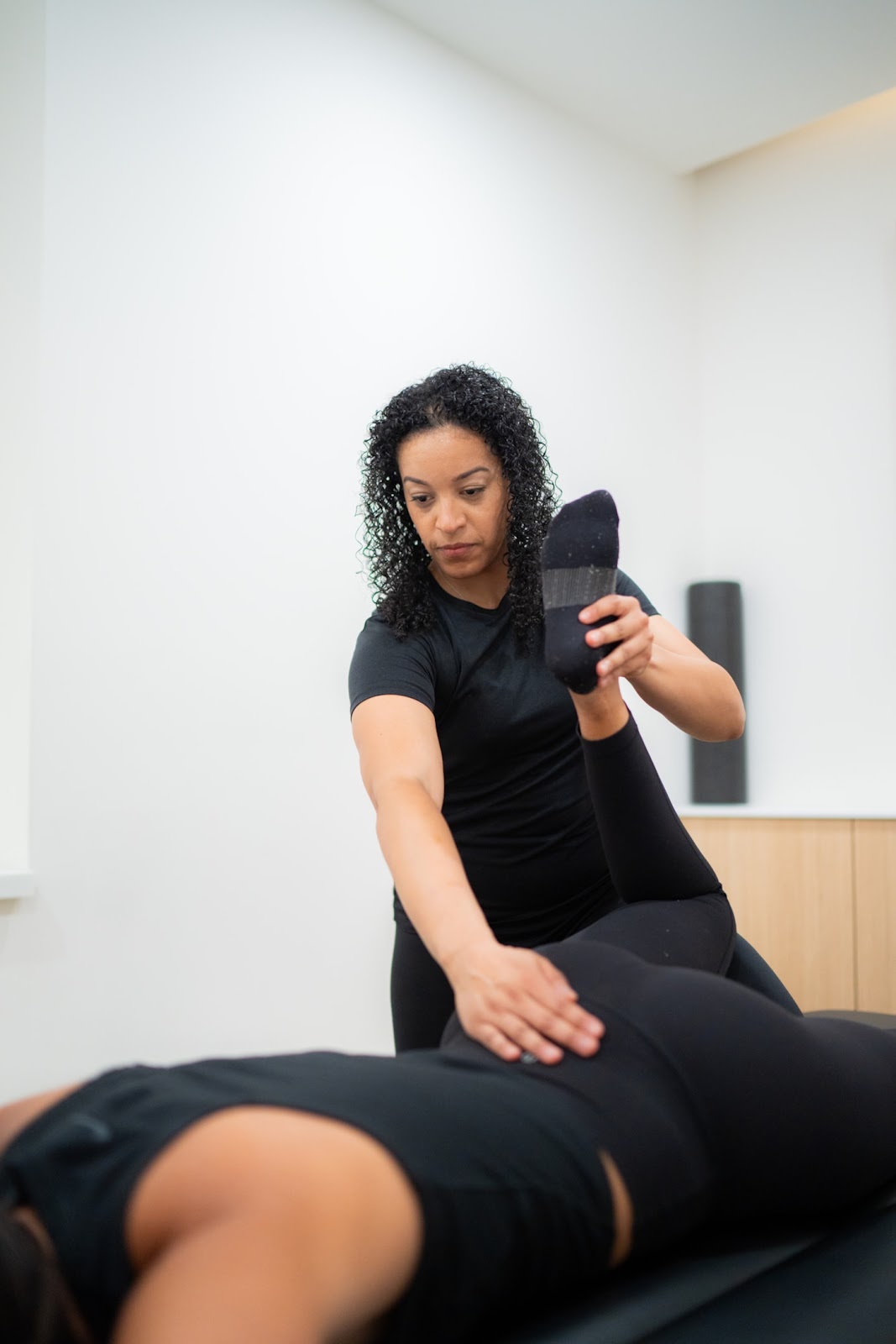
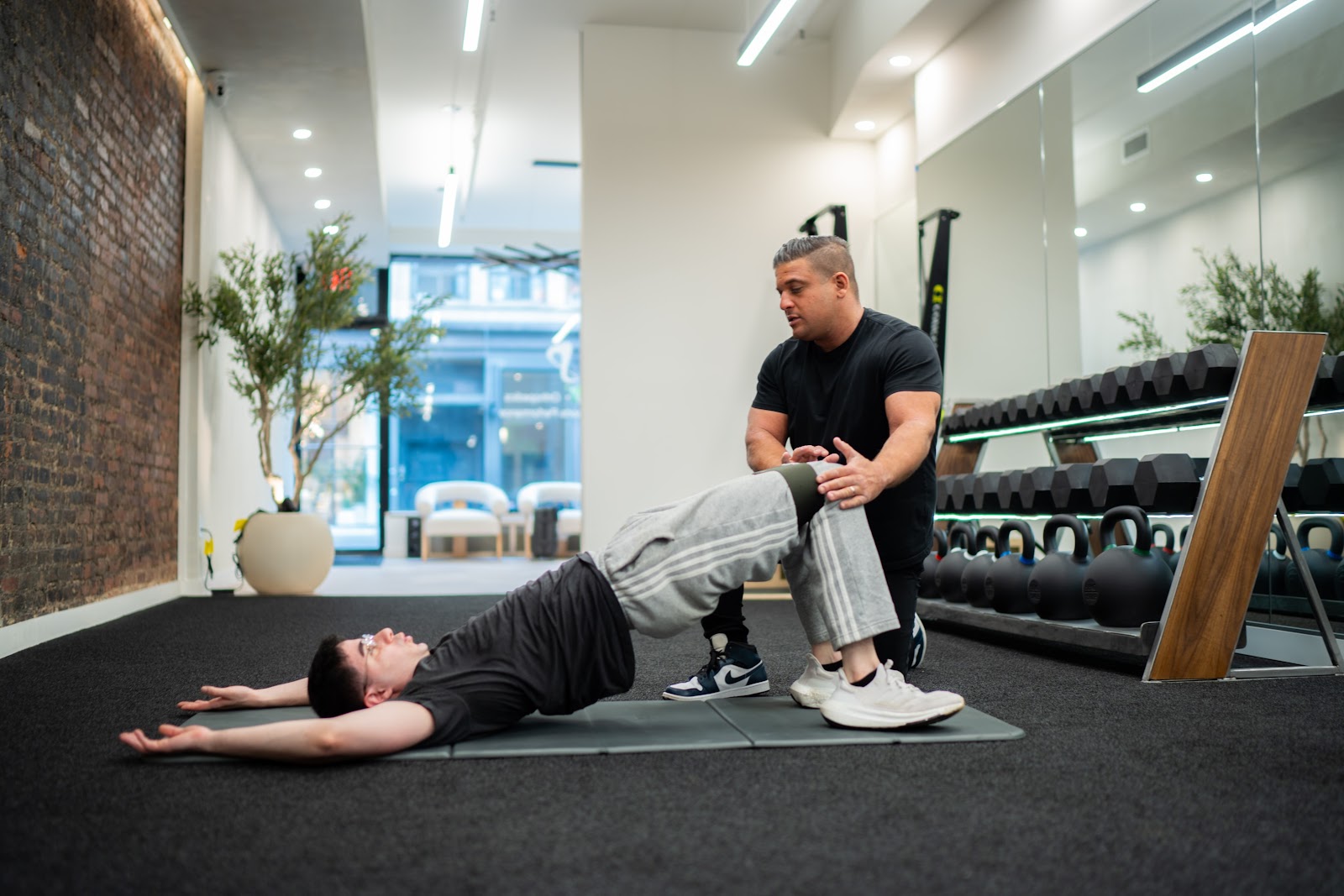
Do They Finger You During Pelvic Floor Therapy?

Do They Finger You During Pelvic Floor Therapy?

The Short Answer

Sometimes, pelvic floor therapy includes an internal pelvic floor exam using a gloved finger, but only when clinically appropriate and only with your informed consent. This internal exam is different from a gynecological exam—it focuses on assessing muscle function rather than reproductive organs, and does not involve instruments like speculums. It is never mandatory, never sexual, and there are always alternatives if you’re uncomfortable. Pelvic floor therapy sessions are conducted in a private treatment room to ensure confidentiality and comfort. Many patients receive effective pelvic floor therapy without any internal work at all.

Now, let’s break down why the question ‘do they finger you during pelvic floor therapy’ comes up, what actually happens, and what you can expect during your first visit.

Why People Ask: “Do They Finger You During Pelvic Floor Therapy?”

This is one of the most common — and least clearly explained — questions people search for before starting pelvic floor therapy.

Most patients aren’t worried about pain; they’re worried about:

  • Embarrassment
  • Loss of control
  • Not knowing what will happen
  • Whether internal touch is required

The lack of clear, plain-language explanations online leads to anxiety. This article aims to address that.


What Is Pelvic Floor Therapy?

Pelvic floor therapy (also called pelvic floor physical therapy or floor therapy) is a specialized form of physical therapy that treats muscle tension, weakness, coordination issues, and pain in the pelvic region.
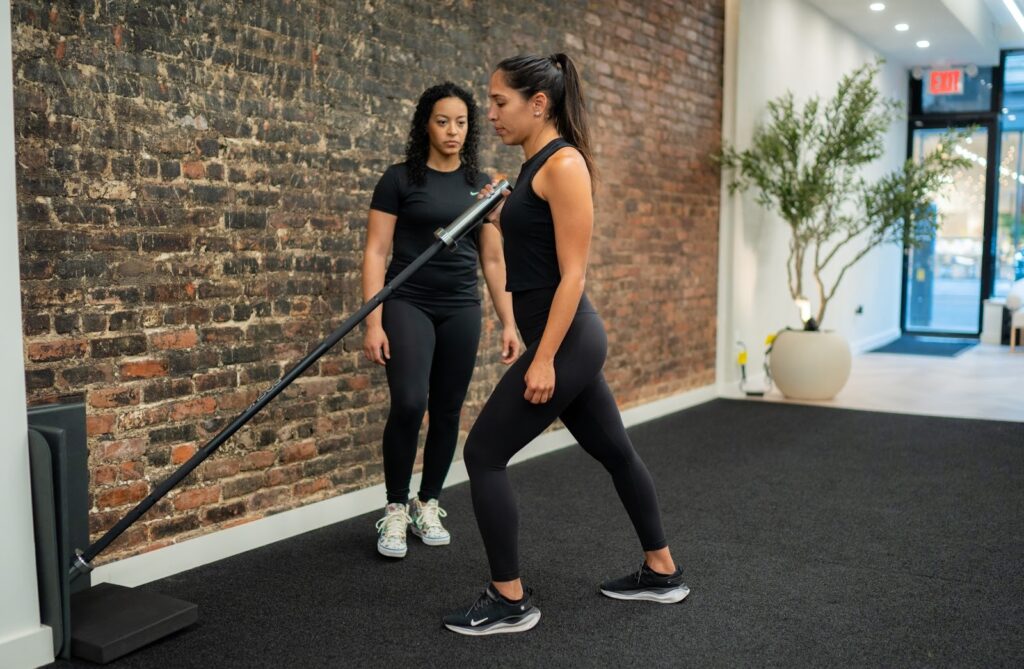
It’s commonly used for:

  • Pelvic pain
  • Pain with sex
  • Urinary or bowel symptoms
  • Difficulty with bowel movements
  • Erectile dysfunction
  • Postpartum or post-surgical recovery
  • Chronic muscle tension

Pelvic floor therapy addresses a full range of pelvic floor disorders and pelvic floor issues, providing comprehensive care for various pelvic health concerns.

Like orthopedic physical therapy, pelvic floor therapy focuses on muscles, nerves, and connective tissue — just in a more private area of the body.

What Is an Internal Pelvic Floor Exam?

An internal pelvic floor exam (also referred to as an internal exam or pelvic exam) is a clinical assessment in which a licensed pelvic floor physical therapist may insert one gloved, lubricated finger into the vaginal canal or rectum to gently evaluate the internal pelvic floor muscles.

This allows the therapist to assess:

  • Muscle tension or spasm
  • Strength and endurance
  • Coordination (can the muscle relax when asked?)
  • Trigger points contributing to pain

During the assessment, the therapist may gently introduce a finger at the vaginal opening to evaluate muscle tone and function. This internal exam is often performed during the initial consultation and is important for developing an accurate, individualized treatment plan.

It is manual therapy, similar in purpose to how a shoulder or hip might be examined externally.


Is Internal Pelvic Floor Therapy the Same as “Being Fingered”?

No — and this distinction matters.

Internal pelvic floor work is:

  • Medical
  • Structured
  • Goal-oriented
  • Slow and communicative

It is different from a gynecological exam, as it focuses on assessing muscle function rather than reproductive organs, and is designed to be gentle and patient-centered.

It is not sexual, not rushed, and not performed without explanation. Therapists describe what they’re doing, why they’re doing it, and check in continuously.

If the language online feels confusing, it’s because clinical care has been poorly explained — not because something inappropriate is happening.


When Is Internal Work Clinically Helpful?

Internal pelvic floor muscle assessment may be helpful when symptoms suggest:

  • Deep muscle tension
  • Pain not reproduced with external palpation
  • Difficulty relaxing the pelvic floor
  • Persistent symptoms despite other treatments
  • Muscle spasms
  • Overactive bladder

Examples include:

  • Chronic pelvic pain
  • Vaginismus or pain with penetration
  • Certain cases of erectile dysfunction
  • Pain that worsens with sitting or stress

Therapists may perform internal exams to evaluate issues such as muscle spasms and an overactive bladder, allowing them to tailor treatment to your specific needs.

That said, internal work is a tool — not a requirement.

When Internal Therapy Is Not Necessary

Many patients improve without any internal treatment at all.

External approaches may include:

  • External palpation of hips, abdomen, glutes, and thighs
  • Breathing and nervous system regulation
  • Postural and movement retraining
  • Manual therapy to the surrounding tissues
  • Treatment of related orthopedic issues

Therapists may also use other techniques to assess and treat pelvic floor issues, ensuring a comprehensive and individualized approach.

A skilled therapist builds a plan around your comfort level and goals.

What Happens During the First Visit?
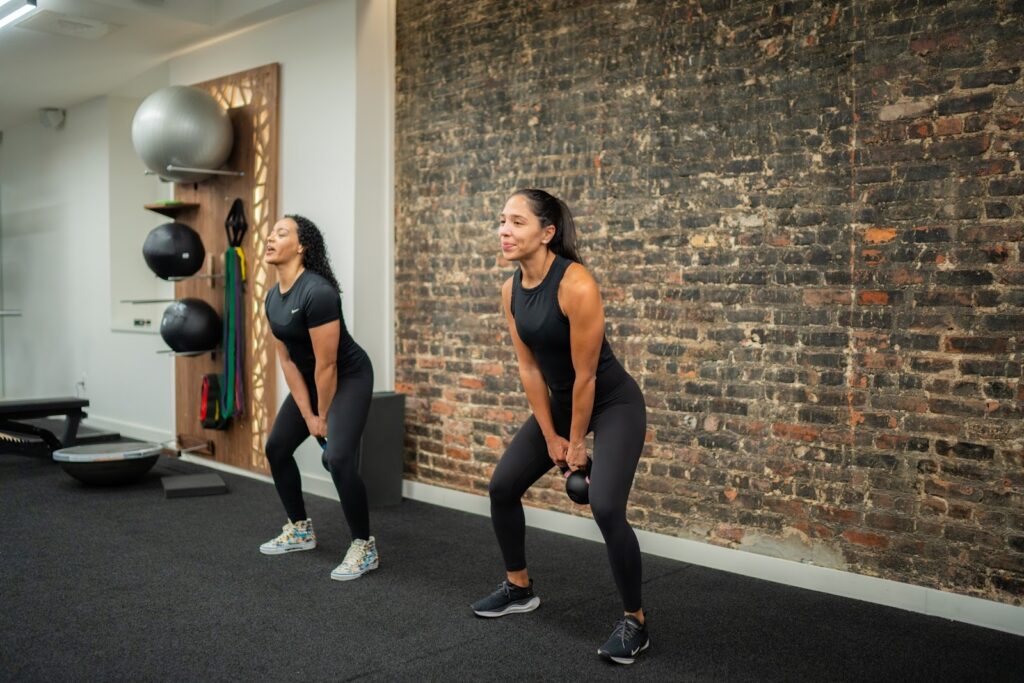
Your first appointment almost always focuses on conversation and assessment — not treatment.

  • The initial evaluation may include a physical exam to assess pelvic floor strength, tension, and coordination.

During the initial visit, the therapist will review your medical history and ask about your health and behaviors that may impact your condition.

The comfort of patients is a priority, and therapists will work at a pace that feels comfortable for each individual.

The initial evaluation typically includes:

  • Medical history and symptoms
  • Discussion of goals and concerns
  • Explanation of pelvic floor anatomy
  • External movement and posture assessment

Internal work is never sprung on you. If it’s suggested, it’s discussed first — and often deferred to a later session.


Orthopedic Issues and Pelvic Floor Therapy

Orthopedic issues and pelvic floor health are closely connected—often more than people realize. Your pelvic floor muscles don’t work alone. They are part of a larger system that includes your hips, lower back, abdominal wall, and pelvis. When problems occur in any of these areas, they can affect how your pelvic floor functions.

Conditions such as hip pain, lower back pain, tailbone pain, or pelvic organ prolapse can place extra strain on the pelvic floor. Over time, this can lead to weakness, tension, or poor coordination of these muscles.

Looking at the Whole Body
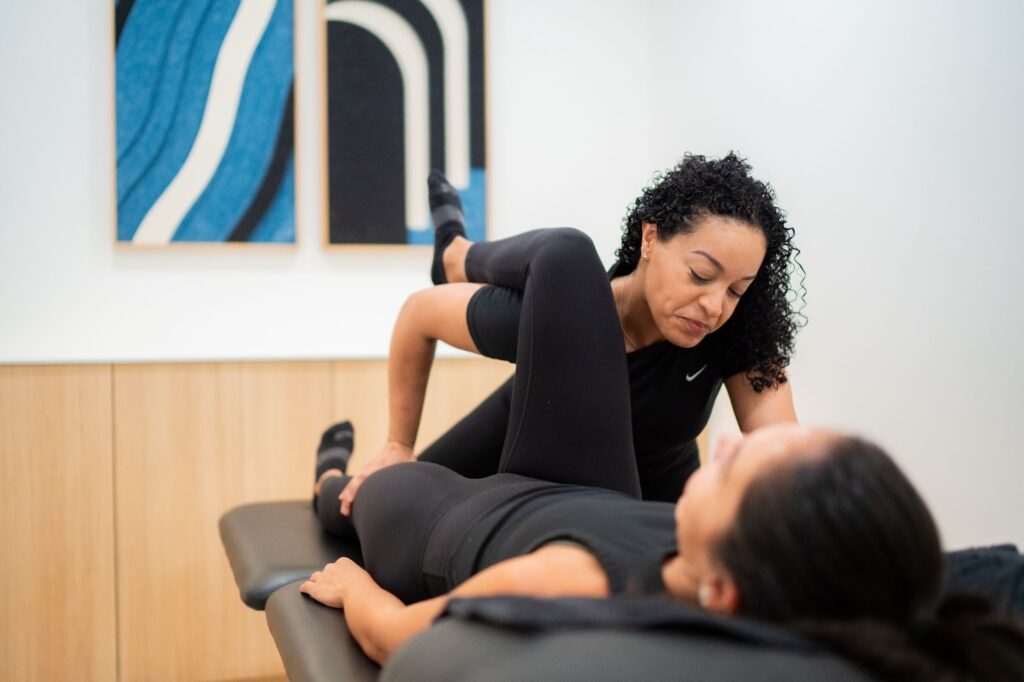
A pelvic floor physical therapist always looks at the body as a whole. During your initial evaluation, your therapist will assess:

  • Posture and pelvic alignment
  • How you move during daily activities
  • Strength, flexibility, and muscle tone in the hips, glutes, thighs, and abdominal wall

Orthopedic issues in one area can create or worsen pelvic floor dysfunction elsewhere, which is why a full-body assessment is so important.

Personalized Treatment Approach

Treatment is tailored to your specific needs. Depending on your symptoms, your therapist may use:

  • Manual therapy, such as massage, joint mobilization, or soft tissue work to reduce tension and improve mobility
  • Targeted exercises to strengthen the pelvic floor, improve posture, and support better movement patterns
  • Education on proper body mechanics and habits that protect your pelvic health

These strategies work together to reduce pain, restore function, and prevent symptoms from returning.

When More Specialized Care Is Needed

In some cases—such as ongoing tailbone pain or pelvic organ prolapse—a more in-depth treatment plan may be recommended. This can include an internal pelvic floor exam to check for muscle weakness, tightness, or trigger points that can’t be identified externally.

If internal therapy is suggested, your therapist will explain the purpose, discuss all options, and ensure you feel comfortable and informed throughout the process.

Do You Have to say yes to “Do they finger you during pelvic floor therapy?”

No. Always no.

You have the right to:

  • Decline internal therapy
  • Ask for alternatives
  • Stop at any point
  • Ask questions before and during treatment

Informed consent is a core requirement of pelvic floor physical therapy and professional licensing standards.

A therapist who pressures you is not practicing appropriately.


What Does Internal Manual Therapy Feel Like?

Most patients describe it as:

  • Mild pressure
  • Stretching
  • Awareness of muscles they didn’t know existed

It should not be painful. Discomfort is a signal to pause, adjust, or stop.

Therapists work within your tolerance, just like any other form of physical therapy.


How Muscle Tension Plays a Role

A common misconception is that pelvic floor problems are always about weakness.

In reality, muscle tension is often the bigger issue.

Tight pelvic floor muscles can:

  • Mimic weakness
  • Cause pain
  • Disrupt bladder, bowel, or sexual function

During a pelvic floor assessment, therapists evaluate the pelvic muscles, which are crucial for supporting pelvic organs, controlling urination and bowel movements, and contributing to sexual function and pelvic stability. Pelvic floor therapists perform assessments to evaluate muscle strength, tone, and coordination.

Internal assessment can help identify tension patterns that aren’t visible externally — but again, it’s only one option.

How This Compares to Other Physical Therapy

Think of it this way:

Area TreatedTypical PT Approach
ShoulderManual therapy + exercises
HipExternal palpation + movement
Pelvic floorExternal and/or internal assessment

The pelvic floor isn’t “special” because it’s sexual — it’s just anatomically internal.


Addressing Common Fears

“Is it awkward?”
At first, maybe. Therapists are trained to make it professional and calm.

“Is it embarrassing?”
Many patients feel that way initially — and almost all say it fades quickly.

“What if I have trauma?”
You should always disclose this. Trauma-informed care prioritizes safety and control.


Frequently Asked Questions (Schema-Ready)

Do they finger you during pelvic floor therapy?
Sometimes, but only if clinically appropriate and only with your consent.

Is an internal pelvic floor exam required?
No. Many patients improve without internal treatment.

What happens at the first pelvic floor therapy session?
Mostly conversation, education, and external assessment.

Can I refuse internal pelvic floor therapy?
Yes. You can decline at any time without affecting your care.

Is internal pelvic floor therapy painful?
It should not be. Discomfort should always be addressed immediately.


Final Takeaway

Pelvic floor therapy is medical care — not something to fear or feel embarrassed about. Internal pelvic floor exams are one optional tool among many, used thoughtfully, respectfully, and only with your consent. The best outcomes happen when patients feel informed, empowered, and in control of their care.

Ready to Talk to a Pelvic Floor Specialist You Can Trust?

If you’re considering pelvic floor therapy but still have questions or concerns, you’re not alone — and you don’t have to figure this out by yourself.

Pelvis NYC is a specialized pelvic floor physical therapy clinic serving men and women with a compassionate, evidence-based, and consent-first approach. Their therapists take time to explain every step, respect your boundaries, and tailor treatment to your comfort level — whether that includes internal therapy or not.

Why Patients Choose Pelvis NYC:

  • Dr. Samantha Vargas, a licensed pelvic floor physical therapist with advanced training
  • Trauma-informed, patient-led care
  • Clear explanations and fully informed consent
  • Non-invasive optionsare always discussed first
  • Experience treating pelvic pain, muscle tension, and sexual health concerns

📅 In-person and personalized care

👉 Schedule a consultation with Pelvis NYC to get answers, clarity, and a plan that feels right for you.

(Internal pelvic floor therapy is never required — your care is always collaborative.)
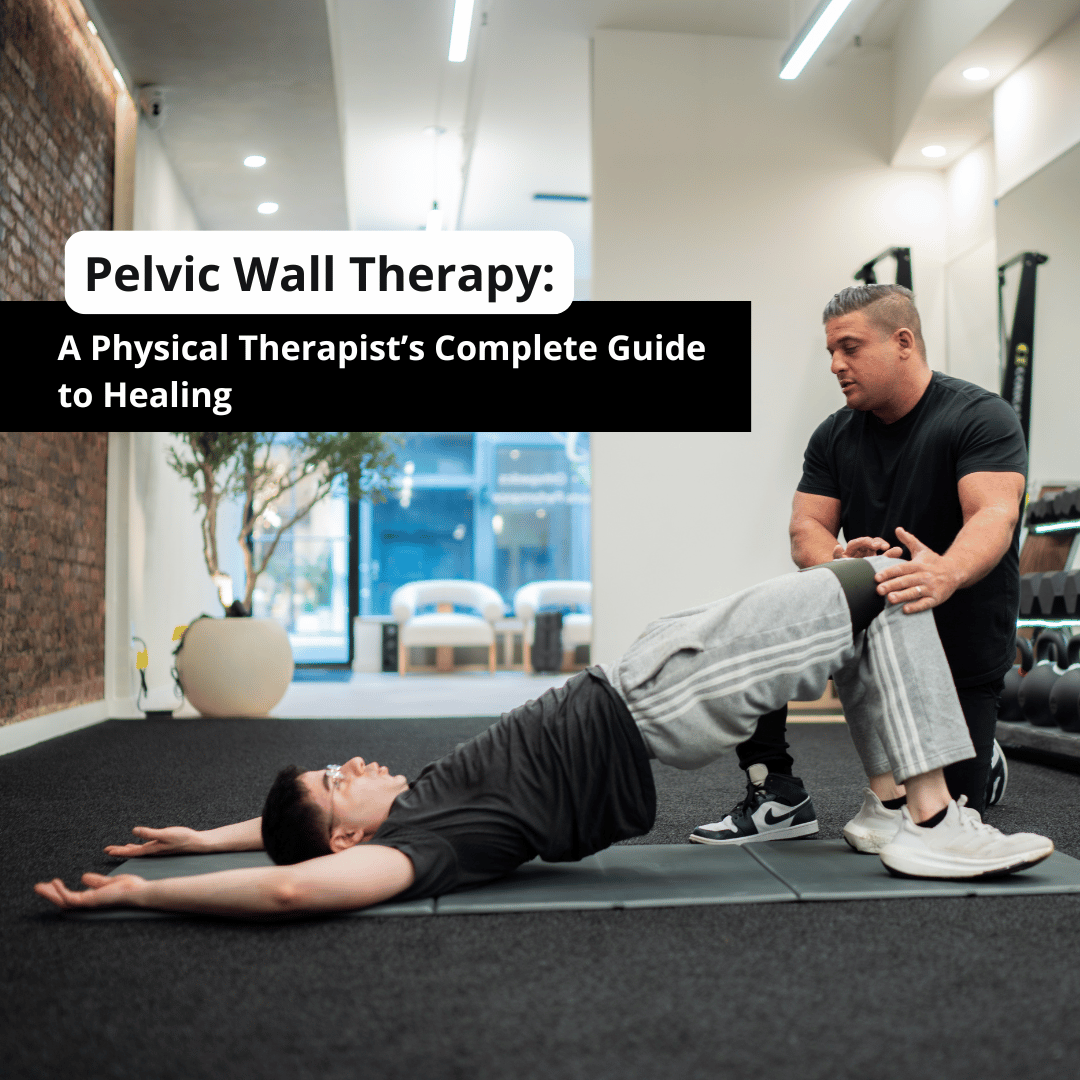
Pelvic Wall Therapy: A Physical Therapist’s Complete Guide to Healing

A Physical Therapist’s Complete Guide to Healing

Pelvic wall therapy, more commonly referred to as pelvic floor physical therapy (PFPT), is gaining traction as a transformative approach to managing a wide range of pelvic health issues. Despite the growing attention, confusion still exists about what pelvic wall therapy entails, who it’s for, and why it’s a first-line treatment backed by research and medical professionals alike.

As a Doctor of Physical Therapy specializing in pelvic health, I’ve seen the profound impact that this form of therapy can have. This guide will walk you through everything you need to know about pelvic wall therapy.

What Is Pelvic Floor Therapy?

Pelvic floor therapy is a subset of physical therapy that focuses on treating conditions caused by dysfunction of the pelvic floor muscles. The pelvic floor consists of muscles and connective tissue that support the bladder, uterus (or prostate), rectum, and other pelvic organs. These muscles and connective tissue form a hammock-like structure that supports vital internal organs and is attached to the pubic bone and the pelvis, providing stability to the pelvic region.

In women, the pelvic floor also supports the vagina, along with other reproductive organs. Whether the muscles are too weak (hypotonic), too tight (hypertonic), or poorly coordinated, therapy can help retrain them. Dysfunction can involve muscle weakness or muscle spasms, leading to pelvic floor disorder and a range of pelvic floor disorders. These conditions can affect sexual function, and in men, may contribute to erectile dysfunction. This process improves function and alleviates common but often misunderstood.

pelvic wall therapy

Pelvic Floor Physical Therapy: How It Works

When people think of pelvic floor physical therapy, Kegels are often the first thing that comes to mind. While Kegels (pelvic floor contractions) can be beneficial for some patients, they are far from a one-size-fits-all solution, and in many cases, they’re not even appropriate, especially for those with pelvic floor overactivity or pain.

Pelvic floor physical therapy is a specialized therapy offering a range of treatment options tailored to each patient. This comprehensive, individualized approach goes far beyond simple exercises. An individualized plan is created based on a thorough assessment to relieve symptoms and reduce pain. The therapy addresses the full complexity of pelvic floor dysfunction by targeting muscular imbalances, nervous system regulation, postural alignment, and behavioral habits that contribute to symptoms. Treatment may include exercise to strengthen pelvic floor muscles, target specific muscles, and train for activities such as heavy lifting. Here’s what that approach often includes:

Internal and External Assessments

During the first appointment, therapists evaluate pelvic floor muscles through both external (abdomen, hips, back) and internal (vaginal or rectal) exams, and an internal exam may be performed as part of the assessment to check muscle tone, strength, and coordination. This helps identify tightness, weakness, prolapse, or scar tissue that may be contributing to symptoms.

Based on assessment findings and patient comfort, both internal and external therapy options are considered to create a comprehensive treatment plan.

Manual Therapy

Hands-on techniques—like myofascial release, trigger point therapy, and scar tissue mobilization—are used to relieve pain, improve circulation, and restore normal muscle function. These may be applied internally or externally. External therapy, including joint mobilization, may be used to address issues in the sacroiliac joint and other areas to improve mobility and support pelvic health.

pelvic wall therapy

Biofeedback

This technology uses special sensors attached to the body to monitor the activity of specific pelvic floor muscles. The results are displayed in real time on a computer screen, giving patients immediate feedback on how their pelvic floor muscles are functioning. This helps them learn how to properly contract and relax these muscles. It’s particularly effective for retraining coordination and improving control.

Neuromuscular Reeducation

Therapists help retrain how the pelvic floor works with the core, diaphragm, and posture. This often involves movement-based exercises that integrate breathing, lifting, and stability training for better overall control.

Tailored Pelvic Floor Exercises

Rather than one-size-fits-all Kegels, therapists prescribe tailored pelvic floor exercises that may include Kegel exercises and relaxation techniques, depending on whether the muscles are tight, weak, or poorly coordinated. These can include strengthening, relaxation, or endurance work depending on your goals.

Behavioral Coaching

Simple lifestyle changes—like improving posture, toilet habits, or breathing patterns—can have a major impact. Therapists guide patients on daily routines that reduce strain on the pelvic floor and support healing.

Collaborative Care

When needed, pelvic health therapists work alongside urologists, gynecologists, and other specialists to ensure comprehensive care, especially for complex conditions like interstitial cystitis or chronic pelvic pain.


Recognizing the Symptoms of Pelvic Floor Dysfunction

Many people live with pelvic floor dysfunction without even realizing it. Symptoms can vary based on whether the muscles are too tight or too weak. Common symptoms include:

  • Urinary incontinence (leakage during sneezing, laughing, or running)
  • Overactive bladder (frequent, urgent need to urinate)
  • Pelvic organ prolapse (a sensation of bulging or heaviness)
  • Chronic pelvic pain
  • Pain during intercourse or gynecological exams
  • Constipation or straining during bowel movements
  • Low back, hip, or tailbone pain with no clear orthopedic cause

If you’re experiencing one or more of these symptoms, pelvic wall therapy may help relieve symptoms and improve your quality of life.

Why Physical Therapy Is the First Line of Treatment

For those experiencing pelvic floor issues, physical therapy is often recommended before surgical or pharmaceutical interventions. Physical therapists play a crucial role in providing expert care, assessing each patient’s needs, and guiding them through a range of treatment options tailored to their condition. It’s a low-risk, high-reward strategy that’s supported by extensive research.

pelvic wall therapy

A 2024 review published in Frontiers in Global Women’s Health highlighted that pelvic floor physical therapy is significantly effective in treating pelvic floor dysfunction—including urinary incontinence, pelvic pain, and sexual dysfunction—without adverse side effects.

Unlike medications that mask symptoms, physical therapy addresses the root cause: the muscle imbalance or coordination dysfunction at the heart of the issue.

How We Treat Pelvic Floor Dysfunction in Clinical Practice

As a pelvic health physical therapist, I assess not only the pelvic muscles themselves, but also the surrounding structures that influence function. Each patient receives an individualized plan based on their specific pelvic floor disorder, taking into account their medical history, examination findings, and personal goals. Treatment plans typically include:

  • Manual therapy for trigger points and soft tissue tension
  • Postural correction and diaphragmatic breathing
  • Pelvic floor exercises that focus on both strength and relaxation, addressing muscle weakness as well as tightness
  • Scar tissue mobilization (postpartum or post-surgical)
  • Biofeedback and electrical stimulation as needed
  • Internal therapy for appropriate cases, when the patient is comfortable
  • Education on bladder and bowel behavior modification

Each treatment plan is customized. For example, some patients need to learn how to relax the pelvic muscles—not tighten them—especially those with chronic pain or interstitial cystitis.

Pelvic Floor Exercises: More Than Just Kegels

Pelvic floor exercises are foundational in therapy, but they must be done correctly and under the right circumstances. Not everyone should do Kegels. For individuals with overactive (tight) pelvic muscles, relaxation exercises and down-training are more appropriate.

Examples of common exercises include:

  • Slow and fast Kegels (for strengthening, when appropriate)
  • Deep core and gluteal activation
  • Bridge and squat progressions
  • Child’s pose breathing and pelvic drop stretches

Your therapist will evaluate your baseline and recommend exercises that meet your body’s specific needs.

Managing Chronic Pelvic Pain and Interstitial Cystitis with Therapy

Interstitial cystitis (IC), also known as painful bladder syndrome, is a chronic condition characterized by bladder pressure, pain, and frequent urination. While the exact cause is unknown, pelvic floor dysfunction is a common underlying factor, and IC is considered one of several pelvic floor disorders that can be addressed with therapy.

Research shows that physical therapy focusing on myofascial release and trigger point therapy can significantly reduce symptoms in people with IC. Internal therapy, such as internal vaginal or rectal release techniques, is often included in the treatment plan—alongside behavior changes and bladder retraining. The goal of therapy is to relieve symptoms and reduce pain, improving overall quality of life.

Patients with IC often respond best to a multidisciplinary approach involving PT, dietary changes, and pain psychology.

When Should You Start Pelvic Floor Therapy?

Early intervention is ideal. However, it’s never too late to seek help. You should consider seeing a pelvic health physical therapist if you:

  • Experience urinary or bowel leakage
  • Have pelvic pressure or notice a bulge
  • Feel pain with sex or during pelvic exams
  • Suffer from chronic pelvic or lower back pain
  • Are recovering from childbirth, abdominal surgery, or pelvic trauma

Postpartum recovery is especially critical. Studies show that initiating pelvic floor therapy within the first 6–12 weeks postpartum can prevent long-term issues such as prolapse, diastasis recti, and bladder dysfunction.

What Does a Pelvic Therapy Session Look Like?

A typical pelvic floor physical therapy session may include:

  • Review of symptoms and daily habits
  • Reassessment of posture, breathing, and muscle tone
  • Guided pelvic floor exercises or manual therapy, including internal and external therapy as appropriate
  • Education on self-care tools (perineal massage, dilators, postural changes)
  • Progress tracking and goal-setting

Therapy is typically done once per week for 6 to 10 weeks, depending on your condition and response to treatment.

Conclusion: Take the First Step Toward Pelvic Health

Pelvic wall therapy is a safe, effective, evidence-based path to healing pelvic floor dysfunction. Whether you’re a new mom, recovering from surgery, or managing chronic pain or interstitial cystitis, pelvic floor physical therapy offers real hope without relying on medications or surgery.

As a PT, I’ve seen how profoundly this therapy can change lives. Don’t wait for symptoms to worsen. With tailored guidance, pelvic floor rehabilitation can restore function, reduce pain, and help you reclaim control over your body.

pelvic wall therapy

Ready to take the first step? Visit Pelvis NYC to schedule an evaluation with a specialized pelvic health therapist and start your journey to recovery.

Pelvic Floor Therapy for Women and How to Begin Today

Introduction

Pelvic health is a vital yet often overlooked part of women’s overall well-being. Many women experience issues such as incontinence, pelvic pain, or discomfort after childbirth—but few realize that these problems often stem from the same root: the pelvic floor. Fortunately, pelvic floor therapy for women offers a clinically proven, non-surgical solution to restore comfort, function, and confidence through various treatments and lifestyle changes.

What Is the Pelvic Floor?

The pelvic floor is a group of muscles, ligaments, and connective tissues that support the uterus, bladder, rectum, and vagina. These specific muscles provide support to the pelvic organs, maintaining the structural integrity of the reproductive, colorectal, and urinary tracts. These muscles form a “hammock” across the bottom of the pelvis and play a critical role in:

  • Bladder and bowel control
  • Sexual function
  • Stability of the spine and hips
  • Supporting pelvic organs

When the pelvic floor is working properly, these systems function in harmony. When it’s not—issues can arise.

Understanding Pelvic Floor Dysfunction

Pelvic Floor Dysfunction (PFD) occurs when these muscles are too tight, too weak, or uncoordinated. PFD can lead to a wide range of symptoms, including:

  • Urinary or fecal incontinence
  • Pain during intercourse
  • Pelvic pressure or heaviness
  • Constipation
  • Pain in the lower back, hips, or pelvis

Other symptoms can also arise from pelvic floor dysfunction, further disrupting normal daily activities.

Common causes of PFD in women include pregnancy, childbirth, surgery, hormonal changes, chronic constipation, or even high-impact sports.

Left untreated, these issues can severely impact physical and emotional quality of life. That’s where pelvic floor therapy comes in. Seeing a pelvic floor physical therapist is crucial for individualized assessment and treatment, ensuring effective strategies tailored to your condition.

What Is Pelvic Floor Physical Therapy?

Pelvic floor therapy is a specialized form of physical therapy focusing on the muscles, ligaments, and tissues that support the pelvic organs, including the bladder, uterus, and rectum. The therapy aims to strengthen, relax, and coordinate these muscles to alleviate various dysfunctions. Treatment methods may include manual therapy, biofeedback, electrical stimulation, and targeted exercises like Kegels. Trigger point therapy is also used as a technique within pelvic floor therapy to relieve symptoms associated with pelvic floor dysfunction.

Pelvic Floor Physical Therapist

A pelvic floor physical therapist is a specialized professional who conducts physical therapy aimed at strengthening and rehabilitating the pelvic floor muscles. They provide personalized care throughout the treatment journey, including assessments and collaborative approaches with other healthcare providers.

Who Needs Pelvic Floor Therapy?

Pelvic floor therapy can benefit women experiencing:

  • Urinary incontinence: Leaking urine during activities like coughing, sneezing, or exercising.
  • Pelvic organ prolapse: A feeling of heaviness or bulging in the vaginal area.
  • Chronic pelvic pain: Persistent discomfort in the pelvic region.
  • Painful intercourse: Discomfort during sexual activity.
  • Postpartum recovery: Weakness or dysfunction following childbirth.
  • Preparation for childbirth: Strengthening muscles before delivery.

Pelvic floor disorders, such as urinary incontinence, pelvic pain, and sexual problems, can be effectively managed with therapy.

Women of all ages, from postpartum mothers to those experiencing menopause, can benefit from pelvic floor therapy. An individualized program tailored to each patient’s needs ensures comprehensive care and effective treatment.

Benefits of Pelvic Floor Therapy and Rehab for Women

1. Improved Bladder and Bowel Control

Strengthening pelvic floor muscles can significantly reduce urinary and fecal incontinence, enhancing confidence and daily comfort. Additionally, pelvic floor therapy can address bowel dysfunction and bowel incontinence, providing comprehensive care for both urinary and bowel issues.

2. Alleviation of Pelvic Pain

Therapy addresses muscle tension and dysfunction, providing relief from chronic pelvic pain conditions like endometriosis or interstitial cystitis.

3. Enhanced Sexual Function

By improving muscle tone and relaxation, pelvic floor therapy can alleviate pain during intercourse and enhance sexual satisfaction. Additionally, therapy can encourage relaxation, which is crucial for improving overall sexual function.

4. Postpartum Recovery

Post-childbirth, therapy aids in restoring muscle strength and function, addressing issues like incontinence and pelvic pain. It also helps in managing pelvic floor weakness, a common issue after childbirth, by providing targeted exercises and professional guidance to rehabilitate the pelvic floor.

5. Prevention and Management of Pelvic Organ Prolapse

Strengthening the pelvic floor provides better support to pelvic organs, preventing or managing prolapse symptoms. The primary functions of the pelvic floor muscles include maintaining bowel and bladder control, which are crucial for overall pelvic health.

6. Increased Core Stability

As part of the core muscle group, a strong pelvic floor contributes to overall stability, posture, and reduced back pain.

7. Enhanced Quality of Life

Addressing pelvic floor issues can lead to improved mental health, reduced stress, and a greater sense of well-being.

Techniques and Exercises Used in Pelvic Floor Therapy for Women

Certified pelvic floor therapists use a variety of techniques to help restore optimal function. Some common ones include:

  • Biofeedback
  • Electrical stimulation
  • Manual therapy
  • Therapeutic exercises

Myofascial release is also used as a technique in therapy to improve muscle function and relieve pain.

An individualized plan is essential for effective treatment, as it is developed after a thorough consultation that includes a review of the patient’s medical history and specific goals.

1. Manual Therapy

Hands-on techniques to release tight or restricted pelvic muscles, improve circulation, and reduce pain.

Manual therapy not only targets the pelvic area but also benefits the body as a whole by enhancing overall physical health and control.

2. Biofeedback

A technique that uses sensors to help patients learn how to properly engage and relax their pelvic muscles. The results of pelvic floor biofeedback are displayed on a computer screen, allowing for real-time feedback and discussion with the therapist.

3. Neuromuscular Re-Education

Exercises that retrain the nervous system and pelvic floor to respond appropriately. Neuromuscular re-education can also help manage overactive bladder symptoms by improving bladder control and reducing urinary incontinence.

4. Pelvic Floor Exercises (e.g., Kegel Exercises)

While Kegels are well-known, many women do them incorrectly or unnecessarily. A therapist will teach customized strengthening or relaxation exercises based on your condition. Exercise is crucial in pelvic floor physical therapy, as specific exercises like Kegels are essential for strengthening pelvic muscles and alleviating symptoms.

5. Breathing and Core Integration

Diaphragmatic breathing and coordination with core muscles can dramatically improve pelvic floor function.

Additionally, maintaining pelvic floor health is crucial as it supports the reproductive tracts, ensuring proper function and overall well-being.

Pelvic Floor Physical Therapy for Women: Where to Start

If you’ve been dealing with symptoms like leaking, pain, or pressure and wondering if this is just something you have to live with — please know: you don’t.

Whether you’re postpartum, preparing for birth, navigating menopause, or simply trying to reconnect with your body, there is someone who can help—someone who understands exactly what you’re going through.

Ready to feel stronger, more confident, and pain-free? Our therapist will listen carefully, walk you through what’s happening in your body, and create a personalized plan tailored just for you — one that’s rooted in science and centered on your comfort and goals.

Visit Pelvis NYC to schedule your consultation today.