 Skip to content
Short Answer
Pelvic organ prolapse occurs when the pelvic floor muscles and connective tissues weaken, allowing organs like the bladder, uterus, or rectum to drop downward and press against the vaginal wall. Treatment often begins with pelvic floor physical therapy, lifestyle changes, and supportive devices such as pessaries. Many women improve significantly without surgery.
Although pelvic organ prolapse can feel uncomfortable or alarming, it is common and treatable. With early care and the right treatment plan, many women regain pelvic support, reduce symptoms, and return to normal daily activities.
Read more about Pelvic Wall Therapy: A Physical Therapist’s Complete Guide to Healing
What Is Pelvic Organ Prolapse?
Pelvic organ prolapse (POP) occurs when one or more pelvic organs move from their normal position and push against the vaginal wall. This happens when the pelvic floor muscles and connective tissues that support these organs become stretched or weakened. Vaginal wall prolapse is a common form of genital prolapse, which refers to the descent of pelvic organs into or through the vagina.
The pelvic organs include:
- Bladder
- Uterus
- Rectum
- Small intestine
The pelvic muscles play a crucial role in supporting these organs, and dysfunction of these muscles—known as pelvic floor dysfunction—can contribute to the development of prolapse. When support structures weaken, the organs can descend and create different types of prolapse depending on which organ is involved. Pelvic organ prolapse results from pelvic support defects, which can affect different compartments of the vaginal wall.
Types of Pelvic Organ Prolapse
| Type of Prolapse | Organ Involved | Description |
| Cystocele | Bladder | The bladder bulges into the anterior vaginal wall (prolapse of the bladder into the front wall of the vagina) |
| Rectocele | Rectum | The rectum pushes into the posterior vaginal wall (prolapse of the rectum into the back wall of the vagina) |
| Uterine prolapse | Uterus | The uterus drops into the vaginal canal |
| Enterocele | Small intestine | The small intestine presses into the upper/posterior vaginal wall (prolapse of the small intestine into the upper part of the vagina) |
| Vaginal vault prolapse | Top of vagina | Occurs after hysterectomy |
Posterior vaginal wall prolapse (rectocele) and anterior vaginal wall prolapse (cystocele) are common forms of vaginal wall prolapse, each involving different compartments of the vaginal wall.
According to the American College of Obstetricians and Gynecologists, pelvic organ prolapse affects nearly 1 in 3 women at some point in their lives.
Common Symptoms of Pelvic Organ Prolapse
Pelvic organ prolapse can cause symptoms such as pelvic pressure, a sensation of vaginal bulging, urinary or fecal incontinence, and sexual dysfunction.
Symptoms vary depending on the severity and the organ involved. Many women describe prolapse as a feeling of pressure or heaviness in the pelvis.
Common symptoms include:
- Vaginal pressure or fullness
- Feeling like something is “falling out” of the vagina
- A visible or noticeable vaginal bulge
- Pelvic heaviness, especially after standing for long periods
- Urinary leakage or difficulty urinating
- Constipation or difficulty having bowel movements
- Pain during intercourse
- Lower back discomfort
Other symptoms may include urinary incontinence, fecal incontinence, and sexual dysfunction, which can also be associated with pelvic organ prolapse.
Symptoms may worsen:
- At the end of the day
- After prolonged standing
- During heavy lifting
- During high-impact exercise
Early prolapse may cause only mild symptoms. More advanced prolapse can significantly affect daily comfort and quality of life.
Why Does Pelvic Organ Prolapse Happen?
Pelvic organ prolapse develops when the pelvic floor muscles and connective tissues lose strength and support.
Several risk factors can contribute to the development of pelvic organ prolapse. Several factors can contribute to this change. Connective tissue disorders can increase the risk of prolapse by weakening the pelvic support structures. Chronic constipation is also a risk factor, as repeated straining during bowel movements can further weaken these tissues. Chronic increases in intra-abdominal pressure, due to persistent coughing, constipation, or heavy lifting, can accelerate the development of pelvic organ prolapse.
Pregnancy and Vaginal Birth
Pregnancy places significant pressure on the pelvic floor.
Vaginal delivery is a key risk factor for pelvic organ prolapse. Vaginal childbirth is the most significant risk factor, especially with high parity (multiple pregnancies), large birthweight, forceps-assisted delivery, or prolonged labor.
Women who have had multiple pregnancies may have a higher risk of developing prolapse.
Aging and Hormonal Changes
Estrogen helps maintain tissue strength in the pelvic floor.
After menopause, estrogen levels decrease, which can weaken pelvic tissues and reduce support for the pelvic organs.
Chronic Pressure on the Pelvic Floor
Repeated pressure inside the abdomen can strain the muscles and ligaments that support pelvic organs.
Common causes include:
- Chronic coughing
- Heavy lifting
- High-impact exercise
- Long-term constipation
- Straining during bowel movements
Over time, this pressure can stretch pelvic support structures.
Genetic Tissue Weakness
Some women naturally have weaker connective tissue.
Connective tissue disorders, such as Ehlers-Danlos syndrome, can increase the risk of pelvic organ prolapse by weakening the pelvic support structures.
A family history of pelvic floor disorders may increase the likelihood of developing prolapse.
How Pelvic Organ Prolapse Is Diagnosed
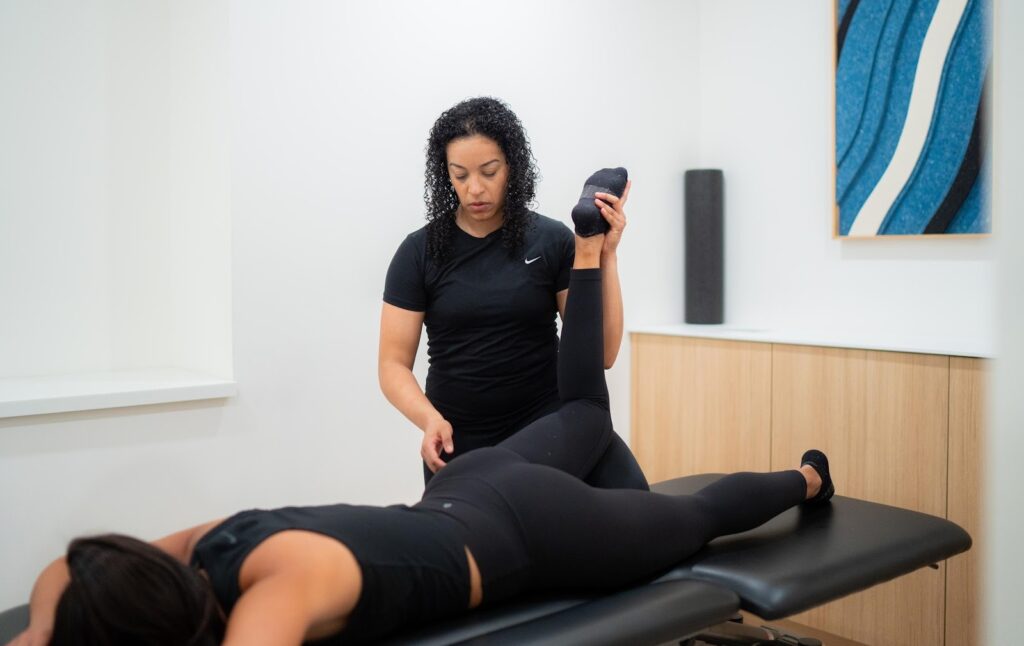
Diagnosis usually begins with a medical history and pelvic exam. Pelvic organ prolapse is diagnosed through a combination of patient-reported symptoms and a thorough pelvic examination. The physical examination should include inspection of the external genitalia and vaginal mucosa for signs of atrophy, irritation, or ulceration. During the pelvic examination, the provider may ask the patient to perform a Valsalva maneuver or cough to elicit maximum prolapse. If prolapse is not fully appreciated in the supine position, the exam should be repeated with the patient upright.
During the exam, a healthcare provider evaluates:
- Pelvic floor muscle strength
- Vaginal wall support
- Organ movement during straining or coughing
Pelvic organ prolapse quantification is performed using standardized prolapse grading systems, such as the POP-Q system or the Baden-Walker Halfway Scoring System, to provide objective staging and consistent documentation of prolapse severity. The pelvic floor disorders network offers valuable resources, standardized terminology, and guidelines to support clinicians in the assessment and management of pelvic floor disorders.
Adjunctive Tests
- Ultrasound
- MRI imaging
- Urodynamic testing to evaluate bladder function
- Post-void residual measurement
- Stress-cough testing with and without prolapse reduction
These tests help determine the type and severity of prolapse and guide the most appropriate treatment plan. The assessment of pelvic organ prolapse integrates patient-reported symptoms with a standardized physical examination to accurately determine the type and severity of pelvic support defects.
Pelvic Organ Prolapse Stages
Pelvic organ prolapse is commonly graded from Stage 1 to Stage 4.
| Stage | Description |
| Stage 1 | Mild prolapse: minimal descent within the vagina, often asymptomatic and may not require intervention |
| Stage 2 | Organ reaches the vaginal opening |
| Stage 3 | Organ protrudes beyond the vaginal opening |
| Stage 4 | Complete prolapse outside the vagina |
Many women seek treatment during Stage 1 or Stage 2, when conservative treatments are most effective.
Can Pelvic Organ Prolapse Be Treated Without Surgery?
Yes. Many women manage pelvic organ prolapse successfully without surgery, particularly when it is diagnosed early.
Nonsurgical treatments focus on managing symptoms and improving quality of life. The choice between conservative versus surgical management depends on factors such as the severity of prolapse, patient preference, and overall health.
Conservative treatments often include:
- Pelvic floor physical therapy
- Lifestyle changes
- Vaginal pessaries
- Bladder and bowel management strategies
Surgery is usually considered only when symptoms are severe or conservative treatments do not provide relief.
The Role of Pelvic Floor Physical Therapy

Pelvic floor physical therapy is one of the most effective non-surgical treatments for pelvic organ prolapse.
The pelvic floor muscles act like a supportive hammock for the pelvic organs. When these muscles become weak or poorly coordinated, prolapse symptoms can worsen.
A pelvic health physical therapist evaluates:
- Pelvic floor strength
- Muscle coordination
- Core stability
- Breathing patterns
- Pressure management
Based on this evaluation, a personalized rehabilitation plan is created.
Pelvic Floor Muscle Training
Targeted exercises strengthen the muscles that support pelvic organs.
Benefits may include:
- Reduced vaginal pressure
- Improved bladder control
- Better pelvic support
- Slower progression of prolapse
Research published in the International Urogynecology Journal shows that pelvic floor muscle training can significantly improve early prolapse symptoms.
Breathing and Pressure Management
Many women unintentionally place excessive pressure on the pelvic floor during everyday activities.
Physical therapy teaches coordination between:
- Diaphragmatic breathing
- Core muscle activation
- Pelvic floor engagement
This helps reduce strain during activities like lifting, exercising, and bowel movements.
Posture and Movement Training
Body mechanics play an important role in pelvic floor health.
Therapists may address:
- Lifting technique
- Exercise modifications
- Posture habits
- Running mechanics
These adjustments help protect the pelvic floor from excessive pressure.
Lifestyle Changes That Can Help Prolapse
Daily habits can significantly influence prolapse symptoms.
Helpful strategies include:
Avoid Straining
Straining during bowel movements increases pelvic pressure.
Increasing fiber intake and staying well-hydrated can help prevent constipation.
Maintain a Healthy Weight
Excess body weight places additional pressure on pelvic organs.
Maintaining a healthy weight can reduce stress on the pelvic floor.
Manage Chronic Cough
Persistent coughing from smoking, asthma, or respiratory illness can worsen prolapse.
Treating the underlying cause helps protect pelvic tissues.
Modify High-Impact Exercise
High-impact activities may increase downward pressure on the pelvic floor.
Exercises that may need modification include:
- Jumping
- Heavy weightlifting
- High-impact running
A pelvic floor therapist can help identify safe exercise alternatives.
Medical Treatments for Pelvic Organ Prolapse
If conservative treatments do not provide enough relief, medical options may be recommended.
Vaginal Pessary
A pessary is a removable medical device placed in the vagina to support pelvic organs.
Benefits include:
- Non-surgical support
- Reduced prolapse symptoms
- Improved bladder function
Regular follow-up visits help ensure proper fit and prevent complications such as vaginal ulceration and abnormal vaginal discharge, which may indicate infection or tissue irritation.
Medications
Medications cannot cure prolapse, but topical estrogen therapy may improve vaginal tissue health in postmenopausal women.
Surgical Treatment for Pelvic Organ Prolapse
Surgery may be recommended for severe pelvic organ prolapse or when conservative treatments like physical therapy and pessaries do not provide relief. There are two main types of surgery:
- Reconstructive surgery – Restores normal pelvic anatomy and function.
- Obliterative procedures – Close off part of the vagina and are usually for women who do not wish to maintain sexual function (e.g., colpocleisis).
Common surgical procedures include:
- Vaginal repair surgery
- Uterine suspension
- Vaginal vault suspension after hysterectomy
- Sacrocolpopexy – A preferred procedure that uses mesh to support the vaginal cuff or apex, usually through an abdominal incision. The mesh is attached to the sacrum for long-term support.
- Colpocleisis – An obliterative surgery for women who do not wish to preserve sexual function.
Important considerations:
- Vaginal mesh may be used to strengthen repairs but can carry risks such as mesh exposure, infection, or pelvic pain.
- Supporting the vaginal cuff and posterior vaginal fornix is essential for stability and optimal outcomes.
- Women with a history of pelvic surgery or hysterectomy are at higher risk of prolapse due to disrupted support structures.
Surgery can also help manage complications like bladder or bowel obstruction, urinary incontinence, pelvic pain, and fecal incontinence.
Planning surgery depends on:
- Type and severity of prolapse
- Age and overall health
- Whether the patient has had uterine prolapse
The goal of surgery is to restore or preserve normal pelvic anatomy and function. According to Obstetrics & Gynecology, surgery is usually considered only after conservative treatments have been tried.
Why Early Treatment Matters
Pelvic organ prolapse rarely improves without treatment.
However, early intervention can prevent progression and significantly improve symptoms.
Many women delay seeking care because of embarrassment or uncertainty about treatment options. Early evaluation allows healthcare providers to recommend effective non-surgical treatments.
How Pelvis NYC Helps Women With Pelvic Organ Prolapse
At Pelvis NYC, pelvic health specialists provide evidence-based pelvic floor physical therapy designed specifically for women.
Treatment programs include:
- Comprehensive pelvic floor evaluation
- Personalized strengthening programs
- Core and breathing coordination training
- Movement and posture retraining
- Lifestyle guidance to reduce pelvic pressure
The clinic provides private, compassionate care tailored to each patient’s needs.
👉 Schedule a consultation with Pelvis NYC to create a personalized pelvic floor rehabilitation plan and restore pelvic support.
Common Question: Do They Finger You During Pelvic Floor Therapy?
Frequently Asked Questions
What is the main cause of pelvic organ prolapse?
The most common causes include pregnancy, childbirth, aging, hormonal changes, and chronic pressure on the pelvic floor.
Can pelvic organ prolapse improve without surgery?
Yes. Many women see improvement with pelvic floor physical therapy, lifestyle changes, and supportive devices such as pessaries.
Are Kegel exercises enough to treat prolapse?
Kegel exercises can help strengthen pelvic floor muscles, but guided pelvic floor therapy often produces better results because it focuses on coordination and proper technique.
When should I see a doctor for prolapse symptoms?
You should seek medical evaluation if you experience pelvic pressure, a vaginal bulge, urinary issues, or bowel difficulties.
Can exercise make prolapse worse?
Certain high-impact exercises or heavy lifting may worsen symptoms. A pelvic floor therapist can recommend safer exercise modifications.
Key Takeaway
Pelvic organ prolapse occurs when weakened pelvic floor muscles allow pelvic organs to shift downward. While symptoms can be uncomfortable, many women improve with conservative treatment.
Effective management often includes:
- Pelvic floor physical therapy
- Pressure and movement retraining
- Lifestyle adjustments
- Pessary support
- Medical or surgical treatment when necessary
Early evaluation and treatment can significantly improve pelvic support and quality of life.


No comment yet, add your voice below!