Jelqing Before and After: What Men Need to Know About Penis Size

If you’ve searched for jelqing before and after photos, you’re not alone. Many men come to our clinic looking for answers about penis size, erection quality, and sexual confidence. While the internet is filled with dramatic claims about enlargement techniques, the reality is more nuanced—and often more hopeful.

As a pelvic floor physical therapist in New York City, I’ve found that many men who are worried about size are actually dealing with issues related to pelvic floor dysfunction, erectile quality, pelvic tension, or performance anxiety. Understanding the difference can help you focus on solutions that are supported by evidence rather than internet myths.

Quick Answer: Current medical evidence does not show that jelqing permanently increases penis size. However, repetitive stretching techniques may contribute to tissue irritation, pelvic floor dysfunction, pain, or erectile problems in some men. Pelvic floor physical therapy cannot make the penis anatomically larger, but it can help improve erection quality, pelvic health, sexual function, and confidence by addressing the underlying factors that often drive concerns about size.

Not sure if pelvic floor therapy is right for you? Book a free 15-minute teleconsultation with Dr. Adam—no referral needed.
https://calendly.com/drpelvis/appointment


What Is Jelqing, and Do Jelqing Before and After Results Actually Work?

There is currently no high-quality scientific evidence showing that jelqing produces predictable, permanent penis enlargement.

**Quotable takeaway: Most jelqing before and after claims are anecdotal, while the scientific evidence supporting permanent enlargement remains extremely limited.

Jelqing is a manual stretching technique promoted online as one of several jelqing techniques for male enlargement. The theory is that repeated stretching, performed with the fingers by gripping near the base of your penis and moving toward the tip, creates microscopic changes within penile tissue that eventually lead to increased length or girth.

The problem is that this theory has not been validated by well-designed clinical research.

What the Research Shows

Several findings are worth noting:

  • A review published in BJU International concluded that evidence supporting non-surgical penile enlargement techniques is limited.
  • Research suggests that many men seeking enlargement already fall within normal penile measurement ranges, often because they misunderstand the average penis size.
  • Studies have found that approximately 45% of men report dissatisfaction with penis size, despite objective measurements often being normal.

As clinicians, we have to separate internet anecdotes from medical evidence. Jelqing is typically described online as a manual stretching technique, and it is often described as originating with Sudanese tribes in the Middle East. Claims about jelqing results are often repeated in internet forums and sexual medicine discussions despite poor evidence for penis lengthening or attempts to increase penis length. Most medical organizations do not recommend jelqing.

At our NYC clinic, we frequently meet men who have spent months researching enlargement techniques but have never had a proper evaluation of their pelvic floor function, erection quality, or contributing musculoskeletal factors.

Can Jelqing Exercises Cause Pelvic Floor Dysfunction?

Yes, in some cases, aggressive or repetitive stretching may contribute to pelvic floor dysfunction, pelvic pain, or sexual symptoms, and those risks are one reason clinicians caution against overdoing it.

**Quotable takeaway: Pain is not a sign that enlargement is occurring—it is a sign that tissues may be becoming irritated.
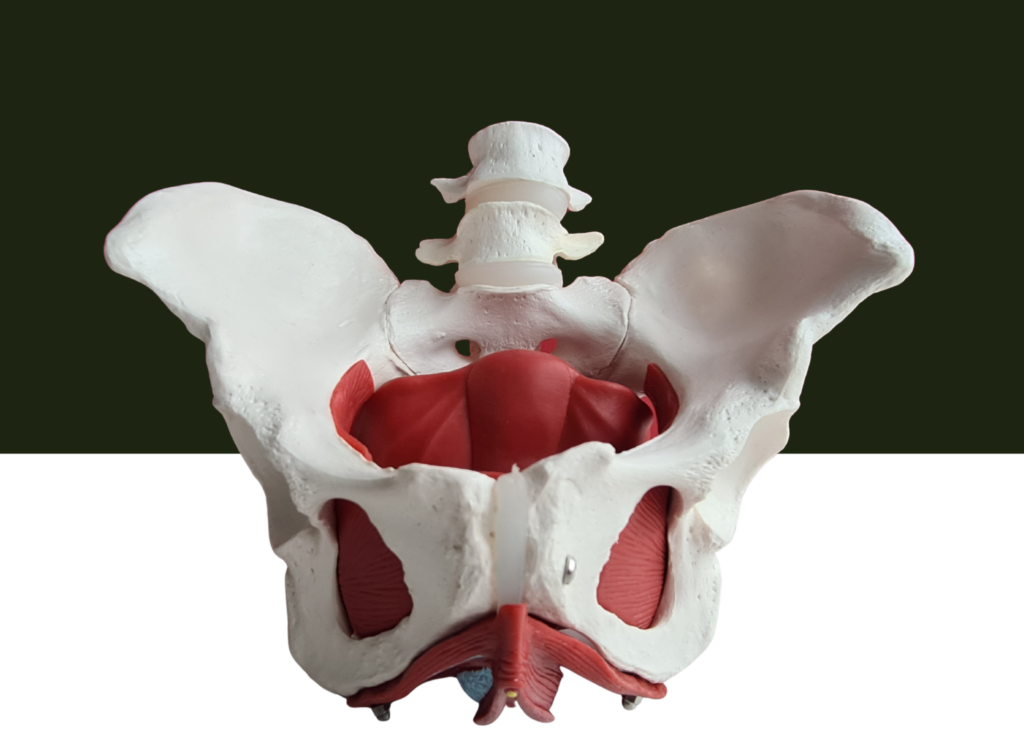
The pelvic floor is a group of muscles that support the bladder, bowel, and sexual organs. These muscles also play a critical role in erections, ejaculation, and sexual sensation.

Unlike skeletal muscles, penile tissue does not adapt to stretching the way gym-trained muscle does.

When tissues become irritated, the body’s natural response is often to increase muscular guarding, and aggressive stretching may impair healthy blood circulation rather than improve it over time.

How Scar Tissue Develops in This Process

Repeated stretching may lead to:

  • Local tissue irritation and skin irritation
  • Bruising
  • Increased sensitivity
  • Scar tissue formation that may contribute to Peyronie’s disease
  • Pelvic muscle tension
  • Protective muscle guarding

While some users report temporary increased blood flow after jelqing, that should not be mistaken for permanent enlargement. Unlike skeletal muscles, penile tissue does not adapt to stretching like weight training, so the risks of aggressive stretching can outweigh any perceived short-term benefit. Over time, this may contribute to hypertonic pelvic floor dysfunction, meaning the pelvic floor muscles become excessively tight and overactive.

Common Symptoms

Men with pelvic floor dysfunction may experience:

  • Pelvic pain
  • Groin tightness
  • Painful erections
  • Painful ejaculation
  • Erectile dysfunction
  • Urinary urgency
  • Urinary frequency
  • Difficulty relaxing during sex

Learn more about our approach to male pelvic floor dysfunction treatment:
pelvis.nyc/understanding-male-pelvic-floor-dysfunction-symptoms-causes-and-treatment/


What Is the Role of Pelvic Floor Physical Therapy in Jelqing and Penis Size Concerns?
Pelvic floor physical therapy does not increase penile size, but it can improve the factors that influence sexual performance and erection quality.

Quotable takeaway: Pelvic floor therapy focuses on improving function—not creating anatomical enlargement.

This is where I believe many online discussions miss the bigger picture.

Most men are not actually looking for a ruler measurement. They’re looking for:

  • Better erections
  • More confidence
  • Improved sexual performance
  • Better sensation
  • Less anxiety

What Pelvic Floor Therapy Can Improve

Pelvic floor therapy may help address:

  • Pelvic muscle tension
  • Erectile dysfunction
  • Ejaculatory control issues
  • Pelvic pain
  • Breathing dysfunction
  • Core coordination deficits
  • Movement restrictions affecting pelvic health

Why Erections Sometimes Feel “Smaller”

One of the most common things I hear is:

“My penis feels smaller than it used to.”

In many cases, the issue isn’t anatomy.

When pelvic floor muscles become tight and overactive:

  • Blood flow may be affected.
  • Erections may feel less rigid.
  • The penis may appear less full.
  • Pelvic tension may create a sensation of retraction.

When we restore healthy pelvic floor function, patients often report stronger erections and improved confidence. The penis has not physically grown, but function has improved.

This is one reason many men who initially seek penis enlargement exercises ultimately benefit more from pelvic floor rehabilitation than continued stretching.

A Unique Pelvis NYC Perspective

At Pelvis NYC, we don’t look only at the penis.

We evaluate:

  • Pelvic floor muscle function
  • Hip mobility
  • Breathing mechanics
  • Core stability
  • Orthopedic movement patterns
  • Stress and nervous system regulation

This whole-body approach often uncovers contributors that enlargement forums completely overlook.


What Actually Causes Pelvic Floor Dysfunction in Men?

Pelvic floor dysfunction is usually multifactorial, meaning several contributing factors are often involved.

Quotable takeaway: The pelvic floor rarely becomes dysfunctional in isolation—it is often influenced by stress, posture, movement, and lifestyle factors.

Common Causes

Potential contributors include:

  • Chronic stress
  • Anxiety
  • Prolonged sitting
  • Weightlifting without proper breathing mechanics
  • Pelvic injuries
  • Low back pain
  • Hip dysfunction
  • Repetitive straining
  • Sexual pain conditions

For many busy professionals, Wall Street workers, and NYC athletes, chronic stress and prolonged sitting are surprisingly common drivers.

Clinical Insight

One thing I’ve observed repeatedly is that men who are intensely focused on sexual performance often carry significant tension throughout the pelvic floor, abdomen, diaphragm, and hips.

Addressing these movement and tension patterns can sometimes improve sexual function more effectively than focusing solely on the penis itself.


What Are Safer Alternatives to Penis Enlargement Exercises?

If your goal is better sexual function, evidence-based treatment is safer and more effective than self-directed enlargement programs, and even some clinical options offer only limited benefits rather than meaningful enlargement.

**Quotable takeaway: Improving function often produces more meaningful results than pursuing enlargement. A urologist can also explain why many methods do not significantly change a flaccid penis.

Under Evidence-Based Options, medical evaluation by a urologist remains the best starting point, especially if you are worried about erections, pain, curvature, or body-image concerns. Penile traction devices may modestly stretch tissue and increase flaccid length by less than 2 cm, but they typically require 4 to 6 hours of daily use for results.

A penis pump can induce erections but does not increase penis length.

Injections may increase girth rather than length and can cause side effects, while surgery is another medically supervised option that should never be approached as self-experimentation.

Evidence-Based Options

Depending on the underlying issue, treatment may include:

  1. Pelvic floor physical therapy
  2. Strength and conditioning programs
  3. Cardiovascular exercise
  4. Stress management
  5. Medical evaluation by a urologist
  6. Psychological support from a sex therapist when body image, anxiety, or intimacy concerns are central

Whole-Body Care Matters

Many patients also benefit from:

  • Orthopedic physical therapy: pelvis.nyc/expert-orthopedic-physical-therapy/
  • Sports performance rehabilitation: pelvis.nyc/maximizing-your-potential-the-ultimate-guide-to-improving-sports-performance/

Sexual health is closely connected to overall physical health.


When Should You See a Pelvic Floor Physical Therapist?

If symptoms persist, worsen, or interfere with your quality of life, professional evaluation by a doctor or pelvic floor physical therapist is appropriate.

**Quotable takeaway: Persistent sexual symptoms deserve assessment—not more internet experimentation.

Consider an Evaluation If You Have:

  • Erectile dysfunction
  • Pelvic pain
  • Groin discomfort
  • Painful ejaculation
  • Urinary symptoms
  • Symptoms after jelqing
  • Persistent concerns about sexual performance

What to Expect at Pelvis NYC
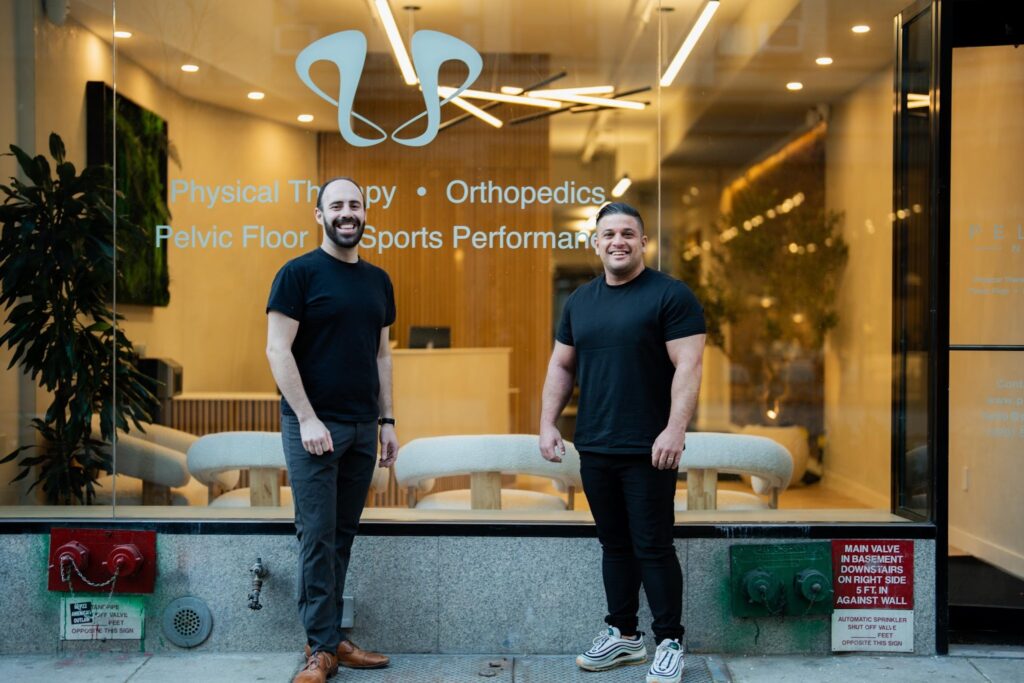
Located at 110 West 17th Street, New York, NY 10011, in Chelsea, Pelvis NYC offers:

  • One-on-one treatment sessions
  • Same-gender care options
  • Whole-body assessments
  • Judgment-free care
  • Evidence-informed treatment plans

Conclusion: The Truth About Jelqing Before and After

The most important takeaway about jelqing before and after results is that current evidence does not support predictable, permanent penis enlargement. What we do know is that aggressive stretching may increase the risk of tissue irritation, pelvic floor dysfunction, pain, and sexual performance issues.

As a pelvic floor physical therapist, my focus is not on making the penis larger. My focus is on helping men achieve stronger erections, healthier pelvic floor function, better sexual performance, and greater confidence. In many cases, those outcomes are ultimately what patients were seeking all along.


Frequently Asked Questions

Can pelvic floor physical therapy increase penis size?

No. Pelvic floor therapy cannot anatomically enlarge the penis. However, it may improve erection quality, blood flow, and pelvic muscle function, which can make erections feel fuller and stronger.

Do jelqing before and after photos prove the technique works?

No. Most online photos are anecdotal and difficult to verify. Lighting, camera angles, temporary swelling, and image editing can all affect appearance. A stronger-looking erection or short-term puffiness is not the same as a permanent change in a flaccid penis or erect size.

Can jelqing exercises cause erectile dysfunction?

Potentially. You should stop jelqing if pain occurs or if the penis becomes erect. Tissue irritation, nerve sensitivity changes, and scar formation may contribute to erectile difficulties in some individuals.

How do I know if I have pelvic floor dysfunction?

Common symptoms include pelvic pain, urinary urgency, painful ejaculation, erectile dysfunction, and persistent tension in the pelvis or groin.

Do I need a referral to see a pelvic floor PT in NYC?

In many situations, no referral is necessary. Contact the clinic directly to discuss your situation and scheduling options.

Does Pelvis NYC treat women as well as men?

Yes. Pelvis NYC provides pelvic floor therapy for both men and women, as well as orthopedic and sports performance physical therapy services.


Ready to Address the Real Cause of Your Symptoms?

If you’re concerned about penis size, erection quality, pelvic pain, or sexual performance, a comprehensive evaluation can help identify what is actually contributing to your symptoms.

Schedule an appointment with Pelvis NYC to receive individualized, evidence-informed care designed around your goals.

Book your evaluation:
pelvis.nyc/contact/


Author Bio

Dr. Adam Gvili, PT, DPT, is the founder and lead clinician at Pelvis NYC. He specializes in pelvic floor physical therapy, orthopedic rehabilitation, and sports performance care. Dr. Gvili is known for his whole-body approach to men’s pelvic health, helping patients address pelvic pain, sexual dysfunction, and performance concerns through evidence-based treatment strategies.
Exercise to Relax the Pelvic Floor: How Effective Techniques Can Reduce Pelvic Pain

Exercise to Relax the Pelvic Floor: How Effective Techniques Can Reduce Pelvic Pain

Quick Answer

Yes, the right exercise to relax the pelvic floor muscles can help reduce pelvic pain, bladder urgency, constipation, sexual dysfunction, and symptoms of an overactive pelvic floor. Unlike traditional Kegel exercises that focus on strengthening, relaxation exercises teach the pelvic floor to lengthen, release tension, and coordinate properly with breathing and movement.

For many people, tight pelvic floor muscles—not weak ones—are the root cause of symptoms. Working with a pelvic floor physical therapist can help identify the underlying issue and create a personalized treatment plan.


Why Relaxing Your Pelvic Floor Matters

When people hear about pelvic floor health, they often think about strengthening exercises.

However, many individuals suffering from pelvic pain, urinary urgency, painful intercourse, constipation, or chronic tension actually have the opposite problem:

Tight Pelvic Floor Muscles

A healthy pelvic floor should be able to:

  • Contract when needed
  • Relax completely
  • Lengthen during a bowel movement
  • Coordinate with breathing
  • Support sexual function

When the pelvic floor stays contracted for extended periods, symptoms can develop. Ongoing pelvic floor tension or pelvic floor muscle tension can make symptoms worse over time.

This condition is often called:

  • Hypertonic pelvic floor
  • Overactive pelvic floor
  • Non-relaxing pelvic floor dysfunction
  • Pelvic floor hypertonicity

According to research published by the National Institutes of Health (NIH), pelvic floor dysfunction can contribute significantly to chronic pelvic pain and urinary symptoms in both men and women.


What Are Pelvic Floor Muscles?

The pelvic floor muscles are a group of muscles located at the base of the pelvis.

They support:

  • Bladder
  • Rectum
  • Reproductive organs
  • Core stability
  • bowel control
  • Bowel function
  • Sexual function

Think of them as a muscular hammock stretching from the pubic bone to the tailbone.

When tight muscles develop in the pelvic floor and the muscles surrounding the pelvis, they can contribute to pain, pressure, and dysfunction throughout the pelvic region.


Signs You May Need to Relax Your Pelvic Floor

Many people mistakenly perform more Kegels when their pelvic floor is already too tight.

Common symptoms of pelvic floor tension or pelvic floor issues include the following:

Symptoms can also occur with a weak pelvic floor, so proper assessment matters before choosing pelvic floor exercises.

Urinary Symptoms

  • Bladder urgency
  • Frequent urination
  • Difficulty starting urination
  • Incomplete bladder emptying
  • urinary incontinence
  • overactive bladder

An estimated 25 million adults in the US have urinary incontinence.

Bowel Symptoms

  • Constipation
  • Straining or difficulty starting a bowel movement
  • Reduced bowel control
  • Painful bowel movements

Pain Symptoms

  • Pelvic pain
  • Tailbone pain
  • Hip pain
  • Lower back pain
  • Groin discomfort

Sexual Symptoms

  • Pain during sexual intercourse
  • Erectile dysfunction
  • Difficulty achieving orgasm
  • Reduced sexual function and overall sexual health

If these symptoms sound familiar, relaxation—not strengthening—may be the first step.

What Causes Tight Pelvic Floor Muscles?

Several factors can contribute to an overactive pelvic floor.

Physical Causes

  • Chronic constipation
  • Pelvic surgery
  • Childbirth
  • Athletic overtraining, where repetitive strain can leave the pelvic floor and nearby tense muscles
  • Repetitive heavy lifting

Emotional Causes

The pelvic floor is highly influenced by the nervous system.

Stress, chronic stress, anxiety, and trauma often trigger unconscious muscle clenching.

Many patients don’t realize they’re holding tension in their pelvic floor throughout the day. Fear and ongoing stress can make symptoms worse by reinforcing guarding.


The Connection Between the Nervous System and Pelvic Floor Health

One of the most overlooked aspects of pelvic health is the role of the nervous system.

When the body perceives stress or danger:

  • Muscles tighten
  • Breathing becomes shallow
  • Blood flow decreases
  • Pain sensitivity increases

Deep breathing helps calm the nervous system and soften tense muscles.

The pelvic floor often becomes part of this protective response.

Over time, the body can get stuck in a cycle:

Stress → Muscle Tightness → Pain → More Stress → More Tightness

This is why effective treatment often includes both physical exercises and nervous system regulation techniques. Creating a safe environment matters for pelvic floor relaxation exercises because the body relaxes more easily when it does not feel threatened.


Best Exercise to Relax the Pelvic Floor Muscles

Below are the most commonly recommended exercises by pelvic floor physical therapists.

1. Diaphragmatic Breathing

Why It Works

The diaphragm and pelvic floor work together.

When you inhale:

  • Diaphragm descends
  • Pelvic floor lengthens

When you exhale:

  • Diaphragm rises
  • Pelvic floor gently recoils

How To Do It

  1. Lie comfortably on your back with knees bent and feet flat.
  2. Place one hand on your chest.
  3. Place one hand on your stomach.
  4. Inhale slowly through your nose.
  5. Allow your belly to rise.
  6. Exhale slowly through your mouth, keeping your rib cage relaxed.

Practice:

  • 5–10 minutes daily

This is often the first exercise prescribed in pelvic floor physical therapy.

2. Happy Baby Pose

The Happy Baby stretch is excellent for opening the hips and inner thigh muscles while encouraging pelvic floor relaxation.

How To Perform

  1. Lie on your back.
  2. Bring knees toward your chest.
  3. Hold the outside edges of your feet.
  4. Gently pull knees toward the floor.

Hold for:

  • 30–60 seconds
  • Repeat 2–3 times

Benefits

  • Opens the pelvic outlet
  • Reduces tension, including in the butt muscles
  • Improves mobility by stretching the inner thighs and thigh muscles

3. Child’s Pose

Child’s Pose promotes deep relaxation throughout the pelvis, lower back, and the muscles surrounding the hips.

Hold for 30 to 60 seconds. This is one of the gentlest pelvic floor stretches for people with pelvic floor muscle tension.

Steps

  1. Kneel on the floor.
  2. Sit back toward your heels.
  3. Extend your arms forward.
  4. Relax your belly and hips.

Hold:

  • 1–2 minutes

Focus on slow breathing.


4. Pelvic Girdle Stretches

Pelvic girdle stretches are a type of pelvic floor stretches that help release tension around the hips and pelvis.

Examples include:

  • Figure-four stretch
  • Hip flexor stretch
  • Butterfly stretch
  • Adductor stretch

Tight hips often contribute to pelvic floor dysfunction, and improving flexibility in the muscles surrounding the pelvis can support better pelvic floor function.


5. Deep Squat Hold

A supported deep squat naturally lengthens the pelvic floor, hips, and inner thighs.

Hold for 30 seconds, using support under your heels or holding onto a stable surface if needed. Pair the position with practicing diaphragmatic breathing to improve relaxation.

How To Do It

  1. Hold onto a sturdy surface from the starting position, with feet flat.
  2. Lower into a comfortable squat.
  3. Keep heels on the floor.
  4. Breathe deeply.
  5. Keep your chest relaxed and use deep breathing rather than bracing.

Hold:

  • 20–60 seconds

Avoid forcing the position if it causes pain.


6. Pelvic Floor Drop Exercise

Unlike a Kegel, this exercise focuses on pelvic floor release rather than contraction, which can be especially helpful for people with pelvic floor hypertonicity or a hypertonic pelvic floor.

Technique

Imagine:

  • Releasing tension around the anus
  • Softening the perineum
  • Allowing the pelvic floor to gently expand

The goal is to soften tense muscles, not to push or bear down.

Many physical therapists call this a “reverse Kegel.”


Why Kegels Aren’t Always the Answer

One of the biggest misconceptions in pelvic health is that all pelvic floor exercises are right for every problem.

For people with:

  • Tight pelvic floor muscles
  • Pelvic pain
  • Bladder urgency
  • Painful intercourse

Kegels may help a weak pelvic floor but can aggravate pelvic floor tightness.

Additional strengthening may actually worsen symptoms.

Research increasingly supports individualized pelvic floor assessment before prescribing Kegels.

Related Blog: Kegel Exercises Using Ball: Do They Really Strengthen the Pelvic Floor?

How Physical Therapy Incorporates Exercise to Relax the Pelvic Floor

Pelvic floor physical therapy, or pelvic floor therapy, goes far beyond exercise alone.

It often includes exercise, manual work, and education for both tight and weak pelvic floor muscles.

A trained therapist evaluates:

  • Muscle tension
  • Breathing patterns
  • Posture
  • Movement habits
  • Nervous system regulation

Treatment may include:

Manual Therapy

Hands-on techniques to release muscle tension.

Biofeedback

Helps patients learn how to relax muscles effectively.

Breathing Retraining

Improves coordination between the diaphragm and pelvic floor.

Exercise Prescription

Customized stretching and mobility programs.

Education

Understanding why symptoms occur often reduces fear and muscle guarding.


Real-World Example

A common patient at Pelvis NYC might arrive with:

  • Pelvic pain
  • Frequent urination
  • Pain during sex
  • Urinary incontinence
  • Years of frustration

Many have already tried:

  • Medications
  • Strengthening exercises
  • Multiple specialist visits

After evaluation, they often discover the issue is an overactive pelvic floor rather than weakness.

With targeted physical therapy, patients frequently report:

  • Reduced pain
  • Better bladder control and bowel control
  • Improved sexual function
  • Increased confidence

When Should You See a Pelvic Floor Physical Therapist?

Seek professional evaluation if you experience:

  • Pelvic pain lasting longer than a few weeks
  • Bladder urgency or frequency
  • Urinary incontinence
  • Painful intercourse
  • Erectile dysfunction
  • Chronic constipation
  • Other pelvic floor issues affecting bowel control or sexual health
  • Difficulty relaxing pelvic muscles

The earlier dysfunction is addressed, the easier it is to treat.


Why Pelvis NYC Specializes in Pelvic Floor Health

At Pelvis NYC, physical therapists specialize in treating a wide range of pelvic floor issues in both men and women, including urinary incontinence and pelvic floor tension.

Treatment focuses on:

  • Pelvic pain
  • Overactive pelvic floor
  • Bladder urgency
  • Sexual dysfunction and sexual health
  • Post-surgical rehabilitation
  • Chronic pelvic tension

Every treatment plan is individualized because no two pelvic floors are exactly alike. If you need help with exercise to relax the pelvic floor, don’t hesitate to reach out.

Ready to Start Feeling Better?

If you’re struggling with pelvic pain, tight pelvic floor muscles, bladder urgency, or sexual dysfunction, expert care can make a significant difference.

Pelvis NYC offers comprehensive pelvic floor physical therapy designed to help you relax your pelvic floor, reduce symptoms, and restore confidence.

Contact Pelvis NYC Today


Frequently Asked Questions

What is the best exercise to relax the pelvic floor muscles?

Diaphragmatic breathing is often considered the best starting exercise because it naturally coordinates pelvic floor relaxation with breathing, especially when practicing diaphragmatic breathing with a slow, deep breath.

Can tight pelvic floor muscles cause pelvic pain?

Yes. Tight pelvic floor muscles are a common cause of chronic pelvic pain, pressure, and discomfort, often driven by pelvic floor muscle tension.

Does a tight pelvic floor affect sexual function?

Absolutely. Tight pelvic floor muscles can contribute to pain during sexual intercourse, erectile dysfunction, and difficulty achieving orgasm, which can affect overall sexual health.

How long does it take to relax an overactive pelvic floor?

Many people notice improvements within several weeks, although chronic cases may require several months of consistent therapy.

Are Kegels helpful for a tight pelvic floor?

Not always. Kegels can worsen symptoms in people with pelvic floor hypertonicity, especially if the pelvic floor is already overactive or excessively tight.

Can physical therapy help pelvic floor dysfunction?

Yes. Pelvic floor therapy is considered one of the most effective conservative treatments for pelvic floor dysfunction and chronic pelvic pain because it can help relax tight muscles, retrain coordination, and support bladder and bowel control.

Kegel Exercises Using Ball: Do They Really Strengthen the Pelvic Floor?

Kegel Exercises Using Ball

Can Kegel Exercises Using a Ball Improve Pelvic Floor Strength?

Yes—kegel exercises using ball devices can help improve pelvic floor muscle awareness, strength, and coordination in some people. However, they are not appropriate for everyone. If you have pelvic pain, pelvic floor dysfunction, bladder urgency, or overly tight pelvic floor muscles, using kegel balls or kegel weights without professional guidance may actually worsen symptoms.

The key is understanding whether your pelvic floor needs strengthening, relaxation, or a combination of both.

This guide explains how Kegel balls work, who may benefit from them, common mistakes to avoid, and why pelvic floor physical therapy is often the most effective way to improve bladder control, sexual function, and pelvic health.

Related blog: Signs of Overdoing Kegels: How Too Much Pelvic Floor Exercise Can Backfire


What Are Kegel Exercises Using Ball Devices?

Kegel exercises using ball devices involve placing a weighted ball or set of balls inside the vagina to provide resistance during pelvic floor contractions.

These devices are commonly called:

  • Kegel balls
  • Ben Wa balls
  • Ben Wa weights
  • Pelvic floor weights
  • Kegel weights
  • Vaginal weights

The goal is simple:

When the ball is inserted, the pelvic floor muscles contract naturally to keep it in place. This creates resistance that may help strengthen the muscles over time.

Think of it like adding weight to a traditional strength-training exercise.


What Is the Pelvic Floor?

The pelvic floor is a group of muscles, ligaments, and connective tissues that support the:

  • Bladder
  • Bowel
  • Reproductive organs

These muscles help control:

  • Urination
  • Bowel movements
  • Sexual function
  • Core stability
  • Pelvic organ support

A healthy pelvic floor contracts when needed and relaxes when appropriate.

Problems occur when the muscles become:

  • Too weak
  • Too tight
  • Poorly coordinated

This is known as pelvic floor dysfunction.


What Are Kegel Exercises?

Kegel exercises are voluntary contractions of the pelvic floor muscles.

Gynecologist Dr. Arnold Kegel originally introduced them in the 1940s to help improve urinary incontinence and pelvic support.

A basic Kegel involves:

  1. Tightening the muscles used to stop urine flow.
  2. Holding the contraction for several seconds.
  3. Relaxing completely.
  4. Repeating multiple times.

When performed correctly, kegel exercises can improve:

  • Bladder control
  • Stress urinary incontinence
  • Pelvic organ support
  • Sexual function

However, they are not always the right solution for every pelvic floor problem.


How Do Kegel Balls Work?

The Science Behind Kegel Balls

Kegel balls create gentle resistance that encourages the pelvic floor muscles to activate.

When inserted:

  • The muscles contract reflexively.
  • The body becomes more aware of pelvic floor activation.
  • Muscle endurance may improve over time.

Some modern kegel weights come in progressive resistance levels, allowing users to increase difficulty gradually.

This principle is similar to resistance training for other muscle groups.


Kegel Balls vs. Ben Wa Balls: Is There a Difference?

Many people use the terms interchangeably, but there are slight differences.

DevicePurpose
Kegel BallsDesigned primarily for pelvic floor strengthening
Ben Wa BallsTraditionally used for pelvic floor awareness and sexual wellness
Kegel WeightsSpecifically designed for progressive strengthening

Today’s products often combine features from all three categories.


Who May Benefit from Kegel Exercises Using Ball Devices?

Kegel balls may be helpful for individuals experiencing:

Mild Bladder Control Problems

Some studies suggest pelvic floor strengthening can reduce symptoms of:


Postpartum Pelvic Floor Weakness

Women recovering from pregnancy and childbirth often experience weakened pelvic floor muscles.

Under professional guidance, kegel weights may support recovery.


Reduced Pelvic Floor Awareness

Some individuals struggle to identify or activate their pelvic floor muscles correctly.

The sensory feedback from Kegel balls can improve muscle awareness.


Sexual Wellness Goals

Research suggests stronger pelvic floor muscles may contribute to:

  • Improved sexual sensation
  • Better orgasmic response
  • Increased pelvic circulation

When Kegel Balls May Not Be Appropriate

This is where many online articles get it wrong.

Not everyone needs stronger pelvic floor muscles.

In fact, many patients seen in pelvic floor physical therapy clinics have muscles that are already too tight.

Kegels can sometimes worsen symptoms.


Signs You Should Avoid Kegel Balls Until Evaluated

You may need professional assessment if you experience:

  • Chronic pelvic pain
  • Pain during intercourse
  • Tailbone pain
  • Bladder urgency
  • Difficulty emptying the bladder
  • Constipation
  • Pelvic muscle spasms

These symptoms often indicate overactive or hypertonic pelvic floor muscles.

Adding more contractions may increase tension.


Pelvic Floor Dysfunction: Why Strength Isn’t Always the Answer

Pelvic floor dysfunction is one of the most misunderstood conditions in healthcare.

Many people assume:

“My pelvic floor feels weak, so I need Kegels.”

But symptoms often result from poor coordination rather than weakness.

Examples include:

  • Tight muscles that cannot relax
  • Muscles that contract at the wrong time
  • Poor breathing mechanics
  • Nervous system dysregulation

This is why evaluation by a pelvic floor physical therapist is often recommended before starting weighted pelvic floor exercises.


What About Bladder Urgency?

Bladder urgency is the sudden, intense need to urinate.

Many people assume urgency is caused by weakness.

In reality, urgency can result from:

  • Pelvic floor tension
  • Overactive bladder
  • Nerve sensitivity
  • Behavioral habits
  • Stress responses

For these individuals, relaxation techniques often work better than Kegel strengthening.


How to Perform Kegel Exercises Using a Ball Safely

Step 1: Start with the Lightest Weight

Choose a beginner-friendly option.

Avoid starting with heavy Kegel weights.


Step 2: Insert Comfortably

Follow manufacturer instructions.

The ball should feel secure but not painful.


Step 3: Engage Gently

Contract the pelvic floor muscles as though:

  • Stopping urine flow
  • Preventing gas from escaping

Avoid squeezing the buttocks or holding your breath.


Step 4: Hold and Relax

Try:

  • Hold 3–5 seconds
  • Relax completely
  • Repeat 10 times

Full relaxation is just as important as contraction.


Common Mistakes with Kegel Balls

Many people accidentally:

❌ Hold their breath

❌ Tighten their glutes

❌ Overtrain

❌ Ignore pain

❌ Assume more squeezing equals better results

The goal is coordination—not constant contraction.


Kegel Balls vs. Electrical Stimulation

Some pelvic floor rehabilitation programs use electrical stimulation instead of weighted devices.

Electrical Stimulation Works By:

  • Activating weak muscles
  • Improving neuromuscular awareness
  • Enhancing muscle recruitment

It is often used when patients cannot perform Kegel exercises effectively on their own.

A pelvic floor specialist can determine which approach is most appropriate.


Why Physical Therapy Is Often More Effective Than Kegel Balls Alone

Kegel balls are tools.

They are not a diagnosis.

They are not a treatment plan.

Pelvic floor physical therapy addresses:

Muscle Strength

Determining whether muscles are weak.

Muscle Tension

Identifying overactive muscles.

Breathing Mechanics

Improving pressure management throughout the core.

Bladder Habits

Addressing urgency and frequency triggers.

Nervous System Regulation

Reducing chronic guarding patterns.

Research published by organizations such as the National Institutes of Health (NIH) and the American Physical Therapy Association supports pelvic floor rehabilitation as a first-line treatment for many pelvic floor disorders.


Real Patient Example

A common scenario involves someone experiencing bladder urgency and pelvic pressure.

They begin doing daily Kegels after reading online advice.

Months later, symptoms worsen.

Why?

The underlying problem wasn’t weakness—it was excessive pelvic floor tension.

After evaluation by a pelvic floor physical therapist, treatment focused on:

  • Muscle relaxation
  • Breathing exercises
  • Manual therapy
  • Bladder retraining

Symptoms improved significantly.

This illustrates why proper assessment matters.


When Should You See a Pelvic Floor Physical Therapist?

Consider seeking professional help if you have:

  • Persistent bladder urgency
  • Urinary leakage
  • Pelvic pain
  • Sexual dysfunction
  • Constipation
  • Pain with sitting
  • Difficulty relaxing the pelvic floor

A customized treatment plan is often more effective than self-directed exercises.


Why Pelvis NYC Takes a Different Approach

At Pelvis NYC, pelvic floor therapy goes beyond simply prescribing Kegel exercises.

Our specialists evaluate:

  • Muscle strength
  • Muscle tension
  • Movement patterns
  • Breathing mechanics
  • Bladder and bowel habits
  • Sexual health concerns

This comprehensive approach helps identify the true cause of symptoms and develop a personalized treatment plan.

Whether you’re experiencing bladder control issues, pelvic pain, sexual dysfunction, or pelvic floor dysfunction, our team can help you find long-term solutions.

Ready to Improve Your Pelvic Floor Health?

If you’re wondering whether Kegel exercises using ball devices are right for you, start with a professional evaluation.

Pelvis NYC specializes in evidence-based pelvic floor physical therapy for women and men.

Contact Pelvis NYC

Website: www.pelvis.nyc

Phone: (929) 590-3445

Email: drpelvis@pelvis.nyc

Schedule an evaluation and discover the best treatment approach for your unique needs.


Frequently Asked Questions

Do kegel balls actually work?

Yes, kegel balls can improve pelvic floor awareness and strength for some individuals. However, they are not appropriate for every pelvic floor condition.


Are Ben Wa balls the same as kegel balls?

They are similar but were originally developed for different purposes. Modern products often combine features of both.


Can kegel balls help bladder control?

They may help certain types of urinary incontinence, especially stress incontinence caused by pelvic floor weakness.


Can Kegel exercises worsen pelvic floor dysfunction?

Yes. If the pelvic floor muscles are already tight or overactive, excessive Kegels may worsen symptoms.


What is the difference between Kegel weights and electrical stimulation?

Kegel weights provide resistance training, while electrical stimulation uses gentle impulses to activate muscles and improve coordination.


Should men use Kegel exercises using ball devices?

Kegel balls are designed for vaginal use and are generally not used by men. However, men can benefit from pelvic floor physical therapy and pelvic floor muscle training when appropriate.