 Skip to content
How to Prevent Hard Flaccid (Direct Answer)
Hard flaccid can often be prevented by maintaining healthy pelvic floor function, managing stress, avoiding excessive pelvic strain, and addressing early symptoms promptly. Holistic lifestyle changes, including stress management, regular exercise, and conscious relaxation of pelvic floor muscles, are recommended to prevent hard flaccid syndrome. Prevention focuses on keeping pelvic floor muscles flexible and coordinated—not overworked—while supporting nervous system balance and circulation.
For many men, small daily habits make a meaningful difference long before symptoms become disruptive. Avoiding excessive Kegel exercises without professional guidance is important, as improper techniques can worsen symptoms.
What Is Hard Flaccid (Brief Context)

Hard flaccid is a condition where the penis feels semi-rigid or tense while flaccid and may be clear or accompanied by discomfort, numbness, or changes in erectile quality. Hard flaccid syndrome symptoms include a persistently firm flaccid state, often with pain and erectile dysfunction. It is widely understood as a functional pelvic floor and nervous system issue, not permanent tissue damage. HFS is considered a rare male sexual disorder and is newly recognized in medical literature, so many healthcare providers may be unfamiliar with it.
HFS primarily affects young men, commonly in their 20s and 30s, due to:
- High stress and demanding schedules
- Intense gym or training routines
- Prolonged sitting at work
- Sexual performance pressure
The encouraging reality is that many contributing factors are modifiable and preventable.
The hallmark findings for diagnosing Hard Flaccid Syndrome include a persistent hard flaccid state with pain and erectile dysfunction in a young man.
Why Prevention Matters
Preventing hard flaccid is often easier than treating established symptoms.
Without early intervention, ongoing pelvic tension may contribute to:
- Chronic pelvic pain
- Erectile difficulties
- Anxiety around sexual performance
- Long-term pelvic floor dysfunction
Chronic pain and emotional distress are common consequences of untreated Hard Flaccid Syndrome (HFS), which can significantly impair a man’s overall quality of life and negatively impact self-esteem and relationships.
A prevention-focused approach supports not just erections—but comfort, confidence, and long-term sexual health.
Pelvic Floor Health: The Foundation of Prevention
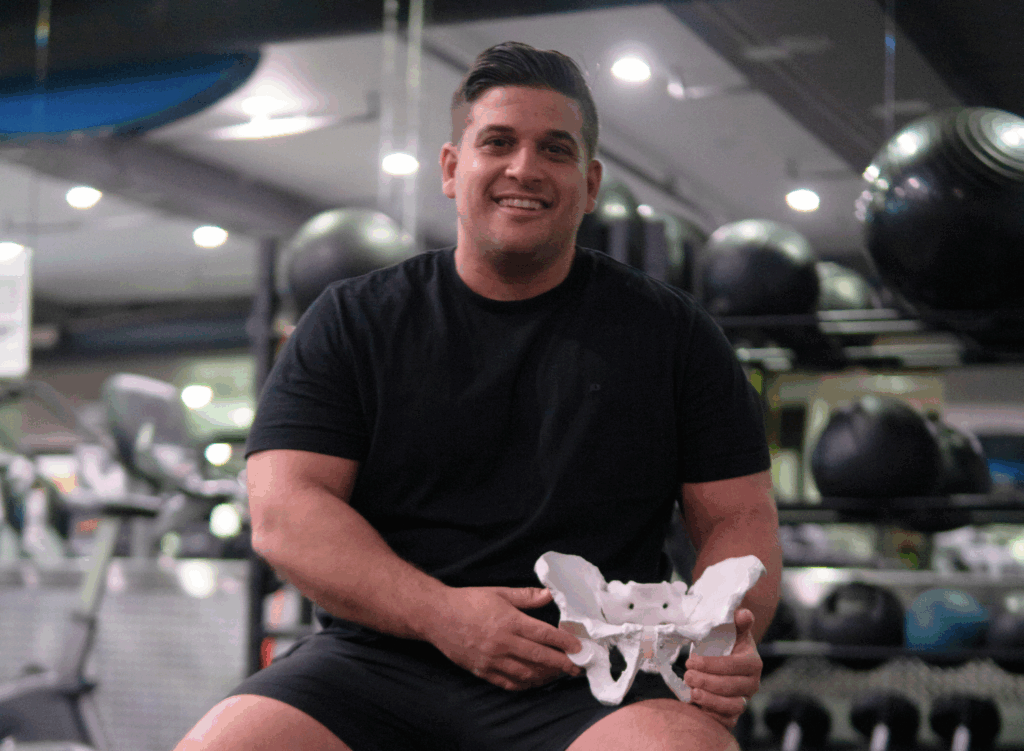
The pelvic floor is a group of muscles that support erections, ejaculation, bladder control, and blood flow.
Smooth muscle contraction and relaxation in the pelvic floor are essential for normal erectile and urinary function, as these processes are controlled by neural and hormonal signals that regulate the dynamics of erectile tissue.
For prevention, these muscles must:
- Contract efficiently when needed
- Fully relax afterward
- Coordinate with breathing and movement
Problems arise when muscles remain chronically tight or guarded, often without awareness.
Pelvic floor physical therapy focuses on releasing tension and retraining these muscles to maintain healthy function.
Avoid Overworking Pelvic Floor Muscles
One of the most common prevention mistakes is over-strengthening the pelvic floor.
Excessive Kegels or constant muscle clenching can:
- Increase resting muscle tension
- Reduce blood flow
- Irritate pelvic nerves
For many men, learning how to relax and coordinate the pelvic floor is far more protective than strengthening alone.
Exercise Smart: Balance Strength and Recovery
Heavy lifting, intense core workouts, and breath-holding during exertion increase pressure on the pelvic floor.
To reduce risk:
- Exhale during lifts
- Avoid straining or bearing down
- Balance strength training with mobility and recovery
- Reduce volume if pelvic tightness appears
Men who train hard often benefit from pelvic-floor–aware exercise habits to prevent overload.
Engaging in regular cardiovascular exercise, such as walking or yoga, promotes healthy blood supply to the pelvic region. This supports both sexual health and stress management.
Manage Stress and Nervous System Load
Chronic stress keeps the body in fight-or-flight mode, which directly increases pelvic muscle tension.
Stress can:
- Increase pelvic guarding
- Heighten pain sensitivity
- Interfere with the erectile response
Preventive strategies include:
- Diaphragmatic breathing
- Regular movement breaks
- Sleep optimization
- Mind-body practices such as yoga or meditation
Chronic stress can lead to symptoms secondary to pathological activation of neural pathways, such as the pelvic/pudendal-hypogastric reflex. Lifestyle modifications, including stress reduction techniques and ergonomic adjustments, are important for prevention and management of Hard Flaccid Syndrome.
Research published in the Journal of Urology consistently links nervous system regulation with improved pelvic outcomes.
Sitting Habits Matter More Than You Think
Prolonged sitting compresses pelvic structures and reduces circulation.
To lower risk:
- Take breaks every 30–60 minutes
- Use supportive seating
- Avoid holding tension while seated
- Alternate between sitting and standing
Desk-based professionals are a high-risk group when pelvic health is overlooked.
Sexual Habits and Pelvic Health
Prolonged arousal, frequent edging, or insufficient recovery can overload pelvic floor muscles. Sexual intercourse and sexual stimulation, if too intense or frequent, can contribute to pelvic floor overload and potentially decreased libido.
Healthier habits include:
- Allowing full relaxation after sexual activity
- Avoiding prolonged muscle clenching
- Respecting recovery time
Using gentle techniques during sexual activity can help avoid penile trauma and reduce the risk of developing HFS.
Sexual health should support relaxation—not reinforce tension.
Address Early Warning Signs
Early signs may include:
- Pelvic tightness
- Mild penile discomfort
- Changes in erection quality
- Reduced sensation
- Urinary symptoms such as decreased urinary force or bladder-related dysfunction
Hard flaccid symptoms can fluctuate with posture, physical activity, arousal, and stress levels, making early recognition and intervention crucial for prevention.
Ignoring these signs often leads to symptom progression. Addressing them early is one of the most effective prevention strategies.
Even with good prevention, some men may still experience symptoms of hard flaccid syndrome (HFS). Early action can help prevent symptoms from worsening and protect long-term sexual health.
Common symptoms to watch for include:
- A hard or semi-rigid flaccid penis
- Penile pain or discomfort
- Erectile dysfunction
- Changes in penile sensation
Key Strategies for Managing Symptoms
Pelvic floor physical therapy
- A core treatment for HFS
- Focuses on relaxing tight pelvic floor muscles
- Improves blood flow and erectile function
- Helps restore normal muscle coordination
- Addresses the underlying pelvic floor dysfunction contributing to symptoms
Pain management and medical evaluation
- Helpful for chronic pelvic pain or persistent penile discomfort
- May include therapies such as low-intensity shockwave therapy
- A thorough exam can help identify contributing factors, such as:
- Penile trauma
- Nerve-related pain
- Excessive sympathetic (stress-related) nervous system activity
- Diagnostic tools (e.g., penile Doppler ultrasound) may be used when appropriate
Stress and nervous system regulation
- Chronic stress can worsen muscle spasms and pelvic pain
- Stress-reducing practices may include:
- Deep breathing
- Meditation
- Yoga
- Calming the nervous system helps reduce pelvic floor muscle tension
Lifestyle support
- Regular movement and exercise
- Balanced nutrition
- Adequate sleep
- These habits support healing and overall sexual function
Why Individualized Care Matters
- HFS is a rare and variable condition
- Symptoms and causes differ from person to person
- Working with a pelvic floor specialist or sexual medicine provider ensures a personalized treatment plan
Early treatment can help:
- Reduce pain
- Improve erectile function
- Prevent long-term pelvic floor and erectile tissue complications
👉 If symptoms persist or worsen, seek professional care promptly. With the right combination of pelvic floor physical therapy, pain management, and stress reduction, most men can effectively manage HFS symptoms and regain control of their sexual health.
Pelvic Floor Physical Therapy as Prevention
Pelvic floor physical therapy is not only for treatment—it is also highly effective for prevention.
A trained pelvic floor specialist can:
- Identify excessive muscle tone early
- Improve coordination and relaxation
- Address breathing and posture patterns
- Reduce strain before symptoms escalate
Pelvic floor physical therapy is a key part of both prevention and the treatment of hard flaccid, with a primary focus on relaxing overactive pelvic floor muscles rather than just strengthening them.
Men who seek guidance early often prevent hard flaccid from developing at all.
Related Blog: How to Improve Hard Flaccid Symptoms
When to Seek Specialized Pelvic Care
If you notice persistent pelvic tightness, discomfort, or subtle changes in erectile quality, professional guidance can be a proactive step—not a last resort. Sexual medicine practitioners’ knowledge is crucial for accurate diagnosis and management of Hard Flaccid Syndrome (HFS), as they are equipped to integrate therapies and provide comprehensive care.
At Pelvis NYC, men receive specialized pelvic floor care from Dr. Adam Gvili, PT, DPT, a pelvic floor physical therapist with advanced training in male pelvic pain, pelvic floor dysfunction, and sexual health concerns.
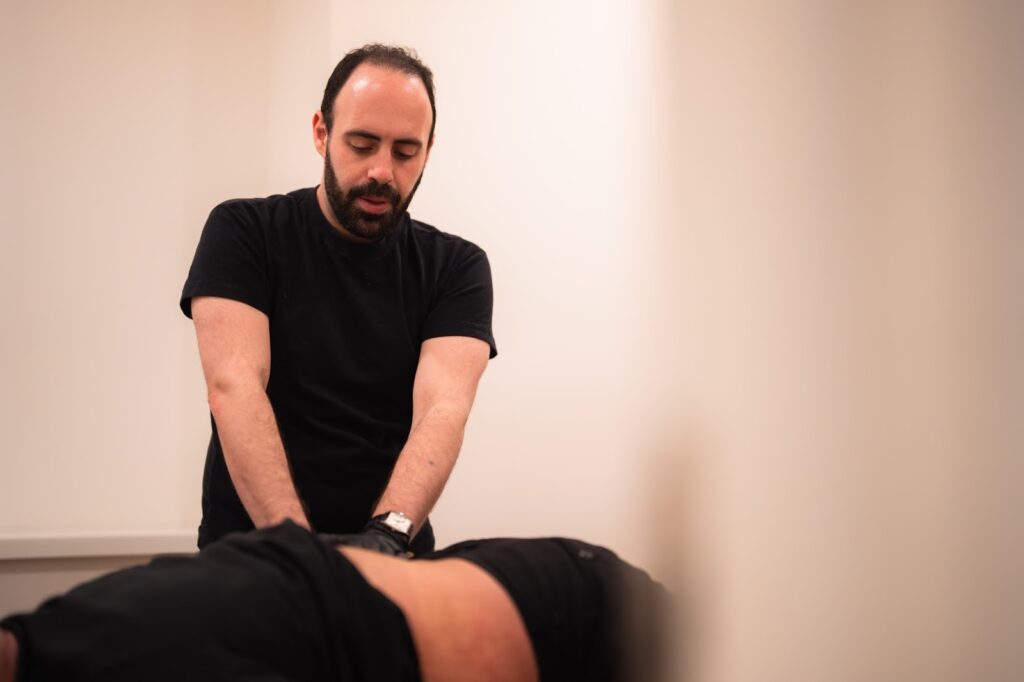
Care at Pelvis NYC focuses on:
- Early identification of pelvic floor tension
- Education to prevent symptom progression
- Personalized strategies to support long-term pelvic and sexual health
The diagnosis of Hard Flaccid Syndrome requires careful consideration of the patient’s history and a physical examination to rule out other conditions.
Many men between 25–45 seek care not because symptoms are severe, but because they want to protect performance, comfort, and confidence over time.
👉 If you’re concerned about preventing hard flaccid—or want expert guidance tailored to your body—scheduling a pelvic floor evaluation at Pelvis NYC can be a proactive first step.
Check this out: Hard Flaccid Syndrome Recovery Stories
Evidence Supporting Prevention
Although large-scale studies on hard flaccid specifically are limited, research on male pelvic pain and pelvic floor dysfunction shows:
- Pelvic floor down-training improves outcomes
- Stress regulation reduces symptom recurrence
- Education and early intervention prevent chronic dysfunction
These findings strongly support a prevention-first approach rather than reactive treatment.
Hard flaccid syndrome, proposed as a complex urological and sexual dysfunction, is a newly recognized clinical entity. There is a lack of large-scale clinical trials and standardized treatment protocols for Hard Flaccid Syndrome, highlighting the need for more comprehensive research.
Frequently Asked Questions
Can hard flaccid be prevented? Yes. Managing pelvic floor tension, stress, and early symptoms significantly reduces risk. Avoiding blunt perineal trauma and addressing pelvic floor dysfunction are also important preventive measures.
Do Kegels help prevent hard flaccid? Not always. Overdoing Kegels can increase pelvic tension and raise risk, especially if there is underlying pelvic floor dysfunction or pathological activation of neural reflexes such as the pelvic pudendal hypogastric reflex.
Does exercise cause hard flaccid? Poor technique or excessive strain may contribute, particularly if it leads to blunt perineal trauma or overactivation of the pudendal nerve. Balanced training and proper form help prevent it.
Is stress really a factor? Yes. Chronic stress increases pelvic muscle guarding and nervous system activation, which can contribute to pathological activation of reflex pathways involved in hard flaccid syndrome.
Should men see a pelvic floor therapist preventively? Men with early symptoms, high stress, or intense training loads often benefit from preventive evaluation. Early intervention with physical therapy can help reduce muscle tension and restore normal function, lowering the risk for HFS patients.
Can you cure hard flaccid syndrome? There is currently no definitive treatment for hard flaccid syndrome. However, a multimodal treatment approach—including physical therapy, shockwave treatment, medications, and psychological support—can significantly improve symptoms for many HFS patients.

No comment yet, add your voice below!