 Skip to content
If you’re preparing for knee replacement surgery, one of the best things you can do before the procedure is to start a targeted exercise program. The right exercises before knee replacement surgery can improve strength, reduce stiffness, support joint mobility, and help you recover faster.
Research consistently shows that patients who participate in pre-surgical physical therapy (“prehab”) often experience better post-operative outcomes, including improved mobility, reduced pain, and shorter recovery times.
Whether you’re dealing with severe arthritis, chronic knee pain, or limited movement, preparing your body before surgery can make a major difference in how well—and how quickly—you recover.
Why Exercise Before Knee Replacement Surgery Is Important
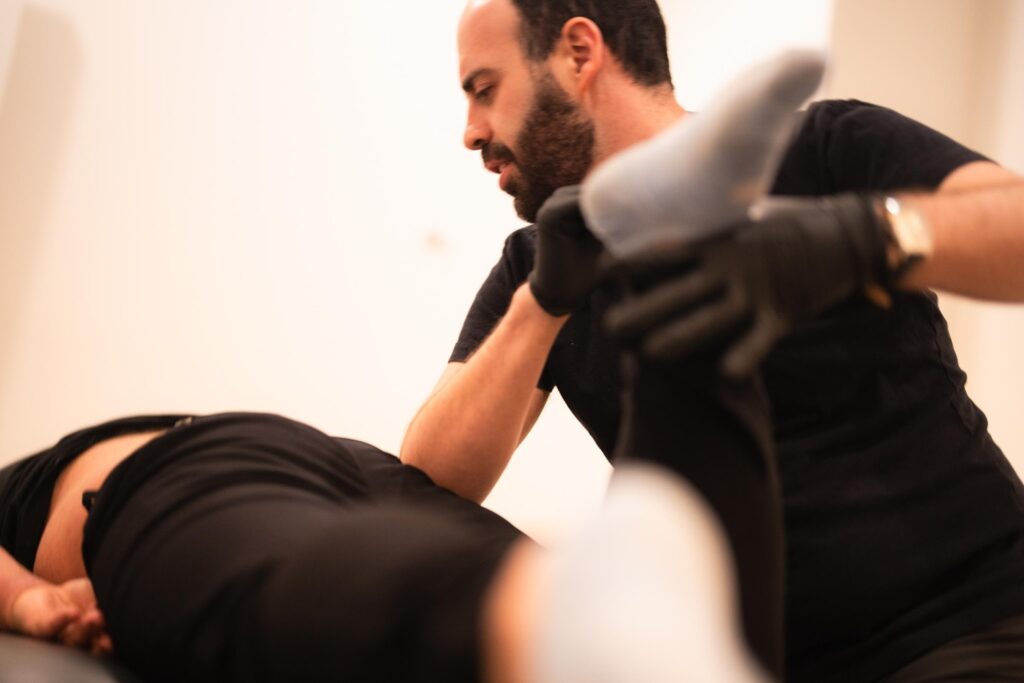
Knee replacement surgery is a major procedure that places stress on the muscles, joints, and nervous system. Many patients focus only on recovery after surgery, but what you do before surgery is equally important.
A structured prehab program helps:
- Improve knee strength and stability
- Maintain joint mobility
- Reduce muscle loss before surgery
- Improve circulation
- Support balance and walking mechanics
- Speed up post-operative recovery
- Improve confidence and independence after surgery
According to the American Academy of Orthopaedic Surgeons (AAOS), strengthening the muscles around the knee before surgery can improve functional outcomes and help patients return to daily activities sooner.
What Is Prehab for Knee Replacement?
Prehab (pre-surgical rehabilitation) is physical therapy performed before knee replacement surgery.
The goal is to prepare your body physically and mentally for the demands of surgery and recovery.
A physical therapist typically focuses on:
- Knee flexion and extension mobility
- Quadriceps and glute strength
- Walking mechanics
- Balance and coordination
- Pain reduction strategies
- Bed mobility exercises
- Functional movement training
Think of it this way:
👉 The stronger and more mobile you are going into surgery, the easier recovery tends to be afterward.
Who Needs Exercise Before Knee Replacement Surgery?
Prehab is recommended for most people preparing for:
- Total knee replacement
- Partial knee replacement
- Revision knee replacement surgery
It’s especially important if you experience:
- Severe stiffness
- Weak leg muscles
- Difficulty walking
- Poor balance
- Trouble getting in and out of bed or chairs
- Reduced knee flexion
- Chronic swelling or pain
Both men and women benefit from pre-surgical physical therapy.
Best Exercises Before Knee Replacement Surgery
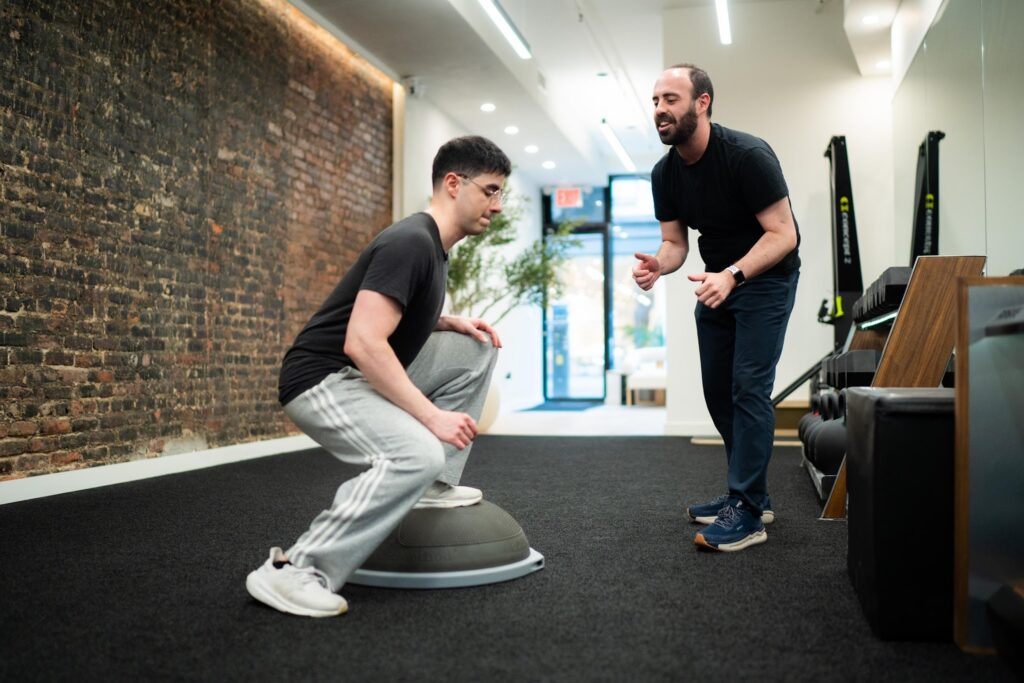
Below are some of the most commonly recommended low-impact exercises before knee replacement surgery.
These exercises are designed to improve mobility, strength, and circulation without placing excessive stress on the joint.
Important: Always consult your surgeon or physical therapist before beginning any exercise program.
1. Ankle Pumps
Why They Help
Ankle pumps improve circulation, reduce leg swelling, and support ankle mobility.
They’re also commonly used immediately after surgery to help prevent blood clots.
How to Do It
- Lie on your back or sit comfortably.
- Point your toes away from you, moving the foot as you do.
- Pull your toes back toward your shin, moving the foot with the motion.
- Repeat slowly. Keep the starting position relaxed and comfortable, whether lying or seated.
Repetitions
- 20–30 repetitions
- Several times daily
2. Heel Slides
Why Heel Slides Matter
Heel slides improve knee flexion, which is critical both before and after knee replacement surgery.
Improving knee bending before surgery can support smoother post-op mobility.
How to Perform Heel Slides
- Lie on your back.
- Slowly slide your heel toward your buttocks, keeping your foot flat on the bed.
- Bend your knee as far as is comfortable.
- Slowly straighten the leg again, returning toward a knee straight position without forcing it.
Repetitions
- 10–15 repetitions
- 2–3 sets daily
3. Leg Raises
Benefits of Straight Leg Raises
Leg raises strengthen the quadriceps without placing excessive load on the knee joint. Improving muscle strength in the front of the thigh is also a strong predictor of postoperative mobility.
Strong quadriceps are essential for better knee stability and:
- Walking
- Standing
- Stair climbing
- Faster recovery after surgery
How to Perform
- Lie flat on your back.
- Keep one leg bent as the other leg stays straight.
- Tighten the thigh muscle of the straight leg.
- Slowly lift the leg about 12 inches; this also challenges the hip flexors.
- Slowly lower the leg with control.
Repetitions
- 10 repetitions
- 2–3 sets
4. Knee Straightening Exercises
Why Knee Extension Is Critical
Many patients lose the ability to fully straighten the knee before surgery.
This can negatively affect walking mechanics and recovery.
Simple Knee Straightening Exercise
- Begin in a sitting position in a chair.
- Slowly straighten your knee to as straight a position as comfortable.
- Hold for 5 seconds.
- Lower slowly so the knee returns to a slightly bent position before each repetition.
Repetitions
- 10–15 repetitions
5. Leg Slides
Leg slides help improve hip and knee flexion while encouraging smooth movement patterns.
Instructions
- Lie flat on your back.
- Slide one leg outward to the side.
- Return slowly.
- Repeat on both legs.
These exercises improve coordination and mobility without excessive joint stress.
6. Chair Pushups
Why Chair Pushups Help
After knee replacement surgery, getting in and out of chairs can be difficult, so chair pushups are a simple way to build upper-body strength.
Chair pushups improve:
- Upper body strength
- Core stability
- Functional mobility
How to Do Them
- Sit in a sturdy chair.
- Place your hands on the armrests.
- Push yourself upward slightly.
- Lower slowly.
7. Bed Mobility Exercises
Why Bed Mobility Matters
Many patients underestimate how difficult simple movements can feel after surgery.
Bed mobility exercises help prepare you for:
- Rolling in bed
- Sitting up
- Changing positions safely
Example Exercise
Practice:
- Rolling side to side
- Scooting toward the edge of the bed
- Sitting upright with control
These movements improve independence during early recovery.
8. Low-Impact Exercises Before Knee Replacement Surgery
Low-impact exercises can maintain fitness while protecting the knee joint.
Best Options Include
Walking
Helps maintain endurance and circulation and supports a smoother return to everyday activities.
Stationary Bike
Improves knee flexion, joint lubrication, and knee mobility. Proper seat height matters so the knee stays slightly bent at the bottom of the pedal stroke rather than overextended.
Swimming or Water Therapy
Reduces pressure on the knee while allowing movement.
Gentle Yoga
Improves flexibility and mobility.
How Physical Therapy Helps Before Knee Replacement Surgery

Working with a physical therapist before surgery provides several advantages over exercising alone.
A physical therapist can:
- Identify muscle weaknesses
- Correct movement patterns
- Improve joint mobility
- Reduce compensation patterns
- Develop a personalized plan
- Monitor progress safely
At clinics like Pelvis NYC, physical therapists help patients prepare both physically and mentally for surgery using evidence-based rehabilitation strategies.
The Connection Between Strength and Faster Recovery
Research shows that stronger muscles before surgery often lead to easier recovery and regaining strength after surgery, including:
- Better walking ability after surgery
- Improved balance
- Less reliance on assistive devices
- Reduced recovery time
- Better long-term outcomes
A 2022 review published in the Journal of Orthopaedic Surgery and Research found that prehabilitation can significantly improve post-operative pain and physical function in knee replacement patients.
How Often Should You Exercise Before Knee Replacement Surgery?
Most prehab programs recommend:
| Exercise Type | Frequency |
| Mobility exercises | Daily |
| Strength exercises | 3–5x weekly |
| Walking/cardio | Most days |
| Stretching | Daily |
Consistency matters more than intensity. Start where you are and gradually increase activity or resistance over time.
The goal is to improve function—not push through pain, and ease off if you feel discomfort.
What to Avoid Before Knee Replacement Surgery
Not all exercises are helpful before surgery.
Avoid:
- High-impact running
- Deep squats
- Jumping exercises
- Twisting motions
- Heavy lifting without supervision
These can worsen inflammation and joint irritation.
Signs You Should Stop Exercising
Stop and contact your healthcare provider if you experience:
- Sharp or severe pain
- Significant swelling
- Joint instability
- Dizziness
- Sudden loss of mobility
Mild soreness is normal.
Severe pain is not.
Mental Preparation Matters Too
Recovery from knee replacement surgery is both physical and mental, and preparation supports a more successful recovery.
Patients who prepare mentally often experience:
- Better confidence
- Reduced fear of movement
- Improved rehabilitation adherence
- Better recovery experiences
Physical therapy helps build confidence by teaching patients what to expect before and after surgery.
Real-World Example: Why Prehab Works
Many patients arrive for surgery already struggling with:
- Weak leg muscles
- Reduced knee flexion
- Poor walking mechanics
- Fear of movement
After several weeks of guided prehab, they often report:
- Less stiffness
- Better mobility
- Increased confidence
- Easier early recovery
This is why many orthopedic surgeons now recommend physical therapy before knee replacement surgery whenever possible.
Why Physical Therapy Is One of the Most Important Parts of Knee Replacement Recovery
Surgery changes the joint.
Physical therapy retrains the body. Regular use of ice packs can help reduce inflammation and swelling around the knee joint, which helps minimize stiffness after surgery.
Without proper rehabilitation, patients may continue struggling with:
- Weakness
- Stiffness
- Pain
- Poor mobility
- Balance issues
Physical therapy supports:
- Muscle retraining
- Range of motion
- Scar tissue management
- Walking mechanics
- Functional independence
That’s why prehab and post-op rehab work best together to support the new knee joint during recovery.
When Should You Start Prehab?
Ideally:
👉 4–8 weeks before surgery
Even a few weeks of exercise can make a meaningful difference. This early work helps lay the groundwork for full recovery.
The earlier you start, the more time you have to build strength and mobility.
Prepare for Surgery with Pelvis NYC

If you’re preparing for knee replacement surgery, expert physical therapy can help you recover faster and move with more confidence.
At Pelvis NYC, our team creates personalized prehab programs designed to:
- Improve mobility
- Build strength
- Reduce pain
- Prepare you for surgery
- Support faster recovery afterward
Whether you’re dealing with severe knee pain, stiffness, or mobility limitations, we’re here to help you feel stronger before surgery—and recover better after it.
Contact Pelvis NYC
- Phone: (929) 590-3445
- Email: drpelvis@pelvis.nyc
Frequently Asked Questions (FAQs)
What is the best exercise before knee replacement surgery?
The best exercises include heel slides, leg raises, ankle pumps, knee straightening exercises, quadriceps sets, and low impact activities like walking or cycling.
Can exercise improve recovery after knee replacement surgery?
Yes. Studies show that pre-surgical exercise can improve mobility, reduce pain, and support faster recovery after surgery.
How long should I exercise before knee replacement surgery?
Most experts recommend starting prehab 4–8 weeks before surgery, though even shorter programs may help.
Are heel slides important before knee replacement?
Yes. Heel slides improve knee flexion and help prepare the joint for post-operative movement.
Should I see a physical therapist before surgery?
Absolutely. A physical therapist can create a personalized program based on your mobility, pain level, and surgical goals.
Are low-impact exercises safe before knee replacement?
Yes. Walking, swimming, stationary biking, and gentle strengthening exercises are generally considered safe and effective. If your provider approves it, standing knee bends can also be a safe, low-impact option before surgery.


No comment yet, add your voice below!