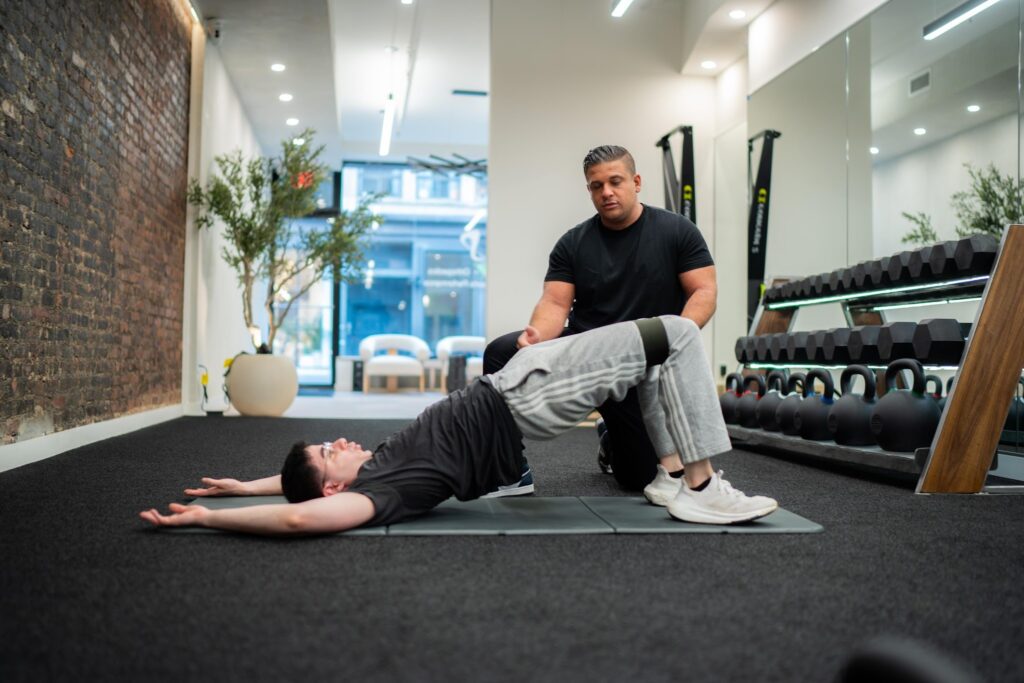
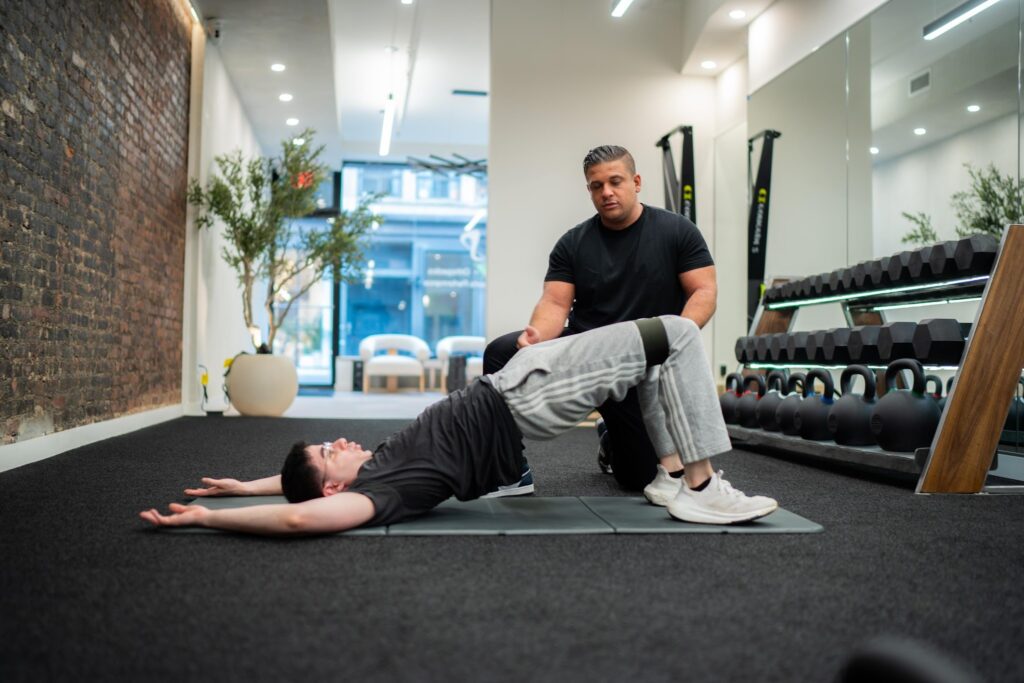
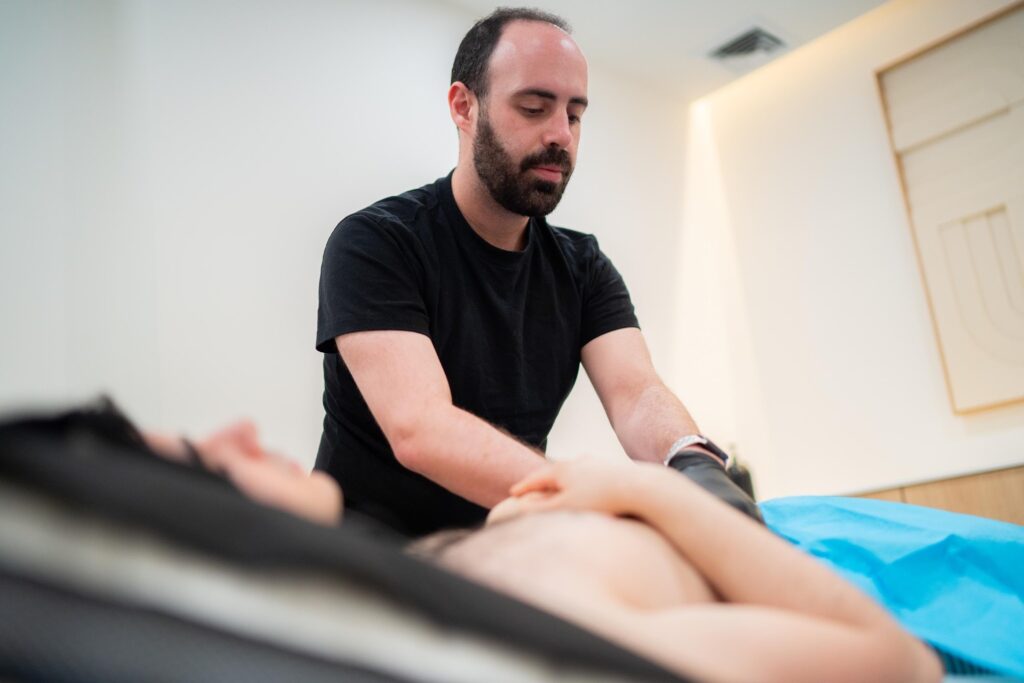
Managing Urinary Issues: Expert Tips from a Physical Therapist

Managing Urinary Issues: Expert Tips from a Physical Therapist

How Do You Manage Urinary Issues?

Most urinary issues—like leakage, urgency, or incomplete emptying—can be significantly improved with a combination of pelvic floor physical therapy, bladder training, lifestyle changes, and medical guidance when needed. Maintaining a healthy weight through regular exercise and healthy eating can help reduce the risk of urinary issues. The key is identifying the root cause (muscle weakness, nerve dysfunction, hormonal shifts, or prostate issues) and following a personalized treatment plan. It is important to consult a healthcare provider to develop a management strategy tailored to your needs and to address any underlying health problems.

For many adults aged 21–48, conservative care such as pelvic floor therapy is the first and most effective step.


Urinary problems are more common than most people realize—and they don’t only affect older adults. In my clinical practice as a pelvic health physical therapist, I regularly treat men and women in their 20s, 30s, and 40s dealing with:

  • Sudden urgency
  • Leakage during workouts
  • Postpartum bladder control changes
  • Frequent nighttime urination
  • Difficulty fully emptying the bladder
  • Bladder control problems that may cause some people to leak urine or limit their activities in fear of not making it to a bathroom in time

According to the National Association for Continence, over 25 million Americans experience some form of urinary incontinence. The Centers for Disease Control and Prevention reports that urinary incontinence affects nearly 1 in 3 women at some point in their lives. Bladder control problems can significantly impact daily life, especially if you avoid activities because you are worried about not reaching the bathroom in time.

The good news? Most urinary dysfunction is treatable—and often reversible—with the right approach.


What Are Urinary Issues?

urinary issues

Urinary issues refer to dysfunction involving the bladder, urethra, nerves, or pelvic floor muscles that interfere with normal urination.

Common symptoms include:

  • Urine leakage (incontinence)
  • Frequent urination (more than 8 times daily)
  • Sudden, intense urgency or urge to urinate
  • Strong urge or intense urge to pass urine
  • Painful urination
  • Weak urine stream
  • Feeling unable to fully empty the bladder
  • Blood in the urine
  • Cloudy or foul-smelling urine
  • Waking up more than once each night to pass urine (nocturia)

The urinary system includes the kidneys, bladder, ureters, and urethra. These organs work together to carry urine out of the body.

The bladder itself is a muscular organ about the size of a grapefruit when full. It relies heavily on coordination between:

  1. The detrusor muscle (bladder muscle)
  2. The urethral sphincter
  3. The pelvic floor muscles
  4. The nervous system

Nerves and muscles, including the sphincter muscles, coordinate through nerve signals to control bladder function. Proper communication between these components is essential for normal urination, and disruptions can lead to urinary issues.

A bladder diary and pad test are useful tools for tracking symptoms and diagnosing urinary issues.

When this system falls out of sync, symptoms begin.

Types of Urinary Incontinence (And Why It Matters)

Not all bladder leaks are the same. Bladder control problems and bladder control issues can affect anyone, but they are more common in certain groups and at certain times in life, such as during pregnancy, after childbirth, menopause, or with prostate problems in men. Understanding the type helps determine the correct treatment.

1. Stress Incontinence

Leakage triggered by coughing, laughing, jumping, or lifting. Common in postpartum women and athletes.

Cause: Stress incontinence occurs when weakened pelvic floor muscles, often due to childbirth or aging, make it hard for the bladder to hold urine. The primary symptom is leaking urine before you can make it to the bathroom or during activities like sneezing, coughing, laughing, or exercising.

2. Urge Incontinence

Sudden, overwhelming need to urinate, often described as a strong urge or intense urge, followed by leakage. This is characteristic of urge incontinence, where the sudden, intense urge to urinate is difficult to control and may result in involuntary urine leakage.

Often linked to overactive bladder (OAB).

Cause: Involuntary bladder contractions.

Dietary bladder irritants can also increase urinary frequency and urgency.

3. Overflow Incontinence

Dribbling caused by incomplete bladder emptying.

Cause: Obstruction (e.g., enlarged prostate) or nerve dysfunction. Overflow incontinence can be associated with urinary retention, which is the inability to completely empty the bladder. Urinary retention is commonly caused by physical blockages or nerve damage.

4. Functional Incontinence

Physical or mobility barriers prevent timely bathroom access.


Why Are Urinary Issues Happening at 21–48 Years Old?

Many younger adults are surprised when bladder symptoms appear. Common triggers include:

  • Drinking caffeine or alcohol late in the day
  • High fluid intake before bed
  • Stress or anxiety
  • Certain medications

Underlying health issues can also contribute to urinary symptoms. A sudden increase in urination that can’t be explained, especially at night, may indicate a bladder problem or diabetes.

For Women

  • Pregnancy and childbirth
  • Hormonal shifts
  • High-impact exercise
  • Chronic constipation

Pelvic floor exercises during and after pregnancy can help prevent urinary incontinence by strengthening the pelvic muscles.

For Men

  • Prostate inflammation

Prostate inflammation, or prostatitis, can lead to urinary issues such as pain, urgency, and frequent urination. Benign prostatic hyperplasia (BPH) is another common, non-cancerous enlargement of the prostate gland that can cause urinary difficulties, such as trouble starting urination or incomplete bladder emptying, especially as men age.

  • Chronic straining
  • Post-surgical changes
  • Pelvic floor tension

For Both

  • Stress and anxiety
  • Caffeine overload
  • Sedentary lifestyle
  • Heavy lifting without core coordination. Certain physical activities, such as high-impact exercise, can also trigger stress incontinence by increasing pressure on the bladder.

Research published in the Journal of Women’s Health Physical Therapy shows pelvic floor muscle training improves stress incontinence symptoms by up to 70% in appropriately selected patients.

How Pelvic Floor Physical Therapy Helps Urinary Incontinence

Pelvic floor therapy is often the most underutilized yet highly effective treatment for urinary dysfunction.

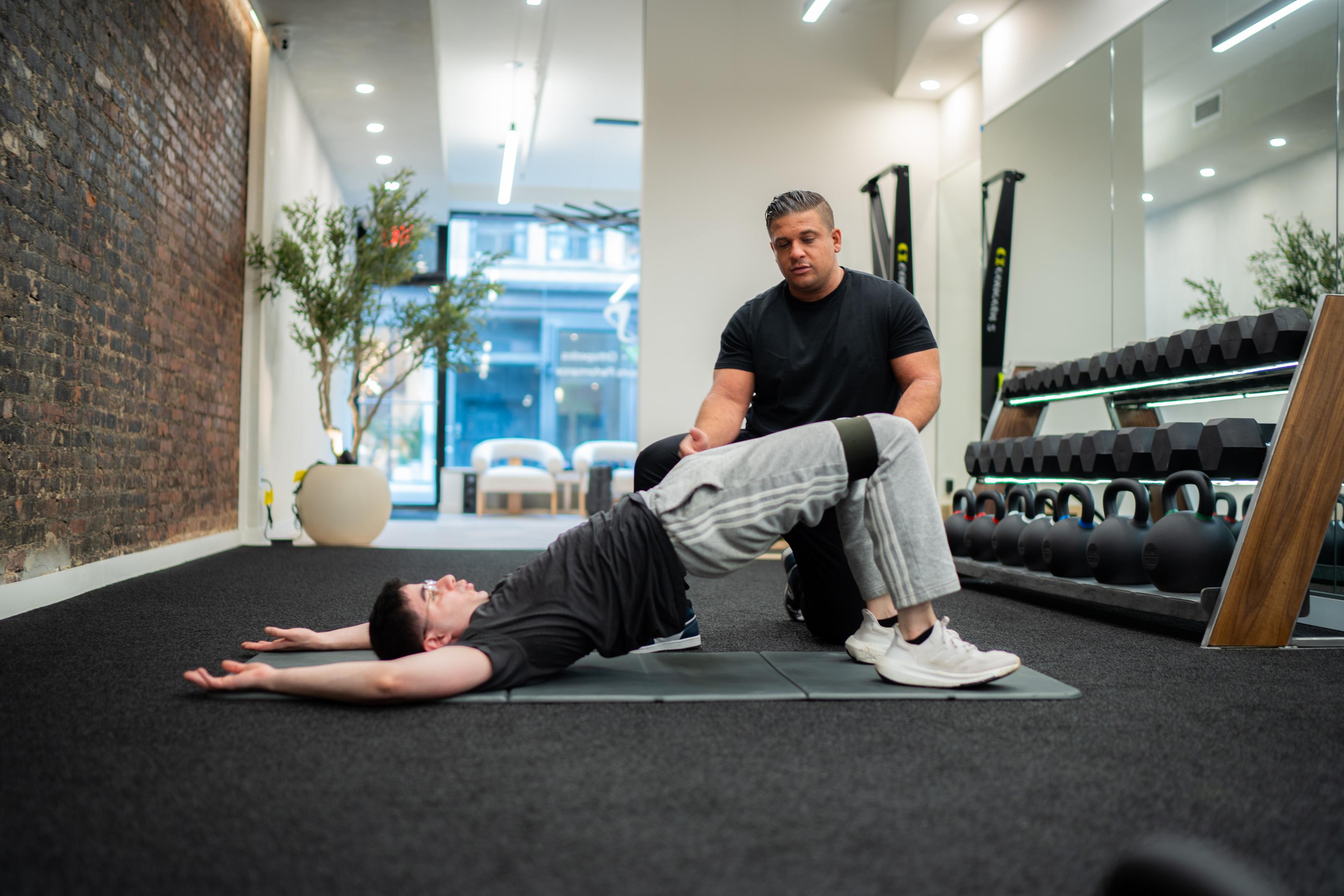
As a Doctor of Physical Therapy specializing in pelvic health, I assess:

  • Muscle strength
  • Coordination
  • Endurance
  • Relaxation ability
  • Breathing mechanics
  • Core and hip function
  • Bladder muscles and the coordination of nerves and muscles that control bladder function

Keeping a bladder diary is also recommended to track urination patterns, symptoms, and progress, which can help identify urinary issues and guide treatment.

Treatment May Include:

Kegels for urinary issues
  • Targeted Kegel progressions (not generic instructions)
  • Biofeedback training
  • Electrical stimulation (if appropriate)
  • Manual therapy for tight muscles
  • Bladder retraining protocols
  • Behavioral strategies

A pad test may also be used during assessment to objectively measure urine leakage, involving a specially treated pad that changes color upon urine leakage.

A 2018 systematic review published in Cochrane Database of Systematic Reviews found pelvic floor muscle training significantly improves or cures stress urinary incontinence compared to no treatment.

Why This Matters

Many people try random Kegels they found online. But doing them incorrectly—or when muscles are actually tight—can worsen symptoms.

Professional guidance ensures:

  • Correct diagnosis
  • Proper muscle activation
  • Customized progression

If you’re in New York City, you can schedule an evaluation at Pelvis NYC for personalized care from pelvic health specialists.


Bladder Training: How to Retrain Urgency

If you feel like you’re constantly running to the bathroom, bladder training can help.

Step-by-Step Approach

  1. Track urination patterns for 3 days.
  2. Set scheduled voiding intervals.
  3. Gradually increase time between bathroom trips.
  4. Use urge-suppression breathing techniques.

Many patients improve urgency within 4–6 weeks.


Hydration & Diet: What Actually Helps?

Drinking habits, such as alcohol and caffeine intake, can significantly affect bladder health. Consuming alcohol and caffeine can cause the body to produce more urine, which may irritate the bladder and increase urination frequency. Hydration is important for bladder health—too little fluid can irritate the bladder, while too much can increase frequency. Dietary adjustments for managing urinary issues include limiting bladder irritants like caffeine, alcohol, and spicy foods. Cutting down on alcohol and caffeine can help manage urinary health.

Bladder irritants are often overlooked contributors.

Reduce or Eliminate:

  • Caffeine
  • Alcohol
  • Artificial sweeteners
  • Carbonated drinks
  • Highly acidic foods

Improve With:

  • 6–8 glasses of water spaced evenly
  • Increased fiber (25–30g daily)
  • Anti-inflammatory foods

Constipation increases pelvic floor pressure and can worsen incontinence.


Painful Urination: When to See a Doctor

urinary issues

Burning or pain during urination may indicate:

The Mayo Clinic advises seeking medical evaluation if painful urination is persistent, accompanied by fever, or includes blood in urine.

Always rule out infection first. If labs are clear, pelvic floor dysfunction may be the hidden cause.


Lifestyle Adjustments That Make a Big Difference

Here are practical, real-world changes I recommend to patients:

Maintain a healthy weight through regular physical activities, as this can help reduce the risk of urinary issues.

Limit caffeine and alcohol, as these can irritate the bladder.

Try to drink less fluid before bedtime to help reduce nighttime urination.

Schedule bathroom visits every 2-4 hours, even if you don’t feel the urge.

Practice pelvic floor exercises (Kegels) to strengthen the muscles that control urination.

1. Stop “Just in Case” Bathroom Trips

Frequent preventive urination shrinks bladder capacity.

2. Coordinate Breathing with Movement

Exhale during lifting to reduce pressure on the pelvic floor.

3. Strengthen Your Hips and Core

Pelvic stability improves bladder control.

4. Manage Stress

Chronic tension affects pelvic floor relaxation.


Medical Treatment Options (When Needed)

If conservative therapy isn’t enough:

  • Anticholinergic medications
  • Beta-3 agonists
  • Neuromodulation therapy
  • Botox injections
  • Surgery: Surgical treatment for stress incontinence may involve a sling procedure to reduce pressure on the bladder.

Physical therapy is often recommended before surgical intervention.

Real Case Example

A 34-year-old fitness instructor came to our clinic with stress incontinence during jump training. She assumed it was “normal after childbirth.”

After 8 sessions of pelvic floor therapy focused on coordination (not just strength), she returned to full workouts without leakage.

Bladder dysfunction is common—but not normal.


Frequently Asked Questions (FAQ)

What is the fastest way to stop urinary leakage?

The fastest improvement typically comes from guided pelvic floor physical therapy combined with bladder habit changes.

Can urinary incontinence go away on its own?

Mild cases sometimes improve, but most benefit from structured treatment.

How long does pelvic floor therapy take?

Most patients notice improvement within 4–8 weeks.

Are Kegels enough to fix bladder leaks?

Not always. Incorrect technique or underlying tension can worsen symptoms.

When should I see a specialist?

If symptoms last more than 2–4 weeks, interfere with exercise, sleep, or daily life, seek evaluation.


Take Control of Your Bladder Health

Urinary issues can feel isolating—but they are highly treatable. Whether you’re dealing with leaks during workouts, postpartum changes, or sudden urgency at work, help is available.

At Pelvis NYC, we specialize in evidence-based pelvic floor physical therapy for men and women.

👉 Schedule your consultation today at www.pelvis.nyc and take the first step toward lasting bladder control.


Related Resource

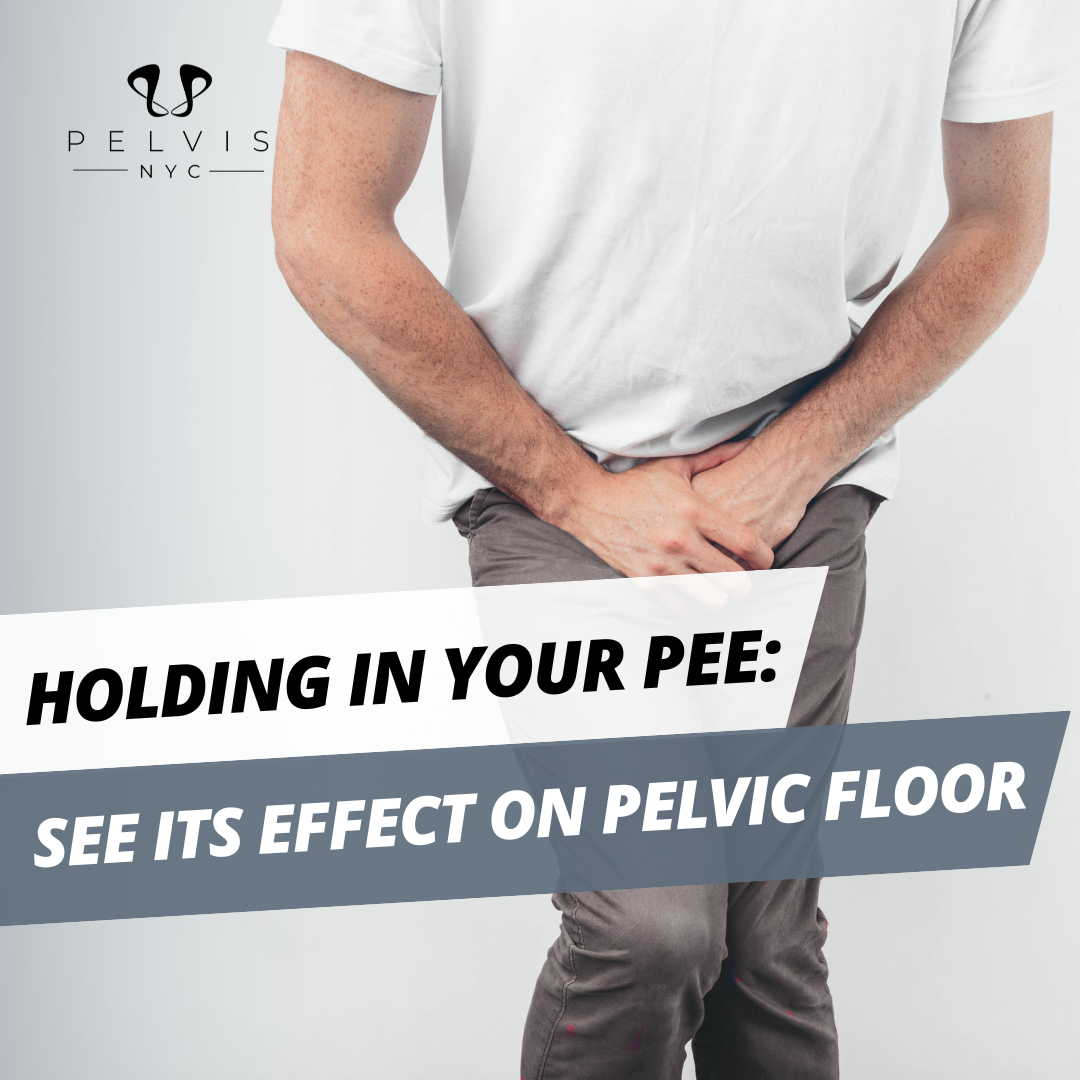
How Holding in Your Pee Can Affect Your Pelvic Floor

Benefits of Pelvic Floor Therapy to Urinary Incontinence

image for urinary incontince and pelvic floor therapy

Urinary incontinence is the involuntary leakage of urine caused by changes in bladder control, pelvic floor muscle function, or nervous system signaling. It is more common in women than in men, particularly due to reproductive health events such as pregnancy, childbirth, and menopause. While it is common, it is not a normal part of aging—and most cases are highly treatable with the right care.

Despite affecting more than 25 million adults in the United States, more than 4 in 10 women aged 65 and older experience urinary incontinence. The risk increases with age, especially after 50. Urinary incontinence affects twice as many women as men, often due to reproductive health events unique to women. Chronic urinary incontinence is a persistent form of the disorder. Although it can occur at any age, it is more common in women over 50. Many people delay treatment due to embarrassment or the belief that nothing will help.


Introduction to Urinary Incontience

Urinary incontinence, or loss of bladder control, is a widespread condition that affects people of all ages and backgrounds. It occurs when the bladder muscles and pelvic floor muscles are unable to work together effectively, leading to involuntary urine leakage.

There are several types of urinary incontinence, each with distinct causes and symptoms, including stress incontinence, urge incontinence (overactive bladder), mixed incontinence, and overflow incontinence. While it can be distressing, understanding the underlying issues—such as weak pelvic floor muscles or changes in bladder control—can help guide effective treatment.

This article explores the different types of urinary incontinence, what causes them, how they are diagnosed, and the most effective ways to manage and improve bladder control.


How Urinary Incontinence Affects Daily Life

Urinary incontinence impacts far more than bladder function. The primary symptom is urine leakage before reaching the bathroom or during activities such as sneezing, coughing, laughing, or exercising.

Many people experience changes in:

  • Exercise and physical activity
  • Sleep quality
  • Work and social confidence
  • Sexual health and intimacy

Even mild leakage can create ongoing stress, which may further worsen bladder symptoms through increased pelvic floor muscle tension.

Functional incontinence can occur when physical limitations or disabilities prevent timely access to a restroom, leading to urine leakage.


Common Symptoms of Urinary Incontinence

Symptoms vary depending on the underlying cause and may include:

  • Urine leakage with movement, coughing, or exercise
  • Sudden urinary urgency followed by leakage
  • Frequent urination or nighttime urination
  • Difficulty holding urine
  • Dribbling or incomplete bladder emptying

Keeping a bladder diary may help identify patterns in urination and can be used as part of bladder training to improve bladder control. Identifying symptom patterns helps guide effective treatment.


Types of Urinary Incontinence

Urinary incontinence is not a single condition. There are four main types: stress, urge, functional, and overflow incontinence. The two most common types affecting women are stress incontinence and urge incontinence, also known as overactive bladder.

Understanding the type is essential for choosing the right treatment approach. Many women experience a combination of stress and urge incontinence, referred to as mixed incontinence.

Stress Incontinence

Leakage occurs when pressure is placed on the bladder, such as during coughing, sneezing, or exercise.

Urge Incontinence (Overactive Bladder)

Urge incontinence is characterized by urinary urgency—a sudden, intense need to urinate—followed by involuntary leakage. This condition is often linked to bladder or pelvic floor muscle overactivity. Anticholinergic medications are commonly prescribed to treat overactive bladder and urge incontinence.

Mixed Urinary Incontinence

Many women experience both stress and urge symptoms, a condition known as mixed urinary incontinence. Treatment must address both muscle coordination and bladder signaling.

Overflow Urinary Incontinence

Leakage caused by incomplete bladder emptying is often related to pelvic floor tension, nerve issues, or prostate problems.


Causes and Risk Factors

Urinary incontinence can develop for many reasons, often involving a combination of physical, medical, and lifestyle factors. Weakness or dysfunction of the pelvic floor muscles is a leading cause, especially after pregnancy, vaginal birth, or pelvic surgery. Hormonal changes during menopause can also weaken the support structures of the urinary tract.

Certain medical conditions—such as benign prostatic hyperplasia (enlarged prostate), multiple sclerosis, diabetes, and chronic urinary retention—can disrupt nerve signaling between the bladder and brain. Prostate surgery in men and pelvic organ prolapse in women are additional risk factors.

Other contributors include chronic constipation, obesity, frequent heavy lifting, and persistent coughing, all of which place extra pressure on the bladder and pelvic organs. While aging is associated with changes in bladder muscle function and elasticity, urinary incontinence is not inevitable.

Lifestyle habits, including high intake of bladder irritants such as caffeine and alcohol, can worsen symptoms. A family history of urinary incontinence or connective tissue disorders may also increase susceptibility. Understanding these risk factors is essential for creating a personalized treatment plan.


Pelvic Floor

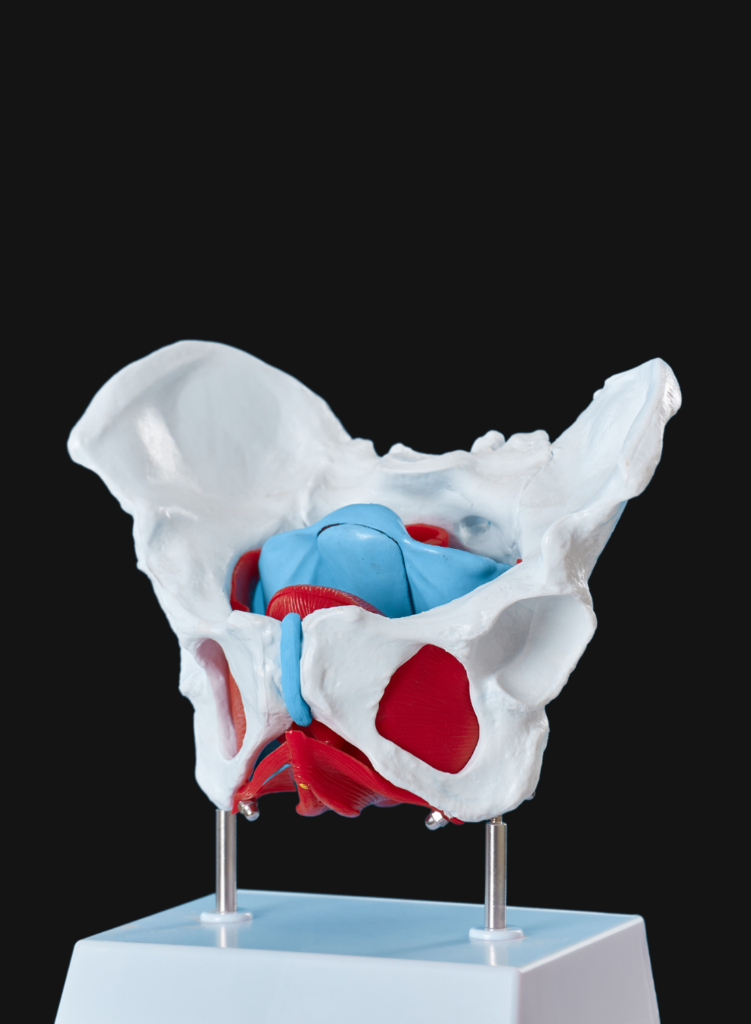
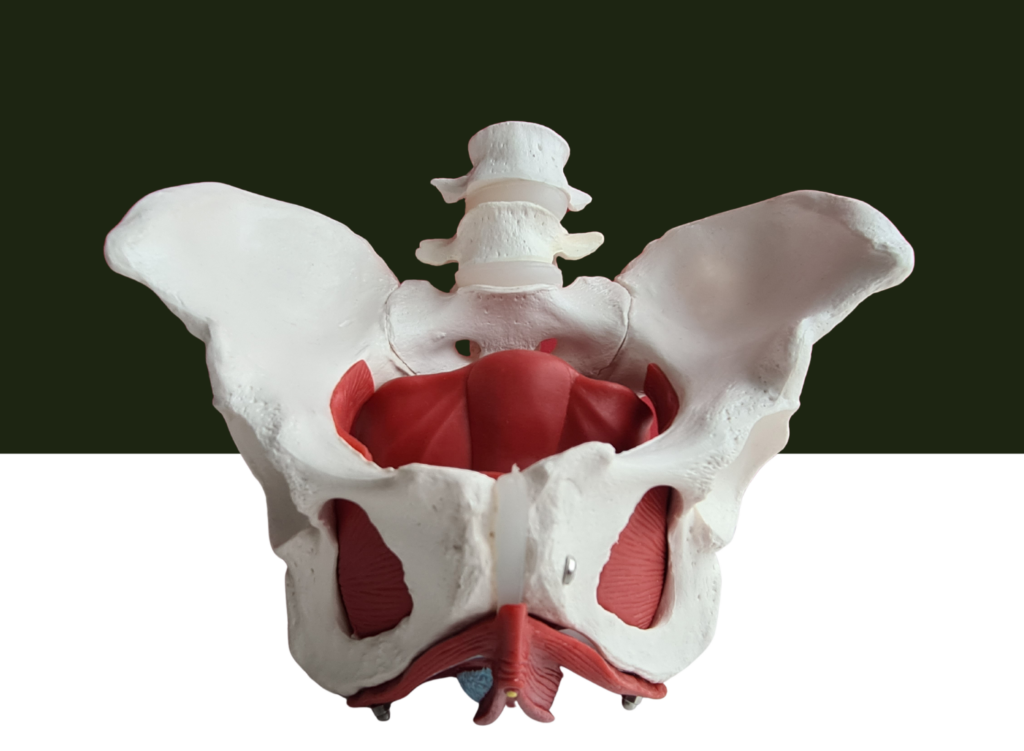
The pelvic floor is a group of muscles that support the bladder, bowel, and reproductive organs.

Pelvic floor muscles may be weakened by pregnancy, childbirth, aging, hormonal changes during menopause, and certain neurological conditions. These muscles play a critical role in maintaining bladder control. Pelvic floor muscle training—such as Kegel exercises—is important for preventing urinary incontinence and supporting pelvic organ health.

Healthy pelvic floor muscles must:

  • Contract when needed
  • Relax fully
  • Coordinate with breathing and movement

When this balance is disrupted, bladder control suffers.


Female Urinary System

The female urinary system is especially vulnerable due to:

  • Pregnancy-related muscle strain
  • Hormonal changes during menopause
  • Changes in pelvic organ support

Pregnancy increases pressure on the bladder and pelvic floor muscles, while childbirth—particularly vaginal delivery—can weaken muscles and damage nerves that control bladder function. Hormonal shifts during menopause can weaken the urethra and bladder neck, increasing the risk of urinary incontinence.

Although these factors raise risk, targeted therapy can restore function.


Treatment Options That Actually Work

Urinary incontinence is a common condition that can significantly impact quality of life, but it is highly treatable. Treatment options depend on the type and severity of symptoms and may include behavioral therapies, medications, nerve stimulation, and surgery.


Pelvic Floor Exercises

Pelvic floor exercises are a cornerstone of treatment—but only when performed correctly.

A pelvic floor therapist can help:

  • Determine whether muscles are weak or overactive
  • Teach proper muscle coordination
  • Prevent worsening symptoms

Generic exercises without professional assessment often fail.


Kegel Exercises

Kegel exercises can strengthen pelvic floor muscles, but they are not appropriate for everyone. If the muscles are already tight or overactive, Kegels may worsen urgency and leakage. Professional guidance ensures the correct approach.


Prevent Urinary Incontinence

You can help prevent urinary incontinence by:

  • Addressing pelvic floor dysfunction early
  • Avoiding chronic straining
  • Managing constipation
  • Reducing bladder irritants such as caffeine and alcohol
  • Practicing proper breathing and posture

Prevention focuses on function—not just strength.


Advanced Therapies for Persistent Symptoms

When conservative treatments are not effective, advanced options may be considered. Surgical treatments include sling procedures, bladder suspension, and artificial urinary sphincters. The artificial urinary sphincter is primarily used for men with severe urinary incontinence.

Another minimally invasive option is urethral bulking agents, which are injected around the urethra to improve closure and prevent leakage. These therapies are typically reserved for persistent cases.


Nerve Stimulation

Nerve stimulation therapies help regulate bladder signaling and reduce urinary urgency. They are especially helpful for overactive bladder and mixed incontinence.

Percutaneous Tibial Nerve Stimulation (PTNS)

PTNS is a minimally invasive therapy that:

  • Modulates bladder nerve pathways
  • Reduces urgency and frequency
  • Improves bladder control

It is supported by clinical research and is often combined with pelvic floor therapy.


Why Pelvic Floor Physical Therapy Is First-Line Care

According to the American Physical Therapy Association (APTA), pelvic floor physical therapy is a recommended first-line treatment for urinary incontinence.

Therapy may include:

  • Muscle retraining
  • Manual therapy
  • Bladder retraining
  • Breathing coordination
  • Nervous system regulation

Why Choose Pelvis NYC?

Pelvis NYC specializes in pelvic floor physical therapy and treats urinary incontinence across all genders and life stages.

Patients benefit from:

  • One-on-one expert care
  • Evidence-based treatment
  • Trauma-informed, judgment-free sessions

👉 Book a consultation with Pelvis NYC to treat urinary incontinence at its root—not just manage symptoms.


Frequently Asked Questions (FAQ)

What causes urinary incontience?
Urinary incontinence can result from pelvic floor dysfunction, bladder issues, nerve signaling problems, hormonal changes, or prostate conditions. The urethral sphincter plays a critical role in maintaining continence by keeping the urethra closed during increases in abdominal pressure.

Is urinary incontinence normal with age?
It is common, but not normal or inevitable. Treatment is often highly effective.

Do Kegels help urinary incontinence?
Sometimes. If pelvic floor muscles are tight, relaxation may be needed before strengthening.

Can pelvic floor physical therapy cure incontinence?
Many people experience significant improvement or complete resolution with proper therapy.

When should I seek help?
If symptoms affect daily life, sleep, or confidence, seek care early.

How is urinary incontience diagnosed?
Diagnosis involves a thorough medical history, physical examination, and tests such as urinalysis and bladder diaries.

Where can I find reliable patient resources?
The American Urological Association and the National Association for Continence provide trustworthy patient resources.

Are digestive and kidney diseases related to urinary incontinence?
Yes. Digestive and kidney diseases can be associated with urinary incontinence. Organizations such as the National Institute of Diabetes and Digestive and Kidney Diseases focus on these conditions and their management.


Conclusion

Urinary incontinence is a common and treatable condition that can significantly affect daily life, but it does not need to be endured in silence. With accurate diagnosis and a personalized treatment plan—including pelvic floor therapy, lifestyle modifications, and advanced therapies—most people can regain bladder control and reduce or eliminate leakage.

Early intervention is key. If you or a loved one is experiencing symptoms, effective solutions are available to help treat urinary incontinence and restore confidence.

Urinary Problems: Causes, Symptoms, and Evidence-Based Solutions That Actually Help

urinary problems picture

What Are Urinary Problems?

Urinary problems refer to symptoms that affect how often, how easily, or how comfortably you urinate. They can include urgency, leakage, pain, difficulty emptying the bladder, or frequent trips to the bathroom—and they affect people of all ages and genders.

While common, urinary issues are not something you have to “live with.” Most are treatable once the underlying cause is identified. In fact, most people with urinary problems can find significant relief with proper treatment.

Read about Managing Urinary Issues: Expert Tips from a Physical Therapist

Why Urinary Problems Happen

Urinary symptoms rarely have just one cause. They often result from a combination of bladder, pelvic floor, prostate, nervous system, and lifestyle factors.

Certain medications and medicines, such as diuretics and decongestants, can contribute to urinary problems by increasing the need to urinate or affecting bladder health. Some medicines can disrupt the normal process of storing and passing urine or increase the amount of urine you produce. It is important to consult a doctor before discontinuing any medication that may affect urination, as professional guidance is essential in managing these conditions.

According to the National Institute of Diabetes and Digestive and Kidney Diseases (NIDDK), over 25 million adults in the U.S. experience urinary incontinence, yet many never seek care.

Urinary Problems Symptoms

Urinary problems can range from mild inconvenience to life-disrupting conditions. Some develop gradually, while others appear suddenly.

Common signs include:

  • Needing to urinate often
  • Difficulty starting or finishing urination
  • Leakage or loss of bladder control
  • Pain or burning with urination
  • Feeling like the bladder never fully empties
  • Blood in urine
  • Strong urge to urinate
  • Urge to urinate

Blood in the urine can be a sign of a serious illness such as kidney or bladder stones, an infection, or bladder or kidney cancer.

Some people may have difficulty passing urine or may feel a strong urge to pass urine suddenly.

Symptoms can also include pain during urination (dysuria), waking frequently at night (nocturia), and lower abdominal pain.

These symptoms can point to issues in the urinary tract, bladder muscles, pelvic floor, or prostate.


Urinary Tract Infections

Urinary tract infections (UTIs) are one of the most common causes of urinary problems, especially in women.

The best thing to do for a urinary tract infection is to see a healthcare provider.

Typical UTI symptoms include:

  • Painful urination
  • Frequent urination with small amounts
  • Urgency
  • Cloudy or strong-smelling urine

Signs of urinary tract infections also include burning sensation, frequency, urgency, and blood in the urine. You need antibiotics to treat a UTI, and healthcare providers commonly prescribe antibiotics for this purpose. It’s very important to follow the directions for taking antibiotics and to take the full course, even if symptoms go away. Most people feel better within a few days after starting antibiotics. Minor urinary tract infections can sometimes get better on their own, but most need antibiotics to go away. Medication options for urinary issues include antibiotics for UTIs and medications to relax the bladder or prostate muscles. If you get UTIs often, a healthcare provider may give you low-dose antibiotics for a short time to prevent the infection from coming back. Cranberry extract supplements may decrease your chances of getting a UTI.

While antibiotics treat the infection, recurrent UTIs and frequent or chronic bladder infections may be linked to pelvic floor dysfunction or incomplete bladder emptying—issues that pelvic floor physical therapy can address. Recurrent or chronic bladder infections may also indicate an underlying bladder issue.

Frequent Urination

Frequent urination means urinating more often than usual, including waking up at night (nocturia).

Possible causes:

  • Overactive bladder
  • Pelvic floor muscle tension
  • UTIs
  • Prostate enlargement
  • Excess caffeine or fluid intake
  • Certain medications, such as diuretics and decongestants

It’s not always a bladder problem—sometimes the pelvic floor is too tight to allow normal storage and release.


Painful Urination

Painful urination (dysuria) may feel like burning, pressure, or sharp pain.

Common causes include:

  • UTIs
  • Bladder inflammation
  • Pelvic floor muscle spasm
  • Nerve irritation

If tests repeatedly come back “normal,” pelvic floor dysfunction is often overlooked—but highly treatable.


Urinary Incontinence

Urinary incontinence is the involuntary leakage of urine. It affects millions of people but is not a normal part of aging.

There are several types, including stress and urge incontinence.


Stress Incontinence

Stress incontinence occurs when pressure is placed on the bladder.

Triggers include:

  • Coughing or sneezing
  • Laughing
  • Exercise
  • Lifting

It’s often linked to pelvic floor muscle weakness or poor coordination, especially after pregnancy or surgery.


Urge Incontinence

Urge incontinence involves a sudden, intense need to urinate followed by leakage.

It’s commonly associated with:

  • Overactive bladder
  • Pelvic floor muscle tension
  • Nervous system sensitivity

Contrary to popular belief, strengthening alone is not always the solution—learning to relax the pelvic floor is often key.


Bladder Control

Healthy bladder control depends on proper communication between:

  • The bladder
  • Pelvic floor muscles
  • Nervous system

The detrusor muscles contract to allow urine to be released through the toilet during the process of emptying the bladder.

When muscles are too tight or poorly coordinated, bladder signals become exaggerated, leading to urgency and leakage.

Difficulty Emptying

Difficulty emptying the bladder may feel like:

  • A weak urine stream
  • Stopping and starting
  • Feeling “not done” after urinating

This is often related to:

  • Pelvic floor muscle tension
  • Poor relaxation during voiding
  • Prostate issues in men
  • Obstruction (such as bladder stones, ureteral obstruction, or an enlarged prostate)

Overflow incontinence occurs when the bladder cannot empty completely due to a blockage or obstruction.

Acute urinary retention is characterized by an inability to urinate, sometimes accompanied by fever or severe pain.

Incomplete emptying can increase UTI risk and bladder irritation.


Prostate Problems

In men, prostate gland problems are a common contributor to urinary issues.

Surgery or radiation for prostate cancer may lead to nerve damage, bladder spasms, or stress incontinence.

Enlarged Prostate

An enlarged prostate (BPH) can cause:

  • Weak urine stream
  • Hesitancy
  • Dribbling
  • Frequent urination

However, research shows pelvic floor muscle dysfunction often coexists with BPH, meaning symptoms may persist even after medication unless muscle tension is addressed.


Risk Factors for Urinary Issues

Urinary issues, such as urinary incontinence and urinary tract infections, can affect anyone, but certain factors increase your risk. Age is a significant factor—older adults are more likely to experience problems like weak urine stream, frequent urination, and difficulty emptying the bladder. Gender also plays a role: women are more prone to stress incontinence due to changes in pelvic muscles, especially after childbirth or menopause.

Other important risk factors include obesity and chronic conditions like diabetes, which can impact the urinary tract and bladder function. A history of digestive and kidney diseases can also make urinary symptoms more likely. For men, an enlarged prostate—known as benign prostatic hyperplasia (BPH)—is a common cause of urinary difficulties, including trouble starting urination and incomplete bladder emptying.

By understanding these risk factors, you can take proactive steps to protect your urinary system and reduce the likelihood of developing incontinence or other urinary problems.


Diagnosis and Treatment Options

Getting to the root of urinary symptoms starts with a thorough medical history and physical examination. Your healthcare provider may ask about your symptoms, lifestyle, and any history of digestive or kidney diseases. Diagnostic tests, such as urinalysis or urine culture, help identify infections or other underlying issues in the urinary tract.

Treatment options depend on the specific cause. For urinary tract infections, antibiotics are usually prescribed to clear the infection. Stress incontinence often responds well to lifestyle changes, including pelvic floor exercises and weight management. In cases of enlarged prostate or urinary tract blockage, surgery may be recommended to restore normal urine flow. Managing chronic conditions like diabetes is also crucial for reducing urinary symptoms and preventing complications.

Consulting a healthcare professional ensures you receive the right diagnosis and treatment. Trusted organizations like the National Institute of Diabetes and Digestive and Kidney Diseases and the American College of Physicians offer up-to-date guidelines and resources to help you make informed decisions about your urinary health.


Preventing Urinary Problems

Prevention is key to maintaining a healthy urinary system. Simple lifestyle changes can make a big difference—stay well-hydrated, limit alcohol and caffeine, and practice good hygiene to reduce your risk of urinary tract infections. Regular physical activity and a balanced diet support overall health and help prevent issues like obesity and diabetes, which are linked to urinary problems.

Listening to your body is important: don’t delay urination when you feel the urge, and avoid holding urine for long periods. For men, maintaining a healthy weight and getting regular check-ups can help prevent prostate problems. Medical education and awareness are powerful tools—organizations like the Mayo Foundation provide reliable information on urinary health and prevention strategies.

By adopting these habits and staying informed, you can lower your risk of urinary tract infections, incontinence, and other urinary issues, supporting your health for years to come.

How Pelvic Floor Physical Therapy Helps Urinary Problems

Pelvic floor physical therapy is one of the most effective, evidence-based treatments for urinary dysfunction.

A pelvic floor therapist can help:

  • Improve bladder control
  • Reduce urgency and frequency
  • Address leakage
  • Retrain pelvic floor muscle coordination
  • Reduce muscle tension that interferes with urination

According to the American Physical Therapy Association (APTA), pelvic floor physical therapy is a first-line treatment for many types of urinary incontinence.


When to Seek Help

You should seek professional care if:

  • Urinary symptoms persist longer than a few weeks
  • You experience pain, leakage, or difficulty emptying
  • Symptoms interfere with daily life or sleep

Early care prevents long-term complications.


Why Choose Pelvis NYC?

Pelvis NYC specializes exclusively in pelvic floor physical therapy. Their clinicians have advanced training in treating complex urinary problems across all genders.

Patients benefit from:

  • One-on-one expert care
  • Evidence-based treatment plans
  • A supportive, judgment-free environment

👉 Schedule a consultation with Pelvis NYC to address urinary problems at the root—not just mask symptoms.


Frequently Asked Questions (FAQ)

What causes urinary problems?
Urinary problems can result from bladder dysfunction, pelvic floor muscle issues, UTIs, prostate problems, nerve irritation, or lifestyle factors.

Are urinary problems normal with age?
They’re common, but not normal or inevitable—and they’re often treatable.

Can pelvic floor physical therapy help urinary symptoms?
Yes. It’s one of the most effective treatments for incontinence, urgency, and difficulty emptying.

Do Kegels help all urinary problems?
Not always. Tight pelvic floor muscles may need relaxation before strengthening.

When should I see a specialist?
If symptoms are persistent, painful, or affecting quality of life, seek care early.

Pelvic Floor Dysfunction: How Common is it in Men?

Pelvic Floor Dysfunction: How Common is it in Men?

Pelvic floor dysfunction is a condition that I often see in men. It’s a condition that is not talked about, but it’s more common than you might think. This can cause a range of unpleasant symptoms, but the good news is that with the right treatment, many men can experience significant relief.

In this blog, we’ll explore pelvic floor dysfunction, the symptoms to look out for, and the most effective treatment options available.

What is Pelvic Floor Muscle Dysfunction?

If you have been experiencing urinary incontinence, chronic pelvic pain, or sexual dysfunction, you might be dealing with a common issue called pelvic floor dysfunction. Pelvic floor problems can affect the muscles, ligaments, and connective tissue in your pelvic area, leading to a range of symptoms that can impact your daily life.

Healthcare professionals diagnose pelvic floor dysfunction by assessing patients’ health history, and symptoms, and conducting physical examinations to evaluate muscle function.

Symptoms of Pelvic Floor Dysfunction

The symptoms of pelvic floor dysfunction can vary widely, but some of the most common include:

Urinary Incontinence: The involuntary leakage of urine, often occurring during activities like coughing, sneezing, or physical exertion, and sometimes as a result of an inability to control the urge to urinate.

Chronic Pelvic Pain: Persistent or recurrent pain in the pelvic region lasting six months or more, which can be associated with various conditions affecting the reproductive, urinary, or digestive systems.

Pain During Sexual Intercourse: Also known as dyspareunia, this refers to persistent or recurring pain experienced during or after sexual intercourse, which can result from physical or psychological factors.

Erectile Dysfunction: The inability to achieve or maintain an erection sufficient for satisfactory sexual performance, often due to physical, psychological, or lifestyle factors.

Painful Bowel Movements: Discomfort or pain experienced during the passage of stool, which can be caused by conditions like hemorrhoids, anal fissures, or pelvic floor dysfunction.

Constipation: A condition characterized by infrequent or difficult bowel movements, often accompanied by a feeling of incomplete evacuation, and can be caused by diet, dehydration, or underlying health issues.

Fecal Incontinence: The inability to control bowel movements, leading to involuntary leakage of stool, which can result from weakened pelvic floor muscles, nerve damage, or gastrointestinal disorders.

The anal sphincter plays a critical role in the process of defecation, and its proper functioning is essential for effective stool evacuation. Issues with the anal sphincter can lead to conditions like fecal incontinence.

Pelvic Floor Physical Therapy Treatment Options

Role of Physical Therapy in Pelvic Floor Dyfunction

If you’re finding yourself dealing with symptoms of pelvic floor issues, don’t worry. These symptoms can be tough to handle, but there are ways to manage them. As a physical therapist, I have helped many men overcome the discomfort and inconvenience that comes with this issue.

At Pelvis NYC, we take a personalized approach to treatment, recognizing that each patient’s situation is unique. We also offer a variety of effective treatment options to help you regain control and confidence. Here are some of the ways we can help:

  • Pelvic floor muscle strengthening exercises: Pelvic floor exercises use to help you improve the strength and endurance of your pelvic floor muscles. Furthermore, it can help improve bladder and bowel control, reduce pelvic pain, and enhance sexual function.
  • Pelvic floor physical therapy: This specialized form of therapy can improve muscle contraction and rectal sensation, aiding in the management of conditions like rectocele and anismus.
  • Biofeedback therapy: This technique uses specialized sensors to help you visualize and understand your body’s responses to certain exercises, making it easier to train your pelvic floor muscles effectively.
  • Manual therapy techniques: We use gentle manual techniques to help release tension and tightness in the pelvic floor muscles and then, reduce pain and promote healing.
  • Electrical stimulation: This therapy uses low-voltage electrical currents. This stimulates the pelvic floor muscles, helping them to contract and relax more effectively.
  • Relaxation techniques: Stress and tension can exacerbate symptoms of pelvic floor dysfunction. We offer relaxation techniques such as deep breathing and mindfulness to help you reduce stress and improve your overall well-being.

Conclusion:

If you’re experiencing symptoms of pelvic floor dysfunction, know that there are effective treatment options available. Strong pelvic muscles are essential for maintaining pelvic health and preventing conditions like pelvic organ prolapse and incontinence. Understanding pelvic floor disorders is crucial, as they can significantly impact quality of life. Don’t suffer alone – reach out to a qualified physical therapist today to get the help you need to feel your best.

If you have more questions, feel free to visit www.pelvis.nyc and get a FREE 15-minute teleconsultation. Our team is here to help you find relief and get back to doing the things you love.

How to Prevent Hard Flaccid: Tips from Dr. Adam Gvili

How to Prevent Hard Flaccid: Tips from Dr. Adam Gvili

How to Prevent Hard Flaccid (Direct Answer)

Hard flaccid can often be prevented by maintaining healthy pelvic floor function, managing stress, avoiding excessive pelvic strain, and addressing early symptoms promptly. Holistic lifestyle changes, including stress management, regular exercise, and conscious relaxation of pelvic floor muscles, are recommended to prevent hard flaccid syndrome. Prevention focuses on keeping pelvic floor muscles flexible and coordinated—not overworked—while supporting nervous system balance and circulation.

For many men, small daily habits make a meaningful difference long before symptoms become disruptive. Avoiding excessive Kegel exercises without professional guidance is important, as improper techniques can worsen symptoms.

What Is Hard Flaccid (Brief Context)

Hard flaccid is a condition where the penis feels semi-rigid or tense while flaccid and may be clear or accompanied by discomfort, numbness, or changes in erectile quality. Hard flaccid syndrome symptoms include a persistently firm flaccid state, often with pain and erectile dysfunction. It is widely understood as a functional pelvic floor and nervous system issue, not permanent tissue damage. HFS is considered a rare male sexual disorder and is newly recognized in medical literature, so many healthcare providers may be unfamiliar with it.

HFS primarily affects young men, commonly in their 20s and 30s, due to:

  • High stress and demanding schedules
  • Intense gym or training routines
  • Prolonged sitting at work
  • Sexual performance pressure

The encouraging reality is that many contributing factors are modifiable and preventable.

The hallmark findings for diagnosing Hard Flaccid Syndrome include a persistent hard flaccid state with pain and erectile dysfunction in a young man.

Why Prevention Matters

Preventing hard flaccid is often easier than treating established symptoms.

Without early intervention, ongoing pelvic tension may contribute to:

  • Chronic pelvic pain
  • Erectile difficulties
  • Anxiety around sexual performance
  • Long-term pelvic floor dysfunction

Chronic pain and emotional distress are common consequences of untreated Hard Flaccid Syndrome (HFS), which can significantly impair a man’s overall quality of life and negatively impact self-esteem and relationships.

A prevention-focused approach supports not just erections—but comfort, confidence, and long-term sexual health.

Pelvic Floor Health: The Foundation of Prevention

The pelvic floor is a group of muscles that support erections, ejaculation, bladder control, and blood flow.

Smooth muscle contraction and relaxation in the pelvic floor are essential for normal erectile and urinary function, as these processes are controlled by neural and hormonal signals that regulate the dynamics of erectile tissue.

For prevention, these muscles must:

  • Contract efficiently when needed
  • Fully relax afterward
  • Coordinate with breathing and movement

Problems arise when muscles remain chronically tight or guarded, often without awareness.

Pelvic floor physical therapy focuses on releasing tension and retraining these muscles to maintain healthy function.

Avoid Overworking Pelvic Floor Muscles

One of the most common prevention mistakes is over-strengthening the pelvic floor.

Excessive Kegels or constant muscle clenching can:

  • Increase resting muscle tension
  • Reduce blood flow
  • Irritate pelvic nerves

For many men, learning how to relax and coordinate the pelvic floor is far more protective than strengthening alone.


Exercise Smart: Balance Strength and Recovery

Heavy lifting, intense core workouts, and breath-holding during exertion increase pressure on the pelvic floor.

To reduce risk:

  • Exhale during lifts
  • Avoid straining or bearing down
  • Balance strength training with mobility and recovery
  • Reduce volume if pelvic tightness appears

Men who train hard often benefit from pelvic-floor–aware exercise habits to prevent overload.

Engaging in regular cardiovascular exercise, such as walking or yoga, promotes healthy blood supply to the pelvic region. This supports both sexual health and stress management.

Manage Stress and Nervous System Load

Chronic stress keeps the body in fight-or-flight mode, which directly increases pelvic muscle tension.

Stress can:

  • Increase pelvic guarding
  • Heighten pain sensitivity
  • Interfere with the erectile response

Preventive strategies include:

  • Diaphragmatic breathing
  • Regular movement breaks
  • Sleep optimization
  • Mind-body practices such as yoga or meditation

Chronic stress can lead to symptoms secondary to pathological activation of neural pathways, such as the pelvic/pudendal-hypogastric reflex. Lifestyle modifications, including stress reduction techniques and ergonomic adjustments, are important for prevention and management of Hard Flaccid Syndrome.

Research published in the Journal of Urology consistently links nervous system regulation with improved pelvic outcomes.

Sitting Habits Matter More Than You Think

Prolonged sitting compresses pelvic structures and reduces circulation.

To lower risk:

  • Take breaks every 30–60 minutes
  • Use supportive seating
  • Avoid holding tension while seated
  • Alternate between sitting and standing

Desk-based professionals are a high-risk group when pelvic health is overlooked.


Sexual Habits and Pelvic Health

Prolonged arousal, frequent edging, or insufficient recovery can overload pelvic floor muscles. Sexual intercourse and sexual stimulation, if too intense or frequent, can contribute to pelvic floor overload and potentially decreased libido.

Healthier habits include:

  • Allowing full relaxation after sexual activity
  • Avoiding prolonged muscle clenching
  • Respecting recovery time

Using gentle techniques during sexual activity can help avoid penile trauma and reduce the risk of developing HFS.

Sexual health should support relaxation—not reinforce tension.

Address Early Warning Signs

Early signs may include:

  • Pelvic tightness
  • Mild penile discomfort
  • Changes in erection quality
  • Reduced sensation
  • Urinary symptoms such as decreased urinary force or bladder-related dysfunction

Hard flaccid symptoms can fluctuate with posture, physical activity, arousal, and stress levels, making early recognition and intervention crucial for prevention.

Ignoring these signs often leads to symptom progression. Addressing them early is one of the most effective prevention strategies.

Even with good prevention, some men may still experience symptoms of hard flaccid syndrome (HFS). Early action can help prevent symptoms from worsening and protect long-term sexual health.

Common symptoms to watch for include:

  • A hard or semi-rigid flaccid penis
  • Penile pain or discomfort
  • Erectile dysfunction
  • Changes in penile sensation

Key Strategies for Managing Symptoms

Pelvic floor physical therapy

  • A core treatment for HFS
  • Focuses on relaxing tight pelvic floor muscles
  • Improves blood flow and erectile function
  • Helps restore normal muscle coordination
  • Addresses the underlying pelvic floor dysfunction contributing to symptoms

Pain management and medical evaluation

  • Helpful for chronic pelvic pain or persistent penile discomfort
  • May include therapies such as low-intensity shockwave therapy
  • A thorough exam can help identify contributing factors, such as:
    • Penile trauma
    • Nerve-related pain
    • Excessive sympathetic (stress-related) nervous system activity
  • Diagnostic tools (e.g., penile Doppler ultrasound) may be used when appropriate

Stress and nervous system regulation

  • Chronic stress can worsen muscle spasms and pelvic pain
  • Stress-reducing practices may include:
    • Deep breathing
    • Meditation
    • Yoga
  • Calming the nervous system helps reduce pelvic floor muscle tension

Lifestyle support

  • Regular movement and exercise
  • Balanced nutrition
  • Adequate sleep
  • These habits support healing and overall sexual function

Why Individualized Care Matters

  • HFS is a rare and variable condition
  • Symptoms and causes differ from person to person
  • Working with a pelvic floor specialist or sexual medicine provider ensures a personalized treatment plan

Early treatment can help:

  • Reduce pain
  • Improve erectile function
  • Prevent long-term pelvic floor and erectile tissue complications

👉 If symptoms persist or worsen, seek professional care promptly. With the right combination of pelvic floor physical therapy, pain management, and stress reduction, most men can effectively manage HFS symptoms and regain control of their sexual health.

Pelvic Floor Physical Therapy as Prevention

Pelvic floor physical therapy is not only for treatment—it is also highly effective for prevention.

A trained pelvic floor specialist can:

  • Identify excessive muscle tone early
  • Improve coordination and relaxation
  • Address breathing and posture patterns
  • Reduce strain before symptoms escalate

Pelvic floor physical therapy is a key part of both prevention and the treatment of hard flaccid, with a primary focus on relaxing overactive pelvic floor muscles rather than just strengthening them.

Men who seek guidance early often prevent hard flaccid from developing at all.

Related Blog: How to Improve Hard Flaccid Symptoms

When to Seek Specialized Pelvic Care

If you notice persistent pelvic tightness, discomfort, or subtle changes in erectile quality, professional guidance can be a proactive step—not a last resort. Sexual medicine practitioners’ knowledge is crucial for accurate diagnosis and management of Hard Flaccid Syndrome (HFS), as they are equipped to integrate therapies and provide comprehensive care.

At Pelvis NYC, men receive specialized pelvic floor care from Dr. Adam Gvili, PT, DPT, a pelvic floor physical therapist with advanced training in male pelvic pain, pelvic floor dysfunction, and sexual health concerns.

Care at Pelvis NYC focuses on:

  • Early identification of pelvic floor tension
  • Education to prevent symptom progression
  • Personalized strategies to support long-term pelvic and sexual health

The diagnosis of Hard Flaccid Syndrome requires careful consideration of the patient’s history and a physical examination to rule out other conditions.

Many men between 25–45 seek care not because symptoms are severe, but because they want to protect performance, comfort, and confidence over time.

👉 If you’re concerned about preventing hard flaccid—or want expert guidance tailored to your body—scheduling a pelvic floor evaluation at Pelvis NYC can be a proactive first step.

Check this out: Hard Flaccid Syndrome Recovery Stories

Evidence Supporting Prevention

Although large-scale studies on hard flaccid specifically are limited, research on male pelvic pain and pelvic floor dysfunction shows:

  • Pelvic floor down-training improves outcomes
  • Stress regulation reduces symptom recurrence
  • Education and early intervention prevent chronic dysfunction

These findings strongly support a prevention-first approach rather than reactive treatment.

Hard flaccid syndrome, proposed as a complex urological and sexual dysfunction, is a newly recognized clinical entity. There is a lack of large-scale clinical trials and standardized treatment protocols for Hard Flaccid Syndrome, highlighting the need for more comprehensive research.

Frequently Asked Questions

Can hard flaccid be prevented? Yes. Managing pelvic floor tension, stress, and early symptoms significantly reduces risk. Avoiding blunt perineal trauma and addressing pelvic floor dysfunction are also important preventive measures.

Do Kegels help prevent hard flaccid? Not always. Overdoing Kegels can increase pelvic tension and raise risk, especially if there is underlying pelvic floor dysfunction or pathological activation of neural reflexes such as the pelvic pudendal hypogastric reflex.

Does exercise cause hard flaccid? Poor technique or excessive strain may contribute, particularly if it leads to blunt perineal trauma or overactivation of the pudendal nerve. Balanced training and proper form help prevent it.

Is stress really a factor? Yes. Chronic stress increases pelvic muscle guarding and nervous system activation, which can contribute to pathological activation of reflex pathways involved in hard flaccid syndrome.

Should men see a pelvic floor therapist preventively? Men with early symptoms, high stress, or intense training loads often benefit from preventive evaluation. Early intervention with physical therapy can help reduce muscle tension and restore normal function, lowering the risk for HFS patients.

Can you cure hard flaccid syndrome? There is currently no definitive treatment for hard flaccid syndrome. However, a multimodal treatment approach—including physical therapy, shockwave treatment, medications, and psychological support—can significantly improve symptoms for many HFS patients.

Hard Flaccid Doctor Around New York

Hard Flaccid Doctor Around New York

Are you struggling with Hard Flaccid Syndrome (HFS) and looking for an experienced hard flaccid doctor in New York? You’re not alone. HFS affects many men and can cause persistent discomfort, semi-erect or flaccid penis, and pelvic pain. Unfortunately, it’s often misdiagnosed or misunderstood. The vast majority of patients are left frustrated because many medical professionals are unfamiliar with HFS as a clinical diagnosis. HFS is a relatively new clinical diagnosis, which contributes to the lack of proper diagnosis and effective treatment.

Dr. Adam Gvili, a specialist in pelvic floor therapy, offers personalized HFS treatment in NYC at his specialized clinic, providing expert care to help men regain sexual function, reduce pain, and improve quality of life.

What is Hard Flaccid Syndrome (HFS)?

Hard Flaccid Syndrome is a condition where the penis remains in a semi-rigid or “half-hard” state, even at rest. This is a clinical manifestation involving both the erect and flaccid penis, and is due to excessive tightening of the pelvic floor and penile muscles.

Common symptoms include:

  • Semi-erect or flaccid penis at rest
  • Pain or discomfort in the penis or pelvic region
  • Penile pain
  • Painful ejaculation
  • Sexual dysfunction or decreased arousal
  • Tight pelvic muscles and discomfort around sit bones
  • Autonomic symptoms (such as changes in sweating or heart rate)
  • Altered sensation along the penis shaft

These clinical manifestations can dampen sexual arousal and make it difficult to achieve a fully hard erection.

Unlike erectile dysfunction, HFS is primarily a muscular and neurological condition, not a vascular or hormonal issue. The prevailing thought was that HFS was only caused by excessive masturbation, but it can also be related to sexual trauma, pelvic floor muscle dysfunction, and athletic injuries. Overactive pelvic muscles can compress nerves and blood vessels, causing pain and sexual difficulties.

To properly identify HFS, a thorough understanding of the nervous system, body alignment, and chronic stress is necessary, as these factors contribute to muscle tension and symptoms. Chronic stress and anxiety can cause the pelvic muscles to contract and tighten, perpetuating the condition.

Understanding Pelvic Pain

Pelvic pain is a frequent and distressing symptom for men with hard flaccid syndrome. This discomfort can manifest in the pelvic floor area, penis, or even radiate to the surrounding tissues, often making daily activities and sexual function challenging. The underlying cause is typically pelvic floor muscle dysfunction, where increased muscle tension restricts blood flow and contributes to ongoing pain and a flaccid or semi-erect penis.

In some cases, pelvic pain is closely linked to erectile dysfunction, as the pelvic floor muscles are essential for achieving and maintaining an erection. When these muscles are tight or overactive, they can disrupt normal function and lead to persistent discomfort. Physical therapy, especially manual therapy and targeted exercises, is highly effective in addressing the root cause of pelvic pain. By focusing on the pelvic floor muscles, therapy can help restore proper blood flow, reduce muscle tension, and provide lasting relief from pain. Addressing pelvic pain early and thoroughly is key to preventing further complications and improving overall quality of life.


The Role of the Pelvic Floor

The pelvic floor is a complex group of muscles that supports the bladder, bowel, and sexual organs, playing a vital role in men’s health. In hard flaccid syndrome, these pelvic floor muscles can become overactive or tense, leading to reduced blood flow to the penis and a persistent semi erect state. This muscle tension not only affects the ability to achieve a full erection but can also cause a range of symptoms, from discomfort to sexual dysfunction.

Beyond sexual health, the pelvic floor muscles are responsible for controlling urination and bowel movements. Dysfunction in this area can result in issues like urinary incontinence or constipation, further impacting daily life. Treating hard flaccid syndrome requires a comprehensive approach that addresses not just the physical symptoms, but also contributing factors such as anxiety, stress, and sexual trauma. By focusing on the pelvic floor and its role in overall pelvic health, effective treatment can help restore normal function and alleviate the symptoms of hard flaccid.


Causes of Hard Flaccid Syndrome

Many men mistakenly believe HFS is caused only by excessive masturbation, but the condition is more complex. Common contributing factors include:

  • Overuse of pelvic muscles or chronic tension
  • Athletic injuries or repetitive strain
  • Sexual trauma or psychological stress
  • Chronic anxiety or stress
  • Underlying medical conditions (e.g., UTIs, prostate issues, neurological disorders)

HFS symptoms often follow trauma to the penis or pelvis, such as vigorous sexual activity or intense exercise. Identifying contributing factors is essential for effective hard flaccid treatment, as a thorough evaluation by a specialist can help pinpoint the specific causes and guide targeted therapy.

High-intensity sports or long periods of sitting/standing can further strain pelvic muscles. Understanding these causes is crucial for effective HFS treatment in NYC. Successful treatment depends on identifying the factors perpetuating the dysfunctional reflex loop and using therapies that increase blood flow to the pelvic area.

Diagnosing and Managing Symptoms

Properly diagnosing hard flaccid syndrome is essential, as its symptoms often overlap with other conditions like erectile dysfunction and pelvic floor dysfunction. A thorough evaluation by a knowledgeable medical professional, such as a pelvic floor physical therapist, is crucial to identify the involved musculature and pinpoint contributing factors. This process typically includes a detailed medical history, a physical examination, and sometimes diagnostic tools like ultrasound or digital rectal exams.

Once hard flaccid syndrome is confirmed, treatment focuses on addressing the root cause—often pelvic floor muscle tension, anxiety, or stress. Physical therapy plays a central role, using exercises and manual therapy to improve blood flow, reduce muscle tension, and restore healthy pelvic floor function. In some cases, managing underlying medical issues such as prostate conditions or urinary tract infections is also necessary for lasting relief.

Identifying and addressing contributing factors—such as excessive masturbation, athletic injuries, or sexual trauma—is key to developing an effective treatment plan. By taking a comprehensive approach and working closely with experienced medical professionals, most men can achieve significant improvement and regain confidence in their sexual and pelvic health.

How Physiotherapy Helps Treat HFS

Pelvic floor physical therapy is one of the most effective ways to treat Hard Flaccid Syndrome, which is now recognized as a clinical diagnosis requiring a thorough evaluation by a Men’s Health Physical Therapist. Dr. Adam Gvili specializes in evidence-based HFS treatment tailored to each patient’s needs.

His approach includes:

  • Pelvic floor muscle retraining to reduce involuntary muscle tension and restore normal pelvic coordination
  • Manual therapy including myofascial release, trigger point therapy, and joint mobilizations to address mechanical restrictions
  • Dry needling targeting deep myofascial trigger points and assisting in neuromuscular reset
  • Focused Shockwave Therapy designed to improve blood flow to the pelvic area and stimulate muscle relaxation
  • Relaxation and stretching exercises to improve blood flow and reduce discomfort

Patients are encouraged to practice regular pelvic floor relaxation and stretching exercises between appointments. Managing emotional distress, such as anxiety and depression, is also important for individuals suffering from HFS. When consulting a doctor about HFS, patients should detail their symptoms, medical history, and potential triggers, and communicate clearly for an accurate evaluation. Persistent symptoms such as a consistently semi-rigid penis, pelvic pain, and urinary changes warrant consultation with a healthcare professional.

Patients are guided with at-home exercises to maintain progress and support long-term improvement.

A Holistic Approach to HFS Treatment

Dr. Gvili takes a comprehensive approach to Hard Flaccid Syndrome, addressing both physical and emotional aspects of the condition. Stress, anxiety, and psychological factors can worsen HFS symptoms. HFS can create a vicious cycle with stress, affecting both the body and psychological well-being, which complicates both the psychological and physical presentation of the condition.

By combining physiotherapy with counseling and stress management, Dr. Gvili helps patients:

  • Reduce pelvic tension
  • Improve sexual function
  • Improve sexual activity and support holistic body relaxation and alignment
  • Increase confidence and overall quality of life

Why Choose Pelvis NYC for HFS Treatment?

When searching for a hard flaccid doctor in New York, Pelvis NYC offers:

  • Specialized HFS treatment in NYC
  • Patient-centered care tailored to your unique needs
  • Expertise in pelvic floor physiotherapy
  • Support for both physical and emotional recovery

Take the first step toward lasting relief. Schedule a FREE 15-minute teleconsultation with Dr. Adam Gvili, a hard flaccid doctor, and start your journey to better pelvic health today.

Hard Flaccid Syndrome Treatment That Works: My Journey to Finding Relief

Hard Flaccid Syndrome Treatment That Works: My Journey to Finding Relief

If you’re reading this, chances are you or someone you care about is dealing with Hard Flaccid Syndrome (HFS). Let me tell you, I know firsthand how frustrating and embarrassing this condition can be. The good news is that there are hard flaccid syndrome treatment options available that can help alleviate the symptoms.


Note: The first part of this blog story is written from the POV of one of our patients.

Introduction

When I first experienced Hard Flaccid Syndrome (HFS), I had no idea what was happening to my body. It seemed like nobody else was talking about this condition, and I didn’t know where to turn for help. I felt alone, confused, and embarrassed. However, through my research and conversations with our men’s group, I discovered a hard flaccid doctor who provides an effective hard flaccid syndrome treatment.

Whether you’re a man experiencing HFS or a partner looking to support someone who is, I want to provide you with the information and tools that were given to me by Dr. Adam Gvili– Doctor of Physical Therapy of Pelvis NYC. These help me find relief and reclaim my sexual health.

Hard Flaccid Syndrome Treatment Process

Before we start, I want to clarify that this treatment process was tailored to my needs by Dr. Gvili. Every treatment is different for every patient experiencing HFS. This is only a guide or preview of how physical therapy helps me regain my sexual potency.

  1. Assessment

The first step that was given to me by Dr. Adam was to undergo an assessment. During this process, he examined my pelvic area and conducted a thorough interview to gather information about my medical history and symptoms.

  1. Muscle strengthening

Since hard flaccid syndrome is caused by weakened pelvic floor muscles, he created a specific treatment plan for me. Dr. Gvili developed a personalized exercise plan to strengthen pelvic floor muscles and improve their function.

  1. Stretching

Tight or shortened muscles can also contribute to Hard Flaccid Syndrome. He also provides targeted stretches to help lengthen my muscles and reduce tension.

  1. Pain Management

Aside from the common treatment process prescribed by him, he also helped me manage my pain through various techniques such as massage, heat therapy, and manual therapy. These are so refreshing!

  1. Lifestyle modifications

Lifestyle habits can also contribute to the development of Hard Flaccid Syndrome. According to Dr. Adam, making lifestyle changes may be necessary to manage this condition effectively. He guided me on diet, hydration, and other lifestyle factors that impact pelvic floor function.

Pelvis NYC for Hard Flaccid Syndrome Treatment

Dr. Adam Gvili can work with patients to identify underlying causes contributing to their symptoms. He is also knowledgeable in guiding how to make changes that can improve pelvic floor function.

Also, Dr. Adam Gvili uses a holistic approach to hard flaccid syndrome treatment by developing a comprehensive plan for managing their symptoms and improving their overall quality of life.

Schedule your appointment today!

Now, let’s get deeper into what Hard flaccid syndrome is and the treatments.


Hard Flaccid Syndrome Treatment

Hard flaccid syndrome treatment focuses on reducing pelvic floor muscle tension, calming the nervous system, and restoring normal blood flow and sensation. The most effective approach is typically pelvic floor–focused physical therapy combined with targeted pain management and lifestyle adjustments. While symptoms can feel persistent, many people improve significantly with the right care.


Hard Flaccid Syndrome

Hard flaccid syndrome (HFS) is a functional pelvic health condition where the penis feels semi-rigid or tense while flaccid and is often accompanied by pain, numbness, or changes in erectile quality.

Although not yet formally classified in major diagnostic manuals, HFS is increasingly recognized by:

  • Pelvic floor physical therapists
  • Urologists
  • Sexual medicine specialists

Clinically, hard flaccid is best understood as a neuromuscular and pelvic floor regulation issue, not a structural or permanent penile disorder.


Common Symptoms

People with hard flaccid syndrome commonly report:

  • Semi-rigid or “hard” flaccid penis
  • Reduced penile sensitivity or numbness
  • Pelvic, perineal, or penile pain
  • Erectile difficulties or weaker erections
  • Cold, tight, or disconnected sensation
  • Anxiety related to sexual performance

Symptoms often begin after periods of:

  • Chronic stress or anxiety
  • Excessive pelvic muscle tension
  • Intense exercise or heavy lifting
  • Prolonged sitting
  • Sexual overuse or edging

These patterns help guide effective treatment strategies.


Pelvic Floor

The pelvic floor is a group of muscles and connective tissues that support pelvic organs and play a key role in sexual function, urination, and circulation.

In hard flaccid syndrome, the pelvic floor often becomes:

  • Chronically overactive
  • Unable to fully relax
  • Poorly coordinated with breathing and movement

This constant tension can compress nerves and restrict blood flow, contributing directly to symptoms.


Pelvic Floor Muscles

The pelvic floor muscles must be able to both contract and relax.

In many people with hard flaccid:

  • Muscles remain stuck in a protective, contracted state
  • Attempts to strengthen them (e.g., Kegels) increase tension
  • Blood flow and nerve signaling are disrupted

This is why treatment focuses first on down-training and relaxation, not strengthening.


Pelvic Pain

Hard flaccid frequently overlaps with pelvic pain, including chronic pelvic pain syndromes in men.

Pelvic pain may present as:

  • Aching or burning sensations
  • Pressure in the perineum
  • Discomfort during or after sexual activity
  • Pain that worsens with sitting or stress

Research published in The Journal of Urology shows that pelvic pain conditions often improve when pelvic floor muscle dysfunction is addressed through targeted therapy rather than medication alone.


Pelvic Floor Physical Therapy

Pelvic floor physical therapy is widely considered the cornerstone of hard flaccid syndrome treatment.

This specialized therapy focuses on:

  • Reducing excessive muscle tone
  • Improving coordination and relaxation
  • Normalizing nerve sensitivity
  • Restoring healthy blood flow

A trained pelvic floor therapist evaluates muscle tone, breathing patterns, posture, and movement habits that may be perpetuating symptoms.


Physical Therapy

Unlike general physical therapy, physical therapy for hard flaccid requires specific training in male pelvic health.

Treatment may include:

  • Manual therapy to release pelvic tension
  • Breathing retraining
  • Postural correction
  • Nervous system regulation techniques
  • Gradual return to normal activity

This whole-body approach is critical because pelvic floor dysfunction rarely exists in isolation.


Pelvic Floor Therapy

Pelvic floor therapy is not about quick fixes—it’s about retraining the system.

Most patients benefit from:

  • Consistent sessions over several weeks or months
  • Education to reduce fear-based muscle guarding
  • Home exercises focused on relaxation and coordination

Clinical experience shows that patients who understand why symptoms occur tend to recover more effectively.


Pain Management

Effective pain management for hard flaccid addresses the source of pain rather than masking symptoms.

Common strategies include:

  • Manual pelvic floor techniques
  • Nervous system down-regulation
  • Heat therapy or gentle movement
  • Temporary activity modification

Medications may be helpful in some cases, but long-term improvement usually requires active rehabilitation.


Flaccid Syndrome

The term flaccid syndrome reflects the paradoxical nature of the condition—the penis appears flaccid but feels tense.

This paradox is explained by:

  • Persistent muscle contraction
  • Altered sensory feedback
  • Dysregulated nervous system signaling

Understanding this mechanism helps patients move away from fear and toward recovery.


Hard Flaccid

So what does effective hard flaccid treatment actually look like in practice?

Successful treatment plans are typically:

  • Individualized
  • Focused on relaxation before strengthening
  • Integrated with stress and lifestyle management

Many patients report gradual but meaningful improvements in comfort, sensation, and erectile quality.


Case Report

Although large-scale studies are limited, case reports and clinical observations provide valuable insight.

A commonly reported pattern includes:

  • Initial worsening with strengthening exercises
  • Symptom improvement after pelvic floor down-training
  • Gradual normalization of flaccid state and erections

These findings align with broader research on male pelvic pain and pelvic floor dysfunction.


What Makes Treatment More Effective?

Based on clinical experience and emerging research, outcomes improve when patients:

  • Seek care from pelvic floor specialists
  • Avoid excessive strengthening early on
  • Address stress and nervous system factors
  • Stay consistent with therapy

Recovery timelines vary, but improvement is common when the underlying dysfunction is properly treated.


Frequently Asked Questions (Schema-Ready)

What is the best treatment for hard flaccid syndrome?
Pelvic floor physical therapy focused on muscle relaxation and nervous system regulation is considered the most effective treatment.

Can hard flaccid syndrome go away on its own?
Some mild cases improve, but many require targeted treatment to fully resolve.

Are Kegels good for hard flaccid?
In most cases, no. Strengthening exercises often worsen symptoms when muscles are already overactive.

How long does hard flaccid treatment take?
Many people see improvement within weeks to months, depending on severity and consistency of care.

Is hard flaccid syndrome permanent?
It is not considered permanent in most cases and often improves with proper treatment.

Final Takeaway

Hard flaccid syndrome treatment works best when it targets pelvic floor muscle tension, nervous system dysregulation, and pain—not just symptoms. With the right approach, many people experience meaningful improvement and regain confidence in their sexual and pelvic health.

How Can I Improve Hard Flaccid Symptoms?

How Can I Improve Hard Flaccid Symptoms?

Evidence-Based Treatment, Pelvic Floor Therapy, and Recovery Strategies

How Do You Improve Hard Flaccid Symptoms?

Hard flaccid symptoms can often improve through pelvic floor physical therapy, nervous system regulation, targeted exercises, and lifestyle changes that reduce pelvic muscle tension and restore healthy blood flow. A biopsychosocial management approach, which includes pelvic floor rehabilitation, pain management, and lifestyle modifications, has shown promise in treating HFS.

While symptoms can feel alarming, many patients see meaningful improvement with proper diagnosis and individualized treatment. Coping strategies, such as pain education, graded activity exposure, and psychological support, are important for managing symptoms and emotional distress. A thorough physical examination is vital for differentiating hard flaccid syndrome from other conditions and guiding management. Sexual medicine specialists may be involved in the multidisciplinary care of HFS. Many patients with HFS undergo multiple consultations before receiving a diagnosis, which can lead to frustration and confusion, and significant emotional distress, including anxiety and depression, is common.

What Is Hard Flaccid Syndrome?

Hard Flaccid Syndrome (HFS) is a poorly understood pelvic and neuromuscular condition where the penis feels semi-rigid or tense while flaccid, often accompanied by pain, numbness, erectile changes, or pelvic discomfort. HFS is considered a rare male sexual disorder.

The typical clinical presentation of HFS includes a semi-rigid flaccid penis, pelvic pain, and sensory changes, most commonly affecting men between 16 and 42 years old, with a higher prevalence in those in their 20s and 30s. Initial reports and early case studies have brought attention to HFS, helping to define its clinical presentation and management.

Although not yet formally classified in major diagnostic manuals, hard flaccid is increasingly recognized by:

  • Pelvic floor physical therapists
  • Urologists
  • Sexual health specialists

HFS is often poorly recognized in clinical practice, leading to misdiagnosis and inadequate treatment. The diagnosis is primarily based on the patient’s history and symptoms, as there are no definitive tests for the condition.

It is best understood as a pelvic floor and nervous system dysfunction, not a structural penile disease.

Common Hard Flaccid Symptoms

Symptoms vary between individuals, but commonly include:

  • Semi-rigid or “rubbery” flaccid penis
  • Reduced sensation or numbness
  • Pelvic, perineal, or penile pain
  • Erectile dysfunction or weaker erections
  • Cold or tight sensation in the penis
  • Anxiety related to sexual performance
  • Penile symptoms (such as changes in appearance, function, or sensation)
  • Physical symptoms (including penile firmness, pain, and pelvic discomfort)
  • Perineal and penile pain as a key symptom, often linked to neurological or traumatic causes
  • Penile sensory changes, such as coldness, numbness, or altered sensation

Hard Flaccid Syndrome (HFS) presents with a cluster of symptoms including penile-specific somatosensory disturbances, erectile dysfunction, perineal and/or penile pain, and emotional distress. Symptoms often fluctuate with posture, physical activity, and stress levels, reflecting a complex interplay between physical and psychological factors. Many men with HFS report a significant negative impact on their sexual relationships and overall quality of life. The psychological impact can include feelings of shame, reduced self-esteem, and relationship strain, as partners may feel unattractive or question fidelity due to the sexual dysfunction associated with HFS.

Many patients report symptom onset after:

  • Excessive pelvic muscle tension
  • Intense physical training
  • Prolonged sitting
  • Sexual overuse or edging
  • Stress or anxiety episodes

Chronic Pelvic Pain and Hard Flaccid

Chronic pelvic pain is a frequent and distressing feature of hard flaccid syndrome (HFS), a rare male sexual disorder marked by the presence of a semi-rigid penis even in the flaccid state. Men with HFS often experience a combination of persistent pelvic pain, penile pain, and bothersome urinary symptoms, which can significantly impact daily life and sexual health.

Hard flaccid syndrome symptoms typically include not only a rigid or rubbery flaccid penis, but also erectile dysfunction, decreased penile sensation, and perineal or penile discomfort. Many patients report that these symptoms began after an episode of initial penile trauma—such as aggressive or prolonged sexual activity—which may trigger subtle nerve and vascular changes in the pelvic floor and penile tissue.

The exact mechanisms behind HFS are still being studied, but current understanding suggests that minor injuries to the penis or pelvic floor can disrupt normal blood flow and nerve signaling. This can lead to ongoing pelvic pain, altered erectile function, and a persistent feeling of tension or semi-rigidity in the penis, even when not aroused.

If you are experiencing chronic pelvic pain alongside symptoms like a hard flaccid penis, erectile dysfunction, or urinary issues, it’s important to seek evaluation from a specialist familiar with hard flaccid syndrome. Early intervention can help address both the physical and emotional aspects of this condition, supporting a return to normal pelvic and sexual function.

What Causes Hard Flaccid?

There is no single cause, but growing clinical evidence suggests a combination of:

  • Trauma to the penis or pelvic region, often following aggressive masturbation or intense sexual intercourse, is frequently reported by patients prior to the onset of symptoms. Initial report(s) and early case studies have described trauma as a common trigger for Hard Flaccid Syndrome.
  • The aetiology of Hard Flaccid Syndrome (HFS) is not entirely clear but is often related to trauma-associated events causing injury to the neurovasculature.
  • Pathological activation of the pelvic/pudendal-hypogastric reflex may play a role, leading to excessive sympathetic activity and smooth muscle contraction in the penile smooth muscle and erectile tissue.
  • Inflammation following a trauma-like event may result in neuropathy, penile hypoxia, and muscle spasms. These muscle spasms can increase intracavernosal pressure during the flaccid phase, inhibiting optimal erection during the rigid phase.
  • Excessive sympathetic activity is thought to sustain contraction of smooth muscle in the erectile tissue, contributing to the persistent flaccid state, pain, and other symptoms.
  • Lumbar disc prolapse, cauda equina, and spinal cord pathology should be considered as possible differential diagnoses, as they may contribute to or mimic the symptoms of HFS.

1. Pelvic Floor Muscle Dysfunction

Chronic tightening or guarding of the pelvic floor can:

  • Compress nerves, particularly as a result of dysfunction in the pelvic floor muscles, which play a central role in the development and persistence of symptoms
  • Restrict blood flow
  • Alter sensory feedback to the penis

Pelvic floor muscle mobility is an important aspect of therapy, as assessing how well the pelvic floor muscles move or relax—often through ultrasound imaging—can help track improvements and guide rehabilitation.

Pelvic floor exercises are a key part of rehabilitation, focusing on re-educating and relaxing the pelvic floor muscles to alleviate symptoms and support functional recovery.

Additionally, muscle spasms in Hard Flaccid Syndrome may increase intracavernosal pressure during the flaccid phase, which can inhibit optimal erection during the rigid phase.

2. Nervous System Dysregulation

Hard flaccid is strongly associated with:

  • Sympathetic (fight-or-flight) dominance, which can contribute to chronic pain and persistent pain as features of nervous system dysregulation.
  • Poor relaxation signals to pelvic muscles

Psychological symptoms and emotional distress, such as anxiety and depression, are common in patients with hard flaccid syndrome and can exacerbate symptoms. The involvement of the spinal cord in neurogenic and somato-visceral reflex pathways may also play a role in symptom development. The symptom complex of hard flaccid syndrome may induce anxiety and distress, which can worsen muscle spasms and symptoms, creating a vicious cycle.

3. Vascular & Fascial Restriction

Restricted movement of pelvic tissues may impair:

  • Blood circulation
  • Tissue elasticity
  • Normal erectile mechanics
  • Urinary function, sometimes resulting in decreased force of urinary stream

Penile sensory changes, such as numbness, coldness, or dysesthesia, can also occur and significantly impact physical symptoms, sexual function, and emotional well-being. The role of erectile tissue and blood flow is crucial in symptom development, as compromised vascular supply and fascial restriction can exacerbate these issues.

👉 This is why strengthening alone often worsens symptoms — relaxation and coordination are key.

Why Hard Flaccid Is Often Misunderstood

Hard flaccid:

  • Rarely shows up on imaging
  • Doesn’t fit classic erectile dysfunction models
  • Is often dismissed as “psychological”

Because there are no objective tests for hard flaccid, qualitative analysis of patient reports and internet forum discussions has been essential for identifying common symptoms and shared experiences among those affected.

However, modern pelvic rehab recognizes that:

Pelvic pain and sexual dysfunction are real neuromuscular conditions — not imagined ones.

Can Hard Flaccid Go Away?

In many cases, yes — symptoms can significantly improve or fully resolve, especially when treated early and correctly. Many patients experience significant improvement in symptoms with multimodal therapy, and some may even become symptom free. Biopsychosocial management strategies have been reported to improve symptoms in patients with Hard Flaccid Syndrome. Additionally, many men with HFS report that their symptoms improve when they are relaxed, highlighting a strong link between stress and symptom severity. Support groups and therapy can help patients feel less isolated and provide coping mechanisms for dealing with the emotional aspects of HFS.

Recovery depends on:

  • Severity and duration of symptoms
  • Quality of pelvic floor therapy
  • Nervous system regulation
  • Patient adherence to treatment

Best Treatment Options for Hard Flaccid

1. Pelvic Floor Physical Therapy (Most Important)

Pelvic floor physical therapy is considered the gold standard treatment for hard flaccid.

A trained therapist focuses on:

  • Reducing muscle tension (not strengthening initially)
  • Improving pelvic coordination
  • Restoring blood flow
  • Desensitizing irritated nerves
  • Assessing and improving pelvic floor muscle mobility to track progress and guide rehabilitation

Key techniques may include:

  • Manual pelvic floor release
  • Breathing retraining
  • Postural correction
  • Nervous system downregulation
  • Gradual reintroduction of functional movement
  • Pelvic floor exercises
  • Assessment of pelvic floor muscle mobility

Pelvic floor muscle re-education and improving pelvic floor muscle mobility are important for symptom improvement in hard flaccid. A biopsychosocial management approach, which combines pelvic floor rehabilitation, pain management, and lifestyle modifications, has shown promise in treating hard flaccid syndrome.

2. Nervous System & Stress Regulation

Because stress directly tightens pelvic muscles, treatment often includes:

  • Diaphragmatic breathing
  • Parasympathetic activation techniques
  • Education to reduce fear-based muscle guarding
  • Stress management techniques

Screening for hospital anxiety and using a depression scale, such as the Hospital Anxiety and Depression Scale (HADS), is important to assess psychological symptoms that may impact treatment outcomes.

Psychological support, including cognitive behavioral therapy (CBT), plays a key role in managing the anxiety and depression associated with hard flaccid syndrome (HFS).

Coping strategies, such as psychological support and education about the condition, are essential for managing the emotional impact of HFS.

3. Movement & Lifestyle Modifications

Helpful changes often include:

  • Reducing prolonged sitting
  • Avoiding excessive Kegels
  • Modifying gym routines
  • Improving sleep and recovery
  • Limiting pelvic strain activities temporarily

Education on lifestyle modifications is a key component of the biopsychosocial management approach for Hard Flaccid Syndrome. Incorporating coping strategies, such as psychological and behavioral techniques, can help manage pain, reduce anxiety, and improve overall quality of life.

Why Pelvic Floor Physical Therapy Works

Pelvic PT doesn’t just treat symptoms — it addresses the root causes:

  • Muscle tone imbalance
  • Poor neuromuscular signaling
  • Restricted tissue mobility

The pelvic floor muscles play a crucial role in Hard Flaccid Syndrome, and improving pelvic floor muscle mobility is essential for symptom improvement. Pelvic floor physical therapy specifically targets the physical symptoms—such as penile firmness, pain, and pelvic discomfort—by focusing on assessment, relaxation, and re-education of the pelvic floor muscles, which can lead to better quality of life.

Studies on male pelvic pain and dysfunction show that targeted pelvic rehab improves pain, sexual function, and quality of life (Anderson et al., Journal of Urology).

Getting Help: Choosing the Right Provider

When seeking help for hard flaccid, look for a provider who:

  • Specializes in male pelvic health
  • Understands neuromuscular pelvic dysfunction
  • Uses hands-on assessment and treatment
  • Takes a whole-body approach

Providers with expertise in sexual medicine may be particularly helpful for complex cases, as sexual medicine offers a multidisciplinary approach to diagnosing and managing male sexual health conditions like hard flaccid.

Pelvis NYC: Specialized Care for Hard Flaccid

At Pelvis NYC, treatment is led by Dr. Adam Gvili, a pelvic floor physical therapist with advanced training in male pelvic pain and sexual dysfunction.

Patients benefit from:

  • Individualized treatment plans
  • One-on-one care
  • Evidence-based pelvic rehab
  • Compassionate, patient-centered approach

Many patients seek care after months or years of unanswered questions — and finally gain clarity and improvement. If you need help with improving your condition, reach out to a hard flaccid doctor around New York.

Schedule your consultation now!


Frequently Asked Questions (FAQ)

What is the fastest way to improve hard flaccid?

The fastest improvements usually come from pelvic floor physical therapy combined with nervous system relaxation, not strengthening exercises.

Are Kegels good for hard flaccid?

In most cases, no. Kegels can worsen symptoms by increasing muscle tension.

Is hard flaccid psychological?

Hard flaccid is not “just psychological.” While anxiety can worsen symptoms, the condition involves real neuromuscular dysfunction.

Can exercise make hard flaccid worse?

Yes — heavy lifting, excessive core work, or incorrect pelvic exercises can aggravate symptoms if not modified.

How long does recovery take?

Some patients improve within weeks, while others need several months depending on severity and history.

Hernia in Men: What They Need to Know?

Hernia in Men What they need to know?

Hernias are a common medical condition that can affect both men and women. However, hernia in men is more prevalent- with up to 25% of men developing a hernia at some point in their lives. If you’re a man and you suspect you have a hernia, it’s essential to know the different types of hernias, their causes, risk factors, and treatment options.

Types of Hernias in Men

There are three common types of hernias that can occur in men: inguinal hernias, umbilical hernias, and hiatal hernias.

  • Inguinal hernias are the most frequent type of hernia in men occurring when a portion of the intestine or other abdominal tissue bulges through a weak spot in the lower abdominal muscles.
  • Umbilical hernias happen when the intestine or other abdominal tissue protrudes through the belly button.
  • Hiatal hernias occur when a portion of the stomach bulges up into the chest through the diaphragm.

Causes and Risk Factors of Hernia in Men

The causes of hernias in men can vary. They typically result from a combination of weak muscles and physical strain on the abdomen. Risk factors that increase the likelihood of developing a hernia include obesity, chronic coughing, heavy lifting, and a family history of hernias.

Diagnosis and Treatment of Hernia in Men

If you suspect you have a hernia, it’s essential to see a doctor for a proper diagnosis. Diagnosing a hernia in men typically involves a physical exam, along with imaging tests such as an ultrasound or CT scan. Treatment options for hernias include lifestyle changes, such as avoiding heavy lifting and maintaining a healthy weight, as well as medications to relieve pain and discomfort. In severe cases, surgery may be necessary to repair the hernia. Physiotherapy can also help strengthen the abdominal muscles and prevent hernias from recurring.

Physical Therapy for Hernia in Men

Physical therapy can play an essential role in the treatment of hernia in men. It can help strengthen the muscles and connective tissue in the affected area. A physical therapist can work with the patient to develop a personalized exercise program. This will help improve muscle strength and flexibility, reduce pain and discomfort, and prevent the hernia from worsening.

For broad information, you may check the blog entitled Hernia Treatment Intervention With Physical Therapy!

Get Help Today!

If you suspect you have a hernia, don’t wait to seek treatment. Schedule a FREE 15-minute teleconsultation with Pelvis NYC to learn more about your options. Visit www.pelvis.nyc today!

Hernia Treatment Intervention With Physical Therapy

Hernia Treatment Intervention With Physical Therapy

Introduction to Hernias

Hernias are a common health concern that occur when an organ or fatty tissue pushes through a weak spot in the abdominal wall or other muscle layers. This weakness can develop for a variety of reasons, including congenital defects present at birth, the natural aging process, obesity, or repetitive strain from heavy lifting or chronic coughing. When a hernia develops, it can cause discomfort, pain, and, if left untreated, may lead to more serious complications. The primary goal of hernia treatment is to repair the hernia defect and restore the integrity of the abdominal wall, preventing further issues. There are several approaches to hernia repair, ranging from traditional open surgery to advanced minimally invasive hernia repair techniques. Laparoscopic surgery, a form of minimally invasive hernia repair, uses small incisions and specialized instruments to repair the hernia, often resulting in less pain and a quicker recovery compared to open surgery. Minimally invasive hernia procedures are increasingly popular for their effectiveness and patient-friendly recovery times.

Specialized hernia care teams, such as those found in comprehensive programs, are dedicated to providing expert evaluation and treatment for all types of hernias. Whether through open surgery, laparoscopic surgery, or other minimally invasive techniques, the focus remains on safely repairing the hernia and supporting the patient’s return to normal activity.


Types of Hernias

There are several types of hernias, each with unique features and treatment considerations. The most common type is the inguinal hernia, which occurs in the groin area and is especially prevalent in men. Umbilical hernias develop near the belly button, often appearing as a bulge at the navel. Ventral hernias form in the abdominal wall, while incisional hernias can arise at the site of a previous surgical incision, where the tissue may be weaker.

Other types include femoral hernias, which occur lower in the groin and are more common in women, hiatal hernias, where part of the stomach pushes into the chest cavity through the diaphragm, and sports hernias, which involve soft tissue injuries in the lower abdomen or groin.

Each type of hernia requires a tailored approach to hernia repair. Minimally invasive surgery, such as laparoscopic hernia repair, is often preferred for many hernia types due to its benefits: smaller incisions, less postoperative pain, and a faster recovery compared to traditional open surgery. The Americas Hernia Society emphasizes the importance of comprehensive hernia care, which includes careful evaluation, surgical repair when needed, and thorough postoperative management to minimize complications and support optimal healing.

By understanding the different types of hernias and the available treatment options, patients and their care teams can make informed decisions that lead to the best possible outcomes.

What Is the Best Hernia Treatment Without Surgery?

For some men, hernia treatment without surgery is possible through physical therapy. By strengthening the abdominal wall, improving pressure control, and correcting movement patterns, physical therapy can reduce hernia symptoms, improve daily function, and help prevent the condition from worsening.

This case study shows how a personalized hernia treatment plan helped one man regain confidence and comfort without immediate surgery.


Case Overview: When Hernia Symptoms Disrupt Daily Life

Name changed to protect privacy.

“Jack,” an adult male, began experiencing ongoing abdominal pressure and discomfort that worsened with lifting, exercise, and prolonged standing. While the symptoms weren’t always severe, they were persistent enough to interfere with work, fitness, and everyday activities.

At first, Jack tried to manage the problem on his own—like many men do.

Early Attempts at Hernia Treatment

  • Over-the-counter pain medication
  • Reduced physical activity
  • Avoiding movements that triggered symptoms

Despite these efforts, the discomfort continued, signaling that a more targeted hernia treatment approach was needed.


Why Hernia Treatment Is Often Delayed

Hernias are frequently underestimated because symptoms can be subtle. Many men experience:

  • A dull ache or heaviness
  • Discomfort that improves with rest
  • Pain only during exertion

Because there may be no visible bulge early on, men often assume the issue is a muscle strain rather than a hernia.

According to the National Institute of Diabetes and Digestive and Kidney Diseases (NIDDK), untreated hernias can gradually worsen as abdominal wall weakness progresses—making early hernia treatment especially important. Most hernias eventually require surgical repair to prevent complications and recurrence. Delaying hernia repair can lead to serious issues such as bowel obstruction, which may require more extensive surgery.

Exploring Non-Surgical Treatment Options

A friend suggested Jack explore physical therapy as part of his hernia treatment, even though he was skeptical. Like many people, he believed physical therapy was only for joint injuries or post-surgical recovery.

Still wanting answers, Jack scheduled an appointment at Pelvis NYC, a clinic known for specialized hernia treatment and pelvic health care.


Initial Evaluation: A Targeted Hernia Assessment

Jack’s evaluation was performed by Dr. Adam Gvili, PT, DPT, a Doctor of Physical Therapy with advanced training in abdominal wall dysfunction and conservative hernia treatment. A thorough physical exam is a key part of diagnosing hernias, especially when imaging is inconclusive.

What the Hernia Evaluation Included

  • Detailed symptom and activity history
  • Abdominal wall and core strength testing
  • Movement and load assessment
  • Breathing and pressure management evaluation

Rather than focusing only on pain, the assessment centered on how Jack’s body handled internal pressure, a key factor in effective hernia treatment.


Diagnosis: Abdominal Wall and Inguinal Hernia

Based on the findings, Dr. Gvili identified an abdominal wall hernia, caused by tissue protruding through a weakened area of muscle and connective tissue. A hernia is often identified by bulging tissue, such as intestine or fat, that pushes through the abdominal wall. If the diagnosis is unclear, an abdominal ultrasound may be used to visualize the hernia and assess the hernia sac.

Common Signs That Hernia Treatment Is Needed

  • Pressure or heaviness in the abdomen
  • Pain during lifting, coughing, or exertion
  • Symptoms that worsen throughout the day
  • Relief when lying down

Jack’s symptoms aligned clearly with this diagnosis.


Does Hernia Treatment Always Require Surgery?

No. While surgery is sometimes necessary, hernia treatment does not always start with surgery. However, most hernias will eventually require surgical repair to prevent complications.

Hernia repair can be performed using open surgery, laparoscopic surgery, or robotic surgery. Non-surgical management options include lifestyle changes, medications, and supportive devices like trusses.

The Cleveland Clinic notes that conservative hernia treatment may be appropriate when:

  • Symptoms are mild to moderate
  • The hernia is reducible
  • There are no signs of strangulation

In such cases, physical therapy can be an effective first-line hernia treatment strategy.

Hernia Treatment Through Physical Therapy

A Personalized Hernia Treatment Plan

Dr. Gvili designed a custom hernia treatment program tailored to Jack’s body, activity level, and goals.

Key Components of Physical Therapy–Based Hernia Treatment

  • Targeted abdominal and core strengthening
  • Breathing techniques to control intra-abdominal pressure
  • Manual therapy to improve tissue mobility
  • Movement retraining for daily tasks and exercise
  • Education on safe lifting and posture

This approach focused on supporting the weakened area while restoring functional strength—a cornerstone of successful hernia treatment.


How Physical Therapy Supports Effective Hernia Treatment

Physical therapy does not close the hernia opening itself, but it plays a vital role in symptom control and prevention.

Benefits of Physical Therapy for Hernia Treatment

  • Improved abdominal wall support
  • Reduced strain on the hernia site
  • Better pressure management during movement
  • Lower risk of symptom progression
  • Increased confidence in physical activity

For Jack, this meant returning to daily life without constant fear of aggravating his hernia.


Results: Hernia Treatment Outcomes Without Surgery

After several weeks of consistent physical therapy:

  • Jack experienced significant symptom reduction
  • Daily activities became more comfortable
  • He regained confidence in movement and exercise
  • He learned long-term strategies to protect his abdominal wall

Dr. Gvili also provided lifestyle guidance to support ongoing hernia treatment success, including activity modification and core maintenance strategies.


When Hernia Treatment Requires Immediate Medical Care

While conservative hernia treatment is effective for many men, urgent medical evaluation is required if symptoms include:

  • Sudden or severe pain
  • Nausea or vomiting
  • Fever
  • A hernia that becomes hard, tender, or discolored

These symptoms may indicate a medical emergency or surgical emergency. Incarceration occurs when a hernia gets stuck and cannot be reduced, which can lead to increased pain and complications. If the blood supply to the incarcerated tissue is cut off, this is called strangulation—a serious complication that requires emergency surgery. Strangulation can result in tissue death and may necessitate a bowel resection to remove the affected portion of the intestine.

Professionals Involved in Hernia Treatment

Depending on severity, hernia treatment may involve:

  • Primary care physicians
  • General surgeons
  • Gastroenterologists
  • Pelvic health physical therapists

A coordinated approach ensures safe and effective care.


Pelvis NYC: Specialized Hernia Treatment With Physical Therapy

At Pelvis NYC, we provide evidence-based hernia treatment focused on helping men manage symptoms, stay active, and avoid unnecessary surgery when possible.

Why Patients Choose Pelvis NYC for Hernia Treatment

  • Advanced expertise in abdominal wall and pelvic health
  • One-on-one personalized care
  • Proven, conservative hernia treatment strategies
  • Focus on long-term outcomes and prevention

👉 Book a FREE 15-minute teleconsultation to learn whether physical therapy is the right hernia treatment option for you.


FAQs: Hernia Treatment

Can hernia treatment work without surgery?

Yes. For some men, conservative hernia treatment with physical therapy can reduce symptoms and improve function.

Is physical therapy safe for hernia treatment?

Yes, when guided by a trained specialist experienced in hernia treatment.

When is surgery the best hernia treatment?

Surgery is recommended if the hernia is worsening, causing severe symptoms, or becomes strangulated.

What type of specialist should I see for hernia treatment?

A pelvic health physical therapist is ideal for non-surgical hernia treatment; surgeons are involved when surgery is necessary.

Can hernia treatment prevent the condition from worsening?

Yes. Strengthening, pressure management, and education can slow progression and reduce symptoms.


Final Takeaway

Hernia treatment doesn’t always begin—or end—with surgery. As this case study shows, physical therapy can be a powerful, conservative hernia treatment option that restores function, reduces discomfort, and helps men stay active.

If hernia symptoms are affecting your life, early, expert-guided hernia treatment matters.