Testicular Problems: Symptoms, Causes, Risk Factors, and When to Worry

Testicular Problems: Symptoms, Causes, Risk Factors, and When to Worry

Direct answer: Testicular problems refer to any condition that affects the testicles, including pain, swelling, fertility issues, infections, torsion, and testicular cancer. Some causes are mild and temporary, while others require urgent medical care. Knowing the warning signs early can protect your fertility, hormones, and overall health.

This guide walks you through the most common testicular conditions, what causes them, how to tell what’s serious, and what to do next—written for men who want real, clear answers.


Why Testicular Problems Deserve Immediate Attention

The testicles play a central role in:

  • Testosterone production
  • Sperm development
  • Sex drive and fertility
  • Bone and muscle health

Because the testicles are highly sensitive and rely on a delicate blood supply, even small disruptions can cause significant pain, hormone shifts, or fertility problems. According to the Cleveland Clinic and Mayo Clinic, early diagnosis dramatically improves outcomes for nearly all testicular disorders.


Common Testicular Problems in Men Aged 18–49

Testicular Problems and the Most Common Testicular Conditions

Here are the most frequently diagnosed testicular conditions in younger and middle-aged men:

  • Testicular pain (acute or chronic)
  • Testicular torsion
  • Testicular cancer
  • Epididymitis
  • Orchitis
  • Varicocele
  • Hydrocele
  • Inguinal hernia
  • Sexually transmitted infections (STIs)
  • Referred pain from kidney stones

Many of these share overlapping symptoms, which is why self-diagnosis is unreliable.


Testicular Pain: What It Means and When It’s Serious

Testicular Pain and Testicle Pain—How to Tell What’s Normal vs Dangerous

A Testicular pain ranges from mild aching to sudden, severe stabbing. It may appear in one testicle or both.

Common Causes of Testicle Pain

  • Infections (epididymitis, orchitis)
  • Testicular torsion
  • Trauma or sports injury
  • Kidney stones (referred pain)
  • Inguinal hernia
  • Varicoceles (enlarged veins)
  • Sexually transmitted infections

Red Flags That Require Immediate Emergency Care

  • Sudden, severe pain
  • High-riding or rotated testicle
  • Nausea or vomiting with pain
  • Fever and chills
  • Rapid swelling

These symptoms may indicate testicular torsion, a true medical emergency.


Testicular Torsion: A Urologic Emergency Every Man Should Know

What is a Testicular Torsion and Testicular Torsion Symptoms

Testicular torsion occurs when the spermatic cord twists, cutting off blood flow to the testicle. Without rapid treatment, permanent testicular damage can occur within 6 hours.

Classic Testicular Torsion Symptoms

  • Sudden, intense testicular pain
  • One testicle sitting higher than the other
  • Scrotal swelling
  • Abdominal pain
  • Nausea and vomiting

According to the American Urological Association, emergency surgery within 6 hours saves the testicle in over 90% of cases. After 12 hours, the risk of testicular loss rises sharply.


Testicular Cancer: The Most Common Cancer in Young Men

Testicular Cancer Awareness, Symptoms, and Survival Rates

A testicular cancer is the most common cancer in men aged 15–35, yet it also has one of the highest cure rates of all cancers when caught early.

Early Signs of Testicular Cancer

  • A painless lump or mass
  • Hardening of the testicle
  • Feeling of heaviness
  • Dull groin ache
  • Enlargement of one testicle

According to the National Cancer Institute, the 5-year survival rate exceeds 95% when detected early.


Sexually Transmitted Infections and Testicular Problems

Sexually Transmitted Infections and Testicular Pain

STIs such as chlamydia and gonorrhea can cause epididymitis and orchitis, leading to:

  • Testicular pain
  • Swelling
  • Burning with urination
  • Penile discharge
  • Pain during ejaculation

Untreated STIs can result in:

  • Chronic pain
  • Fertility problems
  • Scar tissue in reproductive structures

The CDC estimates over 2.5 million STI cases annually in U.S. men under 40, making this a major contributor to testicular conditions.


Inguinal Hernia and Testicular Symptoms

Inguinal Hernia and Testicular Pressure or Pain

An inguinal hernia occurs when abdominal tissue pushes through a weak point in the groin. It may produce:

  • Groin bulge
  • dragging sensation
  • Testicular pressure
  • Pain with lifting or coughing

Hernia-related testicular pain often worsens with activity and improves when lying down.


Kidney Stones and Referred Testicular Pain

Kidney Stones and Why They Can Cause Testicle Pain

The kidney stones can send intense pain through shared nerve pathways, leading to:

  • Sharp back or flank pain
  • Radiating pain into the groin or testicle
  • Nausea and sweating
  • Urinary urgency

This is known as referred pain and does not mean there is damage to the testicle itself—but it still requires urgent evaluation.


Risk Factors for Testicular Problems

Risk Factors That Increase Your Chances of Testicular Conditions

Some risk factors make men more vulnerable to testicular problems:

  • Undescended testicle at birth
  • Family history of testicular cancer
  • Prior testicular injury
  • Multiple sexual partners (STIs)
  • Chronic cycling with poor seat support
  • Heavy lifting without core support
  • Smoking and anabolic steroid use

Knowing your risk helps guide screening and early detection.


Other Symptoms That Often Accompany Testicular Problems

Men often ignore symptoms that seem unrelated to the testicles but are actually important clues:

  • Lower abdominal pain
  • Urinary urgency or burning
  • Blood in urine or semen
  • Erectile dysfunction
  • Low libido
  • Chronic pelvic pain

These other symptoms often indicate infection, nerve irritation, or hormonal involvement—not just a local testicular issue.


How Testicular Problems Are Diagnosed

Doctors rely on a combination of:

  • Physical examination
  • Scrotal ultrasound (gold standard imaging)
  • Urine testing
  • STI screening
  • Blood markers (for cancer when suspected)

Ultrasound can differentiate torsion, tumors, infection, and fluid within minutes, making it the most powerful diagnostic tool.


Treatment Options for Testicular Problems

How Testicular Problems Are Treated

Treatment depends on the diagnosis:

ConditionCommon Treatment
InfectionAntibiotics
TorsionEmergency surgery
CancerSurgery + chemo/radiation
HerniaSurgical repair
VaricoceleObservation or embolization
Kidney stonesHydration, pain control, lithotripsy

Early treatment usually results in full recovery with preserved fertility.


Experience-Based Insight From Men’s Health Clinics

In clinical practice, one pattern appears repeatedly:
Men often delay care due to embarrassment, leading to worsening symptoms and longer recovery times. Clinics report that many torsion and cancer cases arrive hours or weeks later than ideal, unnecessarily increasing risk.


How to Perform a Testicular Self-Exam (Monthly Habit)

This takes less than 60 seconds in the shower:

  1. Roll each testicle gently between fingers
  2. Look for new lumps or hardness
  3. Compare both sides
  4. Note size, density, and tenderness

Early self-detection saves lives—especially for testicular cancer.


Related Men’s Health Topics (For a Content Hub)

For a deeper understanding, these topics connect closely to testicular health:

  • Pelvic floor dysfunction in men
  • Erectile dysfunction and hormonal health
  • Prostatitis and chronic pelvic pain
  • Fertility testing and sperm health

These interrelated systems often affect each other.

Ready for Expert Help? Contact Pelvis NYC

If you’re experiencing testicular pain, swelling, or recurring testicular problems, you don’t have to navigate it alone. Early evaluation and personalized care can make a life-changing difference in your long-term health, fertility, and confidence.

Pelvis NYC specializes in men’s pelvic health, including testicular pain, chronic pelvic pain, groin discomfort, nerve-related symptoms, and post-surgery rehabilitation. Our expert pelvic floor physical therapists help men aged 18–49 identify the root cause, reduce pain, restore function, and prevent future issues.

👉 Book an appointment with Pelvis NYC today and get the clarity, relief, and expert support you deserve.


Key Takeaways

  • Testicular problems range from mild pain to life-threatening emergencies.
  • Testicular torsion and testicular cancer require immediate evaluation.
  • STIs, kidney stones, and inguinal hernias are common non-testicular causes of testicle pain.
  • Monthly self-exams and early care provide the highest chance of full recovery.

FAQs: Testicular Problems

Q1: What are the most common testicular problems?

Testicular pain, torsion, infection, varicocele, hydrocele, hernia, and testicular cancer.

Q2: When should I worry about testicular pain?

If pain is sudden, severe, accompanied by swelling, nausea, or fever—seek emergency care immediately.

Q3: Can sexually transmitted infections cause testicular problems?

Yes. STIs frequently cause epididymitis and orchitis, leading to swelling and pain.

Q4: Can kidney stones cause testicle pain?

Yes. Kidney stones often cause referred pain into the testicle and groin.

Q5: What are the early symptoms of testicular cancer?

A painless lump, heaviness, or firm enlargement of one testicle.

Q6: How do I know if I have testicular torsion?

Sudden intense pain, high-riding testicle, nausea, and swelling are classic torsion symptoms.

Varicocele: What Guys Should Know About This “Silent” Issue

Varicocele: What Guys Should Know About This “Silent” Issue

Most men don’t want to talk about their balls, especially if something feels weird or off down there. But if you’ve ever felt a strange heaviness, dull ache, or swelling in your scrotum, you might be dealing with something called a varicocele.

It’s more common than you’d think. About 1 in 7 men will get one, and for guys dealing with fertility issues, that number jumps to nearly 1 in 2.

So let’s break it down—what varicoceles are, why they matter, what you can do about them, and how physical therapy (yep, really) can be part of the solution.

The Male Reproductive System

Before we go deeper, let’s quickly break down how the male reproductive system works—and why something like a varicocele can quietly throw the whole thing off.

The main parts of the male reproductive system include the testicles, which are responsible for making sperm and testosterone; the epididymis, where sperm mature; and the vas deferens, which transports sperm during ejaculation. Supporting glands like the seminal vesicles and prostate add fluid that makes up semen, helping sperm survive their journey.

All of this needs to work in sync. But here’s the catch: sperm production is extremely sensitive, especially to heat, pressure, and blood flow. That’s why your testicles hang outside the body in the first place: to stay a few degrees cooler than your core temperature.

So when something like a varicocele causes enlarged veins and increased heat around the testicles, it can throw off that delicate balance. The result? Poor sperm health.

That’s where a semen analysis comes in.

If you’re trying to conceive and it’s taking longer than expected (usually six to twelve months), doctors often order this test to get a read on:

  • Sperm count – how many sperm are in your semen
  • Motility – how well your sperm swim
  • Morphology – how normal they look in size and shape
  • Volume and consistency of the semen itself

If any of those numbers are off, a varicocele is one of the first things a urologist will look for—because it’s such a common, correctable cause of male infertility.

So… What Is a Varicocele?

A varicocele is a varicose vein—but in your scrotum, not your legs. The veins that carry blood away from your testicles get enlarged and twisted, usually on the left side, thanks to how our plumbing is built.

You might feel:

  • A weird dragging sensation in your groin
  • A dull ache after standing or working out
  • Swelling or even a “bag of worms” feel (yeah, it’s as weird as it sounds)
  • Or maybe… nothing at all

And that’s what makes varicoceles so tricky. Some guys don’t notice anything until they and their partner start trying for a baby, and suddenly, a semen analysis throws up red flags.

Varicocele Symptoms: What to Watch For

Not all varicoceles cause noticeable pain or discomfort, which is why many men don’t even realize they have one until a fertility issue arises. But when symptoms do show up, they can include a dull, aching pain or a sense of heaviness in the scrotum. Some men notice a visible or palpable lump, often described as feeling like a “bag of worms” (strange but accurate), and swelling or asymmetry in the testicles, most commonly on the left side. Discomfort may become more noticeable after standing for long periods, lifting weights, or during physical activity.

In many cases, the first clue comes during a fertility workup, when a doctor orders a semen analysis and finds issues like low sperm count or abnormal motility. That’s often when the varicocele diagnosis comes into focus, turning what seemed like a minor issue into a much more pressing concern.

How Does Varicocele Affect Fertility?

Here’s where it gets serious. Varicoceles can mess with your male reproductive system in a few important ways:

  1. Raises testicle temperature → Sperm don’t develop properly in heat
  2. Reduces oxygen and blood flow → Leads to oxidative stress, damaging sperm DNA
  3. Impaired hormone regulation → May lower testosterone over time

📊 Studies show that varicoceles are present in 40% of men with abnormal semen parameters, and treating them can improve both sperm quality and pregnancy rates.

How Is a Varicocele Diagnosed?

Doctors typically diagnose a varicocele during a physical exam or scrotal ultrasound. You may be asked to stand and perform a Valsalva maneuver (basically bearing down) so they can check for vein enlargement.

It’s often graded from Grade 1 (small) to Grade 3 (large), and those grades help determine the need for medical treatment.

Varicocele Treatment Options: What Can You Do?

Not every varicocele needs to be treated. But if you’re in pain, your semen quality is poor, or you’re trying to conceive without luck, here’s what you can consider:

Watchful Waiting

If your varicocele is small and symptom-free, doctors may suggest monitoring it regularly, especially if you’re not trying to have kids right now.

Medical Treatment: Varicocele Surgery

If you’re dealing with pain or fertility problems, varicocele surgery (aka varicocelectomy) is often recommended. It involves tying off the enlarged veins to restore normal blood flow.

There are a few surgical techniques:

  • Microsurgical varicocelectomy – highest success, lowest risk
  • Laparoscopic surgery
  • Percutaneous embolization – a minimally invasive option using a catheter

According to the American Urological Association, surgery improves semen quality in 60–80% of men and boosts natural pregnancy rates in many couples.

How Can Physical Therapy Help Varicocele?

This is where things get interesting. Most men are never told that pelvic physical therapy can support recovery and manage symptoms, sometimes even before considering surgery.

1. Pain Management

Chronic testicular or pelvic pain isn’t always about the veins. Sometimes, it’s due to muscle tension, nerve entrapment, or poor posture.

A men’s health PT can release tension in the:

These techniques relieve pressure and improve blood flow.

2. Post-Surgical Recovery

After varicocele repair, PT helps you:

  • Regain core strength
  • Reduce scar tissue adhesions
  • Return to pain-free sex, sports, and workouts

🧠 Fact: About 30–50% of men with varicocele-related pain continue to feel discomfort even after surgery (AUA Guidelines, 2021). Physical therapy can address muscular and nerve-based causes that surgery doesn’t fix.

3. Pelvic Floor Rehabilitation

Pelvic floor dysfunction in men can mimic varicocele pain, worsen congestion, and impair urinary/sexual function.

Men’s health PTs use techniques like:

  • Biofeedback
  • Internal release (yes, men have pelvic floors too!)
  • Diaphragmatic breathing to improve circulation

4. Lifestyle Support

PTs can guide you in:

  • Movements that improve venous return
  • Anti-inflammatory routines (breathing, stretching)
  • Advice on compression, lifting techniques, and posture

What the Research Says

  • 2018 Review (Andrologia): Varicocele-related pain is often neuromuscular, not purely vascular. Conservative therapies like PT should be part of the care plan.
  • 2021 Study (Urology Journal): Men undergoing PT after varicocelectomy reported faster pain relief and improved daily function.
  • Pelvic PT Research (Hodges, 2020): The pelvic floor is central to venous and lymphatic return, a key factor in varicocele symptom management.

When Should You See a PT?

You should consider seeing a pelvic health PT if:

  • You’ve had surgery but still have discomfort
  • You’re dealing with testicular or groin pain that doesn’t seem to improve
  • You want to explore non-surgical options before going under the knife
  • You’ve noticed that posture, movement, or stress makes symptoms worse

There’s Help—You Just Have to Ask

A varicocele isn’t the end of the world—but it’s also not something to brush off. Whether it’s causing pain, fertility issues, or just messing with your peace of mind, you deserve answers and real solutions.

Between surgical treatment, lifestyle changes, and physical therapy, there are more options than you think. The key is getting the right diagnosis and building a team that helps you move forward—without shame, fear, or guesswork.

Ready to Take the Next Step?

If you’re dealing with testicular pain, fertility struggles, or just want answers about your body, you don’t have to navigate it alone. At Pelvis NYC, we specialize in male pelvic health, offering personalized, expert-led care that supports your recovery, improves blood flow, and helps you feel like yourself again.

Whether you’re preparing for varicocele treatment, recovering from surgery, or exploring non-invasive options, our team is here to help you move forward confidently and pain-free.👉 Book a private consultation today at Pelvis NYC and take control of your health, your fertility, and your future.

Varicocele- How PT can help?

Alleviating Testicular Discomfort from a PT’s POV

Alleviating Testicular Discomfort from a PT's POV

Testicular discomfort is a sensitive topic that many individuals may shy away from discussing, but addressing it is crucial for overall health and well-being. In this guide, we’ll delve into the world of alleviating testicular pain, exploring causes, relief strategies, and insights from a physical therapist’s point of view.

What is Testicular Discomfort?

Testicular discomfort, often synonymous with testicular pain, refers to any sensation of pain, ache, or discomfort in the testicles. While discomfort can arise from various sources, it is essential to differentiate between temporary issues and more serious conditions.

What’s the cause?

Understanding the root causes of testicular pain is key to effective management. Causes may range from minor injuries to underlying medical conditions such as epididymitis, testicular torsion, or varicocele. It’s crucial to consult with a healthcare professional for an accurate diagnosis.

Insights from a Physical Therapist in Alleviating Testicular Discomfort

A physical therapist can play a vital role in managing testicular discomfort. Through targeted exercises and therapies, they can address muscular imbalances and pelvic floor issues, and guide posture and lifestyle modifications. Incorporating physical therapy into the overall treatment plan can enhance recovery and prevent future discomfort.

Professional Strategies for Relief

  • Heat Therapy: Applying a warm compress to the affected area can help relax muscles and alleviate pain.
  • Gentle Stretching: Physical therapists often recommend specific stretches to improve flexibility and reduce tension in the pelvic region.
  • Posture Correction: Maintaining good posture can contribute significantly to alleviating testicular discomfort. Your physical therapist may guide ergonomic adjustments.

Taking Charge of Your Comfort

In conclusion, addressing this discomfort requires a holistic approach. By seeking guidance from a physical therapist, understanding the causes, and incorporating professional strategies, individuals can take charge of their comfort and well-being.

Your testicles are like superheroes—sometimes they just need a little extra care to keep them feeling their best. So visit our website now to know how to take care of them and be pain-free.

You might be interested in reading about the Guide to Testicular Pain Relief.

Finding Lasting Relief for Testicular Pain

Finding Lasting Relief for Testicular Pain

If you’re dealing with testicular discomfort, I’m here to help you find the lasting relief you deserve. As a Physical Therapist who’s seen it all, I know how frustrating and uncomfortable this kind of pain can be. But fear not – we’re exploring into the world of testicular pain relief. So, let’s roll up our sleeves and get started!

Why the Boys Hurt?

Alright, let’s talk about why your boys might be causing such a ruckus. Testicular pain can stem from various sources, like testicular torsion (a fancy term for twisted balls), epididymitis (inflammation in the coiled tube at the back of your testicles), or even muscle strains down there. No matter the cause, it’s essential to identify it right to give you the right relief strategy.

Quick Fixes You Might Have Tried and Why They Didn’t Work)

I get it – when it hurts, you want a quick fix. You’ve probably Googled some slang terms like “aching nuts remedies” or “balls-hurting solutions.” While those might lead to some DIY hacks, they might not be the lasting relief you’re searching for.

Ice packs and painkillers? Yep, they can take the edge off temporarily, but we’re here for more than a temporary fix. And let’s not forget the classic “walk it off” approach – sometimes it works, sometimes it doesn’t.

Strategies for Lasting Relief for Testicular Pain

Now, let’s dig into the real deal – strategies that can give you lasting relief. These are not just quick fixes; they’re the real MVPs in the game of banishing testicular pain.

1. Professional Insight Matters

Listen up – your family jewels are precious. If the pain’s becoming a regular visitor, it’s time to chat with a healthcare pro. A physical therapist, especially one who specializes in men’s health, can diagnose the issue and design a personalized game plan.

2. Movement and Stretches

Remember that scene in a superhero movie when they warm up before a fight? Yeah, you’re the superhero here, and warm-ups are your secret weapon. Gentle stretches for your hip flexors and groin muscles can ease tension and might just be the relief you’ve been waiting for.

3. Pelvic Floor Exercises

You might have heard these being thrown around – “Kegels” or “pelvic floor exercises.” They’re not just for postpartum ladies; they’re for you too. Strengthening these muscles can ease discomfort and help prevent future pain episodes.

4. The Big Picture: Lifestyle Changes

Healthy habits, my friend – they’re the foundation for lasting relief. Staying hydrated, eating well, and managing stress are all pieces of the puzzle. Don’t underestimate their power to keep your boys in check.

Wrapping Up the Quests of Relief for Testicular Pain

Guys, I’m not here to sugarcoat it – testicular pain isn’t a walk in the park. But remember, you’re not alone. There are solutions beyond those old wives’ tales and temporary fixes.

Let’s keep it real: seek the guidance of a healthcare expert, embrace movement and exercises, and adopt a lifestyle that’s all about well-being. Your boys deserve the best care, and you deserve to live pain-free.

Remember, I’m not just your Physical Therapist today – I’m your fellow guy who wants you to enjoy life without those pesky aches down there. Now, go to our website, and let’s help you take care of your business – your boys will thank you!

Testicular Discomfort: More Than Just a Kick in the Groin

Testicular Discomfort: More Than Just a Kick in the Groin

Testicular discomfort is more than just an occasional annoyance or an unfortunate accident during sports—it can be a symptom of various underlying conditions that require attention. The testicles are very sensitive organs, which is why even minor issues can lead to significant discomfort. Participating in contact sports can increase the risk of testicular discomfort due to trauma or injury.

Whether you’re experiencing mild soreness or chronic pain that disrupts daily life, understanding the root causes and treatment options is essential for your health and peace of mind, as some causes of testicular discomfort require immediate medical attention and professional medical care.

What Is Testicular Pain?

Testicular pain refers to discomfort, soreness, or aching in one or both testicles. Pain in the testicles can have various causes and presentations, ranging from mild to severe, and may require prompt medical attention depending on the underlying condition. Scrotal pain is another term used to describe discomfort in the scrotal area. It may be acute (sudden and short-lived) or chronic (lasting more than three months). The pain can range from mild sensitivity to sharp, stabbing sensations, burning sensations (especially in cases of nerve-related pain), and it may radiate to the groin, lower abdomen, or even the back.

Common Symptoms Include:

  • Dull ache or heaviness in the scrotum
  • Sharp, localized pain
  • Swelling or redness
  • Pain during urination or ejaculation
  • Fever or chills (indicating infection)
  • Nausea or abdominal pain

Ignoring these signs could delay the diagnosis of potentially serious conditions. Let’s explore what might be causing them.

Common Causes of Testicle Pain

Understanding what causes testicular discomfort is the first step to finding relief. Several factors may contribute, and it is important to note that some causes of testicular pain require treatment to prevent complications. In younger men, certain causes, such as sexually transmitted infections, are more common. Additionally, prolonged sitting can aggravate chronic testicular discomfort, especially in cases related to nerve or pelvic floor issues:

  • Injury or trauma
  • Infection (such as epididymitis or orchitis)
  • Testicular torsion (an emergency condition where the spermatic cord twists, cutting off the blood supply)
  • Varicocele
  • Hernia
  • Kidney stones

1. Epididymitis

A leading cause of testicular pain, epididymitis is the inflammation of the epididymis, a coiled tube behind the testicle. Urinary tract infections are a common cause of epididymitis in older men. It is often caused by bacterial infections, including sexually transmitted infections (STIs) like chlamydia and gonorrhea, and can also result from a urinary tract infection.

2. Testicular Torsion (Medical Emergency)

This occurs when the spermatic cord twists, causing intense pain and cutting off blood flow to the testicle. The spermatic cord contains blood vessels, and when it twists, it blocks the blood supply. Testicular torsion must be treated quickly with urgent surgery to restore blood flow and prevent permanent damage. Emergency surgery is often required to save the testicle and prevent permanent loss. If you experience sudden, intense pain, you should go to the emergency room immediately. Delayed treatment can result in permanent damage or loss of the testicle.

3. Inguinal Hernia

An inguinal hernia occurs when part of the intestine protrudes through the abdominal wall into the groin or scrotum, causing discomfort or a noticeable bulge. This may worsen with physical activity or lifting.

4. Trauma or Injury

Direct trauma to the scrotum—whether from minor injuries or a direct blow, such as during sports or an accident—can result in bruising, inflammation, or internal bleeding.

5. Varicocele or Hydrocele

A varicocele is a condition involving enlarged veins within the scrotum, while a hydrocele is a fluid-filled sac around the testicle. Both conditions can cause scrotal swelling and may lead to a heavy or aching feeling in the testicles.

6. Post-Surgical or Nerve-Related Pain

Surgeries such as vasectomy, hernia repair, or even lower spine surgery may lead to nerve damage or persistent pain (called post-vasectomy pain syndrome or chronic orchialgia). Nerve-related pain can present as a burning sensation, hyperesthesia, or hypoesthesia, and may radiate to the scrotal skin. In some cases, pain may be triggered or worsened by sexual intercourse.

For patients with post-vasectomy pain syndrome who do not respond to conservative treatments, vasectomy reversal may be considered as a surgical option to help alleviate persistent pain.

Sexually Transmitted Infections (STIs) and Testicular Pain

A sexually transmitted infection (STI) is a common yet often overlooked cause of testicular discomfort. Chlamydia and gonorrhea can lead to epididymo-orchitis, where both the testicle and epididymis become inflamed. These infections require treatment to prevent long-term complications such as infertility or further damage. Symptoms may include:

  • Burning during urination
  • Discharge from the penis
  • Painful ejaculation
  • Scrotal tenderness or swelling

Early detection and treatment with antibiotics can resolve symptoms and prevent complications like infertility.

Chronic Testicular Pain: A Long-Term Concern

Chronic testicular pain, or chronic scrotal content pain, is persistent discomfort lasting longer than three months. It may stem from:

  • Previous infections or injury
  • Nerve hypersensitivity (neuropathy)
  • Pelvic floor dysfunction
  • Psychological stress or anxiety

A comprehensive physical examination, including assessment of the scrotum, genitals, and pelvic region, is essential for identifying the underlying cause of chronic testicular pain.

A thorough differential diagnosis is necessary to identify the specific cause of chronic testicular pain, distinguishing among conditions such as hydrocele, orchitis, testicular torsion, and tumors to ensure accurate diagnosis and appropriate treatment.

Treatment requires a multidisciplinary approach, often including:

  • Physical therapy for pelvic floor health
  • Scrotal elevation to reduce pain and swelling
  • Medications for nerve pain
  • Psychological support
  • Nerve blocks
  • Surgical options such as varicocelectomy, epididymectomy, vasovasostomy, microsurgical denervation, or orchiectomy if conservative measures fail
  • Surgical intervention (e.g., microsurgical denervation of the spermatic cord or orchiectomy) in cases where less invasive treatments are unsuccessful

How Physical Therapy Can Help

A physical exam by a healthcare professional is an important first step in evaluating testicular pain and determining if physical therapy is appropriate.

Men often overlook the role of the pelvic floor muscles in managing testicular pain. Tension, weakness, or dysfunction in these muscles can cause referred pain to the scrotum or perineal area. The pelvic region also contains important structures such as the vas deferens, which may be involved in certain surgical procedures for testicular pain.

Testicular Discomfort: Common Causes and Effective Treatments

A pelvic health physical therapist can:

  • Assess your core and pelvic floor function
  • Guide you through targeted stretching and strengthening exercises
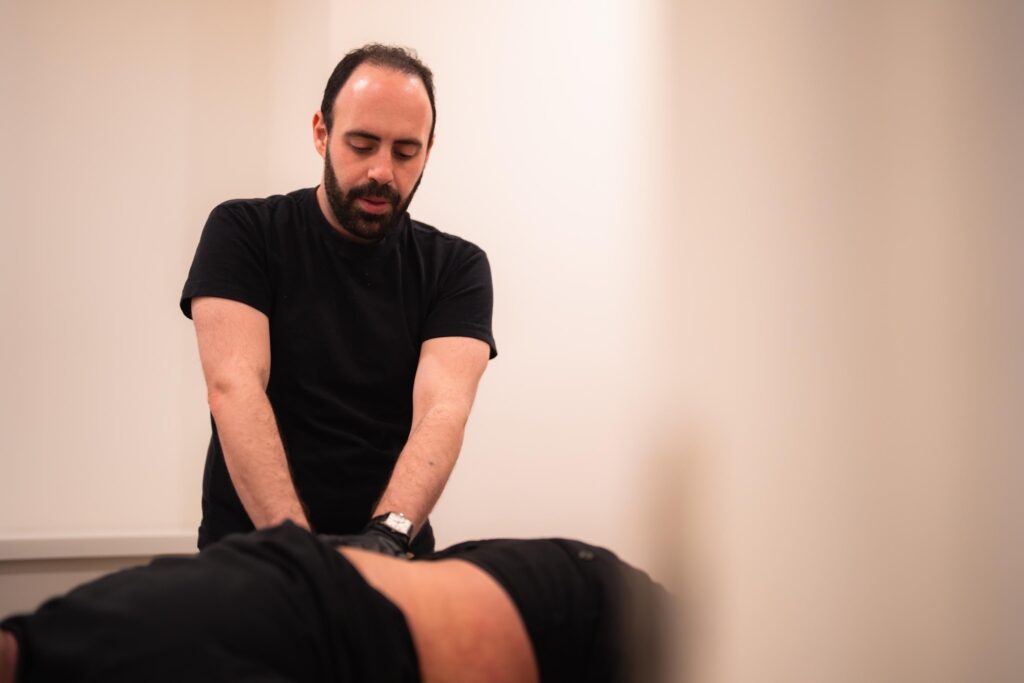
  • Use manual therapy and biofeedback for neuromuscular re-education; some manual therapy techniques specifically aim to relieve pressure in the pelvic region
  • Address posture, breathing mechanics, and movement dysfunctions

At-Home Strategies to Manage Testicular Pain

While professional help is essential, there are supportive steps you can take at home:

✅ Rest and Ice

For sudden injuries, apply an ice pack for 15–20 minutes several times a day to reduce inflammation.

✅ Supportive Underwear

Athletic or compression-style briefs help support the testicles and reduce strain.

✅ Pain Relief

Over-the-counter medications like ibuprofen can help manage inflammation. Always consult a doctor if symptoms persist.

✅ Pelvic Floor Relaxation Techniques

Try diaphragmatic breathing, gentle yoga, or mindfulness meditation to reduce pelvic tension and improve circulation.


When to Seek Medical Attention

Immediate medical help is required if you experience testicular pain, especially if you notice:

  • Sudden, severe testicular pain
  • Swelling with fever or nausea
  • A noticeable lump or change in shape
  • Pain following a groin injury

Seeking medical care is essential for sudden or severe symptoms, as prompt evaluation can prevent serious complications. In cases of severe pain, going to the emergency room may be necessary.

Don’t delay. Early diagnosis often leads to simpler and more effective treatment.

Final Thoughts: Taking Testicular Health Seriously

Testicular discomfort is common—but that doesn’t mean it should be ignored. While testicular cancer is a rare cause of testicular discomfort, it should still be considered and ruled out by a healthcare professional. Whether it’s caused by an infection, hernia, or pelvic floor dysfunction, there is help available.

At Pelvis NYC, our experts in men’s pelvic health specialize in treating the root causes of testicular and groin pain through personalized, evidence-based care.

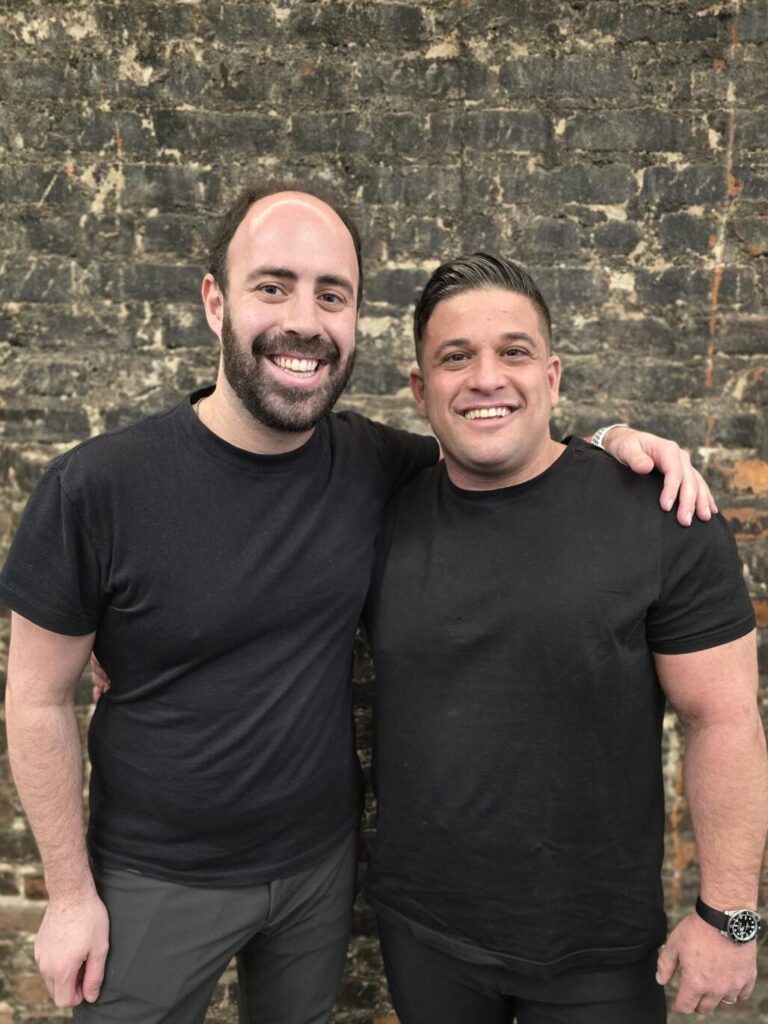
testicular discomfort- Dr. Adam and Dr. Josh

👉 Ready to feel better?

Visit www.pelvis.nyc to book a consultation and take your first step toward lasting relief from testicular pain.

Stay proactive, stay informed, and remember—your health is worth talking about.

Testicular Pain Relief: What Causes It and How Physical Therapy Can Help

Banishing the Ache: A Guide to Testicular Pain Relief

Testicular pain relief starts with identifying the cause. Sudden, severe pain is a medical emergency and needs immediate care, while ongoing or recurring discomfort is often linked to muscle tension, nerve irritation, or pelvic floor dysfunction; pelvic floor physical therapy can help reduce pain from those causes.

If you are dealing with testicular pain and want to know when symptoms need urgent attention, what may be causing them, and whether physical therapy can help, this guide covers emergency warning signs, common causes, treatment options used in physical therapy, and habits that support recovery and testicular health.

When Is Testicular Pain an Emergency? Understanding Testicular Torsion

Go to the emergency room right away if you have:

  • Sudden, severe pain in one or both testicles
  • A swollen testicle, redness, or a testicle that sits higher than usual
  • Nausea or vomiting with the pain
  • Fever or chills
  • Pain following an injury that doesn’t ease

Testicular torsion, a twisting of the spermatic cord, can cut off blood flow and needs treatment within hours. Don’t wait to see if it passes. Even when the cause is not torsion, early diagnosis often leads to simpler, more effective treatment and prompt evaluation is still important.

See a healthcare provider promptly if you notice a lump, difficulty urinating, or pain that is getting worse.

What Causes Testicular Pain?

Testicular pain doesn’t always come from the testicles themselves and may also be felt in the scrotum. Common causes include:

  • Epididymitis: inflammation of the tube behind the testicle. [Read our guide to easing epididymitis with physical therapy]
  • Pelvic floor muscle tension or dysfunction: tight or overactive muscles can refer pain to the testicles.
  • Nerve irritation: including pudendal, genitofemoral, or ilioinguinal nerve involvement.
  • Referred pain: from the lower back, hips, or groin muscles.
  • Injury or prior surgery: including hernia repair or vasectomy; a history of trauma or recent injury can help identify the cause.
  • Infection, cysts, or hernia: these need medical evaluation, since infections such as orchitis can cause inflammation and pain.

When pain lasts more than three months, it’s often called chronic orchialgia or chronic testicular pain. [Learn more in our post on testicular discomfort]

How Does Physical Therapy Help Testicular Pain Relief?

Pelvic floor physical therapy addresses the muscle, nerve, and movement problems that can drive persistent testicular pain. Because testicular pain depends on the underlying cause, a doctor usually completes a physical exam, reviews your health history, other symptoms, and current complaints, and may order tests such as a blood test or scrotal ultrasound to confirm the diagnosis before physical therapy begins. A therapist specializing in men’s health will assess your posture, pelvic floor, hips, and lower back, then build a plan around what they find. Treatment typically includes:

1. Pelvic Floor Training

Depending on your evaluation, this may mean learning to relax and lengthen an overactive pelvic floor, strengthening a weak one, or both. Not every man needs Kegels, and for some they can make symptoms worse, which is why an individual assessment matters.

2. Manual Therapy

Hands-on techniques such as soft tissue mobilization, myofascial release, and trigger point therapy can reduce muscle tension and desensitize irritated tissue. Some patients may also discuss other treatment options with their doctor, such as acupuncture, which may provide relief for testicular pain and can effectively relieve symptoms, or a spermatic cord block for temporary pain relief when nerve pain is a major factor.

3. Stretching and Mobility Work

Targeted stretches for the hip flexors, adductors, and lower back can ease referred pain that shows up in the testicles.

4. Posture and Ergonomic Changes

Sitting for long periods and poor alignment can increase pelvic tension and contribute to testicle pain. Simple home remedies like changing position and taking movement breaks can help manage mild symptoms during the day. Small adjustments to your workstation, sitting habits, and exercise form can reduce daily strain.

5. Relaxation and Breathing Techniques

Diaphragmatic breathing, meditation, and mindfulness calm the nervous system, which helps because stress and chronic pain often feed each other.

Frequently Asked Questions

What is the fastest way to get testicular pain relief?

It depends on the cause. If the pain is sudden and severe, get emergency care immediately. For mild discomfort, rest, supportive underwear, over-the-counter anti-inflammatory medication, and avoiding aggravating activities may help short-term. Supportive underwear and elevating the scrotum may also decrease swelling and improve blood flow. A cold pack or cold compress for 15-20 minutes helps relieve pain, reduce swelling, and numb discomfort, and warm baths may help if muscle tension seems to be contributing. Lasting relief for testicular pain usually requires treating the underlying cause.

Can physical therapy help testicular pain?

Yes, when the pain is related to pelvic floor dysfunction, muscle tension, or nerve irritation. Pelvic floor physical therapy is a common conservative treatment for chronic testicular and pelvic pain. It isn’t appropriate for emergencies such as torsion or infection, which need medical treatment. Acupuncture may also help some people manage symptoms, but treatment should match the cause.

How long does it take to get relief?

Timelines vary. Some men notice improvement within a few sessions, while chronic cases can take longer.

When should I see a doctor for testicular pain?

See a doctor if pain is severe, sudden, persistent, or comes with swelling, fever, a lump, urinary symptoms, or a painful or persistent varicocele, which is an enlarged vein in the scrotum. A physician should rule out infection, torsion, hernia, or other conditions before physical therapy begins.

Should I do testicular self-exams?

Many providers recommend monthly self-exams so you can spot new lumps or changes early. Contact a healthcare professional if you notice anything unusual.

Habits That Support Testicular Health

  • Do monthly self-exams and report any changes
  • Warm up before exercise and build core, hip, and cardiovascular fitness
  • Take breaks from prolonged sitting
  • Manage stress, stay hydrated, and get consistent sleep

Get Personalized Testicular Pain Relief in NYC

At Pelvis NYC, our pelvic floor physical therapists specialize in men’s pelvic health. We evaluate the muscles, nerves, and movement patterns that may be behind your pain and build a plan for your situation. [Book an evaluation]

This article is for educational purposes and is not a substitute for medical advice. Sources: [American Urological Association, Cleveland Clinic, peer-reviewed studies on chronic orchialgia and pelvic floor therapy.]

Testicular Pain: What Causes It and How We Help You Find Relief

Cracking the Code of Testicular Pain: What's Going on Down There?

Testicular pain is more common than most men realize, and it is rarely something to feel embarrassed about. At Pelvis NYC, we see men across New York City dealing with this exact issue every week. This guide explains what typically causes testicular pain and how our team approaches treatment.

Understanding Testicular Pain

Testicular pain can be acute or chronic, ranging from a mild dull ache to sudden, sharp discomfort that stops you in your tracks. It may stay localized to one testicle or involve one or both testicles, sometimes spreading toward the groin and lower abdomen. Understanding the underlying cause is the first step toward real, lasting relief.

Common Causes of Testicular Pain, Including Testicular Cancer

Testicular pain can come from several different sources, and not all of them involve the testicle itself, including discomfort after sexual activity.

  • Testicular torsion happens when the spermatic cord twists, cutting off blood supply to the testicle, and is a medical emergency.
  • Epididymitis is a condition called epididymitis in which the epididymis, a coiled tube behind the testicle, becomes inflamed and may be linked to bacterial infection, sexually transmitted infections, or the urinary tract.
  • Orchitis is inflammation of the testicle and is often linked to infections.
  • Varicocele, enlarged veins within the scrotum, can create a dull, heavy discomfort.
  • Muscle strain from exercise or sudden movement can also refer pain into this area, and a recent injury or trauma can sometimes cause pain right away or after a delay.
  • Referred pain from kidney stones or an inguinal hernia, which happens when abdominal tissue pushes through the lower abdominal wall, can feel like it originates in the testicle.
  • Pelvic floor muscle dysfunction is an often overlooked cause our therapists frequently identify in male patients.

When Testicular Pain or Testicular Torsion Is a Medical Emergency

Some testicular pain requires immediate medical attention rather than physical therapy. Sudden, intense pain or sharp pain with swelling, nausea, or vomiting can signal testicular torsion.

This condition is life-threatening to the testicle because it cuts off blood flow and requires immediate surgical intervention, so seek medical care right away.

If severe pain lasts more than an hour, seek urgent care. If you experience these symptoms, go to an emergency room immediately rather than waiting.

Symptoms Worth Paying Attention To

Pay close attention to changes in size, shape, or texture of the testicles over time, including one-sided changes in the left testicle that persist.

Swelling, redness, a lump, or a feeling of heaviness should never be ignored, because they can signal testicular cancer or another more serious condition. A dull ache that worsens with sitting or physical activity often points to a muscular or nerve-related cause.

Early attention to these symptoms leads to faster, more effective treatment, and pain with other symptoms that is not improving over a few days should not be ignored.

How We Diagnose the Cause of Your Pain

Every evaluation at Pelvis NYC starts with a detailed conversation about your symptoms, medical history, and any recent injury. Diagnosis may also involve a physical exam and, when appropriate, an ultrasound or urine analysis to help identify the cause.

Our therapists assess posture, pelvic alignment, and the tone of the surrounding pelvic floor muscles. When needed, we coordinate with urologists or other specialists, and a doctor or healthcare provider can help rule out infection or structural issues. This combined approach helps identify causes that are often missed in a standard exam.

How Physical Therapy Helps Relieve Testicular Pain

When testicular pain stems from muscular or nerve-related causes, physical therapy can offer real relief. In some cases, pain relief medications may also be prescribed or recommended by a doctor when appropriate for testicular pain. Our therapists use targeted techniques to reduce tension and calm irritated nerves in the pelvic region.

  • Manual therapy to release tight muscles in the pelvic floor, groin, and lower abdomen.
  • Nerve desensitization techniques to reduce heightened sensitivity around the scrotum and groin.
  • Postural correction to reduce strain from prolonged sitting or repetitive movement patterns.
  • Individualized exercise programs built around your specific findings and daily activity level.
  • Education on movement and activity modification to prevent symptoms from returning.

What to Expect During Treatment at Pelvis NYC

Your first visit includes a thorough assessment focused on identifying the true source of your pain. From there, our therapists build a treatment plan tailored to your specific diagnosis and goals. Most men are seen consistently, with the plan adjusted as symptoms respond to treatment.

Testicular Pain Relief Strategies You Can Try at Home

Alongside professional treatment, a few self-care measures can support your recovery. Ice packs or warm compresses can help calm inflammation and alleviate testicular discomfort. These home measures can ease symptoms, but bacterial epididymitis may need antibiotics from a doctor. Supportive underwear can reduce movement and strain during daily activity.

Avoiding activities that clearly worsen your pain gives irritated tissue time to settle. Swelling from fluid buildup, including a hydrocele or a spermatocele, may need monitoring or surgical removal instead of self-care alone. These strategies support treatment, but they should not replace a proper evaluation.

Preventive Care and Long-Term Testicular Health

Regular self-exams can help you notice a lump or other lasting change earlier, before it becomes a bigger problem. Wearing protective gear during contact sports reduces the risk of direct injury. Managing pelvic floor muscle tension through movement and posture awareness supports long-term comfort.

A balanced, active lifestyle also plays a role in overall pelvic and testicular health. The testicles are part of the reproductive system, and testicles produce sperm, so protecting long-term testicular health matters.

Frequently Asked Questions

Can physical therapy help with testicular pain?

Yes, when the cause is muscular or nerve-related. A pelvic health physical therapist can identify and treat these contributing factors directly, but testicles hurt for many different reasons, so persistent symptoms may need medical evaluation first.

Is testicular pain always something serious?

Not always. Many cases stem from muscle tension or nerve irritation, though sudden severe pain always needs urgent evaluation.

Can pelvic floor dysfunction really cause testicular pain?

Yes. Tight or overactive pelvic floor muscles are a common and often overlooked cause of ongoing testicular discomfort.

When should I go to the emergency room instead of physical therapy?

Go immediately if pain is sudden and severe, or comes with swelling, nausea, or vomiting, since this may indicate torsion. Emergency evaluation is also important if there is a new fluid-filled cyst, rapid swelling, or a sudden change along with severe pain; these symptoms should not wait for a routine appointment.

If testicular pain has been affecting your daily life, our team at Pelvis NYC is here to help you find the cause and relieve it. Schedule a free fifteen-minute teleconsultation to take the first step.

Pelvis NYC is a pelvic health physical therapy practice specializing in male pelvic health, led by Dr. Adam Gvili, PT, DPT, and Dr. Samantha Vargas, PT, DPT, located at 110 West 17th Street, New York, NY.