 Skip to content
Evidence-Based Treatment, Pelvic Floor Therapy, and Recovery Strategies
How Do You Improve Hard Flaccid Symptoms?
Hard flaccid symptoms can often improve through pelvic floor physical therapy, nervous system regulation, targeted exercises, and lifestyle changes that reduce pelvic muscle tension and restore healthy blood flow. A biopsychosocial management approach, which includes pelvic floor rehabilitation, pain management, and lifestyle modifications, has shown promise in treating HFS.
While symptoms can feel alarming, many patients see meaningful improvement with proper diagnosis and individualized treatment. Coping strategies, such as pain education, graded activity exposure, and psychological support, are important for managing symptoms and emotional distress. A thorough physical examination is vital for differentiating hard flaccid syndrome from other conditions and guiding management. Sexual medicine specialists may be involved in the multidisciplinary care of HFS. Many patients with HFS undergo multiple consultations before receiving a diagnosis, which can lead to frustration and confusion, and significant emotional distress, including anxiety and depression, is common.
What Is Hard Flaccid Syndrome?
Hard Flaccid Syndrome (HFS) is a poorly understood pelvic and neuromuscular condition where the penis feels semi-rigid or tense while flaccid, often accompanied by pain, numbness, erectile changes, or pelvic discomfort. HFS is considered a rare male sexual disorder.
The typical clinical presentation of HFS includes a semi-rigid flaccid penis, pelvic pain, and sensory changes, most commonly affecting men between 16 and 42 years old, with a higher prevalence in those in their 20s and 30s. Initial reports and early case studies have brought attention to HFS, helping to define its clinical presentation and management.
Although not yet formally classified in major diagnostic manuals, hard flaccid is increasingly recognized by:
- Pelvic floor physical therapists
- Urologists
- Sexual health specialists
HFS is often poorly recognized in clinical practice, leading to misdiagnosis and inadequate treatment. The diagnosis is primarily based on the patient’s history and symptoms, as there are no definitive tests for the condition.
It is best understood as a pelvic floor and nervous system dysfunction, not a structural penile disease.
Common Hard Flaccid Symptoms
Symptoms vary between individuals, but commonly include:
- Semi-rigid or “rubbery” flaccid penis
- Reduced sensation or numbness
- Pelvic, perineal, or penile pain
- Erectile dysfunction or weaker erections
- Cold or tight sensation in the penis
- Anxiety related to sexual performance
- Penile symptoms (such as changes in appearance, function, or sensation)
- Physical symptoms (including penile firmness, pain, and pelvic discomfort)
- Perineal and penile pain as a key symptom, often linked to neurological or traumatic causes
- Penile sensory changes, such as coldness, numbness, or altered sensation
Hard Flaccid Syndrome (HFS) presents with a cluster of symptoms including penile-specific somatosensory disturbances, erectile dysfunction, perineal and/or penile pain, and emotional distress. Symptoms often fluctuate with posture, physical activity, and stress levels, reflecting a complex interplay between physical and psychological factors. Many men with HFS report a significant negative impact on their sexual relationships and overall quality of life. The psychological impact can include feelings of shame, reduced self-esteem, and relationship strain, as partners may feel unattractive or question fidelity due to the sexual dysfunction associated with HFS.
Many patients report symptom onset after:
- Excessive pelvic muscle tension
- Intense physical training
- Prolonged sitting
- Sexual overuse or edging
- Stress or anxiety episodes
Chronic Pelvic Pain and Hard Flaccid
Chronic pelvic pain is a frequent and distressing feature of hard flaccid syndrome (HFS), a rare male sexual disorder marked by the presence of a semi-rigid penis even in the flaccid state. Men with HFS often experience a combination of persistent pelvic pain, penile pain, and bothersome urinary symptoms, which can significantly impact daily life and sexual health.
Hard flaccid syndrome symptoms typically include not only a rigid or rubbery flaccid penis, but also erectile dysfunction, decreased penile sensation, and perineal or penile discomfort. Many patients report that these symptoms began after an episode of initial penile trauma—such as aggressive or prolonged sexual activity—which may trigger subtle nerve and vascular changes in the pelvic floor and penile tissue.
The exact mechanisms behind HFS are still being studied, but current understanding suggests that minor injuries to the penis or pelvic floor can disrupt normal blood flow and nerve signaling. This can lead to ongoing pelvic pain, altered erectile function, and a persistent feeling of tension or semi-rigidity in the penis, even when not aroused.
If you are experiencing chronic pelvic pain alongside symptoms like a hard flaccid penis, erectile dysfunction, or urinary issues, it’s important to seek evaluation from a specialist familiar with hard flaccid syndrome. Early intervention can help address both the physical and emotional aspects of this condition, supporting a return to normal pelvic and sexual function.
What Causes Hard Flaccid?
There is no single cause, but growing clinical evidence suggests a combination of:
- Trauma to the penis or pelvic region, often following aggressive masturbation or intense sexual intercourse, is frequently reported by patients prior to the onset of symptoms. Initial report(s) and early case studies have described trauma as a common trigger for Hard Flaccid Syndrome.
- The aetiology of Hard Flaccid Syndrome (HFS) is not entirely clear but is often related to trauma-associated events causing injury to the neurovasculature.
- Pathological activation of the pelvic/pudendal-hypogastric reflex may play a role, leading to excessive sympathetic activity and smooth muscle contraction in the penile smooth muscle and erectile tissue.
- Inflammation following a trauma-like event may result in neuropathy, penile hypoxia, and muscle spasms. These muscle spasms can increase intracavernosal pressure during the flaccid phase, inhibiting optimal erection during the rigid phase.
- Excessive sympathetic activity is thought to sustain contraction of smooth muscle in the erectile tissue, contributing to the persistent flaccid state, pain, and other symptoms.
- Lumbar disc prolapse, cauda equina, and spinal cord pathology should be considered as possible differential diagnoses, as they may contribute to or mimic the symptoms of HFS.
1. Pelvic Floor Muscle Dysfunction
Chronic tightening or guarding of the pelvic floor can:
- Compress nerves, particularly as a result of dysfunction in the pelvic floor muscles, which play a central role in the development and persistence of symptoms
- Restrict blood flow
- Alter sensory feedback to the penis
Pelvic floor muscle mobility is an important aspect of therapy, as assessing how well the pelvic floor muscles move or relax—often through ultrasound imaging—can help track improvements and guide rehabilitation.
Pelvic floor exercises are a key part of rehabilitation, focusing on re-educating and relaxing the pelvic floor muscles to alleviate symptoms and support functional recovery.
Additionally, muscle spasms in Hard Flaccid Syndrome may increase intracavernosal pressure during the flaccid phase, which can inhibit optimal erection during the rigid phase.
2. Nervous System Dysregulation
Hard flaccid is strongly associated with:
- Sympathetic (fight-or-flight) dominance, which can contribute to chronic pain and persistent pain as features of nervous system dysregulation.
- Poor relaxation signals to pelvic muscles
Psychological symptoms and emotional distress, such as anxiety and depression, are common in patients with hard flaccid syndrome and can exacerbate symptoms. The involvement of the spinal cord in neurogenic and somato-visceral reflex pathways may also play a role in symptom development. The symptom complex of hard flaccid syndrome may induce anxiety and distress, which can worsen muscle spasms and symptoms, creating a vicious cycle.
3. Vascular & Fascial Restriction
Restricted movement of pelvic tissues may impair:
- Blood circulation
- Tissue elasticity
- Normal erectile mechanics
- Urinary function, sometimes resulting in decreased force of urinary stream
Penile sensory changes, such as numbness, coldness, or dysesthesia, can also occur and significantly impact physical symptoms, sexual function, and emotional well-being. The role of erectile tissue and blood flow is crucial in symptom development, as compromised vascular supply and fascial restriction can exacerbate these issues.
👉 This is why strengthening alone often worsens symptoms — relaxation and coordination are key.
Why Hard Flaccid Is Often Misunderstood
Hard flaccid:
- Rarely shows up on imaging
- Doesn’t fit classic erectile dysfunction models
- Is often dismissed as “psychological”
Because there are no objective tests for hard flaccid, qualitative analysis of patient reports and internet forum discussions has been essential for identifying common symptoms and shared experiences among those affected.
However, modern pelvic rehab recognizes that:
Pelvic pain and sexual dysfunction are real neuromuscular conditions — not imagined ones.
Can Hard Flaccid Go Away?
In many cases, yes — symptoms can significantly improve or fully resolve, especially when treated early and correctly. Many patients experience significant improvement in symptoms with multimodal therapy, and some may even become symptom free. Biopsychosocial management strategies have been reported to improve symptoms in patients with Hard Flaccid Syndrome. Additionally, many men with HFS report that their symptoms improve when they are relaxed, highlighting a strong link between stress and symptom severity. Support groups and therapy can help patients feel less isolated and provide coping mechanisms for dealing with the emotional aspects of HFS.
Recovery depends on:
- Severity and duration of symptoms
- Quality of pelvic floor therapy
- Nervous system regulation
- Patient adherence to treatment
Best Treatment Options for Hard Flaccid
1. Pelvic Floor Physical Therapy (Most Important)
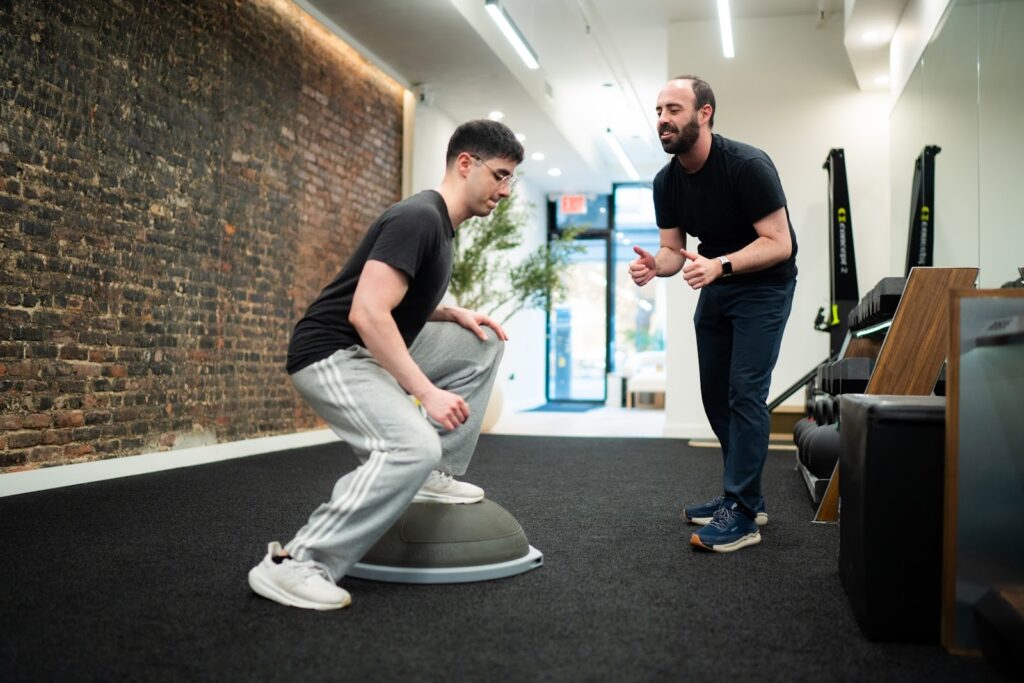
Pelvic floor physical therapy is considered the gold standard treatment for hard flaccid.
A trained therapist focuses on:
- Reducing muscle tension (not strengthening initially)
- Improving pelvic coordination
- Restoring blood flow
- Desensitizing irritated nerves
- Assessing and improving pelvic floor muscle mobility to track progress and guide rehabilitation
Key techniques may include:
- Manual pelvic floor release
- Breathing retraining
- Postural correction
- Nervous system downregulation
- Gradual reintroduction of functional movement
- Pelvic floor exercises
- Assessment of pelvic floor muscle mobility
Pelvic floor muscle re-education and improving pelvic floor muscle mobility are important for symptom improvement in hard flaccid. A biopsychosocial management approach, which combines pelvic floor rehabilitation, pain management, and lifestyle modifications, has shown promise in treating hard flaccid syndrome.
2. Nervous System & Stress Regulation
Because stress directly tightens pelvic muscles, treatment often includes:
- Diaphragmatic breathing
- Parasympathetic activation techniques
- Education to reduce fear-based muscle guarding
- Stress management techniques
Screening for hospital anxiety and using a depression scale, such as the Hospital Anxiety and Depression Scale (HADS), is important to assess psychological symptoms that may impact treatment outcomes.
Psychological support, including cognitive behavioral therapy (CBT), plays a key role in managing the anxiety and depression associated with hard flaccid syndrome (HFS).
Coping strategies, such as psychological support and education about the condition, are essential for managing the emotional impact of HFS.
3. Movement & Lifestyle Modifications
Helpful changes often include:
- Reducing prolonged sitting
- Avoiding excessive Kegels
- Modifying gym routines
- Improving sleep and recovery
- Limiting pelvic strain activities temporarily
Education on lifestyle modifications is a key component of the biopsychosocial management approach for Hard Flaccid Syndrome. Incorporating coping strategies, such as psychological and behavioral techniques, can help manage pain, reduce anxiety, and improve overall quality of life.
Why Pelvic Floor Physical Therapy Works
Pelvic PT doesn’t just treat symptoms — it addresses the root causes:
- Muscle tone imbalance
- Poor neuromuscular signaling
- Restricted tissue mobility
The pelvic floor muscles play a crucial role in Hard Flaccid Syndrome, and improving pelvic floor muscle mobility is essential for symptom improvement. Pelvic floor physical therapy specifically targets the physical symptoms—such as penile firmness, pain, and pelvic discomfort—by focusing on assessment, relaxation, and re-education of the pelvic floor muscles, which can lead to better quality of life.
Studies on male pelvic pain and dysfunction show that targeted pelvic rehab improves pain, sexual function, and quality of life (Anderson et al., Journal of Urology).
Getting Help: Choosing the Right Provider
When seeking help for hard flaccid, look for a provider who:
- Specializes in male pelvic health
- Understands neuromuscular pelvic dysfunction
- Uses hands-on assessment and treatment
- Takes a whole-body approach
Providers with expertise in sexual medicine may be particularly helpful for complex cases, as sexual medicine offers a multidisciplinary approach to diagnosing and managing male sexual health conditions like hard flaccid.
Pelvis NYC: Specialized Care for Hard Flaccid
At Pelvis NYC, treatment is led by Dr. Adam Gvili, a pelvic floor physical therapist with advanced training in male pelvic pain and sexual dysfunction.
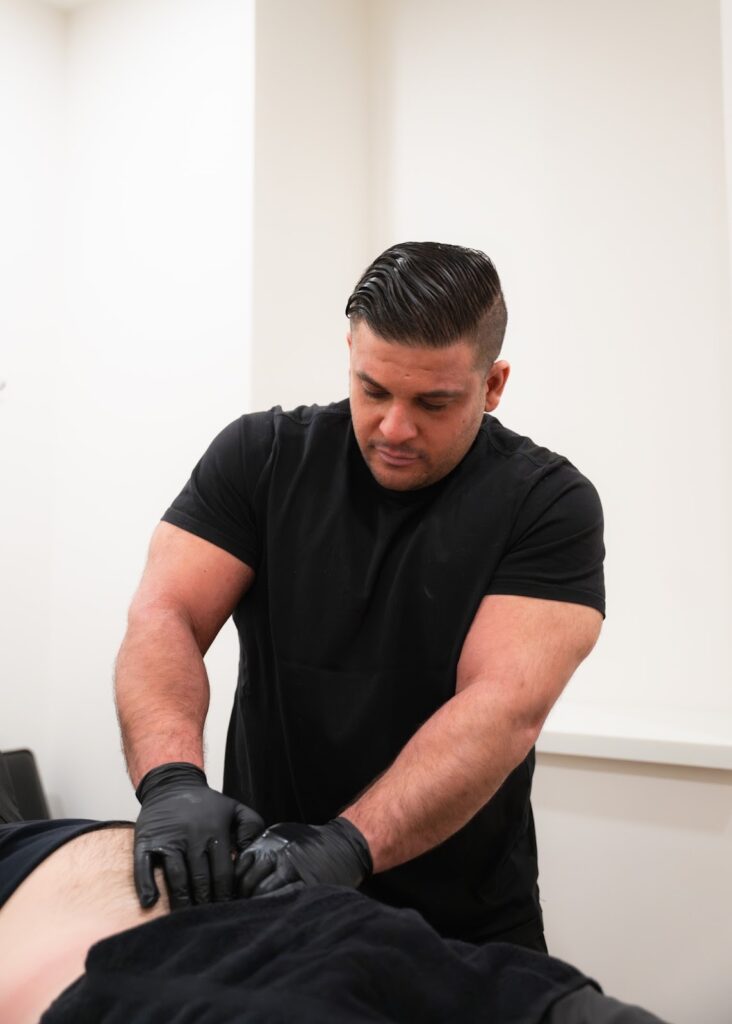
Patients benefit from:
- Individualized treatment plans
- One-on-one care
- Evidence-based pelvic rehab
- Compassionate, patient-centered approach
Many patients seek care after months or years of unanswered questions — and finally gain clarity and improvement. If you need help with improving your condition, reach out to a hard flaccid doctor around New York.
Schedule your consultation now!
Frequently Asked Questions (FAQ)
What is the fastest way to improve hard flaccid?
The fastest improvements usually come from pelvic floor physical therapy combined with nervous system relaxation, not strengthening exercises.
Are Kegels good for hard flaccid?
In most cases, no. Kegels can worsen symptoms by increasing muscle tension.
Is hard flaccid psychological?
Hard flaccid is not “just psychological.” While anxiety can worsen symptoms, the condition involves real neuromuscular dysfunction.
Can exercise make hard flaccid worse?
Yes — heavy lifting, excessive core work, or incorrect pelvic exercises can aggravate symptoms if not modified.
How long does recovery take?
Some patients improve within weeks, while others need several months depending on severity and history.

No comment yet, add your voice below!