Exercise Before Knee Replacement Surgery: Find the Best Prehab Exercise

Exercise Before Knee Replacement Surgery: Find the Best Prehab Exercise

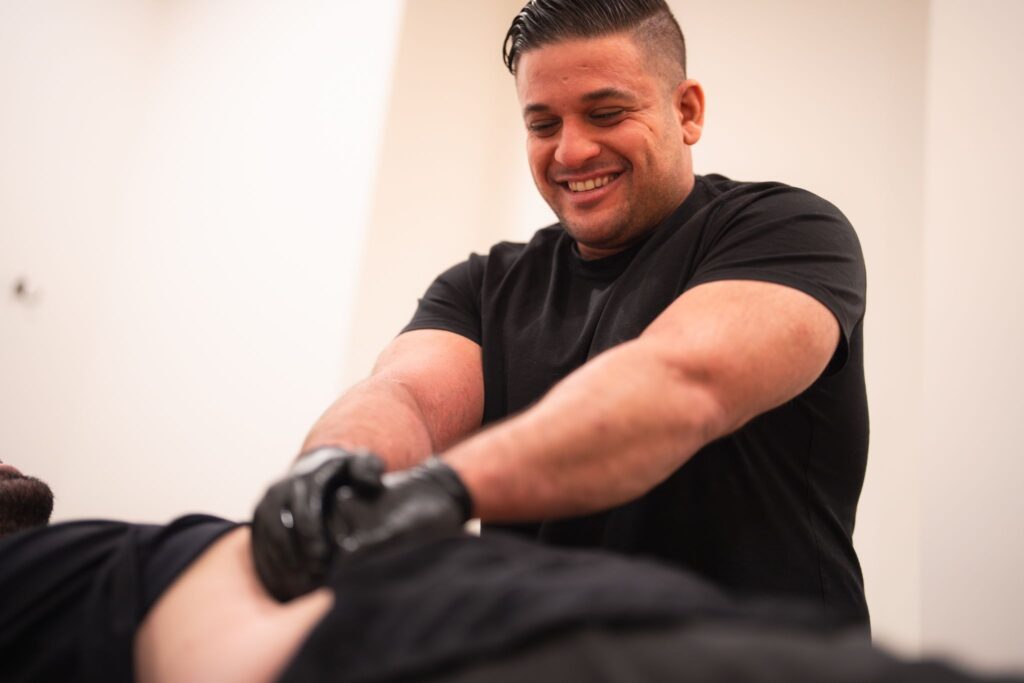
If you’re preparing for knee replacement surgery, one of the best things you can do before the procedure is to start a targeted exercise program. The right exercises before knee replacement surgery can improve strength, reduce stiffness, support joint mobility, and help you recover faster.

Research consistently shows that patients who participate in pre-surgical physical therapy (“prehab”) often experience better post-operative outcomes, including improved mobility, reduced pain, and shorter recovery times.

Whether you’re dealing with severe arthritis, chronic knee pain, or limited movement, preparing your body before surgery can make a major difference in how well—and how quickly—you recover.


Why Exercise Before Knee Replacement Surgery Is Important
Knee replacement surgery is a major procedure that places stress on the muscles, joints, and nervous system. Many patients focus only on recovery after surgery, but what you do before surgery is equally important.

A structured prehab program helps:

  • Improve knee strength and stability
  • Maintain joint mobility
  • Reduce muscle loss before surgery
  • Improve circulation
  • Support balance and walking mechanics
  • Speed up post-operative recovery
  • Improve confidence and independence after surgery

According to the American Academy of Orthopaedic Surgeons (AAOS), strengthening the muscles around the knee before surgery can improve functional outcomes and help patients return to daily activities sooner.


What Is Prehab for Knee Replacement?

Prehab (pre-surgical rehabilitation) is physical therapy performed before knee replacement surgery.

The goal is to prepare your body physically and mentally for the demands of surgery and recovery.

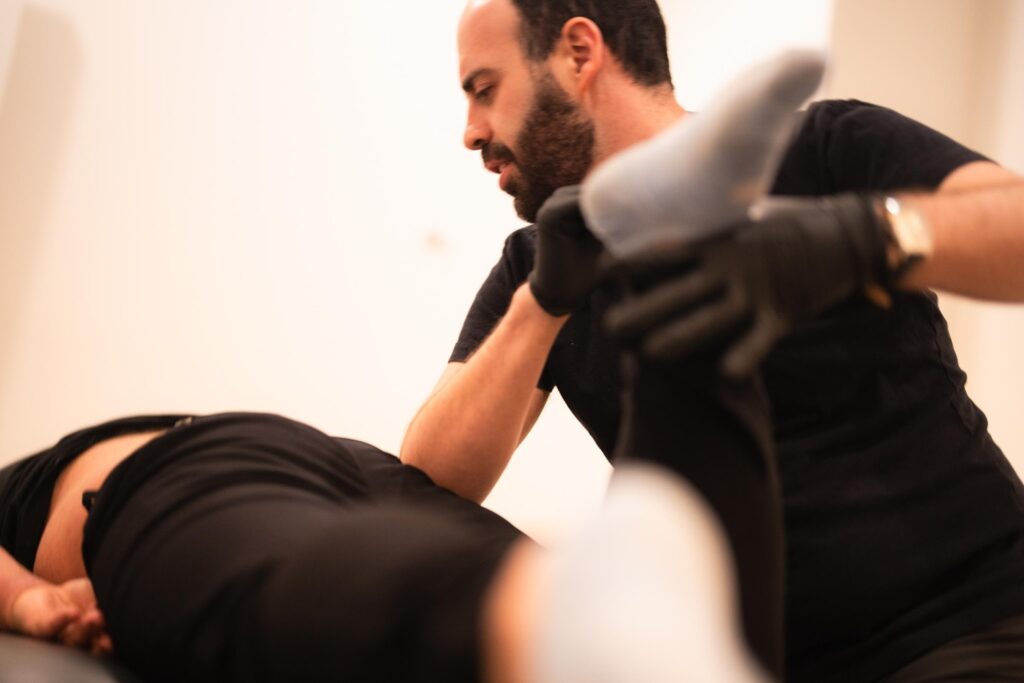
A physical therapist typically focuses on:

  • Knee flexion and extension mobility
  • Quadriceps and glute strength
  • Walking mechanics
  • Balance and coordination
  • Pain reduction strategies
  • Bed mobility exercises
  • Functional movement training

Think of it this way:

👉 The stronger and more mobile you are going into surgery, the easier recovery tends to be afterward.


Who Needs Exercise Before Knee Replacement Surgery?

Prehab is recommended for most people preparing for:

  • Total knee replacement
  • Partial knee replacement
  • Revision knee replacement surgery

It’s especially important if you experience:

  • Severe stiffness
  • Weak leg muscles
  • Difficulty walking
  • Poor balance
  • Trouble getting in and out of bed or chairs
  • Reduced knee flexion
  • Chronic swelling or pain

Both men and women benefit from pre-surgical physical therapy.


Best Exercises Before Knee Replacement Surgery
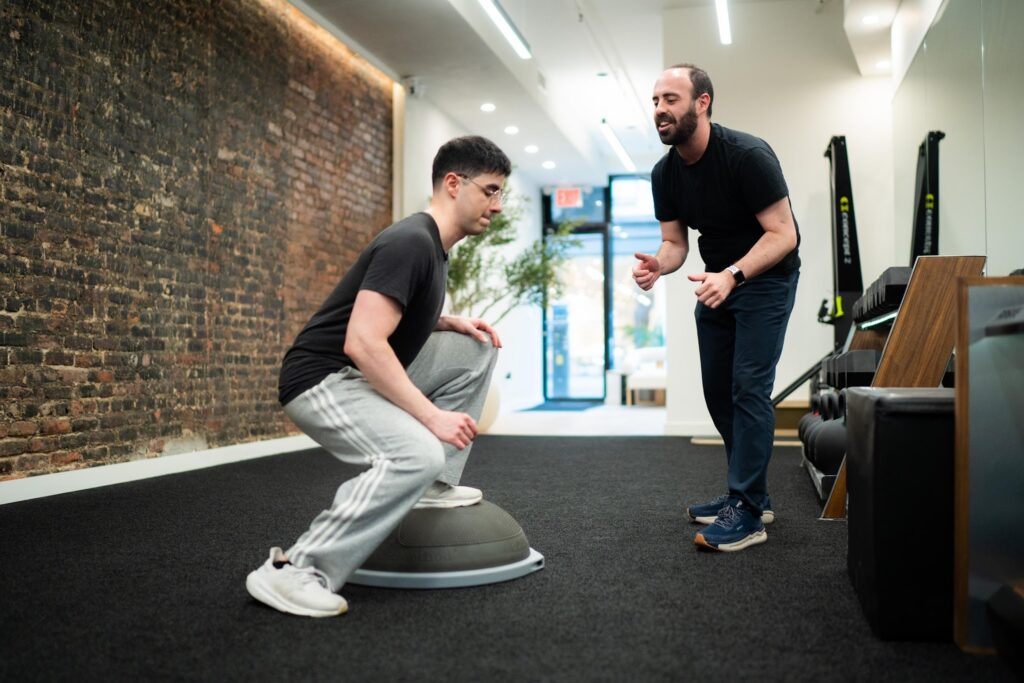
Below are some of the most commonly recommended low-impact exercises before knee replacement surgery.

These exercises are designed to improve mobility, strength, and circulation without placing excessive stress on the joint.

Important: Always consult your surgeon or physical therapist before beginning any exercise program.


1. Ankle Pumps

Why They Help

Ankle pumps improve circulation, reduce leg swelling, and support ankle mobility.

They’re also commonly used immediately after surgery to help prevent blood clots.

How to Do It

  1. Lie on your back or sit comfortably.
  2. Point your toes away from you, moving the foot as you do.
  3. Pull your toes back toward your shin, moving the foot with the motion.
  4. Repeat slowly. Keep the starting position relaxed and comfortable, whether lying or seated.

Repetitions

  • 20–30 repetitions
  • Several times daily

2. Heel Slides

Why Heel Slides Matter

Heel slides improve knee flexion, which is critical both before and after knee replacement surgery.

Improving knee bending before surgery can support smoother post-op mobility.

How to Perform Heel Slides

  1. Lie on your back.
  2. Slowly slide your heel toward your buttocks, keeping your foot flat on the bed.
  3. Bend your knee as far as is comfortable.
  4. Slowly straighten the leg again, returning toward a knee straight position without forcing it.

Repetitions

  • 10–15 repetitions
  • 2–3 sets daily

3. Leg Raises

Benefits of Straight Leg Raises

Leg raises strengthen the quadriceps without placing excessive load on the knee joint. Improving muscle strength in the front of the thigh is also a strong predictor of postoperative mobility.

Strong quadriceps are essential for better knee stability and:

  • Walking
  • Standing
  • Stair climbing
  • Faster recovery after surgery

How to Perform

  1. Lie flat on your back.
  2. Keep one leg bent as the other leg stays straight.
  3. Tighten the thigh muscle of the straight leg.
  4. Slowly lift the leg about 12 inches; this also challenges the hip flexors.
  5. Slowly lower the leg with control.

Repetitions

  • 10 repetitions
  • 2–3 sets

4. Knee Straightening Exercises

Why Knee Extension Is Critical

Many patients lose the ability to fully straighten the knee before surgery.

This can negatively affect walking mechanics and recovery.

Simple Knee Straightening Exercise

  1. Begin in a sitting position in a chair.
  2. Slowly straighten your knee to as straight a position as comfortable.
  3. Hold for 5 seconds.
  4. Lower slowly so the knee returns to a slightly bent position before each repetition.

Repetitions

  • 10–15 repetitions

5. Leg Slides

Leg slides help improve hip and knee flexion while encouraging smooth movement patterns.

Instructions

  1. Lie flat on your back.
  2. Slide one leg outward to the side.
  3. Return slowly.
  4. Repeat on both legs.

These exercises improve coordination and mobility without excessive joint stress.


6. Chair Pushups

Why Chair Pushups Help

After knee replacement surgery, getting in and out of chairs can be difficult, so chair pushups are a simple way to build upper-body strength.

Chair pushups improve:

  • Upper body strength
  • Core stability
  • Functional mobility

How to Do Them

  1. Sit in a sturdy chair.
  2. Place your hands on the armrests.
  3. Push yourself upward slightly.
  4. Lower slowly.

7. Bed Mobility Exercises

Why Bed Mobility Matters

Many patients underestimate how difficult simple movements can feel after surgery.

Bed mobility exercises help prepare you for:

  • Rolling in bed
  • Sitting up
  • Changing positions safely

Example Exercise

Practice:

  • Rolling side to side
  • Scooting toward the edge of the bed
  • Sitting upright with control

These movements improve independence during early recovery.


8. Low-Impact Exercises Before Knee Replacement Surgery

Low-impact exercises can maintain fitness while protecting the knee joint.

Best Options Include

Walking

Helps maintain endurance and circulation and supports a smoother return to everyday activities.

Stationary Bike

Improves knee flexion, joint lubrication, and knee mobility. Proper seat height matters so the knee stays slightly bent at the bottom of the pedal stroke rather than overextended.

Swimming or Water Therapy

Reduces pressure on the knee while allowing movement.

Gentle Yoga

Improves flexibility and mobility.


How Physical Therapy Helps Before Knee Replacement Surgery
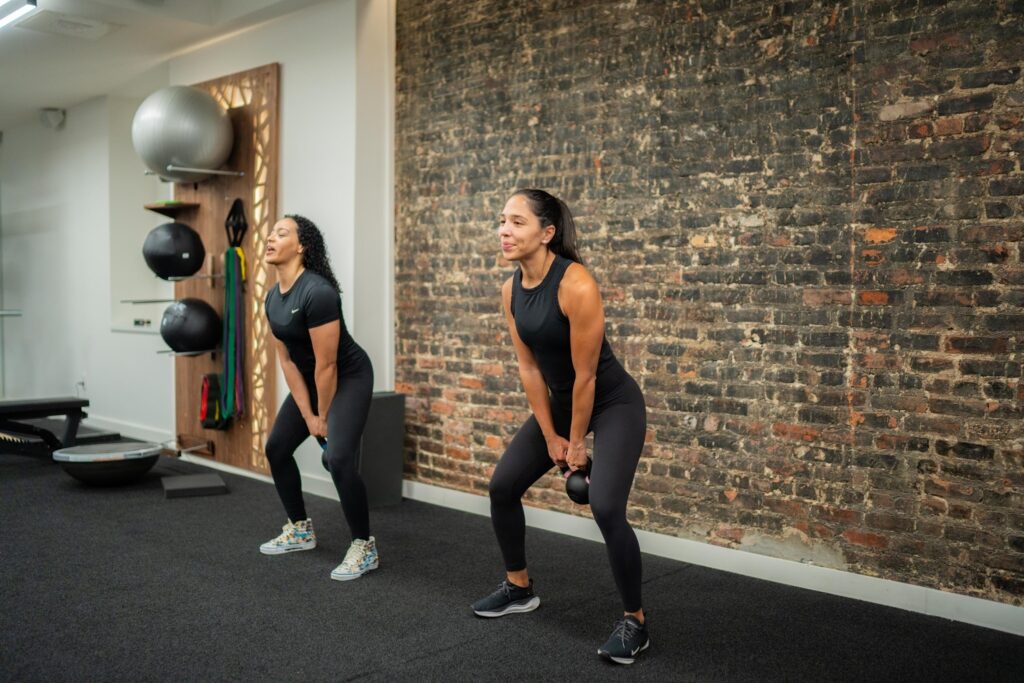
Working with a physical therapist before surgery provides several advantages over exercising alone.

A physical therapist can:

  • Identify muscle weaknesses
  • Correct movement patterns
  • Improve joint mobility
  • Reduce compensation patterns
  • Develop a personalized plan
  • Monitor progress safely

At clinics like Pelvis NYC, physical therapists help patients prepare both physically and mentally for surgery using evidence-based rehabilitation strategies.


The Connection Between Strength and Faster Recovery

Research shows that stronger muscles before surgery often lead to easier recovery and regaining strength after surgery, including:

  • Better walking ability after surgery
  • Improved balance
  • Less reliance on assistive devices
  • Reduced recovery time
  • Better long-term outcomes

A 2022 review published in the Journal of Orthopaedic Surgery and Research found that prehabilitation can significantly improve post-operative pain and physical function in knee replacement patients.


How Often Should You Exercise Before Knee Replacement Surgery?

Most prehab programs recommend:

Exercise TypeFrequency
Mobility exercisesDaily
Strength exercises3–5x weekly
Walking/cardioMost days
StretchingDaily

Consistency matters more than intensity. Start where you are and gradually increase activity or resistance over time.

The goal is to improve function—not push through pain, and ease off if you feel discomfort.


What to Avoid Before Knee Replacement Surgery

Not all exercises are helpful before surgery.

Avoid:

  • High-impact running
  • Deep squats
  • Jumping exercises
  • Twisting motions
  • Heavy lifting without supervision

These can worsen inflammation and joint irritation.


Signs You Should Stop Exercising

Stop and contact your healthcare provider if you experience:

  • Sharp or severe pain
  • Significant swelling
  • Joint instability
  • Dizziness
  • Sudden loss of mobility

Mild soreness is normal.

Severe pain is not.


Mental Preparation Matters Too

Recovery from knee replacement surgery is both physical and mental, and preparation supports a more successful recovery.

Patients who prepare mentally often experience:

  • Better confidence
  • Reduced fear of movement
  • Improved rehabilitation adherence
  • Better recovery experiences

Physical therapy helps build confidence by teaching patients what to expect before and after surgery.


Real-World Example: Why Prehab Works

Many patients arrive for surgery already struggling with:

  • Weak leg muscles
  • Reduced knee flexion
  • Poor walking mechanics
  • Fear of movement

After several weeks of guided prehab, they often report:

  • Less stiffness
  • Better mobility
  • Increased confidence
  • Easier early recovery

This is why many orthopedic surgeons now recommend physical therapy before knee replacement surgery whenever possible.


Why Physical Therapy Is One of the Most Important Parts of Knee Replacement Recovery

Surgery changes the joint.

Physical therapy retrains the body. Regular use of ice packs can help reduce inflammation and swelling around the knee joint, which helps minimize stiffness after surgery.

Without proper rehabilitation, patients may continue struggling with:

  • Weakness
  • Stiffness
  • Pain
  • Poor mobility
  • Balance issues

Physical therapy supports:

  • Muscle retraining
  • Range of motion
  • Scar tissue management
  • Walking mechanics
  • Functional independence

That’s why prehab and post-op rehab work best together to support the new knee joint during recovery.


When Should You Start Prehab?

Ideally:

👉 4–8 weeks before surgery

Even a few weeks of exercise can make a meaningful difference. This early work helps lay the groundwork for full recovery.

The earlier you start, the more time you have to build strength and mobility.


Prepare for Surgery with Pelvis NYC

If you’re preparing for knee replacement surgery, expert physical therapy can help you recover faster and move with more confidence.

At Pelvis NYC, our team creates personalized prehab programs designed to:

  • Improve mobility
  • Build strength
  • Reduce pain
  • Prepare you for surgery
  • Support faster recovery afterward

Whether you’re dealing with severe knee pain, stiffness, or mobility limitations, we’re here to help you feel stronger before surgery—and recover better after it.

Contact Pelvis NYC

  • Phone: (929) 590-3445
  • Email: drpelvis@pelvis.nyc

Frequently Asked Questions (FAQs)

What is the best exercise before knee replacement surgery?

The best exercises include heel slides, leg raises, ankle pumps, knee straightening exercises, quadriceps sets, and low impact activities like walking or cycling.

Can exercise improve recovery after knee replacement surgery?

Yes. Studies show that pre-surgical exercise can improve mobility, reduce pain, and support faster recovery after surgery.


How long should I exercise before knee replacement surgery?

Most experts recommend starting prehab 4–8 weeks before surgery, though even shorter programs may help.


Are heel slides important before knee replacement?

Yes. Heel slides improve knee flexion and help prepare the joint for post-operative movement.


Should I see a physical therapist before surgery?

Absolutely. A physical therapist can create a personalized program based on your mobility, pain level, and surgical goals.


Are low-impact exercises safe before knee replacement?

Yes. Walking, swimming, stationary biking, and gentle strengthening exercises are generally considered safe and effective. If your provider approves it, standing knee bends can also be a safe, low-impact option before surgery.
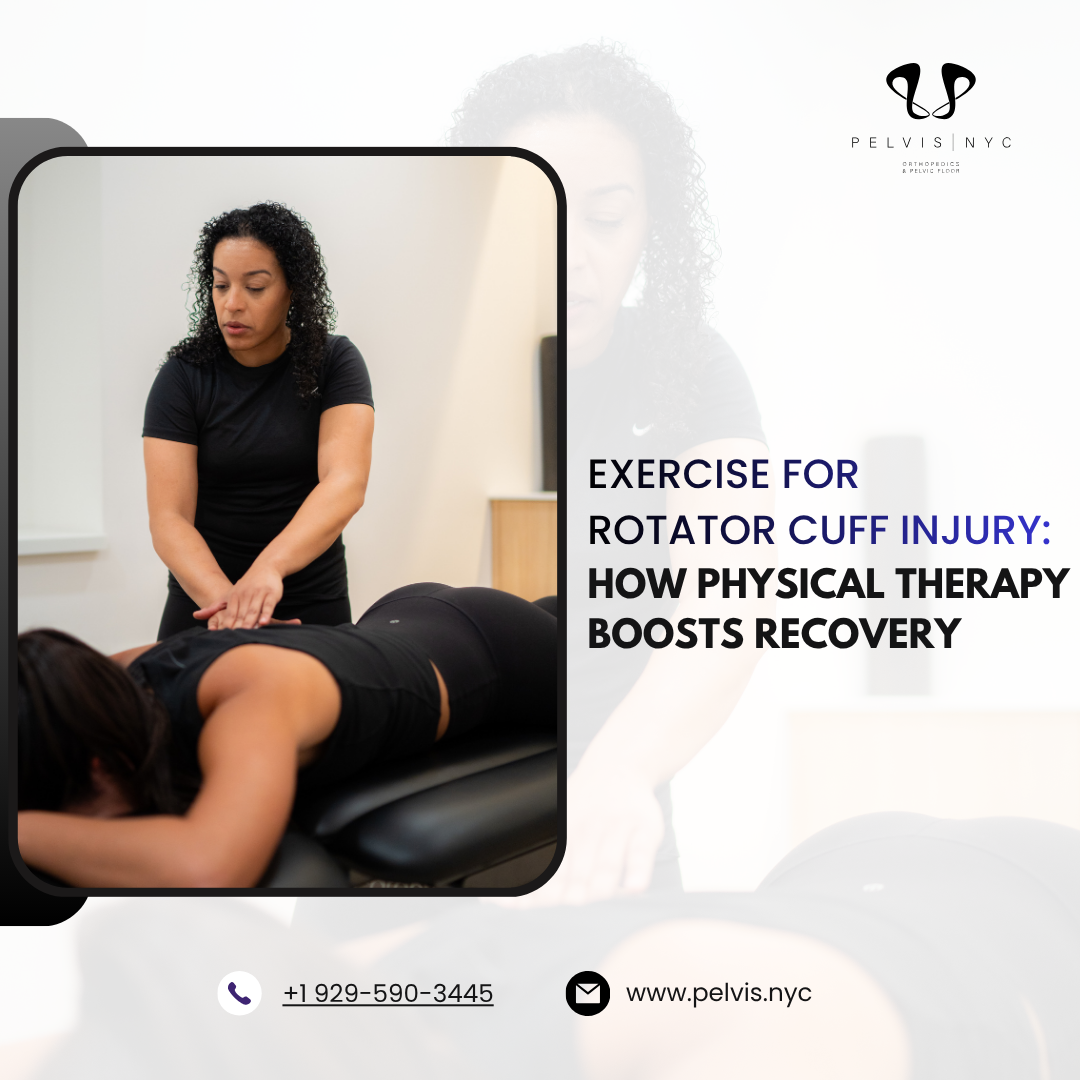
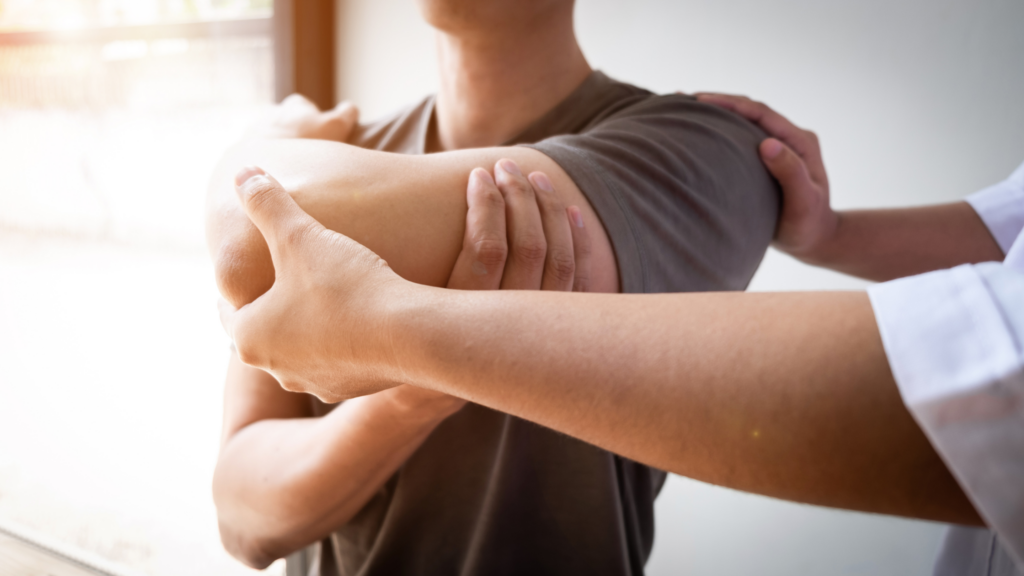
Exercise for Rotator Cuff Injury: How Physical Therapy Boosts Recovery

Exercise for Rotator Cuff Injury: How Physical Therapy Boosts Recovery

Exercise for Rotator Cuff Injury: What Actually Helps?

Yes—targeted exercise for rotator cuff injury can significantly reduce shoulder pain, improve mobility, and restore strength in both mild and moderate cases. For many people, structured physical therapy helps avoid surgery by improving shoulder stability, muscle coordination, and healing. Before starting any exercise program for a rotator cuff injury, it is essential to consult a doctor for proper assessment and guidance to ensure safe and effective recovery.

The key is choosing the right exercises at the right stage of recovery. Certain movements help strengthen the rotator cuff safely, while others can worsen irritation and delay healing. According to a systematic review, exercise-based rehabilitation is supported by strong evidence as an effective approach for treating rotator cuff injuries.

Most rotator cuff injuries are caused by a combination of overuse and wear and tear over time, particularly in individuals who engage in repetitive overhead activities.

What Is the Rotator Cuff?

The rotator cuff is a group of four muscles and tendons that stabilize the shoulder joint and control arm movement. The rotator cuff connects the shoulder blade (scapula) to the upper arm bone (humerus), which is the main arm bone involved in shoulder movement.

These muscles help with:

  • Lifting the arm
  • Reaching overhead
  • Internal and external rotation
  • Shoulder stability during movement

The rotator cuff tendons attach these four muscles to the upper arm bone, allowing for controlled arm movement and stability of the upper arm.

The rotator cuff and shoulder work together constantly during daily activities like:

  • Carrying groceries
  • Sleeping on your side
  • Exercising
  • Throwing
  • Lifting weights
  • Reaching behind your back

Because the shoulder is one of the most mobile joints in the body, it’s also highly vulnerable to injury.

What Causes Rotator Cuff Injuries?

Rotator cuff injuries can happen suddenly or develop gradually over time. Chronic rotator cuff injuries often present as subacromial pain syndrome or shoulder impingement syndrome, which are characterized by shoulder pain during movement. Overuse, repetitive overhead activities, and degeneration can lead to inflammation or tearing of the rotator cuff tendon, while traumatic events like falls or sports injuries may also cause acute damage.

Common Causes Include:

  • Repetitive overhead motions
  • Heavy lifting
  • Weightlifting injuries
  • Poor posture
  • Aging-related tendon degeneration
  • Sports injuries
  • Falls or trauma
  • Muscle imbalances
  • Weak shoulder stabilizers

According to the American Academy of Orthopaedic Surgeons (AAOS), rotator cuff tears become increasingly common with age, especially after 40.

Symptoms of a Rotator Cuff Injury

Symptoms vary depending on severity.

Common Signs Include:

  • Shoulder pain when lifting the arm
  • Weakness
  • Clicking or catching sensations
  • Pain at night
  • Limited range of motion
  • Difficulty reaching overhead
  • Pain during exercise
  • Shoulder stiffness

A full rotator cuff tear may cause significant weakness and reduced arm function.


Can Exercise Help a Rotator Cuff Injury?

In many cases, yes.

Research shows structured physical therapy is often highly effective for:

  • Tendinitis
  • Impingement
  • Partial tears
  • Post-surgical rehabilitation
  • Chronic shoulder pain

A study published through the National Institutes of Health (NIH) found that exercise-based rehabilitation significantly improves pain and shoulder function in many patients with rotator cuff disorders.


Why Physical Therapy Is Important for Rotator Cuff Injuries

Many people think resting alone will solve shoulder pain.

Unfortunately, prolonged inactivity often causes:

  • Weakness
  • Shoulder instability
  • Reduced mobility
  • Compensatory movement patterns

This is where physical therapy becomes essential.

A licensed physical therapist can identify:

  • Muscle imbalances
  • Poor shoulder mechanics
  • Weak stabilizers
  • Mobility restrictions
  • Movement compensations

Treatment focuses on restoring normal shoulder function—not just reducing pain. Physical therapy aims to keep the shoulder joint stable by strengthening the rotator cuff and surrounding muscles, which is crucial for preventing further injury. Maintaining a stable shoulder is a key goal of rehabilitation.

Best Exercise for Rotator Cuff Injury Recovery

The best exercises focus on:

  • Shoulder stability
  • Controlled mobility
  • Rotator cuff strengthening
  • Scapular control
  • Pain-free movement

Below are some of the most commonly recommended exercises in physical therapy.


1. Pendulum Exercise

This is often one of the first exercises used during recovery.

How to Do It

  1. Lean forward slightly
  2. Support yourself with one hand
  3. Let the injured arm hang freely
  4. Gently swing the arm:
    • Forward/backward
    • Side to side
    • Small circles

Benefits

  • Reduces stiffness
  • Promotes circulation
  • Improves joint mobility
  • Minimizes irritation

2. External Rotation with Resistance Band

Shoulder external rotation exercises are critical for strengthening the rotator cuff.

How to do external rotation with a resistance band:

  1. Attach a resistance band to a stable object at elbow height.
  2. Stand sideways to the anchor point, holding the band with the hand farthest from the anchor. Keep your elbow bent at 90 degrees and tucked into your side.
  3. Keeping your elbow close to your body, slowly rotate your forearm outward, away from your torso. Pause, then return to the starting position with control.
  4. Repeat for 10–15 reps per side.

This shoulder external rotation movement targets the infraspinatus and teres minor, helping to improve shoulder stability and function.

How to Do It

  1. Attach a resistance band to a stable object
  2. Keep elbow tucked at your side and keep your elbows straight during the movement to ensure proper form
  3. Rotate the forearm outward slowly
  4. Return with control

Benefits

  • Strengthens rotator cuff muscles
  • Improves shoulder stability
  • Reduces injury recurrence

This is one of the most effective exercises for external rotation weakness.


3. Internal Rotation with Resistance Band

Shoulder internal rotation strengthens muscles that stabilize the front of the shoulder.

To perform this exercise, attach a resistance band to a secure anchor at waist height. Stand with your affected arm closest to the anchor, elbow bent at 90 degrees and tucked into your side. Grasp the band and pull it across your body, keeping your elbow close to your waist. Slowly return to the starting position and repeat. Anchoring the band at waist height ensures proper form and safety during the exercise.

Steps

  1. Stand sideways to the band
  2. Pull inward toward your stomach
  3. Keep elbow close to your body
  4. Move slowly and with control

Why It Helps

  • Improves shoulder balance
  • Enhances joint control
  • Supports healthy movement mechanics

Balancing internal and external rotation strength is essential for recovery.


4. Scapular Retraction Exercise

Many shoulder injuries are actually linked to poor shoulder blade control. One of the best exercises for rotator cuff injury recovery is the shoulder blade squeeze (also known as scapular retraction).

How to do it:

  1. Sit or stand with your arms at your sides.
  2. Slowly squeeze your shoulder blades together, pulling them back and down.
  3. Hold the contraction for a few seconds, then relax.
  4. Repeat for 10–15 reps.

Benefits: This exercise helps improve posture and shoulder alignment by strengthening the muscles that control the shoulder blades, which is essential for healthy shoulder movement and rotator cuff support.

Instructions

  1. Sit or stand tall
  2. Pull shoulder blades gently backward
  3. Hold for 3–5 seconds
  4. Repeat slowly

Benefits

  • Improves posture
  • Supports rotator cuff function
  • Reduces shoulder strain

5. Wall Slides

Excellent for improving shoulder mobility without excessive strain. Wall push-ups are a great exercise for beginners or those recovering from pain, as they help build shoulder stability without putting too much stress on the joint. For those with limited strength, using a sturdy chair for support can make wall push-ups even easier. In addition to targeting the shoulders, wall push-ups also engage the chest muscles, helping to build upper body strength.

How to Perform

  1. Stand facing a wall
  2. Place forearms on the wall
  3. Slowly slide arms upward
  4. Avoid shrugging shoulders

Benefits

  • Improves overhead mobility
  • Activates stabilizing muscles
  • Encourages proper movement patterns

6. Isometric Shoulder Exercises

These are especially useful during early-stage recovery. For example, isometric shoulder extension is a valuable exercise at this stage, as it allows you to engage the shoulder muscles without moving the joint, helping to build strength safely.

Example: Isometric External Rotation

  1. Press your hand gently against a wall
  2. Engage muscles without moving the arm
  3. Hold for 5–10 seconds

Why It Works

  • Builds strength safely
  • Minimizes tendon irritation
  • Helps reduce pain

What Exercises Should You Avoid?

Not every shoulder exercise is safe during recovery.

Avoid:

  • Heavy overhead pressing
  • Behind-the-neck exercises
  • Aggressive stretching
  • High-volume throwing
  • Heavy lifting
  • Painful movements
  • Deep dips

Pain during exercise is often a sign that the tissue is not ready yet.

How Long Does Recovery Take?

Recovery depends on:

  • Severity of injury
  • Age
  • Activity level
  • Consistency with rehab
  • Whether surgery was required

Average Recovery Timeline

ConditionRecovery Time
Mild strain2–6 weeks
Tendinitis6–12 weeks
Partial tear2–4 months
Post-surgical rehab4–9 months

Consistency matters more than intensity.


When Does a Rotator Cuff Tear Require Surgery?

Not all tears require surgery.

Many partial tears improve with:

However, some injuries may require surgery if there is:

  • Complete tendon rupture
  • Significant weakness
  • Persistent pain
  • Failed conservative treatment
  • Loss of function

What Is Arthroscopic Rotator Cuff Repair?

Arthroscopic rotator cuff repair is a minimally invasive surgical procedure used to repair torn tendons.

During surgery:

  • Small incisions are made
  • A camera guides the procedure
  • Damaged tendons are repaired with anchors

Compared to traditional open surgery, arthroscopic procedures often lead to:

  • Smaller scars
  • Less tissue damage
  • Faster early recovery

But surgery alone is not enough.


Why Physical Therapy After Surgery Is Essential

After arthroscopic rotator cuff repair, physical therapy is critical for:

  • Restoring mobility
  • Preventing stiffness
  • Rebuilding strength
  • Protecting the repair
  • Regaining shoulder function

Post-surgical rehab typically progresses through phases:

Phase 1: Protection

  • Sling use
  • Gentle passive motion

Phase 2: Mobility

  • Assisted movement
  • Light stretching

Phase 3: Strengthening

  • Resistance exercises
  • Rotator cuff activation

Phase 4: Return to Activity

  • Functional training
  • Sport-specific movement

Skipping rehab significantly increases reinjury risk.


The Connection Between Posture and Rotator Cuff Pain

Many rotator cuff problems are worsened by posture.

Poor posture can:

  • Narrow shoulder space
  • Increase tendon irritation
  • Reduce shoulder stability

Common contributors include:

  • Desk work
  • Rounded shoulders
  • Forward head posture
  • Weak upper back muscles

Physical therapy often addresses these underlying movement issues—not just shoulder pain itself.


Can You Exercise with a Rotator Cuff Injury?

Usually yes—but carefully.

The goal is not complete rest.

Instead:

  • Avoid aggravating movements
  • Stay active within tolerance
  • Focus on controlled rehabilitation

A structured rehab plan is safer and more effective than random online exercises.


Real Recovery: Why Guided Rehab Works Better

One of the biggest mistakes people make is trying to “push through” shoulder pain.

Successful recovery requires:

  • Proper diagnosis
  • Progressive strengthening
  • Mobility restoration
  • Movement retraining
  • Patience

This is why working with a skilled physical therapist matters.


Why Pelvis NYC Can Help

At Pelvis NYC, physical therapists take a whole-body approach to recovery and movement rehabilitation.

Their team helps patients:

  • Recover from shoulder injuries
  • Improve mobility
  • Restore strength
  • Reduce chronic pain
  • Return to exercise safely

Whether you’re recovering from a rotator cuff strain, chronic shoulder pain, or post-surgical rehab, personalized physical therapy can help speed recovery and prevent future injury.

👉 Early treatment often leads to better long-term outcomes.


Final Thoughts

The best exercise for rotator cuff injury recovery is one that restores strength, mobility, and shoulder stability without increasing pain.

In many cases, physical therapy can help patients avoid surgery entirely—or recover more successfully after surgical repair.

If shoulder pain is limiting your workouts, sleep, or daily activities, don’t ignore it. Addressing the problem early can prevent chronic dysfunction and long-term weakness.


Frequently Asked Questions (FAQs)

What is the best exercise for a rotator cuff injury?

External rotation exercises with a resistance band are among the most effective for strengthening the rotator cuff safely. For optimal muscle activation and safety, keep your arm at shoulder height while performing these exercises.

Can exercise heal a rotator cuff tear?

Partial tears often improve with physical therapy and strengthening exercises. Complete tears may require surgery.

Should I stretch a rotator cuff injury?

Gentle mobility exercises can help, but aggressive stretching may worsen symptoms.

How long does rotator cuff recovery take?

Mild injuries may improve in weeks, while surgical recovery can take several months.

Can physical therapy prevent shoulder surgery?

Yes. Many patients improve significantly with structured rehabilitation and never require surgery.

What causes rotator cuff injuries?

Common causes include overuse, repetitive overhead activity, repetitive shoulder rotation (especially during sports or work activities), poor posture, aging, and sports injuries.

Male Pelvic Floor Healing: A Successful Conversation in Finding Relief

Male Pelvic Floor Healing: A Successful Conversation in Finding Relief

Pelvic floor dysfunction is often framed as a women’s health issue—but as Dr. Adam Gvili has long emphasized, men are affected too— but there’s pelvic floor healing in male. And more often than not, they’re navigating it alone.

Male pelvic pain and pelvic floor issues are common but frequently overlooked. Symptoms of pelvic floor dysfunction in men can include urinary frequency, urgency, pelvic pain, and erectile dysfunction, as well as other urinary, sexual, and pain-related problems. Studies show that men wait an average of 4.2 years to seek help for pelvic floor dysfunction, but 70 to 80 percent see success in treating symptoms within just four to seven sessions of physical therapy.

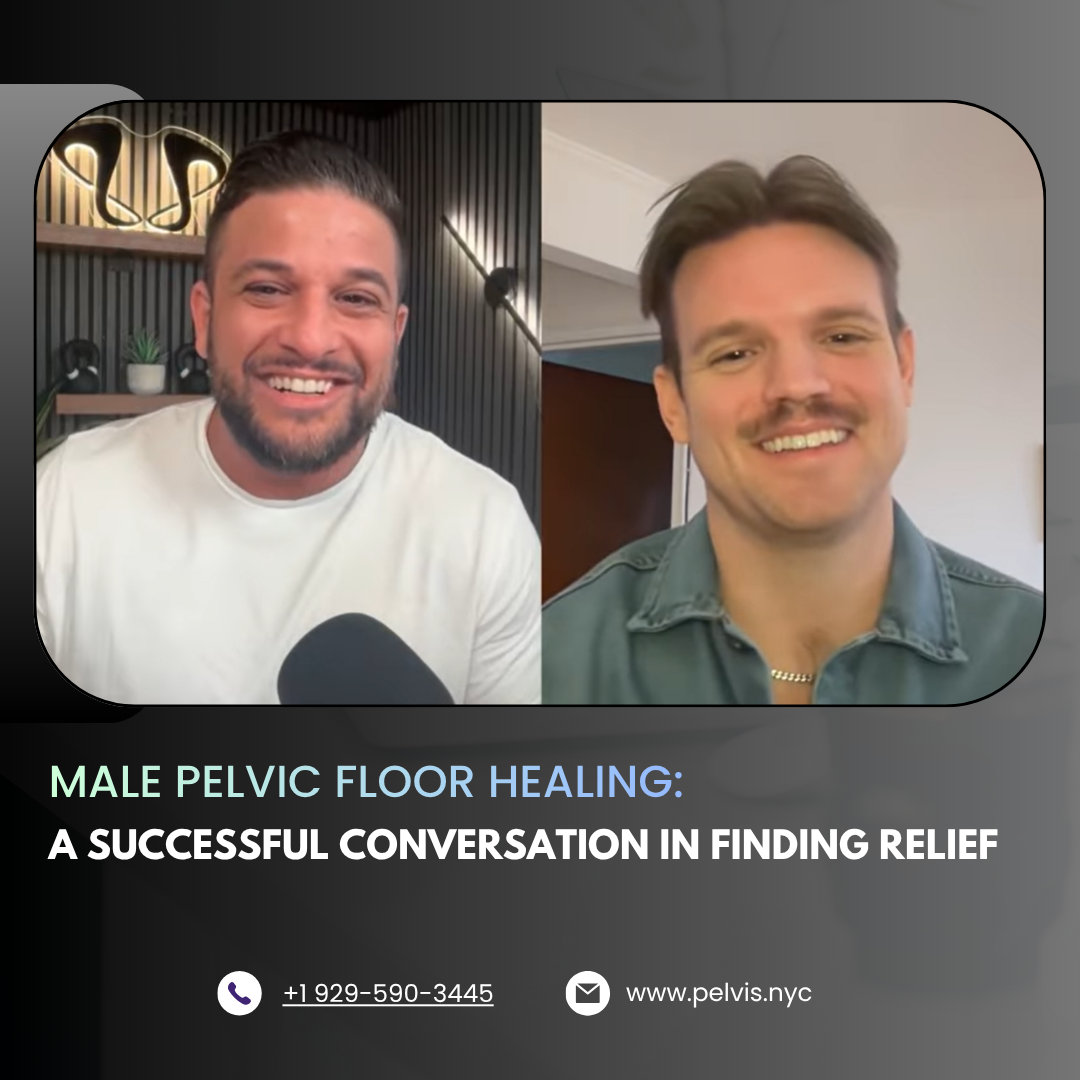
In a candid conversation at Pelvis NYC, Adam sat down with Daniel Ross Noble, a former patient, to unpack what it really looks like to live with—and eventually recover from—chronic pelvic floor dysfunction. What emerged wasn’t just a patient story, but a clear reflection of Adam’s treatment philosophy: individualized care, emotional awareness, and removing the fear that surrounds men’s pelvic health.

00:00 Introduction to Daniel

male pelvic floor healing

Daniel Ross Noble: Yeah, thanks, Adam. I appreciate you having me on. My name’s Daniel. I’m 39. I just moved to New York City about a year ago. I’ve been in Los Angeles the last 15 years working in entertainment. I’m originally from the San Francisco Bay Area, worked in TV and film, and now I’m in the nonprofit sector.

Adam: Today, we’ve got Daniel joining us. He spent a few months with us at Pelvis NYC getting an inside look at how we approach pelvic health and pelvic floor therapy for male patients—especially complex cases like pelvic pain, urinary issues, and sexual dysfunction.

01:18 What Brought Daniel to Pelvic Floor Therapy

Daniel: I actually found you through a Business Insider article. I was reading it for my dad because he has prostate cancer and deals with frequent urination.

Urinary frequency and urinary incontinence are common symptoms of pelvic floor dysfunction in men. Urinary incontinence, which is the involuntary leakage of urine, can be caused by weak pelvic floor muscles, prostate surgery, or other factors. But as I kept reading, I realized a lot of the symptoms sounded like me.

At 18, I went through sexual assault. I had fissures, hemorrhoids, and didn’t really understand penetrative sex. I was using substances to numb the pain. Eventually, I had surgery, but I still had discomfort. Sex was stressful for me, and I thought something was wrong with my body.

So I booked a consultation—and it’s really changed my life.


04:04 Surgical Experience and Complications

Adam: What was your experience like with the surgery and post-op care?

Daniel: I didn’t have the best experience. I went to a well-known practice in Los Angeles, but the post-op care was pretty bad. I didn’t have a bowel movement for seven or eight days, which caused a fistula. Pelvic floor dysfunction can contribute to bowel issues, including difficulty with bowel movements and even problems like fecal incontinence or constipation. Managing bowel health through proper hydration and avoiding straining is important to prevent pelvic muscle irritation and support recovery.

They didn’t initially diagnose it correctly and kept cauterizing the wound. It was extremely painful. I developed hematomas, one of which burst, and eventually needed another surgery—a fistulotomy.

The whole process was traumatizing. Everything about treatment in that area became something my body wanted to reject.

07:31 Life After Surgery and Ongoing Pain

Adam: What was that year after surgery like?

Daniel: I felt really isolated. I was basically in a diaper for six months at one point.

I started talking about it more, and surprisingly, a lot of people—especially in the queer community—shared that they had similar symptoms. But no one really knew what to do.

Doctors told me I might not be able to have penetrative sex again because of the scarring. That created a lot of fear. Every sexual encounter came with anxiety, like I was broken.

Pelvic floor dysfunction can seriously impact sexual health, including causing erectile dysfunction. Studies show that men with pelvic pain have increased rates of erectile dysfunction, often due to pelvic floor muscle tension and dysfunction.

10:40 Discovering Pelvic Floor Therapy

Adam: Was pelvic floor therapy ever suggested to you before?

Daniel: No, never. I only learned about it from that article.

That’s when I found out pelvic floor physical therapy is actually a specialized form of physical therapy provided by a pelvic floor physical therapist. Pelvic floor therapy, also known as pelvic rehabilitation, helps men improve the strength and control of their pelvic floor muscles, which can benefit conditions like incontinence and erectile dysfunction.

Even friends who knew about pelvic floor therapy mostly associated it with women after childbirth. I tried other things like sex coaching, thinking maybe it was psychological—but nothing really worked.

And hearing “just relax” all the time—it’s stressful. If I could relax, I would.


12:47 Understanding the Condition

Adam: Based on your symptoms, you had a hypertonic pelvic floor. Your body learned to tighten as a response to trauma and stayed that way.

Pelvic floor tension and pelvic floor muscle dysfunction are common causes of pelvic floor pain and chronic pelvic pain in men. Chronic pelvic pain can affect the groin, genitals, rectum, and lower back, often resulting from muscle dysfunction, nerve injury, or conditions like pudendal neuralgia.

Daniel: Yeah, and I didn’t believe you at first. I had been dealing with it for so long.

But after about three months, I started seeing results. My body was able to open up naturally. That was really empowering.


14:30 Progress and Long-Term Results

Adam: Have you regressed at all since finishing therapy?

Daniel: No, and I thought I would.

It’s also mental—I still have those thoughts sometimes that something is wrong with me. But now I can challenge that. I can tell myself that’s an old narrative.


16:25 Differences in Treatment Approach

Adam: How did our approach differ from other providers?

Daniel: It was holistic.

You weren’t just treating the symptoms—you were understanding what I was going through mentally and emotionally. It felt safe.

Other providers didn’t even consider that I was a queer person having sex. That wasn’t part of the conversation. Here, it was.


20:41 Queer-Friendly Care and Safety

Adam: Did you bring that up with other doctors?

Daniel: Yeah, and I still felt dismissed.

At Pelvis NYC, it’s different. It feels inclusive and aware. That creates a safe space, which makes a huge difference.


21:58 Addressing the Male-to-Male Treatment Dynamic

Adam: What’s it like being treated by a straight male therapist?

Daniel: It’s actually great.

There’s no pressure. It’s not sexual. My body can just relax. A lot of my trauma is tied to sexual experiences, so being in a non-sexual environment helps me feel safe.


23:19 Trauma-Informed Care

Adam: We focus on trauma-informed care. Everything is individualized—how we talk to you, how we treat you, and how we guide your body to feel safe again.


25:38 Physical and Emotional Impact

Daniel: Every session, I leave feeling so relaxed.

Not in a sexual way—just physically released. My muscles finally relax, and it affects the rest of my day. Even my friends notice it.

Manual therapy techniques used in pelvic floor rehabilitation, such as myofascial release and trigger point therapy for muscle tension, help relieve pain, alleviate pain, reduce pain, and relieve tension in the pelvic muscles.

26:35 The Bigger Picture for Men’s Health

Adam: More men should be doing pelvic floor therapy.

Daniel: I agree. So many people would benefit from this. I even think about my dad and how this could help him.

A personalized treatment plan and specialized treatment techniques are essential for effective male pelvic floor healing, as they address each individual’s unique needs. The approach depends on whether the goal is to strengthen weak pelvic floor muscles or relax overactive muscles, ensuring the rehabilitation is tailored for the best results.

27:35 Understanding Without Fear

Daniel: When you told me I had a hypertonic pelvic floor, it didn’t feel scary.

Adam: That’s the goal. We’re not here to pathologize—we’re here to help you understand without adding fear.


28:12 Final Thoughts

Daniel: This changed my life.

When you’re dealing with something like this alone for so long, finding a solution is huge. It’s not just physical—it’s releasing shame and changing the narrative in your head.

I recommend this to everyone now.

Adam: Thank you for trusting us. I hope we don’t have to see you again—in that capacity.

Daniel: Same—but I’ll definitely come back to say hi.

Why This Conversation Matters for Men

Daniel’s story reinforces what Adam has been advocating for years:

  • Men experience pelvic floor dysfunction more than we acknowledge, often due to weak muscles or poor muscle coordination.
  • Many are misdiagnosed or never referred to proper care, missing out on the benefits of pelvic floor muscle training and therapy for male pelvic floor muscles.
  • Emotional and psychological factors are deeply connected to physical symptoms, especially in cases of chronic pain related to pelvic floor muscles.
  • Recovery requires more than just exercises—it requires understanding, but exercise is the cornerstone of pelvic floor rehabilitation, with condition-specific techniques like Kegel exercises and pelvic floor muscle training improving muscle control, pelvic floor strength, and muscle coordination.
  • Pelvic floor muscle training, including Kegel exercises, can enhance sexual performance and pleasure by improving muscle strength and control, and most men notice improvements in bladder control or sexual function within 4 to 12 weeks of consistent pelvic floor exercises.
  • A healthy pelvic floor is essential for coordination of urination, defecation, and sexual function.

And perhaps most importantly:

Men need spaces where they can talk about this openly.

Final Thoughts

This conversation wasn’t just about one patient’s recovery—it was about redefining how male pelvic floor health and pelvic floor muscle training are approached for men.

From Adam’s perspective as both a practitioner and former patient, to Daniel’s experience navigating years of pain, one thing is clear: improving pelvic health involves both targeted exercises like Kegels and adopting healthy lifestyle habits.

Healing happens when fear is replaced with understanding.

And for many men, that journey is just beginning.

Take the First Step Toward Recovery

If you’re experiencing symptoms of pelvic floor dysfunction—such as pelvic pain, discomfort, urinary issues, or challenges with sexual function—recognizing these symptoms is crucial for effective male pelvic floor healing. You’re not alone, and you don’t have to navigate it by yourself.

male pelvic floor healing

Pelvis NYC, founded by Dr. Adam Gvili, specializes in helping men overcome pelvic floor dysfunction through personalized, trauma-informed care. Pelvic floor therapy can help men manage conditions related to pelvic floor dysfunction, including urinary incontinence, chronic pelvic pain, and sexual dysfunction, by improving muscle coordination and control.

Whether you’ve been dealing with symptoms for months or years, getting the right support can make all the difference. Reach out, ask questions, and take that first step toward understanding your body again.