What is pelvic muscle dysfunction? Symptoms, causes, and how to treat it in New York City

What is pelvic muscle dysfunction? Symptoms, causes, and how to treat it in New York City

Pelvic muscle dysfunction affects far more people than most realize — and it’s frequently misdiagnosed, undertreated, or dismissed as something patients just have to live with. If you’re dealing with bladder leaks, pelvic pressure, pain during sex, or constipation that won’t resolve, your pelvic floor muscles may be the source. The good news: it’s highly treatable.

Quick answer

Pelvic muscle dysfunction (also called pelvic floor dysfunction) is a condition in which the muscles of the pelvic floor fail to contract, relax, or coordinate properly. It affects both men and women and causes a wide range of symptoms — from urinary leakage and pelvic pain to sexual dysfunction and bowel problems. According to StatPearls, pelvic floor dysfunction affects up to 25% of women in the U.S. and is significantly underrecognized in men. Pelvic floor physical therapy in New York City is one of the most effective, non-surgical treatments available.

Not sure if pelvic muscle dysfunction is behind your symptoms? Book a free 15-minute teleconsultation with Dr. Adam — no referral needed, no waiting room.

What exactly is pelvic muscle dysfunction?
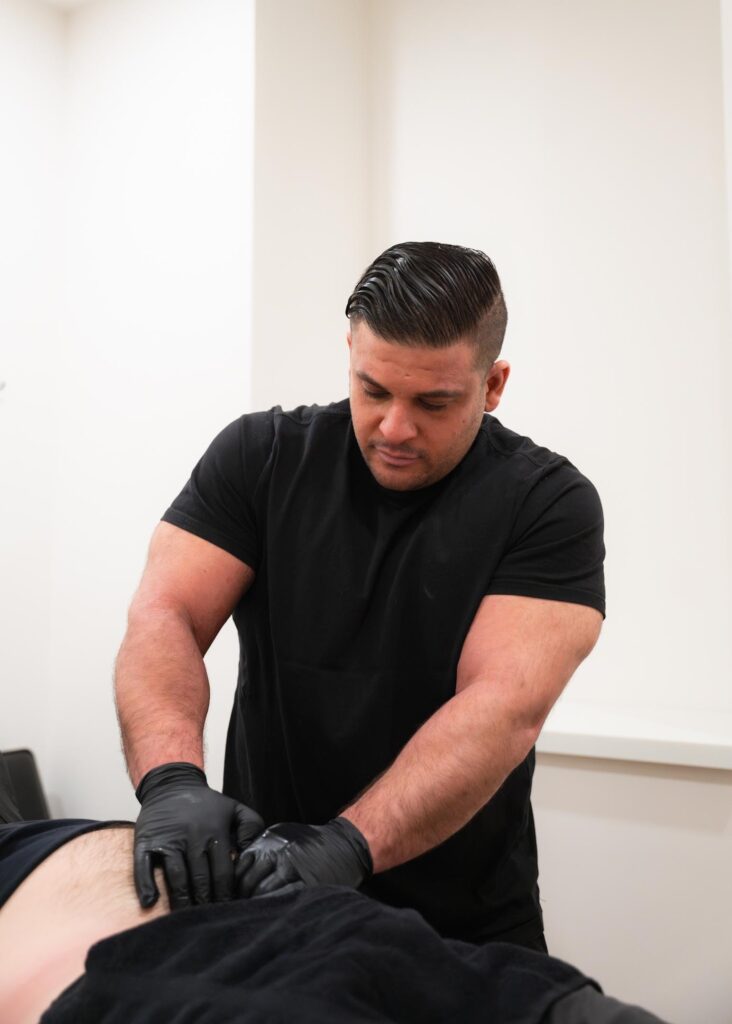
Pelvic muscle dysfunction — more formally called pelvic floor dysfunction (PFD) — refers to abnormal activity of the group of muscles spanning the base of the pelvis. These muscles support the bladder, bowel, uterus (in women), and prostate (in men), and they coordinate dozens of functions you do every day: urinating, having a bowel movement, having sex, and stabilizing your spine and hips.

When those muscles stop working correctly, symptoms can appear across multiple body systems at once — which is one reason PFD is so commonly missed. A patient might see a urologist for leakage, a gastroenterologist for constipation, and a gynecologist for pelvic pain, and receive a different answer from each.

The two types of pelvic muscle dysfunction

Pelvic floor dysfunction is part of a broader group of pelvic floor disorders.

The pelvic floor is made up of muscles and connective tissues that support the pelvic area and help regulate bladder function, bowel movements, and sexual function. Problems in this system can affect women and men, and they often overlap with functional gastrointestinal disorders such as irritable bowel syndrome or neurologic conditions such as spinal cord injury.

TypeWhat’s happeningCommon symptoms
Hypertonic (high-tone)Muscles are too tight; high muscle tone means they can’t relax properly, and pelvic floor dyssynergia can contribute to functional constipationPelvic pain, painful sex, urinary urgency, constipation
Hypotonic (low-tone)Muscles are too weak; can’t contract properlyUrinary incontinence, fecal incontinence, involuntary leakage, pelvic organ prolapse, reduced sensation

Diagnosis starts with a medical history and physical exam of the pelvic floor, including assessment of specific pelvic floor muscles and surrounding muscles.

What are the symptoms of pelvic muscle dysfunction?

Pelvic muscle dysfunction presents differently depending on which muscles are affected and whether they’re too tight or too weak. At our Chelsea clinic in New York City, we regularly see patients who’ve had symptoms for years before connecting them to their pelvic floor.

Urinary symptoms

  • Leaking urine when you cough, sneeze, laugh, or lift (stress incontinence)
  • Sudden, intense urge to urinate that’s hard to control (urge incontinence)
  • Frequent trips to the bathroom — more than 8 times per day
  • Difficulty starting or stopping the urine stream
  • Feeling like the bladder never fully empties

Bowel symptoms

  • Chronic constipation or straining to pass stool, including functional constipation; testing may also look for pelvic floor dyssynergia with anorectal manometry or a balloon expulsion study
  • Feeling of incomplete bowel emptying
  • Fecal incontinence or urgency, which can relate to anal sphincter function
  • Pain or pressure around the rectum

Bladder irritants such as artificial sweeteners can worsen urgency in some patients, and avoiding them may improve symptoms.

Pelvic pain and sexual symptoms

  • Persistent aching, stabbing, or pressure in the lower abdomen, tailbone, or groin that may become chronic pain
  • Pain during or after intercourse can affect sexual function (in both men and women)
  • Erectile dysfunction or pain with erections (in men)
  • Vaginismus — involuntary muscle contraction making penetration painful or impossible (in women)
  • Reduced genital sensation

These symptoms of pelvic floor problems can vary widely and are sometimes overlooked, which is why evaluation and pelvic floor therapy are often important.

Pelvic organ prolapse

Pelvic organ prolapse (POP) — a condition in which one or more pelvic organs (bladder, uterus, or rectum) descend into or outside the vaginal canal — is a direct result of weak pelvic floor support. It affects approximately 1 in 4 women over their lifetime, according to the American Urogynecologic Society, and risk can increase after pregnancy and vaginal deliveries. Symptoms include a bulging or heaviness sensation in the vagina, especially after prolonged standing.

Pain that lasts for more than three to six months can be chronic pelvic pain. These symptoms can also affect sexual function, physical comfort, and posture, and some cases eventually require surgical interventions.

What causes pelvic muscle dysfunction?

Pelvic floor dysfunction rarely has a single cause. It’s usually the result of multiple contributing factors — which is why a whole-body assessment, like the one we perform at Pelvis NYC, is essential to effective treatment.

  • Pregnancy and childbirth — vaginal delivery stretches and can tear pelvic floor muscles and nerves; even C-section carries pelvic floor impact from pregnancy itself, and risk rises after pregnancy and vaginal deliveries
  • Chronic straining — years of bearing down to pass stool overloads the pelvic floor
  • Pelvic or abdominal surgery — hysterectomy, prostatectomy, hernia repair
  • High-impact sports or heavy lifting — repetitive strain on the pelvic floor over time
  • Trauma or injury — falls, accidents, or sexual trauma can cause lasting pelvic floor guarding
  • Stress and anxiety — the pelvic floor is highly responsive to the nervous system; chronic tension manifests there
  • Aging — natural muscle weakening and connective tissue changes over time
  • Hormonal changes — menopause-related estrogen loss accelerates pelvic floor tissue thinning
  • Neurological conditions — conditions such as spinal cord injury can disrupt pelvic floor coordination and bowel or bladder control

At our NYC clinic, we often see a pattern unique to busy urban professionals: high-stress lifestyles, prolonged sitting, and chronic breath-holding or core bracing that quietly overloads the pelvic floor over months or years before symptoms appear. These pelvic floor issues also commonly overlap with chronic conditions that affect daily life.

How to treat pelvic floor dysfunction?
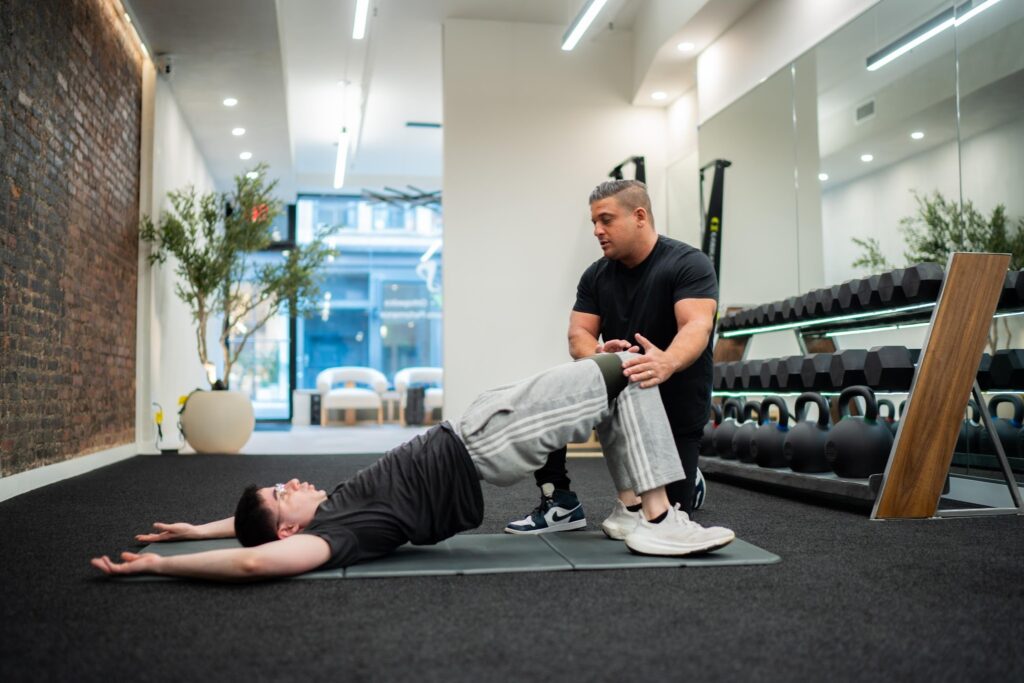
Pelvic floor physical therapy is the first-line, evidence-supported treatment for most forms of pelvic muscle dysfunction — and in many cases, it resolves symptoms without surgery or medication. A 2022 systematic review in the American Journal of Obstetrics and Gynecology found that pelvic floor muscle training is effective for both hypertonic and hypotonic dysfunction when appropriately tailored to the patient.

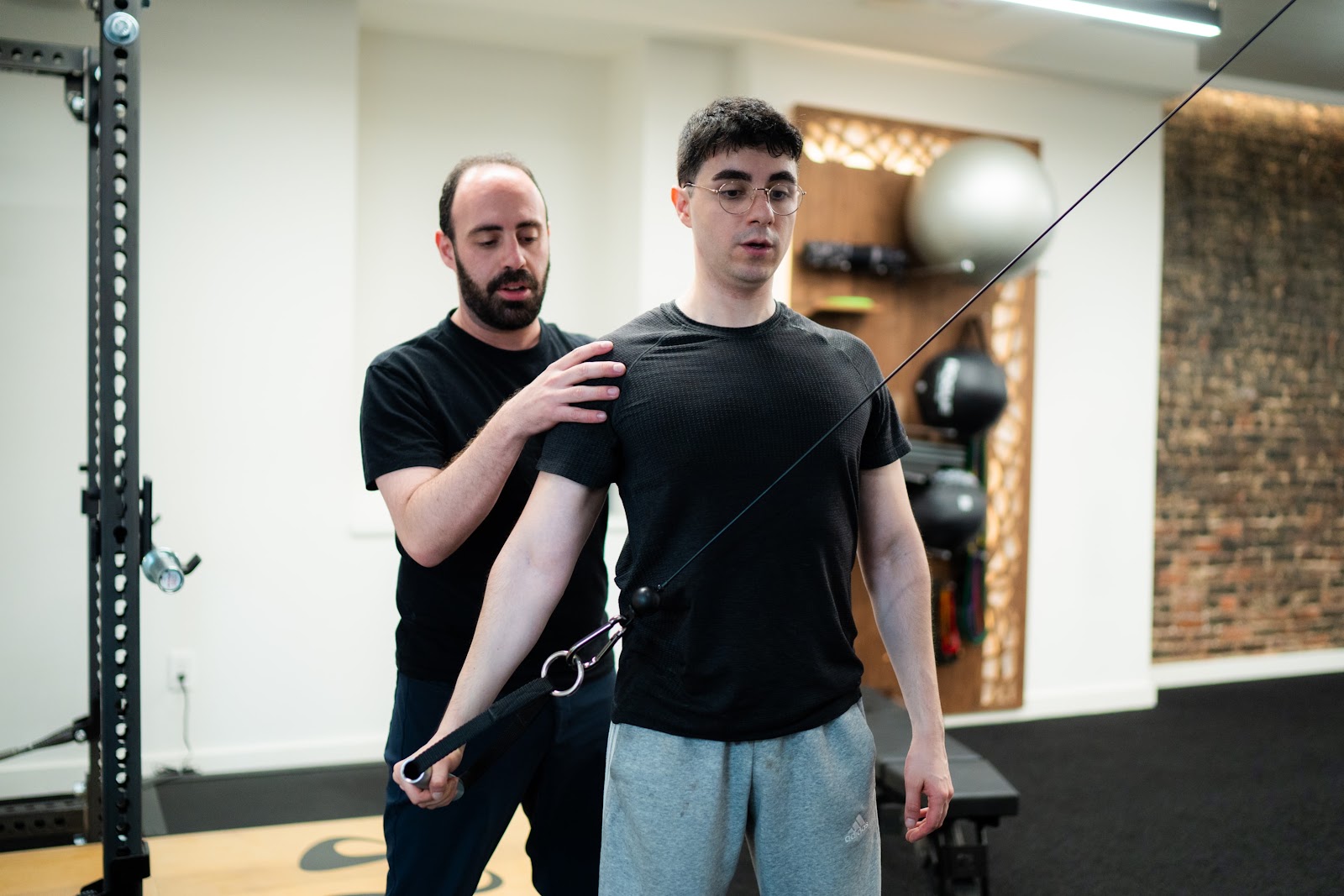
At Pelvis NYC, we treat patients individually. No two pelvic floors are the same, and the plan for a postpartum woman with prolapse looks very different from the plan for a 32-year-old man with chronic pelvic pain. A pelvic floor therapist starts with a detailed assessment to build personalized treatment options, often combining pelvic floor exercises, relaxation techniques, and other nonsurgical treatments to reduce symptoms. Our physical therapist may also use electrical stimulation when indicated, and therapy sessions can include myofascial release as part of hands-on care. Our approach includes:

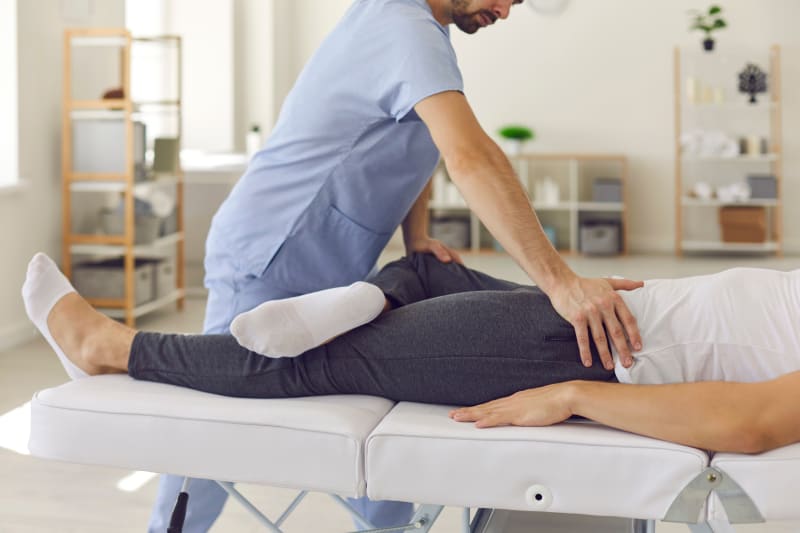
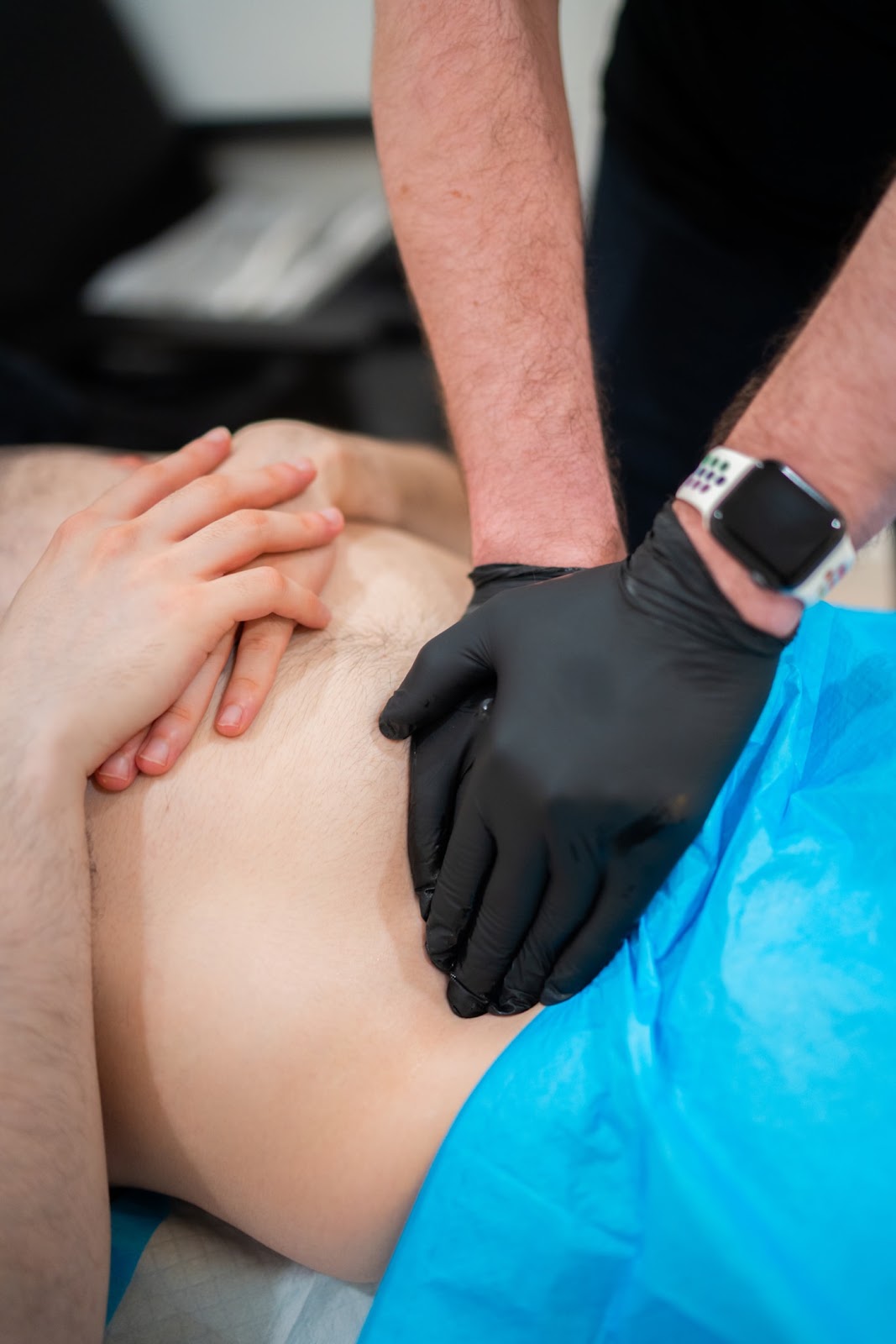
  • Internal and external manual therapy — hands-on techniques to release tight muscles, reduce trigger points, restore tissue mobility, and in some cases complement trigger point injections
  • Pelvic floor muscle retraining — targeted strengthening or relaxation depending on whether the dysfunction is hypertonic or hypotonic
  • Functional movement and breath work — retraining how you breathe, brace, and move so your pelvic floor isn’t constantly overloaded, alongside practical lifestyle modifications
  • Bladder and bowel retraining — evidence-based behavioral strategies to normalize urinary and bowel habits and support lasting lifestyle changes
  • Telehealth follow-up — ongoing support between in-person sessions via our telehealth program

We also treat male pelvic floor dysfunction — including chronic pelvic pain, post-prostatectomy incontinence, and erectile dysfunction — in a same-gender care environment, which many men find far more comfortable than a traditional clinical setting.

When should you see a pelvic floor specialist in NYC?
See a specialist if any of the following apply — and don’t wait until symptoms become severe. Earlier intervention consistently produces better outcomes.

  • You’ve had bladder leakage of any kind, even occasional
  • You experience pelvic, hip, or tailbone pain lasting more than a few weeks
  • Sex is painful or has become painful after previously being comfortable
  • You strain to have a bowel movement regularly
  • You’ve been told you have prolapse, interstitial cystitis, or chronic prostatitis
  • You’re pregnant or recently postpartum and experiencing any pelvic symptoms
  • You have pelvic floor concerns but have been told everything is “normal”

New York State allows direct access to physical therapy — no physician referral is required to begin pelvic floor PT at Pelvis NYC.

Frequently asked questions

What’s the difference between pelvic muscle dysfunction and pelvic floor dysfunction?

The terms are used interchangeably. “Pelvic floor dysfunction” is the more formal clinical term, while “pelvic muscle dysfunction” reflects that the problem lies specifically in how the pelvic muscles contract, relax, and coordinate. Both refer to the same broad category of conditions.

Can men get pelvic floor dysfunction?

Yes — pelvic muscle dysfunction is common in men, though it’s far underdiagnosed. In men, it often presents as chronic pelvic pain, urinary urgency or leakage (especially after prostate surgery), painful ejaculation, or erectile dysfunction. Pelvis NYC treats men in a same-gender clinical environment specifically designed to be judgment-free.

How many sessions does pelvic floor therapy take?

Most patients see meaningful improvement within 6–10 sessions. The full course depends on the type and severity of dysfunction, how long symptoms have been present, and how the patient responds to treatment. We reassess progress regularly and adjust the plan at each visit.

Do I need a doctor’s referral to start pelvic floor PT in NYC?

No. New York State has direct access laws that allow you to begin physical therapy without a physician referral. You can book directly with Pelvis NYC — or start with a free 15-minute teleconsultation if you’d like to discuss your symptoms first.

Can pelvic floor dysfunction cause lower back pain?

Yes. The pelvic floor muscles are part of the deep core system, working alongside the diaphragm, deep abdominals, and multifidus muscles. When the pelvic floor is dysfunctional, it disrupts that entire system, which often manifests as lower back pain, hip pain, or SI joint pain. Many patients come to us with back pain as their primary complaint and discover a pelvic floor component that other providers missed.

Does insurance cover pelvic floor therapy at Pelvis NYC?

Pelvis NYC is an out-of-network provider. Many patients receive partial reimbursement through their out-of-network benefits — we provide detailed superbills after each session. Contact us before your first appointment, and we’ll help you understand your coverage options.

Pelvic muscle dysfunction is treatable — and the sooner you address it, the better the outcomes. Schedule your first appointment at Pelvis NYC at 110 West 17th Street, Chelsea, New York City, or call (929) 590-3445. We treat men and women in a whole-body, same-gender, judgment-free environment.

Dr. Adam Gvili, PT, DPT

Dr. Adam Gvili is the founder and lead clinician at Pelvis NYC, a pelvic floor and orthopedic physical therapy clinic in Chelsea, New York City. He specializes in pelvic floor dysfunction, pelvic organ prolapse, male pelvic health, and sports performance rehabilitation, and has been featured in Bloomberg, Business Insider, and Experience Life magazine. He offers a free 15-minute teleconsultation for all new patients.


Tight Pelvic Floor: Symptoms, Causes, and Evidence-Based Relief Strategies

What Is a Tight Pelvic Floor?

A tight pelvic floor happens when the pelvic floor muscles are overactive, shortened, or unable to relax fully. The pelvic floor is a group of muscles located in the pelvic region, supporting pelvic organs such as the bladder and rectum. Instead of supporting healthy bladder, bowel, and sexual function, these muscles stay “switched on,” leading to pain, tension, and dysfunction throughout the pelvis and core.

These muscles are also essential for bowel control, as well as bladder and sexual function. This condition is common—but frequently misunderstood. Many people are told to “do Kegels” when they actually need the opposite: relaxation, coordination, and targeted pelvic floor physical therapy.

Causes of Tight Pelvic Floor

Tight pelvic floor muscles can develop due to a mix of physical, behavioral, and emotional factors. Common causes include:

  • Chronic stress: Ongoing stress keeps the pelvic floor, lower back, and inner thigh muscles tense, leading to persistent tightness and pelvic pain.
  • Poor posture & weak core/thigh muscles: Surrounding muscles may not function properly, causing the pelvic floor to overcompensate and become tight.
  • Habitual holding: Regularly holding in urine or bowel movements strains the pelvic floor and makes it harder to relax.
  • Overactive pelvic floor (hypertonicity): Muscles that cannot contract and relax properly can cause spasms and increased tension.
  • Weak pelvic floor muscles: Weakness can paradoxically cause tightness as the body keeps muscles engaged for support.
  • Underlying health conditions: Pelvic organ prolapse, urinary incontinence, sexual dysfunction, and chronic pain disorders can all contribute to tight pelvic floor muscles.

Ways to address tight pelvic floor muscles:

  • Diaphragmatic breathing & relaxation techniques to release tension
  • Pelvic floor physical therapy: Manual therapy, stretching, and muscle retraining
  • Strengthening core and thigh muscles while learning to properly contract and relax the pelvic floor

Tip: Identifying the root cause and working with a pelvic floor physical therapist can reduce symptoms like pelvic pain, urinary issues, and erectile dysfunction.

Tight Pelvic Floor

A tight pelvic floor is not about weakness—it’s about too much muscle activity at the wrong time. The pelvic floor should contract and relax dynamically. When it cannot let go, symptoms develop. Other symptoms of a tight pelvic floor include chronic pelvic pain, painful sex, urinary urgency, constipation, and lower back pain.

According to research published in The Journal of Women’s Health Physical Therapy, overactive pelvic floor dysfunction is present in a significant percentage of patients with chronic pelvic pain, urinary urgency, and sexual pain disorders.

This issue affects all genders and ages, including athletes, postpartum individuals, desk workers, and people under chronic stress.

Pelvic Floor Muscles

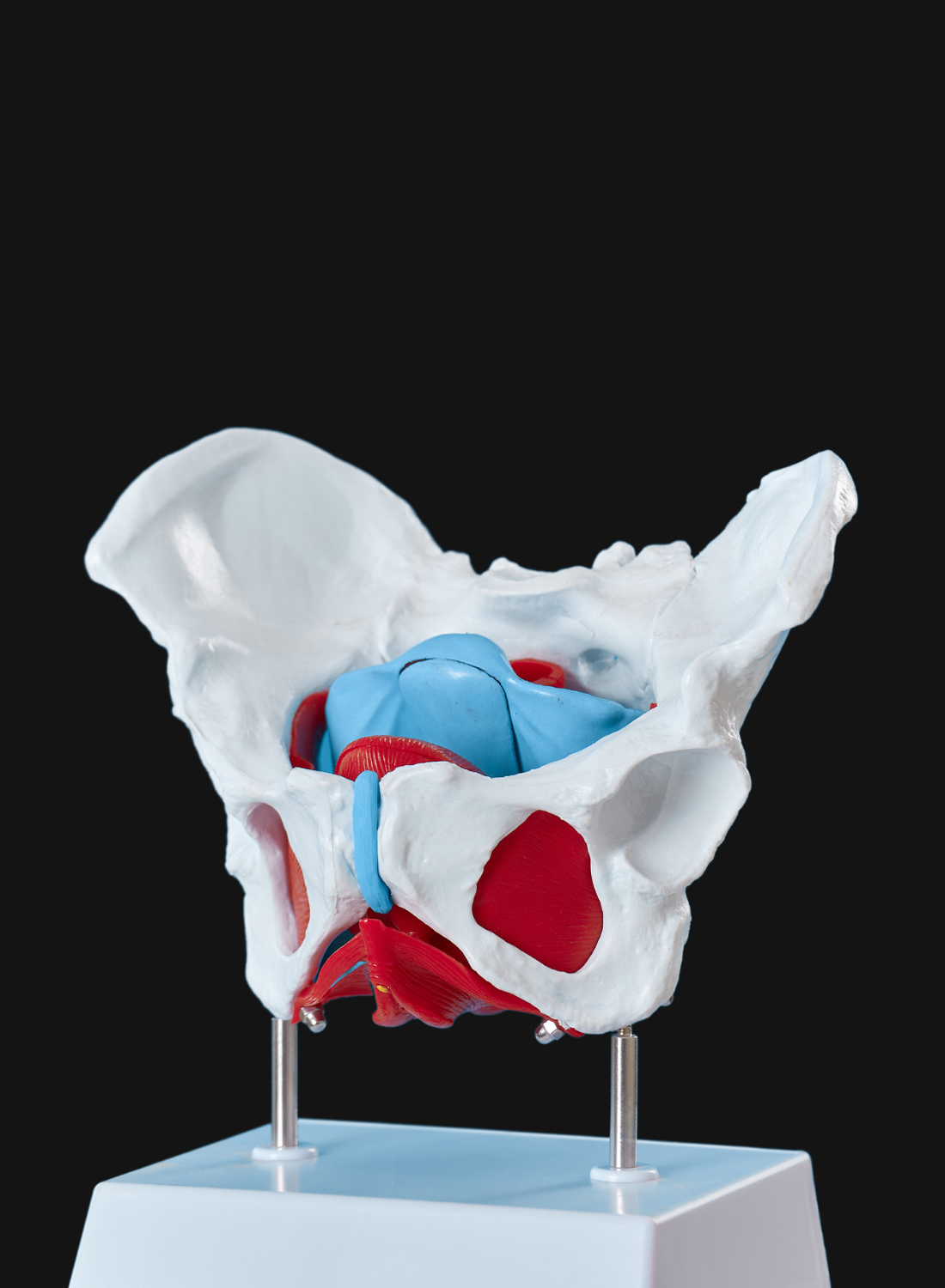
The pelvic floor muscles form a sling at the base of the pelvis. The pelvic floor is made up of several pelvic muscles, including the perineal muscles, which stretch from the pubic bone at the front to the sitting bones and tailbone at the back. They support:

  • The bladder and urethra
  • The rectum and anal sphincter
  • Sexual organs
  • Core stability and posture

Healthy pelvic floor muscles can contract, relax, and lengthen. Pelvic floor muscles work in coordination with the diaphragm and core muscles to support pelvic organs and maintain pelvic health. Problems arise when they lose this flexibility.

When these muscles stay tight:

  • Blood flow decreases
  • Nerves become irritated
  • Coordination with breathing and the core is disrupted

Pelvic Floor Physical Therapy

Pelvic floor physical therapy is the gold-standard treatment for tight pelvic floor dysfunction. Unlike general physical therapy, it focuses on the neuromuscular system of the pelvis.

A pelvic floor physical therapist may use:

  • Internal and external myofascial release
  • Breathing retraining
  • Postural correction
  • Nervous system down-regulation
  • Movement re-education

At Pelvis NYC, treatment plans are individualized and trauma-informed, focusing on restoring function—not just reducing symptoms.


Tight Pelvic

The term tight pelvic is often used by patients to describe a cluster of symptoms rather than a single diagnosis. Some may also refer to this as a tense pelvic floor, which can result from stress, muscle imbalances, or chronic tension.

Common complaints include:

  • Difficulty starting or fully emptying urine
  • Pain with sitting or exercise
  • Hip, low back, or tailbone pain
  • Pain during or after sex
  • Additional symptoms of a tense pelvic floor may include pelvic pain, lower back pain, hip pain, pain with urination, and difficulty starting a bowel movement.

Importantly, imaging tests often appear “normal,” which can delay proper diagnosis.

Erectile Dysfunction ED

A lesser-known contributor to erectile dysfunction (ED) is pelvic floor muscle tension.

In men, an overactive pelvic floor can:

  • Restrict blood flow to the penis
  • Compress nerves involved in arousal
  • Interfere with ejaculation

Painful ejaculation is the most common sexual problem for men with a tight pelvic floor, occurring in an estimated 39-58% of men with chronic prostatitis/chronic pelvic pain syndrome (CP/CPPS).

Kegel exercises are often recommended to strengthen pelvic floor muscles and improve sexual health, but should be used with caution in cases of muscle tension.

Studies in The British Journal of Urology International show that targeted pelvic floor physical therapy can significantly improve erectile function—especially when ED is not primarily vascular.

Pelvic Pain

Pelvic pain related to a tight pelvic floor can be sharp, aching, burning, or pressure-like. It may be constant or activity-dependent.

Common diagnoses linked to pelvic floor tension include:

Pain is not “all in your head.” Muscle tension and nervous system sensitization are real, measurable contributors.


Tight Pelvic Floor Muscles

Tight pelvic floor muscles often coexist with:

  • Jaw clenching
  • Shoulder tension
  • Shallow chest breathing

This pattern reflects a global stress response. Tense muscles throughout the body, including the pelvic floor, are often linked to chronic stress and anxiety, which can contribute to hypertonic pelvic floor muscles. The body learns to brace instead of release.

Key insight:

Tight muscles are often overworked, not strong.

Strengthening without relaxation can worsen symptoms.

Overactive Pelvic Floor Muscles

Overactive pelvic floor muscles fire when they shouldn’t—during urination, bowel movements, or penetration.

Symptoms may include:

  • Urinary urgency or frequency
  • Constipation or incomplete bowel movements
  • Bowel dysfunction, which may lead to chronic constipation and straining during bowel movements due to pelvic floor tension
  • Pain with tampons or exams
  • Pain after ejaculation

Clinical guidelines from the American Physical Therapy Association (APTA) recommend down-training and coordination before strengthening.


Overactive Pelvic Floor

An overactive pelvic floor is often driven by:

  • Chronic stress or anxiety
  • Past pelvic trauma or surgery
  • High-impact sports
  • Postural habits (constant core bracing)

This is why a whole-body approach matters. Treating only the pelvis ignores the root cause.


Pelvic Floor Problems

Pelvic floor problems exist on a spectrum. Tightness is one end; weakness is another. Many people fluctuate between both.

Misdiagnosis is common. For example:

  • Someone with urgency may be told they have a “weak bladder”
  • Someone with pain may be told tests are normal

A comprehensive pelvic floor exam changes everything.


Male Pelvic Floor

The male pelvic floor plays a crucial role in:

  • Urinary control
  • Sexual performance
  • Core strength

Pelvic floor muscles play a crucial role in sexual health. Sexual dysfunction in females can manifest as pain during intercourse, while in males it may lead to erectile dysfunction or pain during ejaculation.

Men are less likely to be referred to pelvic floor therapy, despite strong evidence supporting its effectiveness for pelvic pain and ED.

At Pelvis NYC, male pelvic health is treated with the same depth and expertise as female care.

Pelvic Floor Muscle Function

Optimal pelvic floor muscle function includes:

  1. Full relaxation
  2. Timely contraction
  3. Endurance when needed

Muscle relaxation is essential for pelvic floor health, as it allows the muscles to release tension and function optimally. Diaphragmatic breathing can help lengthen pelvic floor muscles so they remain strong and flexible.

When relaxation is missing, function suffers—even if strength is present.

This is why “just doing Kegels” is not a universal solution.


Muscle Tension

Chronic muscle tension, especially from tense pelvic floor muscles, alters pain perception. Tight muscles send constant signals to the nervous system, reinforcing pain loops. Chronic pain from an overactive pelvic floor can have a devastating impact on an individual’s psychological wellbeing.

Pelvic floor physical therapy works by:

  • Reducing muscle tone
  • Improving tissue mobility
  • Calming the nervous system

Over time, pain thresholds normalize.

Stretching Exercises

Targeted stretching exercises can support recovery—but only when prescribed correctly. Pelvic floor stretches and pelvic floor exercises, when performed correctly, can help relax and lengthen the muscles. Stretching exercises such as Happy Baby Pose and Child’s Pose are effective ways to relax pelvic floor muscles. Gentle movement and regular stretching can help relax tense pelvic floor muscles and ease discomfort. Relaxation exercises and relaxation techniques, such as deep belly breathing, yoga stretches like Child’s Pose, and mindfulness practices, are also helpful for managing a tight pelvic floor.

Helpful approaches often include:

  • Diaphragmatic breathing
  • Hip and pelvic mobility work
  • Gentle lengthening, not forcing

Generic stretching routines from social media may aggravate symptoms if timing and technique are wrong.

When to Seek Help

You should consult a pelvic floor specialist if you experience:

  • Persistent pelvic pain
  • Urinary or bowel dysfunction without clear cause
  • Sexual pain or dysfunction
  • Symptoms that worsen with stress

For the best pelvic floor care, consider consulting a pelvic floor physical therapist. They can evaluate your symptoms and determine the right exercise therapy plan tailored to your needs.

Early intervention leads to faster recovery.

Why Choose Pelvis NYC?

Pelvis NYC specializes exclusively in pelvic floor physical therapy. Their clinicians have advanced training in complex pelvic pain, overactive pelvic floor disorders, and sexual health conditions.

Patients benefit from:

  • One-on-one expert care
  • Evidence-based techniques
  • A supportive, judgment-free environment

👉 Book a consultation with Pelvis NYC to address tight pelvic floor symptoms at the source—not just manage them.


Frequently Asked Questions (FAQ)

What causes a tight pelvic floor?
Stress, trauma, posture, high-impact exercise, surgery, and chronic pain conditions are common contributors.

Can a tight pelvic floor go away on its own?
Mild cases may improve, but persistent symptoms usually require pelvic floor physical therapy.

Are Kegels bad for a tight pelvic floor?
Often yes. Strengthening without relaxation can worsen overactivity.

How long does pelvic floor physical therapy take?
Many patients notice improvement within 6–8 sessions, though complex cases may take longer.

Does a tight pelvic floor affect men and women differently?
Symptoms differ, but the underlying muscle dysfunction is similar.

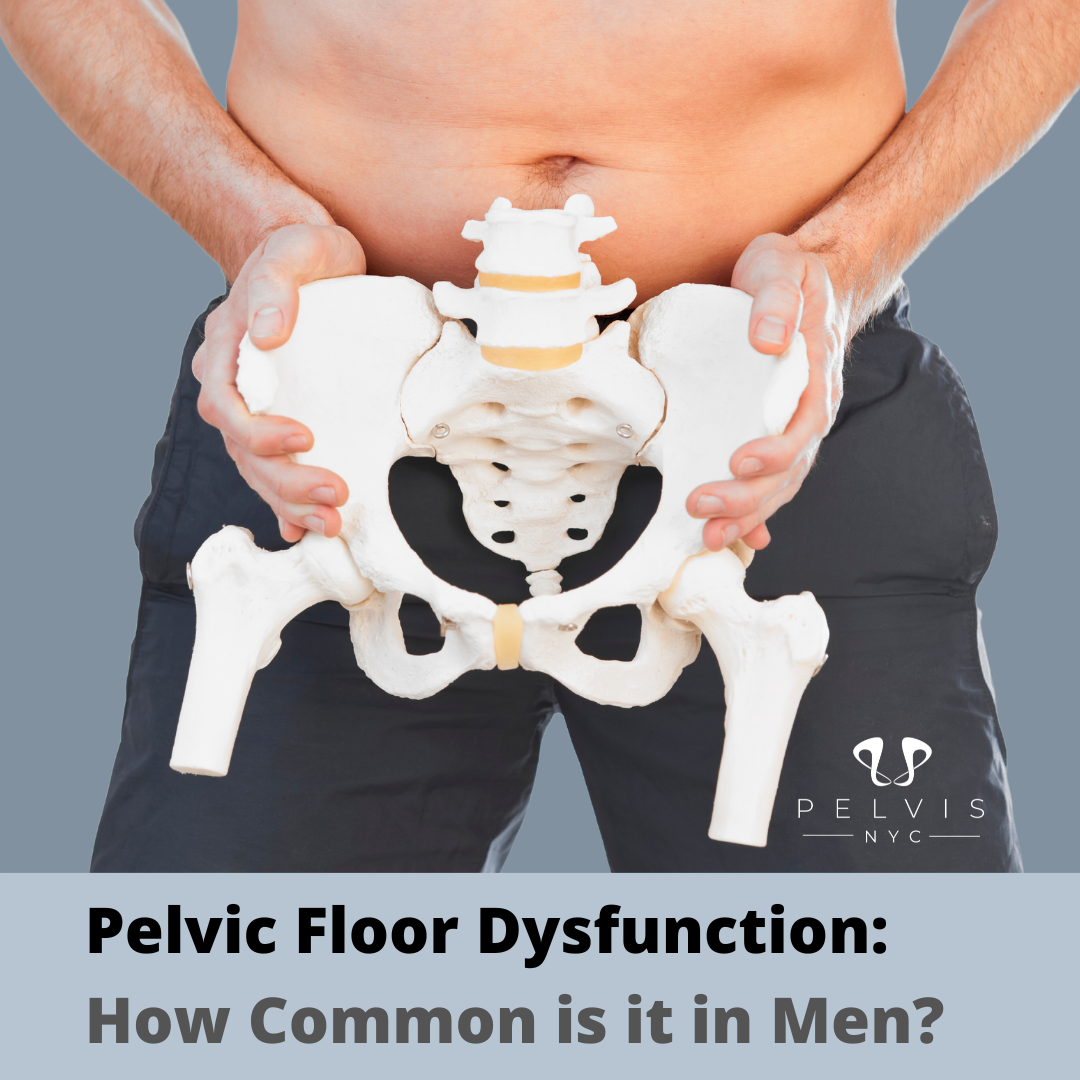
Pelvic Floor Dysfunction: How Common is it in Men?

Pelvic Floor Dysfunction: How Common is it in Men?

Pelvic floor dysfunction is a condition that I often see in men. It’s a condition that is not talked about, but it’s more common than you might think. This can cause a range of unpleasant symptoms, but the good news is that with the right treatment, many men can experience significant relief.

In this blog, we’ll explore pelvic floor dysfunction, the symptoms to look out for, and the most effective treatment options available.

What is Pelvic Floor Muscle Dysfunction?

If you have been experiencing urinary incontinence, chronic pelvic pain, or sexual dysfunction, you might be dealing with a common issue called pelvic floor dysfunction. Pelvic floor problems can affect the muscles, ligaments, and connective tissue in your pelvic area, leading to a range of symptoms that can impact your daily life.

Healthcare professionals diagnose pelvic floor dysfunction by assessing patients’ health history, and symptoms, and conducting physical examinations to evaluate muscle function.

Symptoms of Pelvic Floor Dysfunction

The symptoms of pelvic floor dysfunction can vary widely, but some of the most common include:

Urinary Incontinence: The involuntary leakage of urine, often occurring during activities like coughing, sneezing, or physical exertion, and sometimes as a result of an inability to control the urge to urinate.

Chronic Pelvic Pain: Persistent or recurrent pain in the pelvic region lasting six months or more, which can be associated with various conditions affecting the reproductive, urinary, or digestive systems.

Pain During Sexual Intercourse: Also known as dyspareunia, this refers to persistent or recurring pain experienced during or after sexual intercourse, which can result from physical or psychological factors.

Erectile Dysfunction: The inability to achieve or maintain an erection sufficient for satisfactory sexual performance, often due to physical, psychological, or lifestyle factors.

Painful Bowel Movements: Discomfort or pain experienced during the passage of stool, which can be caused by conditions like hemorrhoids, anal fissures, or pelvic floor dysfunction.

Constipation: A condition characterized by infrequent or difficult bowel movements, often accompanied by a feeling of incomplete evacuation, and can be caused by diet, dehydration, or underlying health issues.

Fecal Incontinence: The inability to control bowel movements, leading to involuntary leakage of stool, which can result from weakened pelvic floor muscles, nerve damage, or gastrointestinal disorders.

The anal sphincter plays a critical role in the process of defecation, and its proper functioning is essential for effective stool evacuation. Issues with the anal sphincter can lead to conditions like fecal incontinence.

Pelvic Floor Physical Therapy Treatment Options

Role of Physical Therapy in Pelvic Floor Dyfunction

If you’re finding yourself dealing with symptoms of pelvic floor issues, don’t worry. These symptoms can be tough to handle, but there are ways to manage them. As a physical therapist, I have helped many men overcome the discomfort and inconvenience that comes with this issue.

At Pelvis NYC, we take a personalized approach to treatment, recognizing that each patient’s situation is unique. We also offer a variety of effective treatment options to help you regain control and confidence. Here are some of the ways we can help:

  • Pelvic floor muscle strengthening exercises: Pelvic floor exercises use to help you improve the strength and endurance of your pelvic floor muscles. Furthermore, it can help improve bladder and bowel control, reduce pelvic pain, and enhance sexual function.
  • Pelvic floor physical therapy: This specialized form of therapy can improve muscle contraction and rectal sensation, aiding in the management of conditions like rectocele and anismus.
  • Biofeedback therapy: This technique uses specialized sensors to help you visualize and understand your body’s responses to certain exercises, making it easier to train your pelvic floor muscles effectively.
  • Manual therapy techniques: We use gentle manual techniques to help release tension and tightness in the pelvic floor muscles and then, reduce pain and promote healing.
  • Electrical stimulation: This therapy uses low-voltage electrical currents. This stimulates the pelvic floor muscles, helping them to contract and relax more effectively.
  • Relaxation techniques: Stress and tension can exacerbate symptoms of pelvic floor dysfunction. We offer relaxation techniques such as deep breathing and mindfulness to help you reduce stress and improve your overall well-being.

Conclusion:

If you’re experiencing symptoms of pelvic floor dysfunction, know that there are effective treatment options available. Strong pelvic muscles are essential for maintaining pelvic health and preventing conditions like pelvic organ prolapse and incontinence. Understanding pelvic floor disorders is crucial, as they can significantly impact quality of life. Don’t suffer alone – reach out to a qualified physical therapist today to get the help you need to feel your best.

If you have more questions, feel free to visit www.pelvis.nyc and get a FREE 15-minute teleconsultation. Our team is here to help you find relief and get back to doing the things you love.

Treatment for Pelvic Floor Dysfunction in Men: Your Complete Guide

Treatment for Pelvic Floor Dysfunction in Men

If you’re a man silently struggling with chronic pelvic pain, urinary problems, constipation, or sexual dysfunction, you’re not alone—and you’re not imagining things. These frustrating symptoms are often linked to pelvic floor dysfunction (PFD), a condition that affects the muscles deep within your pelvis. The good news? There’s effective, evidence-based help available. Treatment for pelvic floor dysfunction—especially through pelvic floor physical therapy—is helping more men finally get relief, restore confidence, and reclaim their quality of life.

What Is Pelvic Floor Dysfunction?

Your pelvic floor is a group of muscles at the base of your pelvis that support vital organs like your bladder, bowel, and prostate. These muscles play a critical role in urination, bowel movements, and sexual performance.

treatment for pelvic floor dysfunction

When those muscles are too tight, too weak, or not coordinating properly, you may experience pelvic floor dysfunction. In men, this often goes undiagnosed for years, as the symptoms are easily mistaken for other conditions—or dismissed altogether.

Common Symptoms of Pelvic Floor Dysfunction in Men

Knowing what to look for is the first step toward getting the right treatment for pelvic floor dysfunction. Symptoms may vary from person to person, but common signs include:

  • Pain or discomfort in the pelvis, perineum, lower abdomen, or genitals
  • Difficulty starting or stopping urination
  • Frequent urination or feeling like your bladder isn’t fully empty
  • Constipation, straining, or incomplete bowel movements
  • Erectile dysfunction or pain during ejaculation
  • Feeling of tightness, pressure, or heaviness in the pelvic region

If any of these sound familiar, it’s worth speaking to a pelvic health expert.

What Causes Pelvic Floor Dysfunction?

While the exact causes aren’t always clear, several factors may contribute to pelvic floor dysfunction in men, including:

  • Chronic constipation or excessive straining
  • Prostate surgery or pelvic trauma
  • Heavy lifting or poor body mechanics
  • Stress, anxiety, or trauma (which can cause muscle tension)
  • Aging and natural muscle weakening
  • Sports injuries or high-impact activities

Understanding the cause helps guide the best course of treatment for pelvic floor dysfunction, especially when it comes to restoring proper muscle function.

Pelvic Floor Muscle Dysfunction: Causes and Risk Factors

Men can develop pelvic floor muscle dysfunction from a variety of sources. Chronic constipation and straining are common contributors, along with physical trauma, prostate surgery, or high-impact sports. Emotional stress and anxiety can also lead to muscle tension in the pelvic area, exacerbating symptoms. Even poor posture or weak core muscles can contribute to long-term pelvic floor imbalance.

How Pelvic Floor Exercises Help

One of the most effective, non-invasive ways to treat PFD is through pelvic floor exercises. These include targeted movements designed to strengthen weak muscles and relax tight ones.

You might be guided through Kegel exercises (adapted for men), posture alignment, breathing coordination, and core-strengthening routines. Over time, these exercises improve muscle awareness, bladder and bowel control, and sexual function.

Nonsurgical Treatments for Pelvic Floor Dysfunction

Before considering surgery, many men find success with nonsurgical treatments. These can include pelvic floor physical therapy, manual therapy for muscle knots, biofeedback training, and pain management techniques. For some, cognitive or behavioral therapy may also be recommended to reduce anxiety-related muscle tension. Together, these approaches form the first line of treatment for pelvic floor dysfunction.

treatment for pelvic floor dysfunction

Lifestyle Changes to Support Recovery

Daily habits can significantly impact your pelvic health. Incorporating lifestyle changes such as staying hydrated, eating a fiber-rich diet, and avoiding straining during bowel movements can ease symptoms. Reducing heavy lifting, managing stress through mindfulness practices, and maintaining good posture also support pelvic muscle recovery.

Surgical Treatments: When Are They Necessary?

Doctors rarely recommend surgical treatments for pelvic floor dysfunction in men, but they may consider them in severe cases when non-invasive methods fail.

Surgical options may include:

  • Nerve release or decompression procedures
  • Correction of structural abnormalities
  • Treatment of severe pelvic organ prolapse (rare in men)

Surgery is typically a last resort, and most men improve significantly with nonsurgical treatments and therapy.

Floor Dysfunction Is Treatable—You’re Not Alone

Living with floor dysfunction can be frustrating and isolating—but it’s also highly treatable. The key is getting the right diagnosis and care from someone who understands male pelvic health.

Why Choose Pelvis NYC?

At Pelvis NYC, we specialize in treating men with pelvic floor dysfunction. Our lead therapist has not only studied this condition extensively but has personally experienced it—bringing empathy and expertise to your care.

We offer one-on-one therapy sessions in a private, respectful setting. Every treatment plan is tailored to your symptoms and lifestyle, with continued support throughout your recovery.

Get Started with a Free 15-Minute Teleconsultation

You don’t have to live with pelvic pain, urinary issues, or sexual dysfunction. Treatment for pelvic floor dysfunction is available—and it works.

Book your FREE 15-minute teleconsultation with Pelvis NYC today. We’re ready to listen, understand, and help you take the next step toward healing.

Weak Pelvic Floor: Do You Know The Signs?

signs of weak pelvic floor

WEAK PELVIC FLOOR is synonymous with a TIGHT PELVIC FLOOR. These words are common terms in the world of pelvic health but are usually misunderstood. To give everyone clarity, a weakened pelvic floor is a state of the pelvic floor muscles where your pelvic organs lack the support it needs to function normally. That may stop you from being able to control urine, feces, or gas. 

Symptoms of a WEAK/TIGHT PELVIC FLOOR MUSCLES

  • Leaking urine or flow of urine when coughing or sneezing
  • Passing wind/gas when bending or lifting
  • Reduced sensation in the sexual organ
  • Unable to control bowel movements or passing the stool
  • Pain in the tailbone (coccyx pain)
  • Sudden urge to pee (urinary urgency)
  • Unable to poop (constipation)
  • Painful sex (dyspareunia)

WHAT ARE THE COMMON CAUSES OF WEAK PELVIC FLOOR IN MEN?

Men’s pelvic floor can be weakened by:

  • Obesity (as defined by the World Health Organization, obesity is the abnormal or excessive fat accumulation that presents a risk to health.)
  • Type-A Personality ( People with Type A personalities are often high-achieving “workaholics” )
  • Chronic constipation (Constipation that lasts for several months)
  • Post-Op Prostate Recovery (People who underwent prostatectomy which is a surgery that removes part or all of the prostate gland)
  • Straining to urinate or defecate (An intense exertion to pass the urine or stool)
  • Minimal Ejaculation (Ejaculating little to no semen)

WHAT ARE THE COMPLICATIONS OF WEAK PELVIC FLOOR?

Have you tried riding a roller coaster and felt like your internal organs are shuffled? And it felt like there is a strong gravitational force pulling you down there? It may be a little exaggerated, but one of the major complications of a weak pelvic floor is PROLAPSE. Prolapse is the bulging or dropping of your rectum or bladder. It is more common in females but may occur in men as well.

Symptoms of PROLAPSE:

  • Pressure in the pelvic region
  • A feeling that something is falling out
  • Protrusion of the rectum or anus
  • Trapped stool or difficult bowel movements
  • Urine leakage and difficulty in urinating
  • Lower back pain

HOW TO REDUCE SYMPTOMS OF PELVIC FLOOR WEAKNESS?

If your pelvic floor muscles are weak, there are lifestyle changes and pelvic floor muscle training that can reduce the symptoms of pelvic floor weakness. It may include the following:

  • Pelvic Floor Physical Therapy –  Pelvic floor exercise (especially integrated with a strong core) can help with the symptoms of a weak or tightened pelvic floor. Your pelvic floor therapist can help strengthen the muscles of your pelvic floor and core. 
  • High-fiber diet
  • Water intake
  • Weight loss
  • Exercise/Movement
  • Yoga

WHERE TO GET HELP?

Having a weakened pelvic floor is not a medical emergency, but it is EMBARRASSING and UNCOMFORTABLE. Pelvis NYC is on a mission to help men get proper treatment and proper care. If any of the above signs and symptoms are bothering you, please consult your specialist. Or you can book a 15-minute teleconsultation totally FREE OF CHARGE. We are here to listen. We are here to help.

Other Related Blog:

PELVIC PAIN IN MEN: KNOW HOW CAN PELVIC FLOOR THERAPY SET YOU FREE