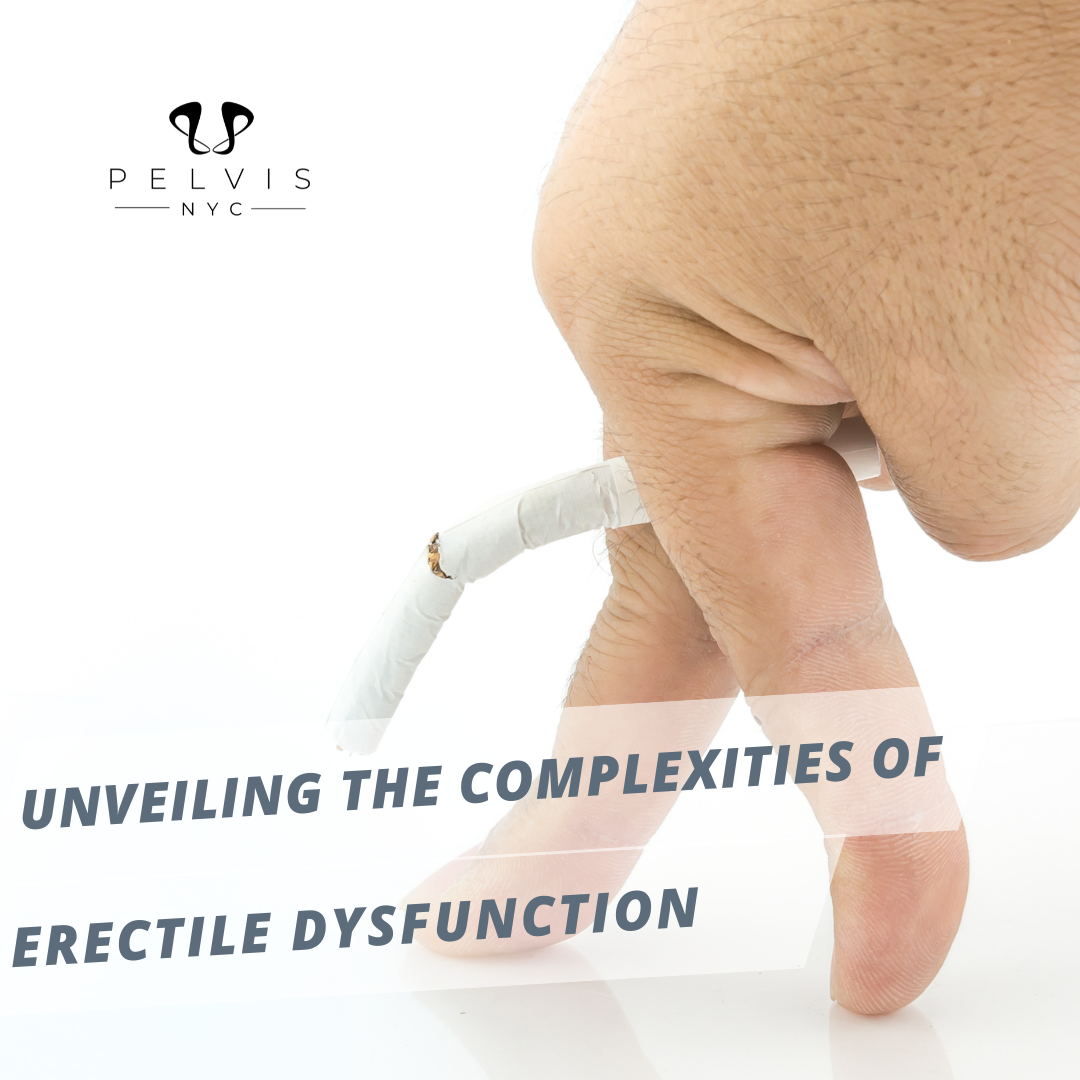
Hey there! Today, we’re going to dive deep into a topic that affects many men but isn’t always easy to talk about: Erectile Dysfunction (ED). So, grab a comfy seat, because we’re about to explore the ins and outs of ED in a way that’s easy to understand and sensitive to your needs.
What Exactly Is Erectile Dysfunction?
Let’s start with the basics: What is ED? Essentially, it’s when a guy has trouble getting or keeping an erection firm enough for satisfying sexual activity. It’s like when your favorite game won’t load properly; you know something’s not right, and it can be frustrating. The good news is that you’re not alone, and there’s help available.
What Causes Erectile Dysfunction?
There’s usually a reason behind everything, right? ED is no different. It can be caused by various factors, and sometimes it’s a combination of these.
Physical Factors: Picture this: Your blood vessels are like the highways that deliver blood to your, well, you know. If they’re clogged or damaged, it can affect your ability to get an erection. Also, nerve damage or hormonal imbalances can play a part too.
Psychological Factors: Your brain plays a crucial role in the whole process, thus, stress, anxiety, depression, and even relationship troubles can put a damper on your performance. It’s like trying to play your best game when your mind’s not in it.
Symptoms to Watch Out For
So, how do you know if you might be dealing with ED? Here are some signs to watch for:
Trouble Getting an Erection: Think of it as your character in a game struggling to equip the right gear – if it doesn’t work smoothly, it might be a sign.
Difficulty Keeping It Up: Just like maintaining your character’s health points, it can be tough to keep things going in the heat of the moment.
Reduced Sexual Desire: When you’re not even interested in starting the game, something might be up.
Remember, if this happens occasionally, it’s usually nothing to worry about. But if it’s a persistent issue, it’s time to seek help.
Treatment Options for Erectile Dysfunction
Now, the good news is that there are plenty of treatment options available. It’s like having a variety of power-ups at your disposal:
Lifestyle Changes: Think of this as upgrading your character’s skills. For instance, exercise, eating right, managing stress, and even physical therapy can help improve your sexual performance.
Medications: Ever heard of Viagra, Cialis, or Levitra? These are like potions that can help you regain your strength when you need it most.
Counseling: Sometimes, it’s not about the gear; it’s about strategy. Talking to a therapist can help you tackle the mental aspects of ED, like stress and anxiety.
Physical Therapy: Just like how you’d train your character in a game to level up, physical therapy can target specific muscle groups and improve blood flow, which can contribute to better erections.
Remember, there’s no need to suffer in silence. Erectile Dysfunction is a common issue, and there are solutions out there. Reach out to a healthcare professional or a physical therapist for help and guidance. Your sexual health matters and there’s no shame in seeking support.
More questions? Visit www.pelvis.nyc and book a FREE 15-minute teleconsultation.
Hey there, guys! It’s great to have you back as we continue our journey into the world of men’s sexual health. Further, we’re getting down to the nitty-gritty, discussing techniques and strategies to boost men’s sexual vitality and enhance intimacy. So, sit back, relax, and let’s dive into this personal and essential topic.
1. Stay Physically Active
As a physical therapist, I can’t stress this enough: regular physical activity is crucial. Exercise improves blood flow, boosts testosterone levels, and helps maintain a healthy weight. Additionally, it releases endorphins, reducing stress and anxiety, which can positively impact your performance in the bedroom.
2. Kegel Exercisesto Boost Men’s Sexual Wellness
Don’t underestimate the power of your pelvic muscles. Kegel exercises strengthen these muscles, potentially improving erectile function and helping with premature ejaculation. Surprisingly, just like any other muscle group, they need regular workouts too.
3. Balanced Diet
In truth, what you eat can directly affect your sexual health. So incorporating a balanced diet rich in fruits, vegetables, lean proteins, and whole grains. Foods like watermelon, dark chocolate, and almonds are believed to have aphrodisiac properties.
4. Manage Stress
You can experience wreak havoc on your sexual health due to stress. Because of that practicing relaxation techniques like deep breathing, meditation, or yoga to keep stress levels in check. A relaxed mind can lead to more satisfying intimate moments.
5. Prioritizing Sleepcan Boost Men’s Sexual Wellness
A good night’s sleep is essential for overall well-being, including sexual health. Aim for 7-9 hours of quality sleep each night to ensure you’re well-rested and ready for action when the time comes.
6. Communication is Key
Intimacy isn’t just about physicality; it’s also about emotional connection. Talk openly with your partner about your desires, boundaries, and fantasies. Healthy communication can lead to a deeper and more fulfilling sexual relationship.
7. Seek Professional HelptoBoost Men’s Sexual Wellness
If you’re facing persistent sexual health issues, don’t hesitate to seek professional help. Without a doubt, therapists, urologists, or sexual health specialists can provide tailored guidance and treatments.
8. Experiment and Explore
Don’t be afraid to try new things in the bedroom. Not, experimentation can reignite the spark in your relationship and enhance your sexual experiences. Discuss fantasies and desires with your partner and explore them together.
Conclusion:
Enhancing men’s sexual health and intimacy is an ongoing journey that combines physical, emotional, and relational aspects. Remember, there’s no one-size-fits-all solution, and what works for one person may not work for another. Be patient with yourself, stay connected with your partner, and prioritize your overall well-being. If you also want to know if Jelqing works for penis enlargement, click the link now.
With these techniques and strategies in your toolkit, you’re well on your way to a healthier and more satisfying sex life. For assistance, don’t hesitate to ask for help with us. You may visit www.pelvis.nyc to book an appointment.
Welcome back, my fellow men! In our previous discussions, we’ve covered myths and misconceptions about men’s sexual health and delved into male sexual dysfunction, its causes, and potential solutions. Now, it’s time to dive even deeper and explore the intricacies of male sexual vitality. So, grab a seat, and let’s embark on this journey together.
The Multifaceted Nature of Male Sexual Vitality
Male sexual health is far more complex than just achieving and maintaining an erection. It encompasses various aspects that contribute to your overall well-being and satisfaction in the bedroom.
1. Emotional Connection and Intimacy
One often overlooked aspect of male sexual health is the emotional connection between partners. So, building trust, expressing vulnerability, and nurturing a deep emotional bond can enhance the quality of your intimate relationships. Remember, it’s not just about physicality; it’s about the connection you share with your partner.
2. Communication
Effective communication is a cornerstone of a fulfilling sex life. Discussing your desires, boundaries, and consent with your partner promotes a safe and satisfying experience for both parties. So don’t be afraid to talk openly – it’s a sign of strength, not weakness.
3. Sexual Educationfor Male Sexual Vitality
Being informed about sexual health is empowering. Educate yourself about anatomy, sexual health issues, and safe practices. Knowledge is not only a confidence booster but also a way to prevent misunderstandings and misconceptions.
4. Performance Anxiety
Performance anxiety can affect men of all ages. In fact, learning stress management and relaxation techniques can help you overcome this hurdle. Remember, it’s okay to seek professional help if anxiety becomes a persistent issue.
5. Aging and Sexual Health
As we age, our bodies change, and so do our sexual needs. Embracing these changes and adapting to them is crucial. Above all, consulting with healthcare professionals to address age-related concerns and explore new ways to maintain a satisfying sex life.
6. Relationship Dynamics
The dynamics within your relationship can directly impact your sexual health. Addressing conflicts, nurturing emotional connections, and working together with your partner can lead to a more fulfilling and satisfying sex life.
Conclusion on Male Sexual Vitality:
Male sexual health is a multifaceted journey that goes beyond the physical aspects of performance. Surprisingly, it encompasses emotional connections, communication, education, and adapting to life’s changes. Embracing these facets can lead to a richer and more satisfying sex life.
Remember, you’re not alone on this journey. Seek support and guidance when needed, whether it’s from healthcare professionals or therapists. Book a schedule with us to keep the conversation going and help you prioritize your sexual well-being as a vital part of your overall health and happiness.
In our next discussion, we’ll explore specific techniques and strategies to enhance your sexual health and intimacy. Until then, stay informed, stay connected, and embrace the beauty of your sexual journey.
In our previous discussion, we tackled some common myths and misconceptions about men’s sexual health. Today, we’re going to dive deeper into a crucial topic: male sexual dysfunction. It’s a topic often surrounded by silence and stigma, but it’s essential to shed light on it. As your virtual physical therapist and fellow guy, let’s explore the causes and solutions for this common issue.
Definition of Male Sexual Dysfunction?
First things first, what is male sexual dysfunction? Simply put, it’s a condition where a man has difficulty achieving or maintaining an erection, ejaculating too quickly (premature ejaculation), or experiencing a decreased desire for sexual activity. It’s more common than you might think and can happen to men of all ages.
Causes of Male Sexual Dysfunction
Understanding the root causes is crucial. Male sexual dysfunction can result from various factors:
Physical Causes: These include chronic illnesses like diabetes or heart disease, hormonal imbalances, obesity, and even the side effects of certain medications.
Psychological Factors: Stress, anxiety, depression, and relationship issues can significantly impact sexual performance and desire.
Medical Conditions: Conditions affecting the blood flow to the penis, such as atherosclerosis, can lead to erectile dysfunction.
Solutions and Treatment Options
Now that we’ve explored the causes, let’s talk about solutions and treatment options. Remember, you’re not alone, and there are steps you can take to address male sexual dysfunction:
Medical Evaluation: If you’re experiencing persistent issues, consult a healthcare professional. They can help pinpoint the cause and recommend appropriate treatments.
Medications: While medications like Viagra or Cialis may be prescribed to help with erectile dysfunction, these should be used under medical supervision.
Therapy: Psychological factors often play a significant role. Therapy or counseling can be highly effective in addressing performance anxiety and relationship issues.
Lifestyle Changes: Maintaining a healthy lifestyle can make a big difference. In fact, regular exercise, a balanced diet, and managing stress can all contribute to better sexual health.
Communication: Don’t underestimate the power of open communication with your partner. Discussing your concerns, needs, and desires can strengthen your relationship and improve your overall sexual experience.
Physical Therapy: Don’t forget about the power of physical therapy! Pelvic floor exercises and other therapeutic techniques can help improve blood flow and muscle function in the pelvic area, as well as aid in treating sexual dysfunction.
Conclusion and Where to Ask for Help:
Male sexual dysfunction is a common issue that affects many men, and there’s no need to suffer in silence. Understanding the causes and exploring treatment options can lead to a more satisfying and fulfilling sex life. Also, remember that it’s essential to consult with a healthcare professional for personalized guidance. For inquiries, go to our website and get a FREE 15-minute teleconsultation.
In our next discussion, we’ll delve even deeper into specific aspects of male sexual health. Until then, keep the conversation going and prioritize your well-being. After all, a happy, healthy sex life is an important part of a fulfilling life.
It’s high time for an open discussion about men’s sexual health. You’ve likely come across a multitude of rumors, myths, and casual locker room conversations on this subject. Today, I aim to dispel these misconceptions. As both an experienced physical therapist and an everyday individual, I’m here to provide you with a comprehensive understanding of what’s fact and what’s pure fiction.
Myth #1: Size Isn’t Everything
Let’s begin with a substantial topic – pun intended! Many men fixate on the size of their genitalia, assuming that bigger is unequivocally better. However, the reality is quite different. Size is not the sole determinant of sexual satisfaction. What genuinely matters is how you utilize what you’ve been endowed with and the emotional connection you foster with your partner. So, confidence and effective communication are paramount.
Myth #2: The Focus on Stamina
We’ve all heard anecdotes of marathon bedroom performances, but in reality, stamina doesn’t reign supreme. Erectile dysfunction and premature ejaculation are prevalent concerns, and they are not issues that can be an embarrassment. Stress and anxiety can play significant roles here, and it’s crucial to seek help since solutions are often readily available.
Myth #3: Foreplay is Vital for All
Some men believe they can bypass the warm-up and dive directly into the main event. But the truth is that foreplay isn’t gender-specific. Men can derive immense satisfaction from it as well. Also, it can build anticipation, deepen intimacy, and lead to a more gratifying sexual experience for both partners. So, take your time and relish the journey; there’s no need to rush.
Myth #4: Porn vs. Reality
We’ve all indulged in adult content at some point, and while it can be captivating, remember that it doesn’t accurately depict real-life intimacy. The actors and scenarios are scripted, and what you witness on screen may not align with your own bedroom experiences. Genuine relationships thrive on communication, trust, and mutual consent.
Myth #5: Breaking the Silence on Men’s Sexual Health
Gentlemen, it’s high time we broke the silence! Engaging in conversations about your sexual health, concerns, and desires with your partner and healthcare provider is imperative. It’s not a sign of vulnerability; however, a mark of maturity and responsibility. Opening up can lead to better understanding and more fulfilling experiences.
Myth #6: Beyond Physical Health
Your sexual health isn’t solely reliant on your physical well-being; it’s intricately linked to your mental and emotional states. Stress, anxiety, and diminished self-esteem can all impact your performance and satisfaction. Seeking support from a therapist or counselor can be transformative.
In Conclusion: Prioritizing Men’s Sexual Health
So, there you have it, gentlemen! The myths and misconceptions surrounding men’s sexual health have been unequivocally debunked. Remember, it’s imperative to emphasize open communication, emotional connection, and mutual respect in your intimate relationships. And when concerns arise, don’t hesitate to reach out to Pelvis NYC, your trusted partner in men’s sexual health. Your well-being matters, and it’s time to wholeheartedly embrace it.
Join the Conversation on Men’s Sexual Health: Break the Silence
Let’s propel the discourse forward and dismantle the barriers of silence surrounding men’s sexual health. Your health, your happiness, and your satisfaction are worth every conversation. Explore more about men’s sexual health today!
We’re back to continue our chat about gut health – this time focusing on the power moves you can make for gastrointestinal disorders management. I’m still your friendly neighborhood Physical Therapist, and I’m ready to share some strategies that’ll help you and your belly become the ultimate tag team. So, grab a cozy seat, because we’re about to drop some wisdom on gut management!
Unleash the Gut Power: Strategies for Gastrointestinal Disorders Management
Mindful Munching for the Win
Picture this: You’re sitting down to eat, and your gut is doing a happy dance. That’s what mindful eating can do for you. Slow down, savor your food, and give your gut time to process. When you rush through meals, it’s like asking your gut to dance a fast-paced salsa without practice. So, chew your food well, and let your stomach enjoy the rhythm of digestion.
Fiber- The Gut’s Best Friend
If your gut could talk, it would shout, “Give me fiber!” Foods like whole grains, fruits, and veggies are like the VIPs of your gut party. They help keep things moving smoothly and prevent the dreaded constipation blues. It’s like giving your gut a high-five every time you choose foods rich in fiber.
Hydration Station
Here’s a secret: Water is the backstage pass to gut success. Staying hydrated helps your digestive system work like a well-oiled machine. It keeps things flowing and prevents discomfort. So, raise your water bottle and give your gut the hydration it craves.
Stress Showdown
Hey, we get it – life can be stressful. But guess what? Stress can throw a wrench in your gut’s groove. Add relaxation techniques like deep breathing, yoga, or even taking a leisurely walk to your gastrointestinal disorders management. When your stress levels hit the dance floor, let your gut lead the way to calmness.
Buddy Up with Probiotics
Probiotics are like the cool DJs at your gut party. They introduce friendly bacteria that help keep your digestive system in harmony. You can find probiotics in foods like yogurt, kefir, sauerkraut, and kimchi. They’re like your gut’s BFFs, ensuring the party stays fun and trouble-free.
Move, Move, Move
Your gut loves a good workout just as much as your muscles do. Regular exercise like pelvic floor exercise keeps things moving in your digestive tract, preventing sluggishness and discomfort. So, lace up those sneakers and get your gut grooving with you!
Consult the Gut Experts
Sometimes, you need a little expert advice. If your gut is doing a dance you can’t quite follow, don’t hesitate to consult healthcare professionals. They’re like the choreographers who can guide you through the steps of gut management tailored to your needs.
Small Changes, Big Impact
Here’s the deal – managing gastrointestinal disorders doesn’t mean you have to overhaul your entire life. Small tweaks can lead to big improvements. Whether it’s choosing a fiber-packed snack or taking a mindful moment, these little changes add up to a happier, healthier gut.
Conclusion About Gastrointestinal Management
There you have it – a handful of strategies for gastrointestinal disorders management to empower your gut. Remember, you and your belly are a team, and with these moves, you’re well on your way to a smoother, more harmonious dance. So, go ahead, unleash your gut power, and let the good vibes flow!
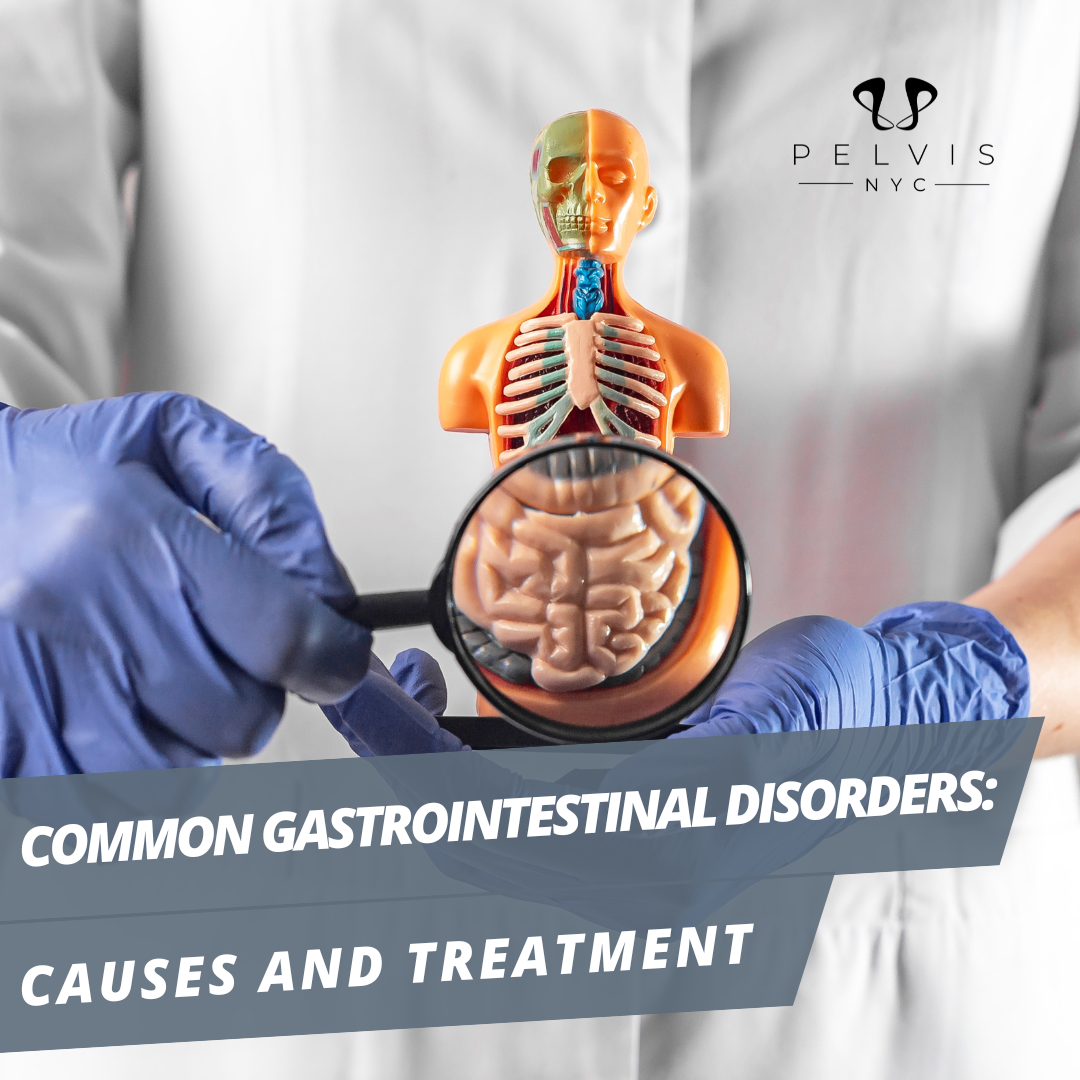
Hey there, folks! If you’ve ever experienced tummy troubles, you’re not alone. We’re diving into the world of gastrointestinal disorders – those pesky problems that can sometimes make your belly feel like it’s doing the Macarena. I’m your friendly neighborhood Physical Therapist, and I’m here to break down the what, why, and how of common gastrointestinal disorders. So, grab your favorite comfy chair, and let’s chat guts!
What Are Common Gastrointestinal Disorders?
Picture this: Your digestive system is like a fancy machine that turns food into energy. But sometimes, that machine hits a bump in the road. That’s where gastrointestinal disorders come in. These are like the hiccups in the system that can cause all sorts of discomfort. We’re talking about things like irritable bowel syndrome (IBS), acid reflux, bloating, constipation, and diarrhea. Yep, your gut has its own way of throwing a party!
Causes and Culprits
Now, let’s talk about what’s behind these funky dances in your stomach. For IBS, stress and certain foods can be the DJ. Acid reflux might be triggered by that late-night spicy snack or that extra-large soda. Bloating could be your gut’s way of saying it’s not a fan of too much gas-producing food. And when it comes to constipation and diarrhea, diet and hydration play starring roles. It’s like a big, complex puzzle, where each piece matters.
Treatment for Gastrointestinal Disorders
So, what’s the game plan when your belly starts dancing the cha-cha you didn’t sign up for? For starters, listen to your body. If a certain food makes your stomach go “no thanks,” consider cutting back. Eating smaller, frequent meals instead of huge feasts can also be a smart move. And don’t forget to stay hydrated – water is like a backstage pass to a smoother digestion show. Oh, and remember, exercise isn’t just for your muscles; it can help your gut stay groovy too!
Getting Real with Reliable Sources
Now, I’m not just here to chat about bellies; I’m here with some solid info. I’ve been digging into the treasure trove of medical knowledge, so you can trust what I’m dishing out. You see, it’s all about combining the wisdom of medical pros with real-life experience.
Conclusion
So, there you have it – a crash course in understanding common gastrointestinal disorders. Your gut’s got its own rhythm, and sometimes, it might need a little tune-up. Remember, it’s all about figuring out what works for your unique body. And if things get too complicated, don’t hesitate to reach out to us at www.pelvis.nyc. Stay groovy, stay comfy, and keep on rocking that belly dance of life!
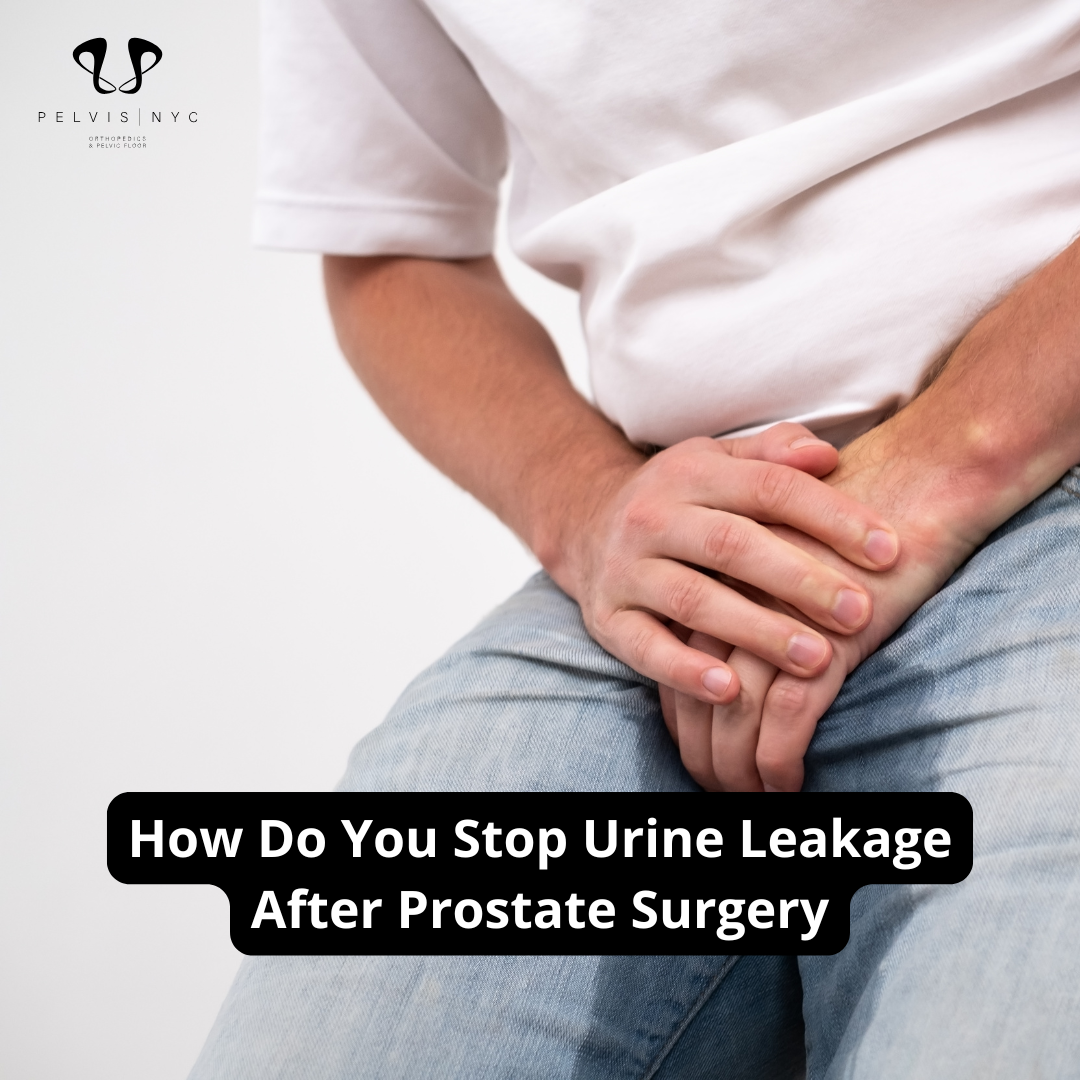
Surgeons often perform prostate surgery—most commonly a prostatectomy, including radical prostatectomy or removal of the prostate gland—to treat conditions like prostate cancer or benign prostatic hyperplasia (BPH), a non-cancerous enlargement of the prostate. Doctors typically recommend this surgery for men over the age of 50, especially those diagnosed with localized prostate cancer or experiencing severe urinary symptoms from BPH that haven’t improved with medication. While prostate surgery can be life-saving or significantly improve quality of life, it often comes with side effects—one of the most common being urine leakage after prostate surgery, also known as urinary incontinence or post-prostatectomy incontinence (PPI). Prostate surgery can cause urinary incontinence by damaging the urinary sphincter or pelvic floor muscles. Stress incontinence, urge incontinence, and mixed incontinence are common types of urinary incontinence after prostate surgery. The severity of urinary incontinence can vary, ranging from mild to severe, and can impact a man’s quality of life. Urine leakage after prostate surgery can be temporary or long-term, depending on the individual case and treatment options.
This can be both physically and emotionally challenging, affecting daily routines, social life, and confidence. The good news? You don’t have to simply “live with it.” Pelvic floor physical therapy, offered by trained specialists, is a highly effective and evidence-based approach to helping men regain control and return to the activities they love—leak-free.
Why Does Urine Leakage Happen After Prostate Surgery?
Urine leakage after prostate surgery is a common side effect—particularly after a radical prostatectomy, which involves the complete removal of the prostate gland. To understand why this happens, it’s important to know the prostate’s role in urinary function. The prostate sits just below the bladder and surrounds the urethra, the tube that carries urine out of the body. It helps regulate the flow of urine and contributes to the closure of the urinary sphincter. When the prostate is removed, this natural support system is disrupted, affecting the bladder’s ability to retain urine properly.
After surgery, many men experience post-prostatectomy incontinence (PPI). This typically falls into one or more of the following types:
Stress incontinence, where urine leaks during physical activity, coughing, sneezing, or lifting—movements that put pressure on the bladder.
Urge incontinence, which involves a sudden, intense urge to urinate followed by involuntary leakage before reaching a restroom.
Overflow incontinence, less common, where the bladder doesn’t empty completely and dribbles urine afterward.
These forms of urine leakage after prostate surgery occur largely due to the nerve and muscle disruption caused by the procedure. Even with nerve-sparing techniques, the delicate pelvic floor muscles and urinary sphincter can be weakened, making it harder to control the flow of urine. While this can be incredibly frustrating and impact a man’s confidence and quality of life, the condition is treatable—and recovery is possible with the right support, including pelvic floor physical therapy.
Timeline: What’s Normal and When to Seek Help
Experiencing urine leakage after prostate surgery is very common—especially in the first few weeks during the initial recovery phase. As the body heals, it’s normal to notice stress incontinence (leakage with movement, coughing, or sneezing) or occasional urge incontinence. These symptoms are often temporary and gradually improve as swelling subsides and pelvic floor muscles begin to regain function.
For most men, significant improvement occurs within 6 to 12 months, especially with consistent rehabilitation and lifestyle adjustments. However, if urine leakage after prostate surgery persists beyond 3 months—especially if frequent, unpredictable, or impacting your life—it’s time to seek help from a pelvic floor physical therapist. Early intervention can significantly improve recovery time and outcomes.
How Pelvic Floor Physical Therapy Helps
If you’re experiencing urine leakage after prostate surgery, you’re not alone—and you have options. One of the most effective, non-invasive ways to manage and overcome this issue is through pelvic floor physical therapy.
Pelvic floor therapy focuses on the muscles, nerves, and connective tissues that support the bladder, rectum, and urethra. These pelvic floor muscles are often weakened after surgery. Whether you’re dealing with stress incontinence, urge incontinence, or more persistent symptoms, a skilled pelvic floor physical therapist can help retrain your body.
At clinics like Pelvis NYC, licensed therapists create individualized plans to address urine leakage after prostate surgery. Your plan may include:
Strengthening exercises for pelvic floor muscles
Bladder control techniques
Behavioral retraining strategies
Education on proper movement and posture
Guidance on doing Kegels correctly
This proactive approach is essential in addressing even severe urine leakage after prostate surgery. Many men experience a significant reduction—or even complete resolution—of symptoms through therapy alone.
What to Expect in Pelvic Floor Physical Therapy
If you’re unsure where to begin with urine leakage after prostate surgery, pelvic floor physical therapy offers a structured and supportive solution.
Your first session will include an evaluation of your posture, breathing, core strength, and pelvic floor muscle control. Therapists may use internal or external techniques (always with your consent) to assess muscle tone and function.
Treatment may include:
Biofeedback to improve muscle coordination
Electrical stimulation (if needed)
Targeted exercises tailored to your condition
A common misconception is that Kegels alone will fix the issue. In reality, without proper guidance, men often do them incorrectly. A trained pelvic floor therapist ensures you’re working the correct muscles with the right technique.
Whether your urine leakage after prostate surgery is mild or more persistent, physical therapy can help you regain control and confidence.
Lifestyle Tips to Support Recovery
In addition to therapy, your lifestyle habits play a vital role in improving urine leakage after prostate surgery. Here are some tips:
Bladder Training Gradually increase the time between bathroom visits to help reduce urgency and improve bladder capacity.
Hydration Management Don’t restrict fluids too much. Dehydration can worsen symptoms and irritate the bladder.
Avoid Bladder Irritants Limit caffeine, alcohol, citrus, spicy foods, and artificial sweeteners if they trigger symptoms.
Prevent Constipation Straining during bowel movements adds pressure to the pelvic floor. A high-fiber diet and adequate hydration can help.
Combining these strategies with therapy creates a strong foundation for managing urine leakage after prostate surgery.
When Surgery or Medication May Be Considered
If conservative treatments haven’t resolved urine leakage after prostate surgery after 6 to 12 months, surgical or medical interventions may be needed. Options include:
Artificial Urinary Sphincter (AUS) Ideal for severe incontinence, this device restores sphincter control.
Male Slings Suitable for mild to moderate stress incontinence, slings support the urethra.
Bulking Agents Minimally invasive injections that help close the urethra more tightly.
These options should be discussed with a healthcare provider to determine the best path forward.
Final Thoughts
Urine leakage after prostate surgery is common—but it is also highly treatable. Whether you’re facing stress incontinence, urge incontinence, or both, help is available.
Pelvic floor physical therapy, combined with lifestyle changes and, if necessary, medical interventions, can significantly improve or completely resolve symptoms. Don’t wait—early treatment leads to better outcomes.
Role of Pelvis NYC
Pelvis NYC is a leading clinic specializing in non-surgical care for urine leakage after prostate surgery. With experienced therapists and personalized treatment plans, the clinic helps men regain bladder control and confidence.
Whether you’re newly post-op or months into your recovery, Pelvis NYC offers evidence-based support tailored to your needs.
Call to Action: Take the First Step Today
If you’re ready to address urine leakage after prostate surgery, book a consultation at Pelvis NYC. Our team will guide you through every step of your recovery with expertise and compassion.
If you’re dealing with testicular discomfort, I’m here to help you find the lasting relief you deserve. As a Physical Therapist who’s seen it all, I know how frustrating and uncomfortable this kind of pain can be. But fear not – we’re exploring into the world of testicular pain relief. So, let’s roll up our sleeves and get started!
Why the Boys Hurt?
Alright, let’s talk about why your boys might be causing such a ruckus. Testicular pain can stem from various sources, like testicular torsion (a fancy term for twisted balls), epididymitis (inflammation in the coiled tube at the back of your testicles), or even muscle strains down there. No matter the cause, it’s essential to identify it right to give you the right relief strategy.
Quick Fixes You Might Have Tried and Why They Didn’t Work)
I get it – when it hurts, you want a quick fix. You’ve probably Googled some slang terms like “aching nuts remedies” or “balls-hurting solutions.” While those might lead to some DIY hacks, they might not be the lasting relief you’re searching for.
Ice packs and painkillers? Yep, they can take the edge off temporarily, but we’re here for more than a temporary fix. And let’s not forget the classic “walk it off” approach – sometimes it works, sometimes it doesn’t.
Strategies for Lasting Relief for Testicular Pain
Now, let’s dig into the real deal – strategies that can give you lasting relief. These are not just quick fixes; they’re the real MVPs in the game of banishing testicular pain.
1. Professional Insight Matters
Listen up – your family jewels are precious. If the pain’s becoming a regular visitor, it’s time to chat with a healthcare pro. A physical therapist, especially one who specializes in men’s health, can diagnose the issue and design a personalized game plan.
Remember that scene in a superhero movie when they warm up before a fight? Yeah, you’re the superhero here, and warm-ups are your secret weapon. Gentle stretches for your hip flexors and groin muscles can ease tension and might just be the relief you’ve been waiting for.
3. Pelvic Floor Exercises
You might have heard these being thrown around – “Kegels” or “pelvic floor exercises.” They’re not just for postpartum ladies; they’re for you too. Strengthening these muscles can ease discomfort and help prevent future pain episodes.
4. The Big Picture: Lifestyle Changes
Healthy habits, my friend – they’re the foundation for lasting relief. Staying hydrated, eating well, and managing stress are all pieces of the puzzle. Don’t underestimate their power to keep your boys in check.
Wrapping Up the Quests of Relief for Testicular Pain
Guys, I’m not here to sugarcoat it – testicular pain isn’t a walk in the park. But remember, you’re not alone. There are solutions beyond those old wives’ tales and temporary fixes.
Let’s keep it real: seek the guidance of a healthcare expert, embrace movement and exercises, and adopt a lifestyle that’s all about well-being. Your boys deserve the best care, and you deserve to live pain-free.
Remember, I’m not just your Physical Therapist today – I’m your fellow guy who wants you to enjoy life without those pesky aches down there. Now, go to our website, and let’s help you take care of your business – your boys will thank you!
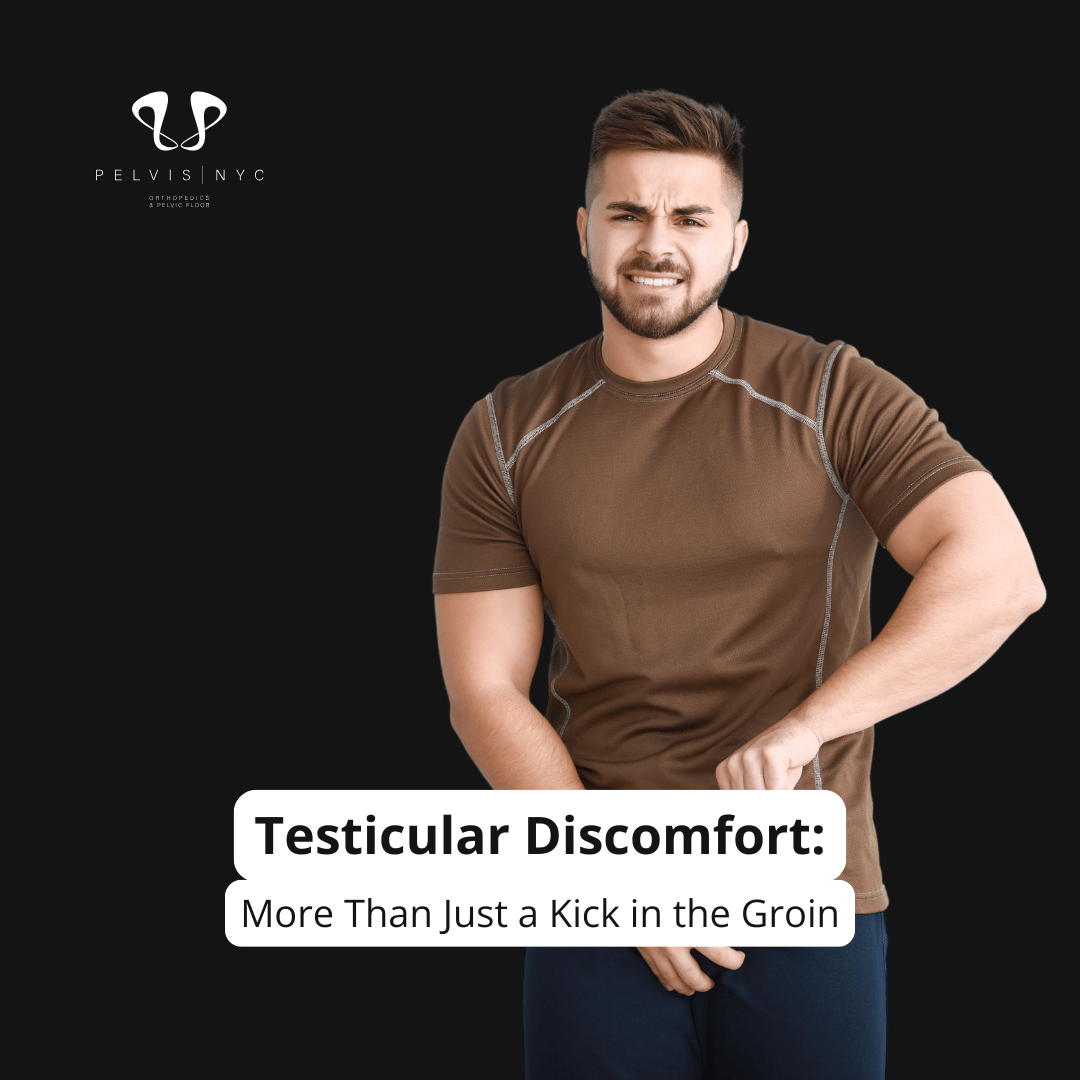
Testicular discomfort is more than just an occasional annoyance or an unfortunate accident during sports—it can be a symptom of various underlying conditions that require attention. The testicles are very sensitive organs, which is why even minor issues can lead to significant discomfort. Participating in contact sports can increase the risk of testicular discomfort due to trauma or injury.
Whether you’re experiencing mild soreness or chronic pain that disrupts daily life, understanding the root causes and treatment options is essential for your health and peace of mind, as some causes of testicular discomfort require immediate medical attention and professional medical care.
What Is Testicular Pain?
Testicular pain refers to discomfort, soreness, or aching in one or both testicles. Pain in the testicles can have various causes and presentations, ranging from mild to severe, and may require prompt medical attention depending on the underlying condition. Scrotal pain is another term used to describe discomfort in the scrotal area. It may be acute (sudden and short-lived) or chronic (lasting more than three months). The pain can range from mild sensitivity to sharp, stabbing sensations, burning sensations (especially in cases of nerve-related pain), and it may radiate to the groin, lower abdomen, or even the back.
Common Symptoms Include:
Dull ache or heaviness in the scrotum
Sharp, localized pain
Swelling or redness
Pain during urination or ejaculation
Fever or chills (indicating infection)
Nausea or abdominal pain
Ignoring these signs could delay the diagnosis of potentially serious conditions. Let’s explore what might be causing them.
Common Causes of Testicle Pain
Understanding what causes testicular discomfort is the first step to finding relief. Several factors may contribute, and it is important to note that some causes of testicular pain require treatment to prevent complications. In younger men, certain causes, such as sexually transmitted infections, are more common. Additionally, prolonged sitting can aggravate chronic testicular discomfort, especially in cases related to nerve or pelvic floor issues:
Injury or trauma
Infection (such as epididymitis or orchitis)
Testicular torsion (an emergency condition where the spermatic cord twists, cutting off the blood supply)
Varicocele
Hernia
Kidney stones
1. Epididymitis
A leading cause of testicular pain, epididymitis is the inflammation of the epididymis, a coiled tube behind the testicle. Urinary tract infections are a common cause of epididymitis in older men. It is often caused by bacterial infections, including sexually transmitted infections (STIs) like chlamydia and gonorrhea, and can also result from a urinary tract infection.
2. Testicular Torsion (Medical Emergency)
This occurs when the spermatic cord twists, causing intense pain and cutting off blood flow to the testicle. The spermatic cord contains blood vessels, and when it twists, it blocks the blood supply. Testicular torsion must be treated quickly with urgent surgery to restore blood flow and prevent permanent damage. Emergency surgery is often required to save the testicle and prevent permanent loss. If you experience sudden, intense pain, you should go to the emergency room immediately. Delayed treatment can result in permanent damage or loss of the testicle.
3. Inguinal Hernia
An inguinal hernia occurs when part of the intestine protrudes through the abdominal wall into the groin or scrotum, causing discomfort or a noticeable bulge. This may worsen with physical activity or lifting.
4. Trauma or Injury
Direct trauma to the scrotum—whether from minor injuries or a direct blow, such as during sports or an accident—can result in bruising, inflammation, or internal bleeding.
5. Varicocele or Hydrocele
A varicocele is a condition involving enlarged veins within the scrotum, while a hydrocele is a fluid-filled sac around the testicle. Both conditions can cause scrotal swelling and may lead to a heavy or aching feeling in the testicles.
6. Post-Surgical or Nerve-Related Pain
Surgeries such as vasectomy, hernia repair, or even lower spine surgery may lead to nerve damage or persistent pain (called post-vasectomy pain syndrome or chronic orchialgia). Nerve-related pain can present as a burning sensation, hyperesthesia, or hypoesthesia, and may radiate to the scrotal skin. In some cases, pain may be triggered or worsened by sexual intercourse.
For patients with post-vasectomy pain syndrome who do not respond to conservative treatments, vasectomy reversal may be considered as a surgical option to help alleviate persistent pain.
Sexually Transmitted Infections (STIs) and Testicular Pain
A sexually transmitted infection (STI) is a common yet often overlooked cause of testicular discomfort. Chlamydia and gonorrhea can lead to epididymo-orchitis, where both the testicle and epididymis become inflamed. These infections require treatment to prevent long-term complications such as infertility or further damage. Symptoms may include:
Burning during urination
Discharge from the penis
Painful ejaculation
Scrotal tenderness or swelling
Early detection and treatment with antibiotics can resolve symptoms and prevent complications like infertility.
Chronic Testicular Pain: A Long-Term Concern
Chronic testicular pain, or chronic scrotal content pain, is persistent discomfort lasting longer than three months. It may stem from:
A comprehensive physical examination, including assessment of the scrotum, genitals, and pelvic region, is essential for identifying the underlying cause of chronic testicular pain.
A thorough differential diagnosis is necessary to identify the specific cause of chronic testicular pain, distinguishing among conditions such as hydrocele, orchitis, testicular torsion, and tumors to ensure accurate diagnosis and appropriate treatment.
Treatment requires a multidisciplinary approach, often including:
Physical therapy for pelvic floor health
Scrotal elevation to reduce pain and swelling
Medications for nerve pain
Psychological support
Nerve blocks
Surgical options such as varicocelectomy, epididymectomy, vasovasostomy, microsurgical denervation, or orchiectomy if conservative measures fail
Surgical intervention (e.g., microsurgical denervation of the spermatic cord or orchiectomy) in cases where less invasive treatments are unsuccessful
How Physical Therapy Can Help
A physical exam by a healthcare professional is an important first step in evaluating testicular pain and determining if physical therapy is appropriate.
Men often overlook the role of the pelvic floor muscles in managing testicular pain. Tension, weakness, or dysfunction in these muscles can cause referred pain to the scrotum or perineal area. The pelvic region also contains important structures such as the vas deferens, which may be involved in certain surgical procedures for testicular pain.
A pelvic health physical therapist can:
Assess your core and pelvic floor function
Guide you through targeted stretching and strengthening exercises
Use manual therapy and biofeedback for neuromuscular re-education; some manual therapy techniques specifically aim to relieve pressure in the pelvic region
Address posture, breathing mechanics, and movement dysfunctions
At-Home Strategies to Manage Testicular Pain
While professional help is essential, there are supportive steps you can take at home:
✅ Rest and Ice
For sudden injuries, apply an ice pack for 15–20 minutes several times a day to reduce inflammation.
✅ Supportive Underwear
Athletic or compression-style briefs help support the testicles and reduce strain.
✅ Pain Relief
Over-the-counter medications like ibuprofen can help manage inflammation. Always consult a doctor if symptoms persist.
✅ Pelvic Floor Relaxation Techniques
Try diaphragmatic breathing, gentle yoga, or mindfulness meditation to reduce pelvic tension and improve circulation.
When to Seek Medical Attention
Immediate medical help is required if you experience testicular pain, especially if you notice:
Sudden, severe testicular pain
Swelling with fever or nausea
A noticeable lump or change in shape
Pain following a groin injury
Seeking medical care is essential for sudden or severe symptoms, as prompt evaluation can prevent serious complications. In cases of severe pain, going to the emergency room may be necessary.
Don’t delay. Early diagnosis often leads to simpler and more effective treatment.
Final Thoughts: Taking Testicular Health Seriously
Testicular discomfort is common—but that doesn’t mean it should be ignored. While testicular cancer is a rare cause of testicular discomfort, it should still be considered and ruled out by a healthcare professional. Whether it’s caused by an infection, hernia, or pelvic floor dysfunction, there is help available.
At Pelvis NYC, our experts in men’s pelvic health specialize in treating the root causes of testicular and groin pain through personalized, evidence-based care.
 Skip to content