 Skip to content
Testicular pain is more common than most men realize, and it is rarely something to feel embarrassed about. At Pelvis NYC, we see men across New York City dealing with this exact issue every week. This guide explains what typically causes testicular pain and how our team approaches treatment.
Understanding Testicular Pain
Testicular pain can be acute or chronic, ranging from a mild dull ache to sudden, sharp discomfort that stops you in your tracks. It may stay localized to one testicle or involve one or both testicles, sometimes spreading toward the groin and lower abdomen. Understanding the underlying cause is the first step toward real, lasting relief.

Common Causes of Testicular Pain, Including Testicular Cancer
Testicular pain can come from several different sources, and not all of them involve the testicle itself, including discomfort after sexual activity.
- Testicular torsion happens when the spermatic cord twists, cutting off blood supply to the testicle, and is a medical emergency.
- Epididymitis is a condition called epididymitis in which the epididymis, a coiled tube behind the testicle, becomes inflamed and may be linked to bacterial infection, sexually transmitted infections, or the urinary tract.
- Orchitis is inflammation of the testicle and is often linked to infections.
- Varicocele, enlarged veins within the scrotum, can create a dull, heavy discomfort.
- Muscle strain from exercise or sudden movement can also refer pain into this area, and a recent injury or trauma can sometimes cause pain right away or after a delay.
- Referred pain from kidney stones or an inguinal hernia, which happens when abdominal tissue pushes through the lower abdominal wall, can feel like it originates in the testicle.
- Pelvic floor muscle dysfunction is an often overlooked cause our therapists frequently identify in male patients.
When Testicular Pain or Testicular Torsion Is a Medical Emergency
Some testicular pain requires immediate medical attention rather than physical therapy. Sudden, intense pain or sharp pain with swelling, nausea, or vomiting can signal testicular torsion.
This condition is life-threatening to the testicle because it cuts off blood flow and requires immediate surgical intervention, so seek medical care right away.
If severe pain lasts more than an hour, seek urgent care. If you experience these symptoms, go to an emergency room immediately rather than waiting.
Symptoms Worth Paying Attention To
Pay close attention to changes in size, shape, or texture of the testicles over time, including one-sided changes in the left testicle that persist.
Swelling, redness, a lump, or a feeling of heaviness should never be ignored, because they can signal testicular cancer or another more serious condition. A dull ache that worsens with sitting or physical activity often points to a muscular or nerve-related cause.
Early attention to these symptoms leads to faster, more effective treatment, and pain with other symptoms that is not improving over a few days should not be ignored.
How We Diagnose the Cause of Your Pain
Every evaluation at Pelvis NYC starts with a detailed conversation about your symptoms, medical history, and any recent injury. Diagnosis may also involve a physical exam and, when appropriate, an ultrasound or urine analysis to help identify the cause.
Our therapists assess posture, pelvic alignment, and the tone of the surrounding pelvic floor muscles. When needed, we coordinate with urologists or other specialists, and a doctor or healthcare provider can help rule out infection or structural issues. This combined approach helps identify causes that are often missed in a standard exam.
How Physical Therapy Helps Relieve Testicular Pain
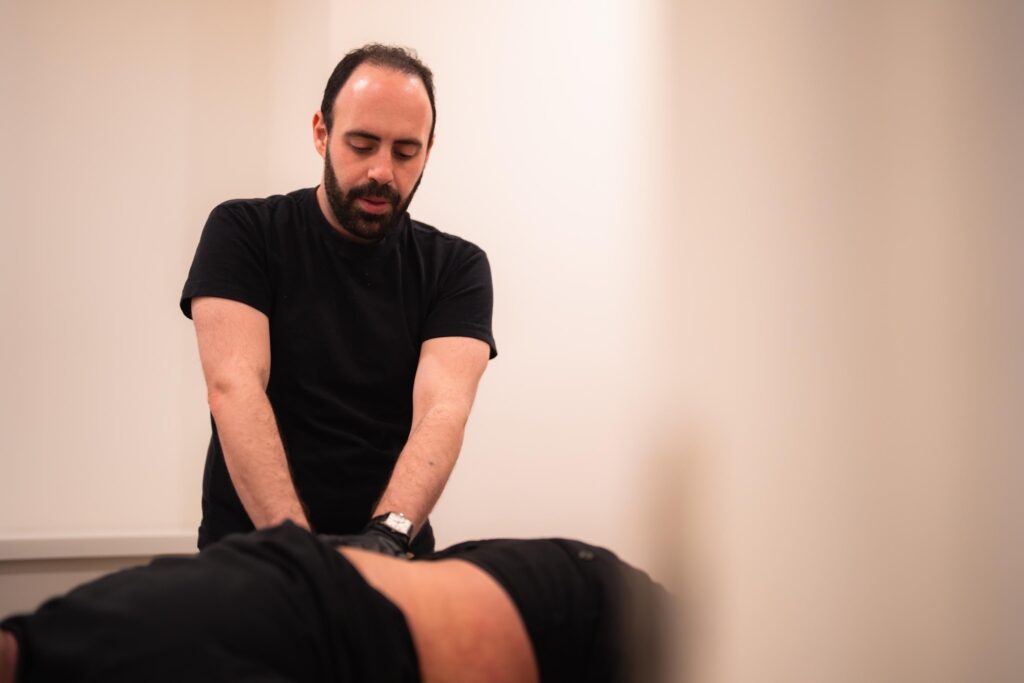
When testicular pain stems from muscular or nerve-related causes, physical therapy can offer real relief. In some cases, pain relief medications may also be prescribed or recommended by a doctor when appropriate for testicular pain. Our therapists use targeted techniques to reduce tension and calm irritated nerves in the pelvic region.
- Manual therapy to release tight muscles in the pelvic floor, groin, and lower abdomen.
- Nerve desensitization techniques to reduce heightened sensitivity around the scrotum and groin.
- Postural correction to reduce strain from prolonged sitting or repetitive movement patterns.
- Individualized exercise programs built around your specific findings and daily activity level.
- Education on movement and activity modification to prevent symptoms from returning.
What to Expect During Treatment at Pelvis NYC
Your first visit includes a thorough assessment focused on identifying the true source of your pain. From there, our therapists build a treatment plan tailored to your specific diagnosis and goals. Most men are seen consistently, with the plan adjusted as symptoms respond to treatment.
Testicular Pain Relief Strategies You Can Try at Home
Alongside professional treatment, a few self-care measures can support your recovery. Ice packs or warm compresses can help calm inflammation and alleviate testicular discomfort. These home measures can ease symptoms, but bacterial epididymitis may need antibiotics from a doctor. Supportive underwear can reduce movement and strain during daily activity.
Avoiding activities that clearly worsen your pain gives irritated tissue time to settle. Swelling from fluid buildup, including a hydrocele or a spermatocele, may need monitoring or surgical removal instead of self-care alone. These strategies support treatment, but they should not replace a proper evaluation.
Preventive Care and Long-Term Testicular Health
Regular self-exams can help you notice a lump or other lasting change earlier, before it becomes a bigger problem. Wearing protective gear during contact sports reduces the risk of direct injury. Managing pelvic floor muscle tension through movement and posture awareness supports long-term comfort.
A balanced, active lifestyle also plays a role in overall pelvic and testicular health. The testicles are part of the reproductive system, and testicles produce sperm, so protecting long-term testicular health matters.
Frequently Asked Questions
Can physical therapy help with testicular pain?
Yes, when the cause is muscular or nerve-related. A pelvic health physical therapist can identify and treat these contributing factors directly, but testicles hurt for many different reasons, so persistent symptoms may need medical evaluation first.
Is testicular pain always something serious?
Not always. Many cases stem from muscle tension or nerve irritation, though sudden severe pain always needs urgent evaluation.
Can pelvic floor dysfunction really cause testicular pain?
Yes. Tight or overactive pelvic floor muscles are a common and often overlooked cause of ongoing testicular discomfort.
When should I go to the emergency room instead of physical therapy?
Go immediately if pain is sudden and severe, or comes with swelling, nausea, or vomiting, since this may indicate torsion. Emergency evaluation is also important if there is a new fluid-filled cyst, rapid swelling, or a sudden change along with severe pain; these symptoms should not wait for a routine appointment.
If testicular pain has been affecting your daily life, our team at Pelvis NYC is here to help you find the cause and relieve it. Schedule a free fifteen-minute teleconsultation to take the first step.
Pelvis NYC is a pelvic health physical therapy practice specializing in male pelvic health, led by Dr. Adam Gvili, PT, DPT, and Dr. Samantha Vargas, PT, DPT, located at 110 West 17th Street, New York, NY.

No comment yet, add your voice below!